
AI Computing Shortage Reshapes Silicon Valley as Companies Race for GPU Capacity
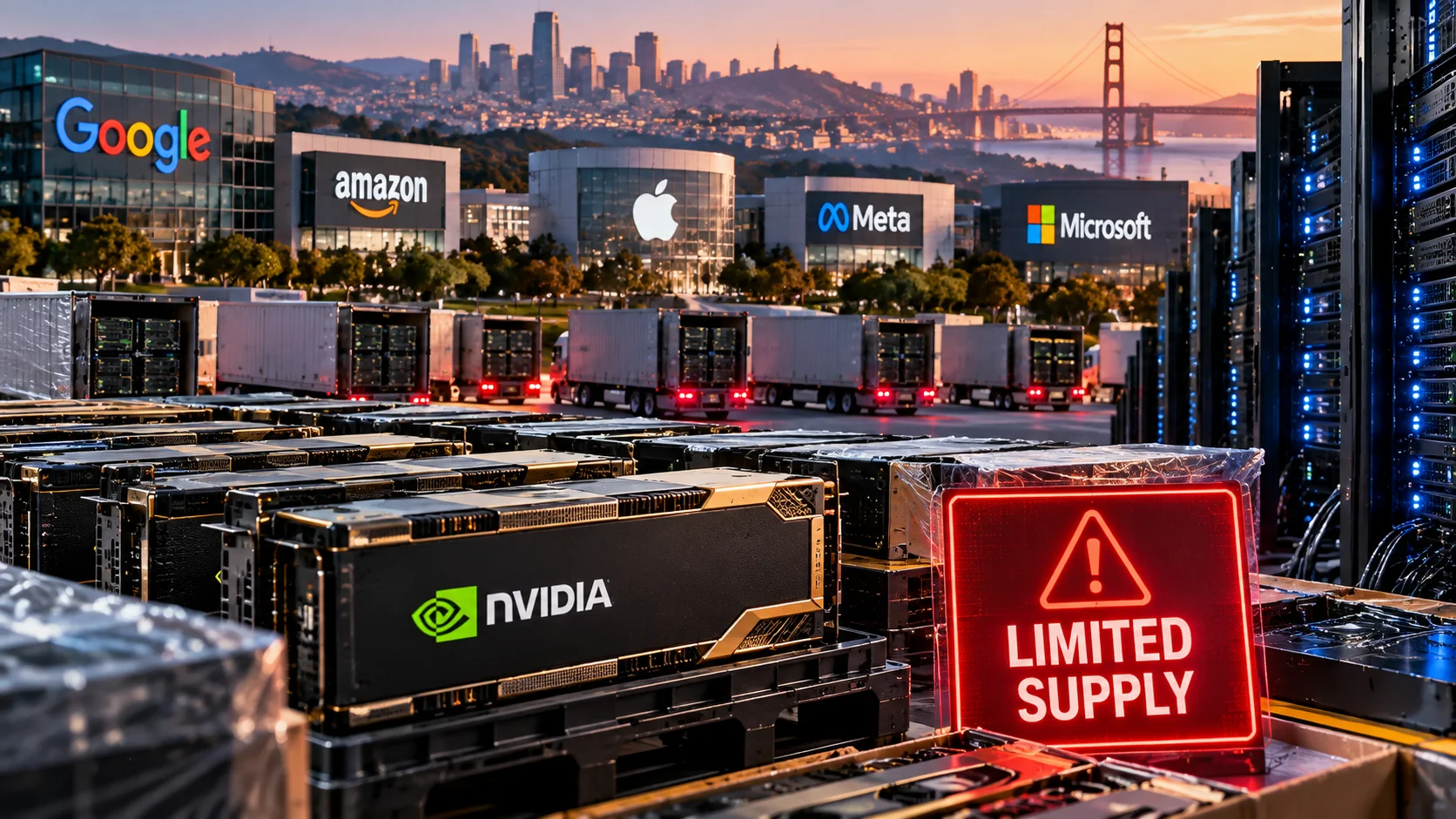
Artificial intelligence companies are facing mounting pressure to secure the computing power needed to train and operate increasingly capable models. A shortage of graphics processing units (GPUs), limited data-centre capacity and rising infrastructure costs are reshaping competition across Silicon Valley, making access to computing resources a major strategic concern.
The squeeze is affecting both established technology companies and startups. Major players are competing for high-demand Nvidia chips and cloud computing capacity, while smaller companies are finding it harder to expand their operations without access to the infrastructure required to run AI workloads.
GPU Access Becomes a Competitive Advantage
GPUs are essential for training many advanced AI models and running them at scale. As demand rises, securing enough processors at the right time has become a challenge for companies developing AI products and services.
Large technology firms can use their financial resources and existing cloud infrastructure to negotiate capacity agreements. Startups often have fewer options, leaving them dependent on cloud providers, specialist computing companies or investors who can help them secure access to hardware.
The imbalance could influence which companies bring products to market quickly and which struggle to scale. In this environment, access to computing power is becoming almost as important as funding, talent and model development.
Data Centres and Long-Term Deals Add Pressure
The shortage extends beyond chips. Building new data centres requires land, electricity, cooling systems, networking equipment and lengthy construction work. Even when companies have the money to invest, new capacity cannot always be brought online quickly enough to meet immediate demand.
Technology companies are increasingly relying on long-term contracts to reserve computing capacity. These agreements can provide greater certainty over infrastructure access, but they may also lock companies into substantial financial commitments, including payments that remain due even if their computing needs change.
The result is a market in which infrastructure availability and the ability to finance it can shape corporate strategy, partnerships and investment decisions.
Startups Face a Tougher Route to Scale
The computing crunch creates particular challenges for young AI companies. Securing investment does not automatically guarantee access to the GPUs and data-centre resources needed to train models, serve customers or expand workloads.
Some venture capital firms and technology partners are helping portfolio companies obtain computing resources. Meanwhile, larger AI developers are exploring new partnerships and supply arrangements to reduce uncertainty over future capacity.
These strategies may help companies secure the infrastructure they need, but they also underline the growing cost and complexity of competing in the AI market.
Why the Computing Crunch Matters
The shortage shows that AI development depends on more than software breakthroughs. Chip supply, electricity availability, data-centre construction and access to capital increasingly determine how quickly companies can turn AI research into commercial products.
As demand continues to rise, infrastructure access could widen the gap between well-funded technology companies and smaller competitors. The companies best positioned to secure reliable computing capacity may gain an advantage—not necessarily because they have better models, but because they can develop and operate them at scale.