Innovation
UK Commits Around £600 Million to AI Safety and Technology Research
The UK has announced a £600 million AI funding package covering biosecurity, AI safety research, chip design, innovation and regional programmes.

News on breakthrough technologies, new ideas, products and innovations shaping industries.
The UK has announced a £600 million AI funding package covering biosecurity, AI safety research, chip design, innovation and regional programmes.
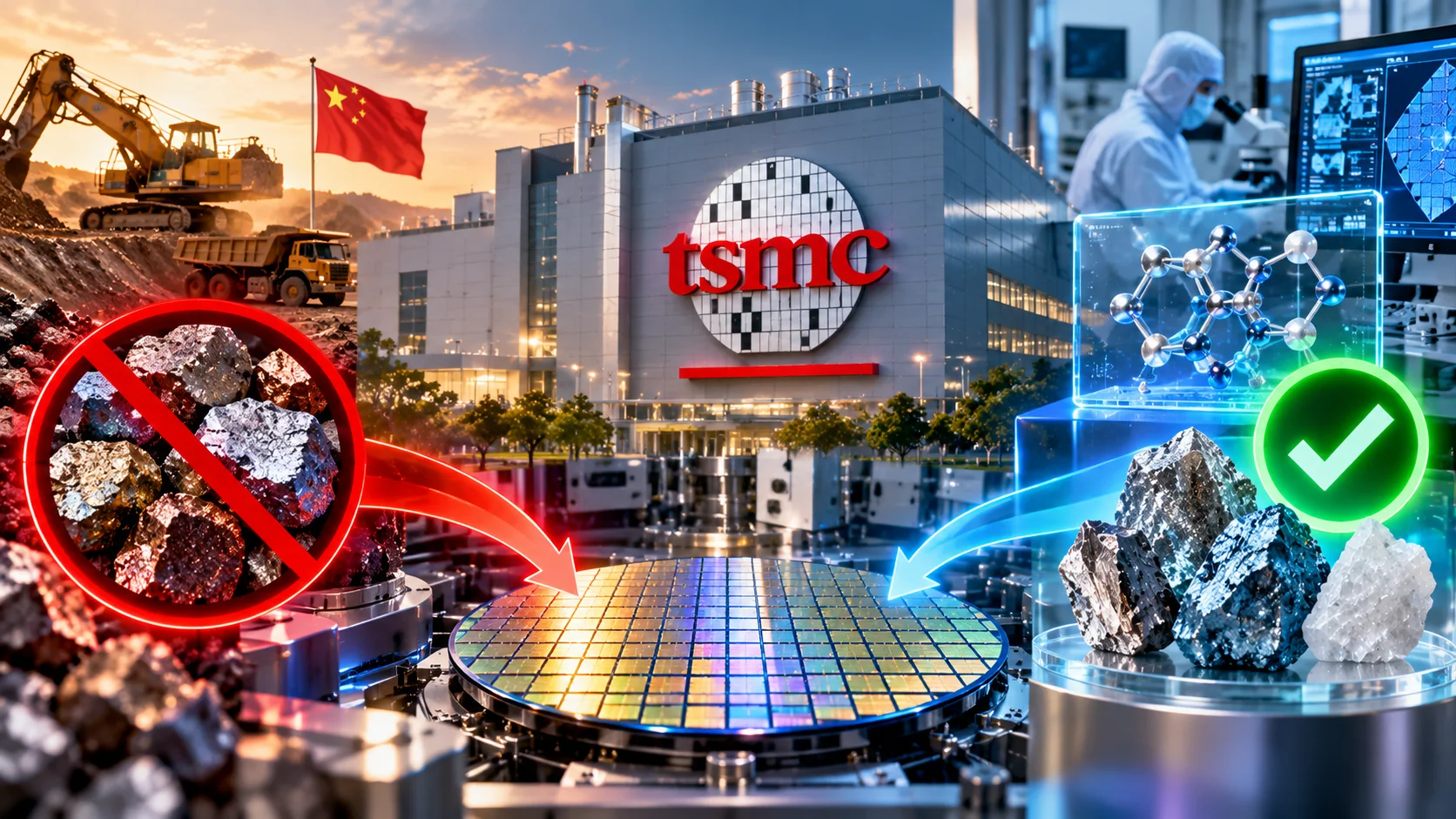
TSMC is assessing rare-earth-free motors for factory equipment to reduce exposure to potential Chinese export restrictions, with discussions still at an early stage.

Google is bringing its personalised Gemini assistant to cars, connecting permitted Google app data to provide more contextual in-car help.

Microsoft is introducing security controls that give AI agents only the permissions needed for a task and tighten access when their behaviour raises security concerns.
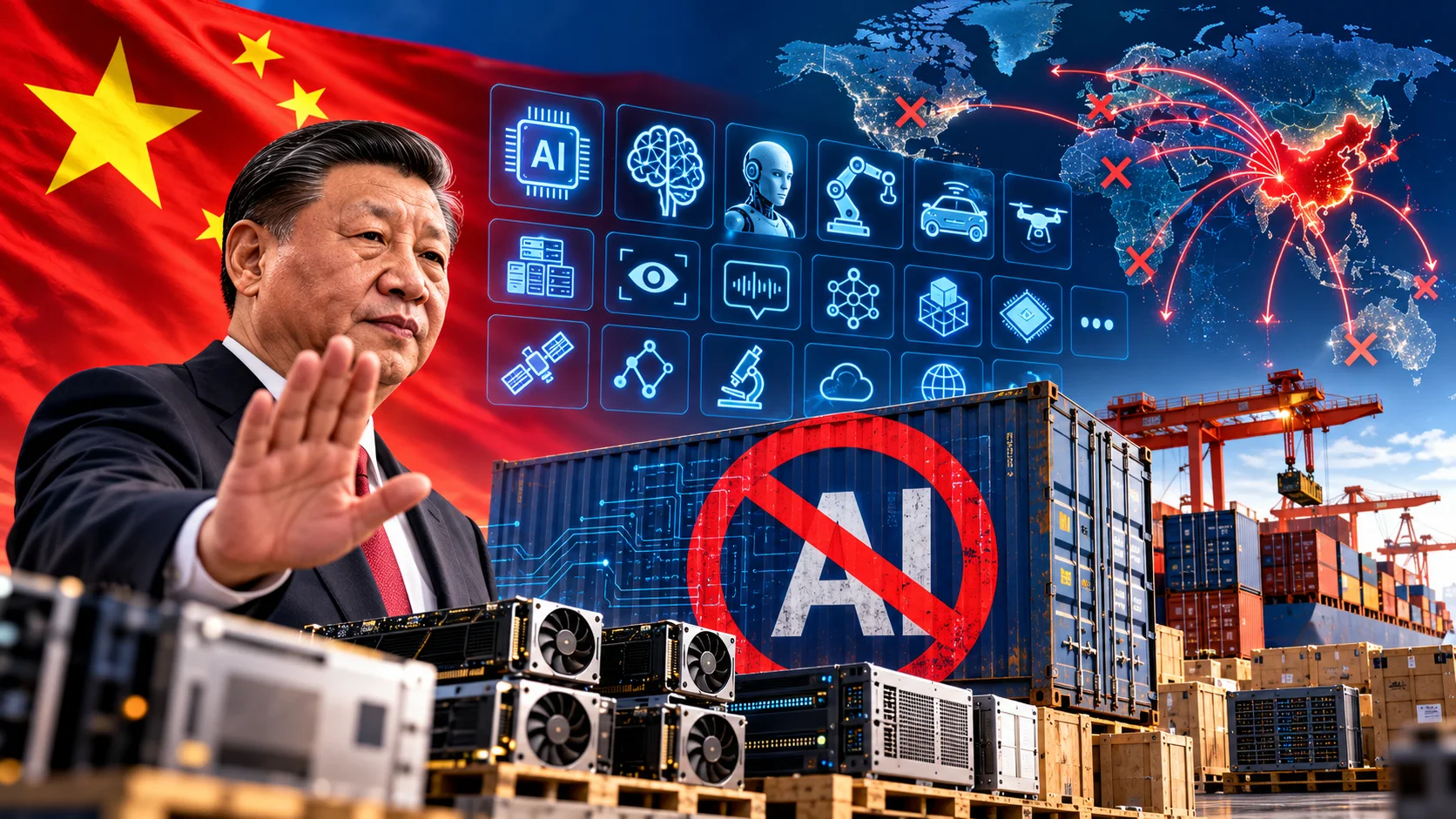
China proposes export controls on 23 AI technologies, including advanced models and agents, as part of a wider plan covering 40 technologies.

Google DeepMind and Singapore’s GovTech have fine-tuned an on-device AI model to detect scam conversations while keeping personal messages private.
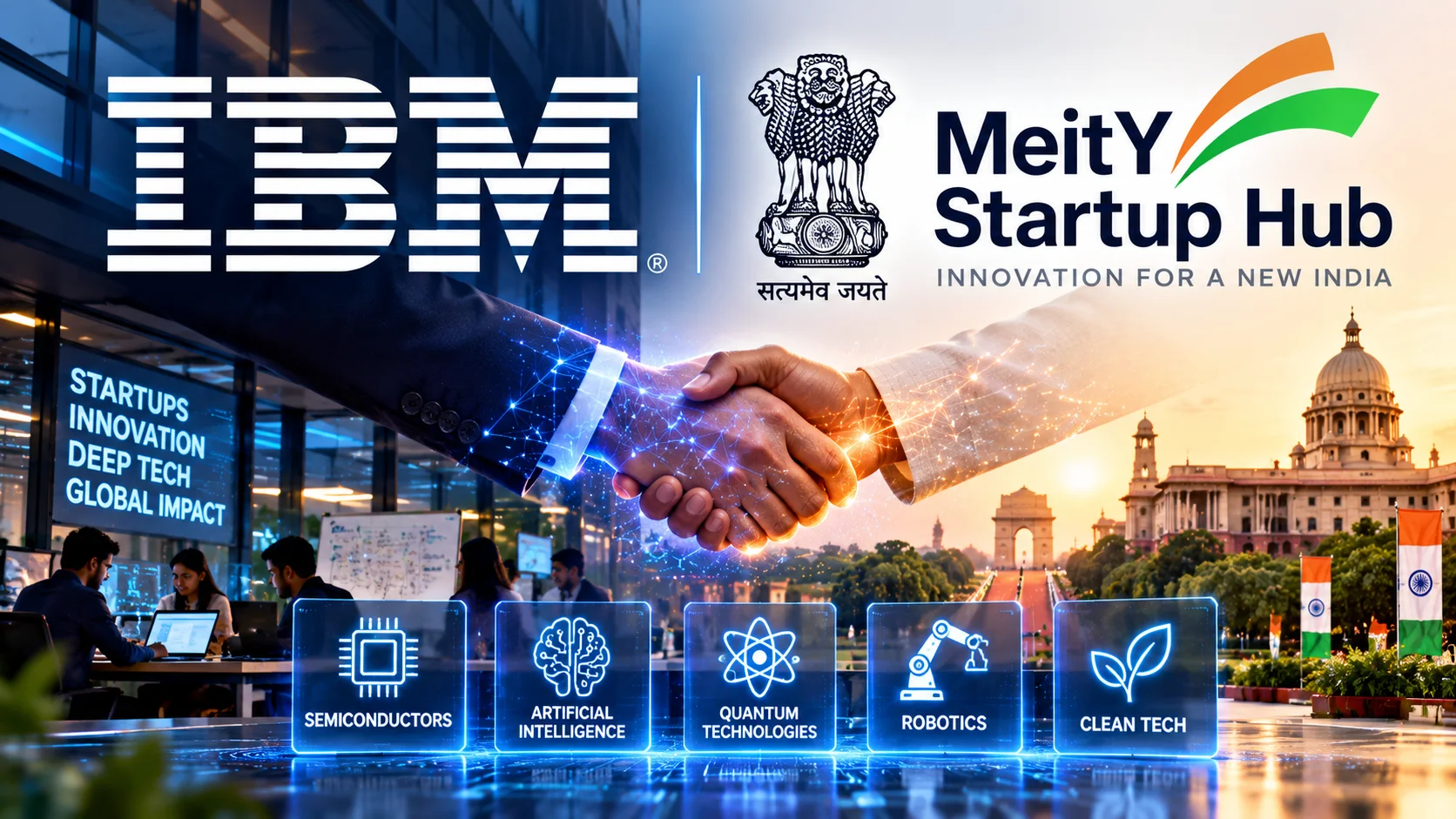
IBM and MeitY Startup Hub have signed an MoU to support Indian deep-tech startups with enterprise technology, mentorship, technical training and commercialisation opportunities.
Fujitsu plans a quantum computing research centre in New Mexico to advance hardware, software and hybrid computing while training future researchers.
China has issued new government guidelines to support artificial intelligence and other frontier technologies while strengthening safety monitoring, risk warnings and emergency response. The measures also target low-altitude industries, including civilian drones and air taxis, with requirements for safer and more orderly development.
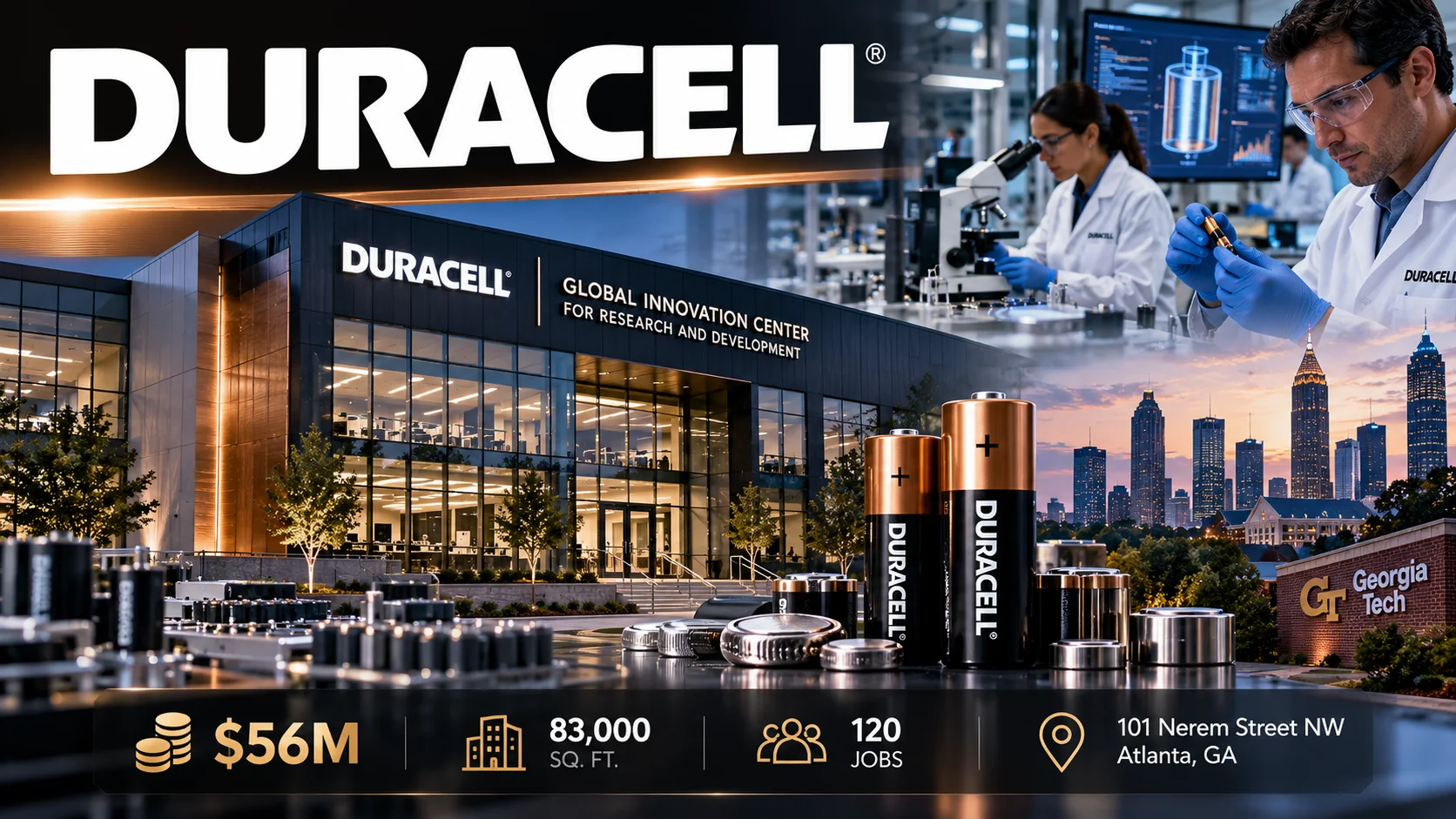
Duracell has opened a $56 million Global Innovation Center for Research and Development at Science Square Labs in Atlanta, creating a new hub for battery technology research. The 83,000-square-foot facility brings scientists, engineers and cross-functional teams together to develop and test battery technologies, while connecting Duracell’s R&D operations with Georgia Tech and the company’s manufacturing and distribution network across the state. The center is expected to create 120 jobs.
Infineon and Swiss quantum startup ZuriQ are expanding their partnership to develop scalable trapped-ion quantum processors by combining ZuriQ’s 2D architecture with semiconductor manufacturing and photonics expertise.
Xanadu and GlobalFoundries have entered a multi-year partnership to industrialise key photonic components needed for utility-scale quantum computing.
QNu Labs, BISAG-N and IIT Gandhinagar have demonstrated India’s first 5.56-km free-space QKD link, combining quantum key distribution with post-quantum cryptography for secure communications.
D-Wave has launched a beta program for a gate-model quantum simulator, giving selected organisations early access to error-aware programming tools ahead of its planned dual-rail quantum hardware.
NTT DOCOMO has developed a new AI model designed to make accurate predictions when historical data is scarce, targeting the cold-start problem faced by new services and products.

Mphasis and Copa Airlines have hosted a global quantum computing challenge to explore how quantum and classical optimization can improve passenger re-accommodation during flight disruptions.
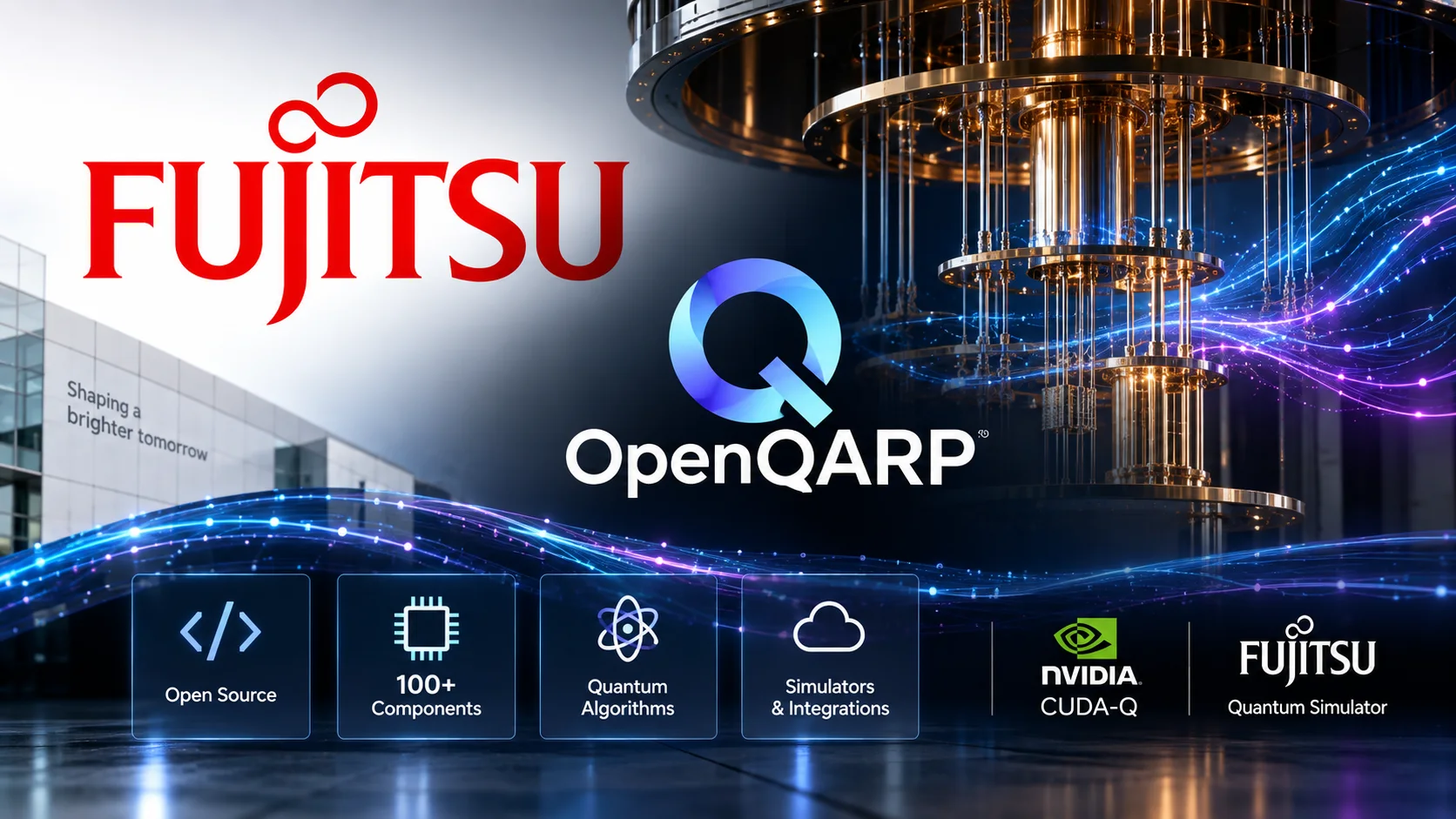
Fujitsu has released its Open Quantum Application Research Package as open-source software, giving researchers and developers access to more than 100 quantum software components and algorithms across multiple computing environments.
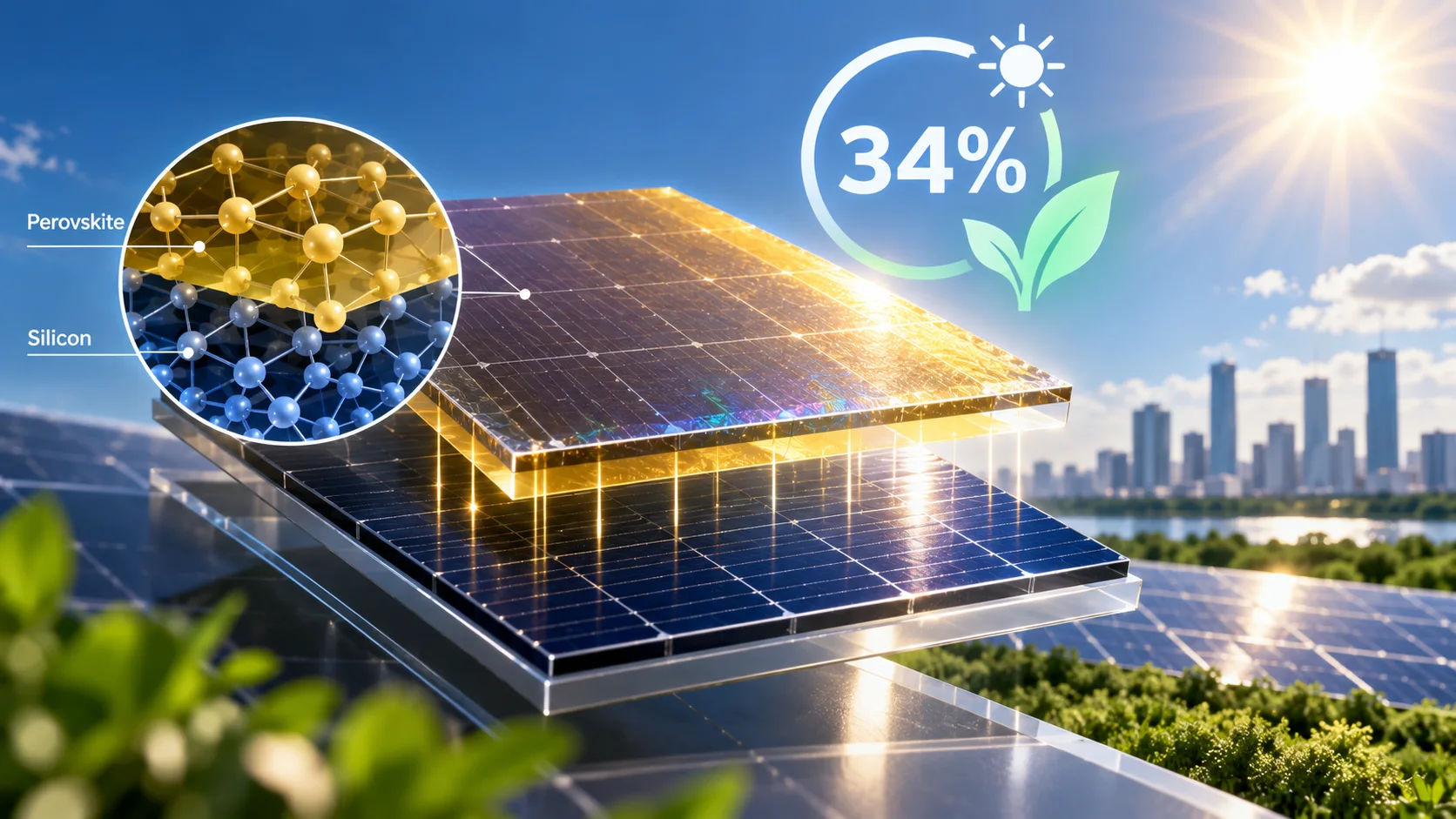
Researchers from Soochow University and LONGi have developed a perovskite-silicon tandem solar cell with a reported efficiency of 34%. The device uses an interface-engineering approach designed to reduce energy losses while improving charge extraction and stability.
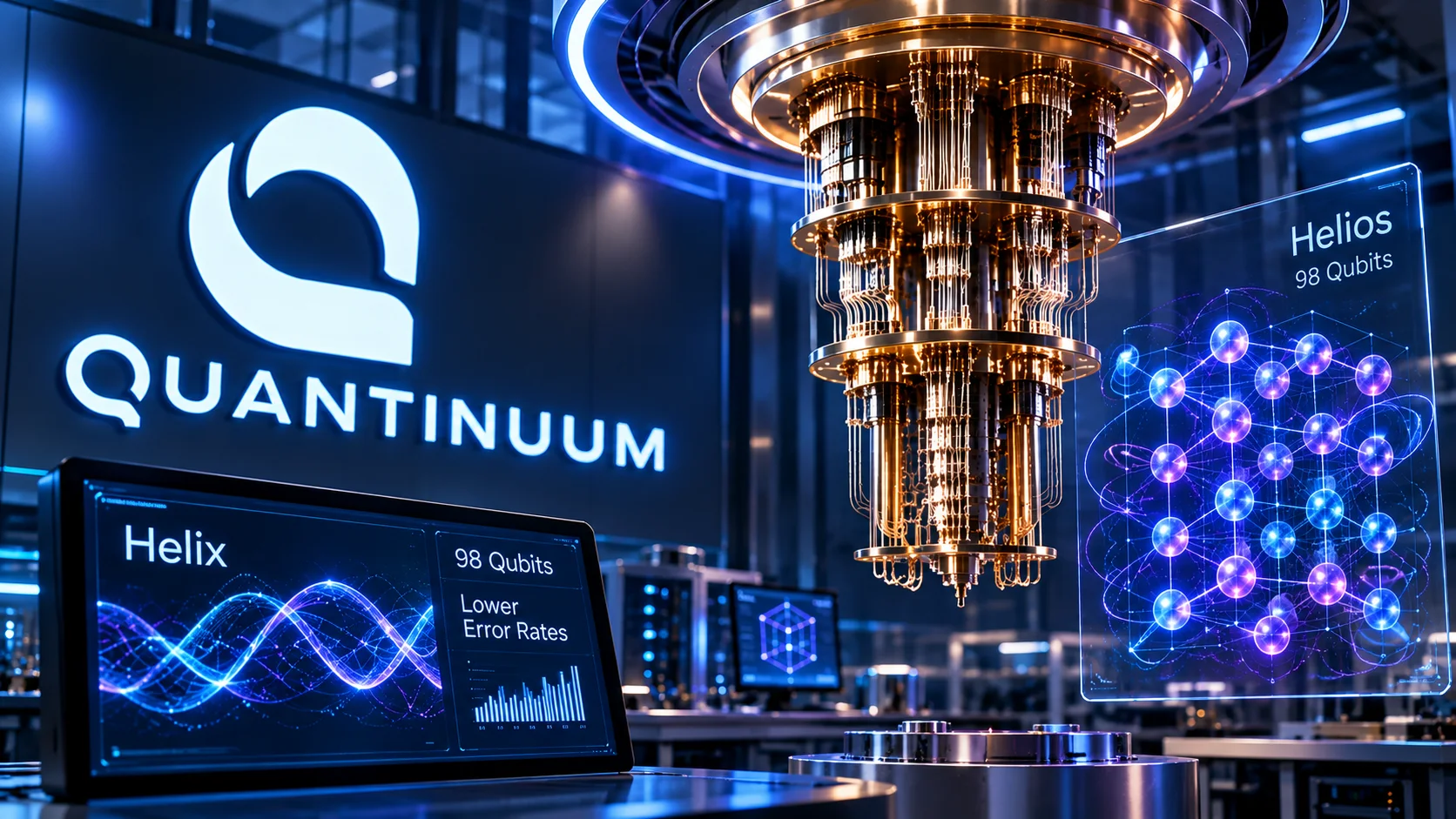
Quantinuum has experimentally validated its Helix quantum error-correction architecture on the 98-qubit Helios processor. The company reported logical memory and computation results with error rates below the corresponding physical operations, providing another step toward fault-tolerant quantum computing.
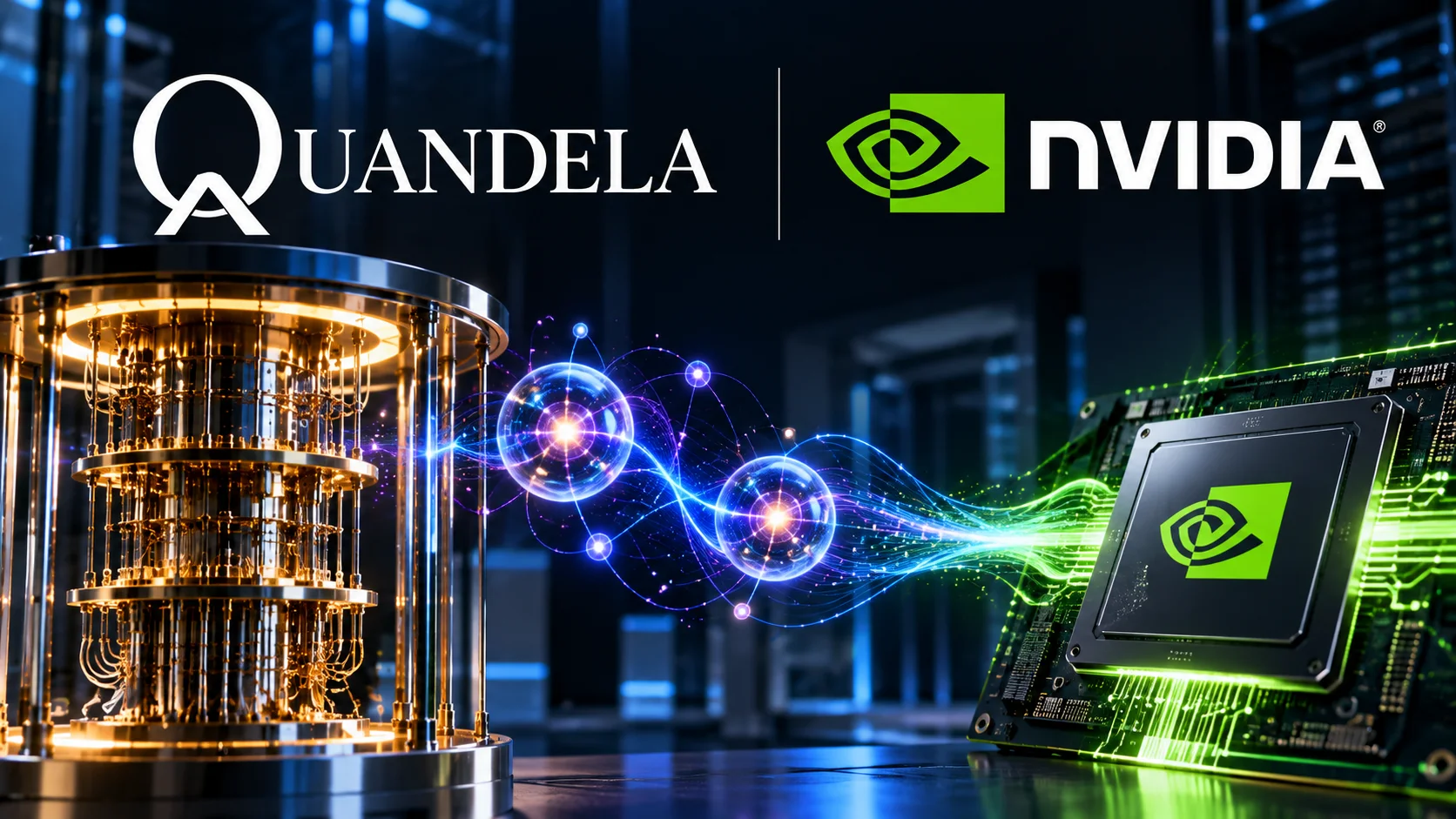
French quantum computing company Quandela says it has achieved a 20,000-fold acceleration in quantum photonics simulations through a collaboration with NVIDIA. Using NVIDIA CUDA-Q and GPU acceleration, the companies say simulations that previously required weeks or months can now be completed in minutes or hours, potentially speeding up the development of fault-tolerant photonic quantum processors.
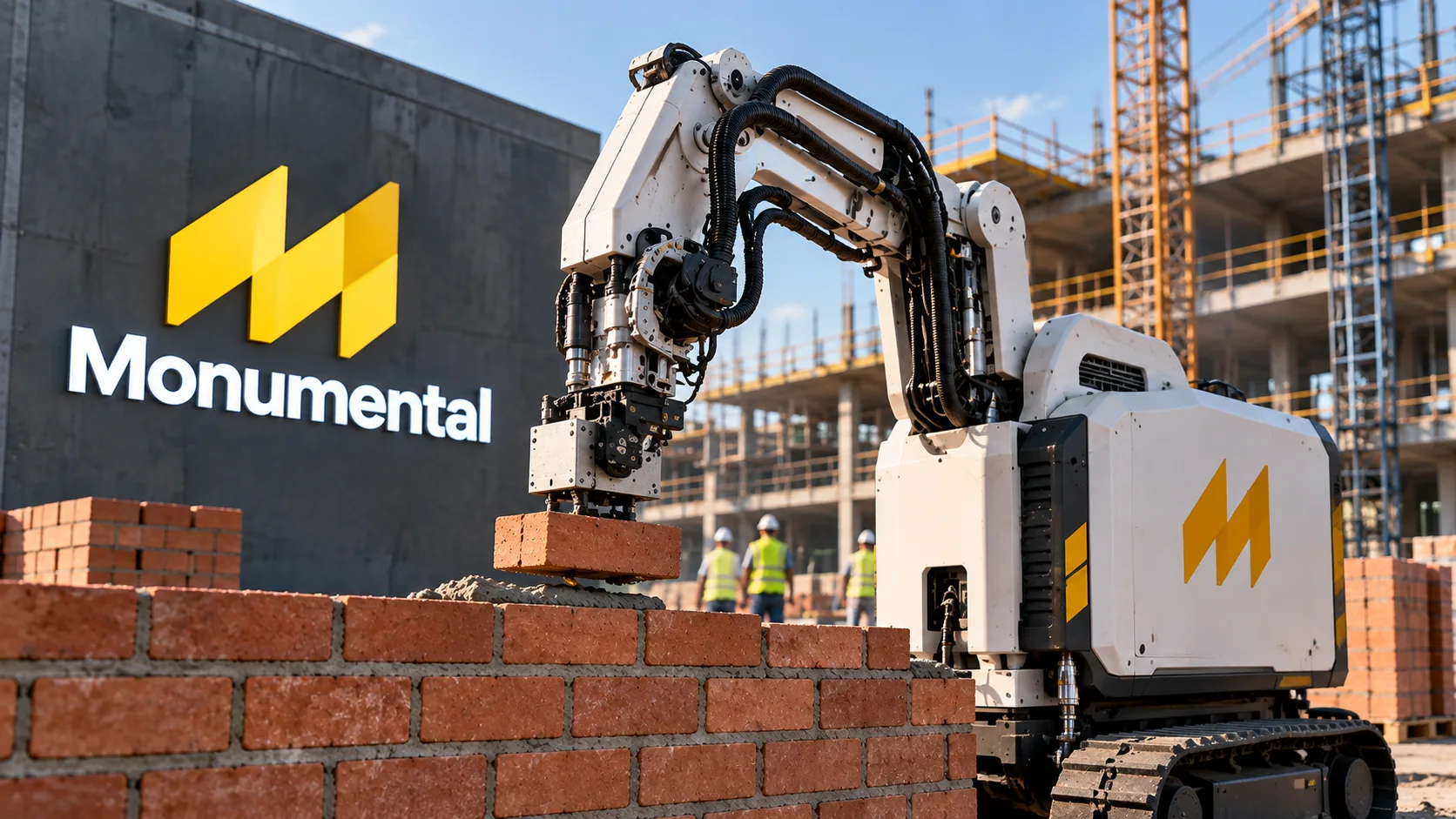
Monumental is using its autonomous Pisa robot to tackle one of construction’s most persistent problems: the shortage of skilled bricklayers. The Amsterdam-based company has already deployed more than 100 robots across Europe and is expanding its construction automation platform.

Apple has launched the iPhone 18 Pro and iPhone 18 Pro Max with its new A20 Pro chip, 48MP Fusion cameras with variable aperture, upgraded AI capabilities, faster connectivity and improved battery life. The new Pro models start at $1,199 and will be available from September 18.
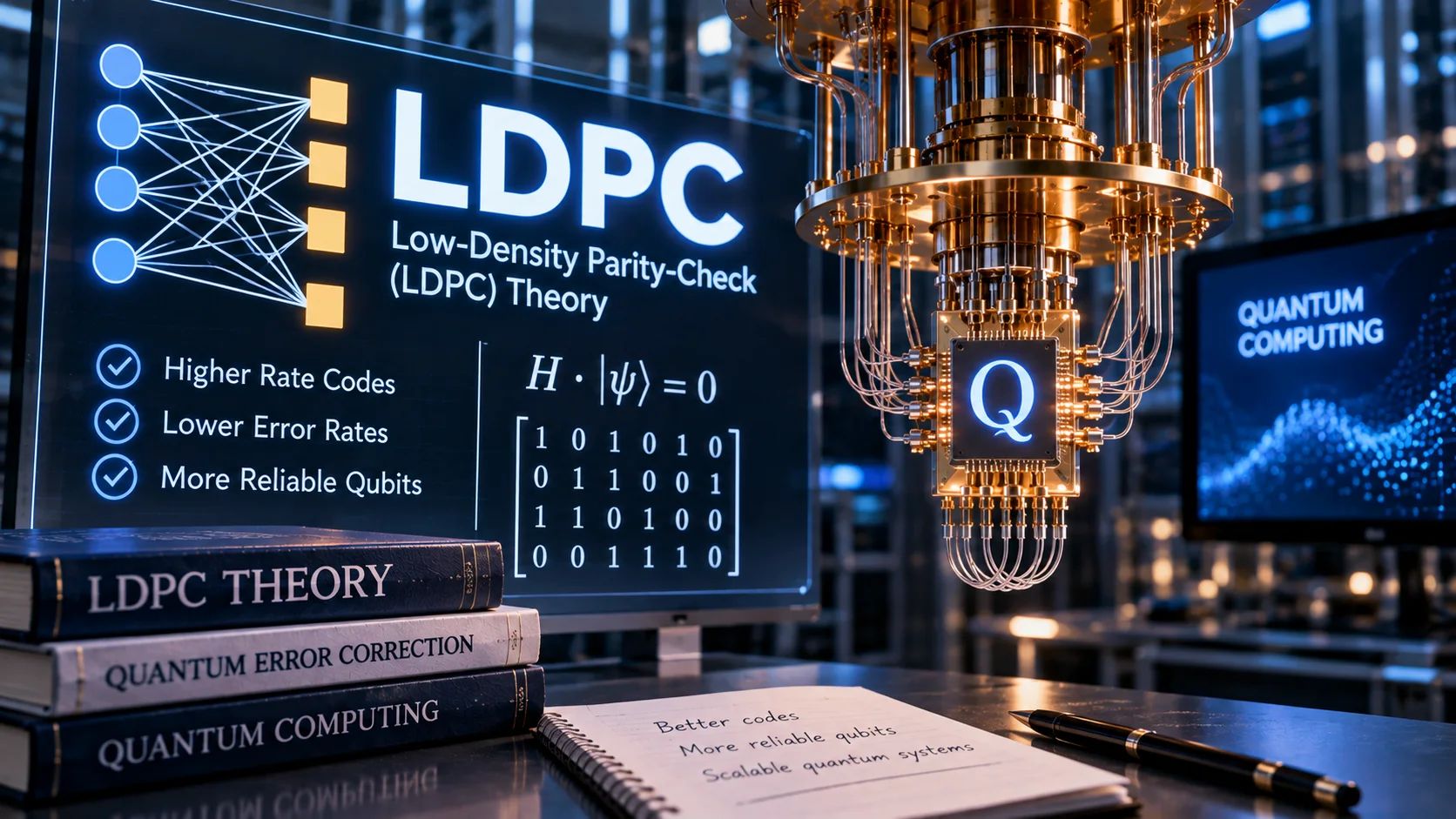
Researchers at Institute of Science Tokyo have developed a quantum low-density parity-check code that brings key design principles from classical error-correction theory into quantum computing. Their simulated code protects 4,612 logical qubits using 9,216 physical qubits and shows error-correction performance close to a classical theoretical benchmark.

Fujitsu has developed a working prototype of a diamond-spin quantum computer using tin-vacancy centers and photonic integrated circuits. The company says the architecture could help build modular quantum systems that scale more efficiently.
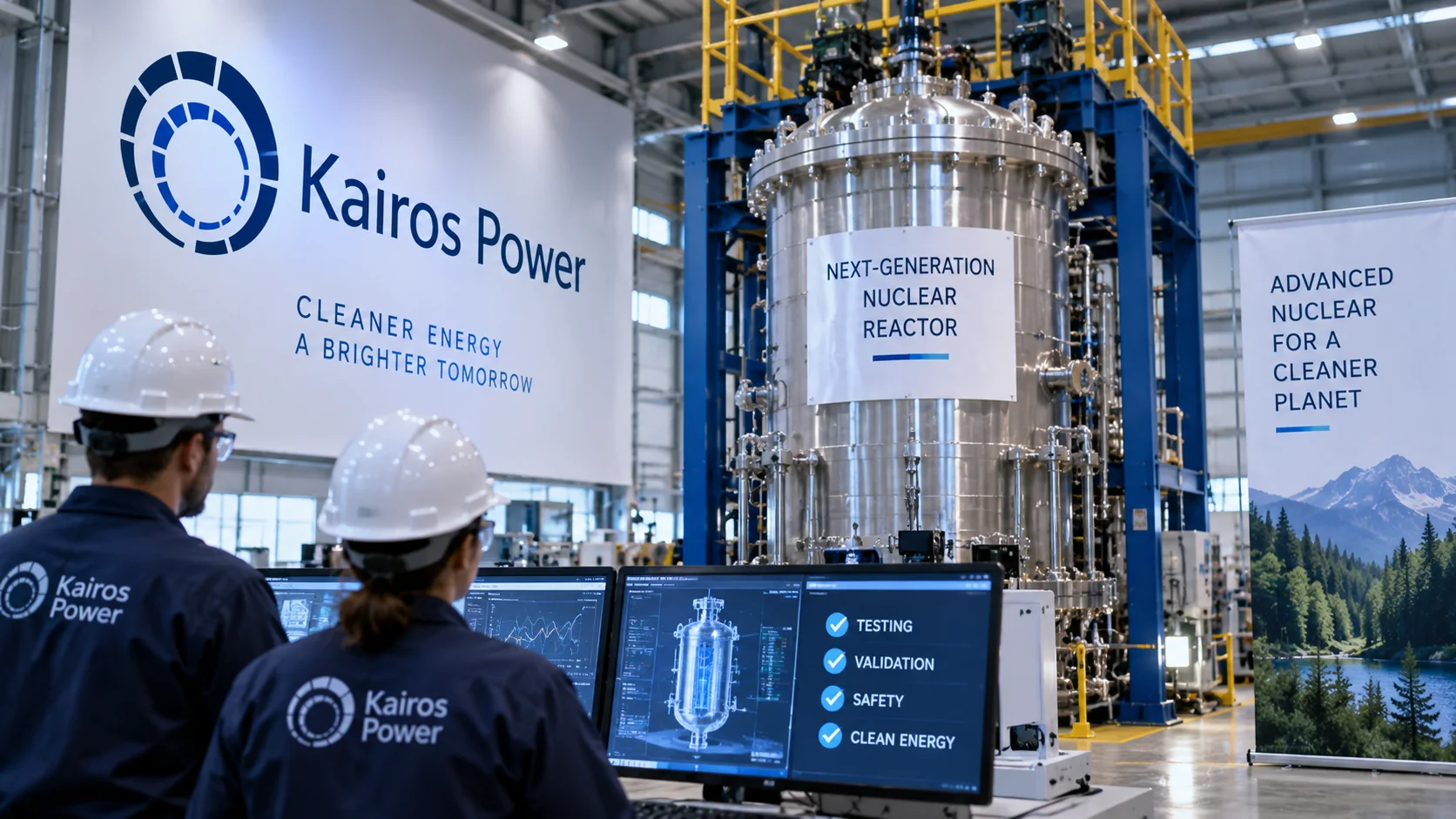
Kairos Power has completed the first phase of testing on a non-nuclear mockup of its planned Hermes 2 reactor cavity in Tennessee. The work is testing modular radiation shielding and remote maintenance systems before the company moves further into reactor construction.
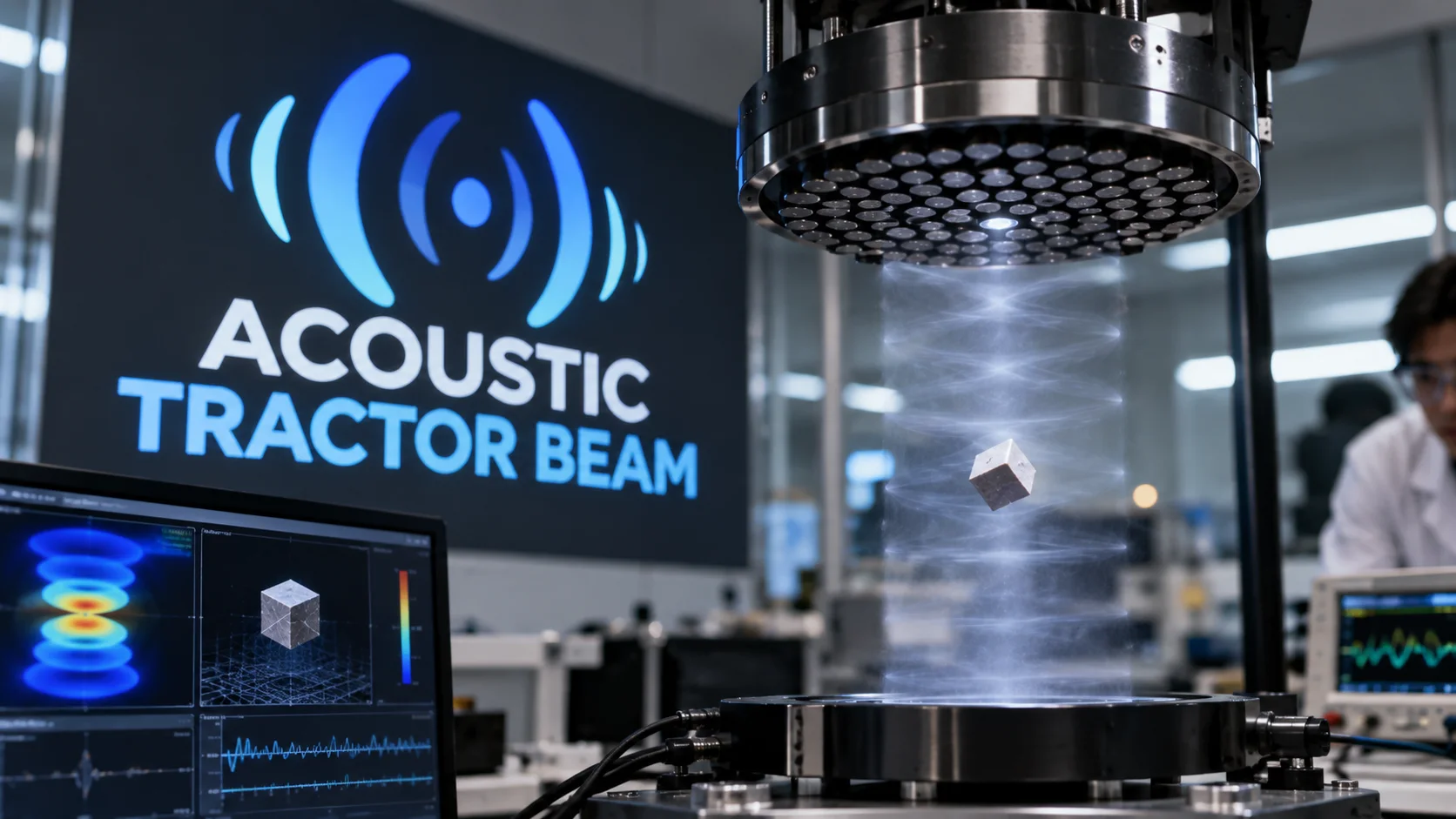
Two 2026 research advances are expanding what acoustic tractor beams can do. One uses sound waves to remotely control the stiffness of a metamaterial, while another levitates and moves objects in midair from nearly 40 cm away.
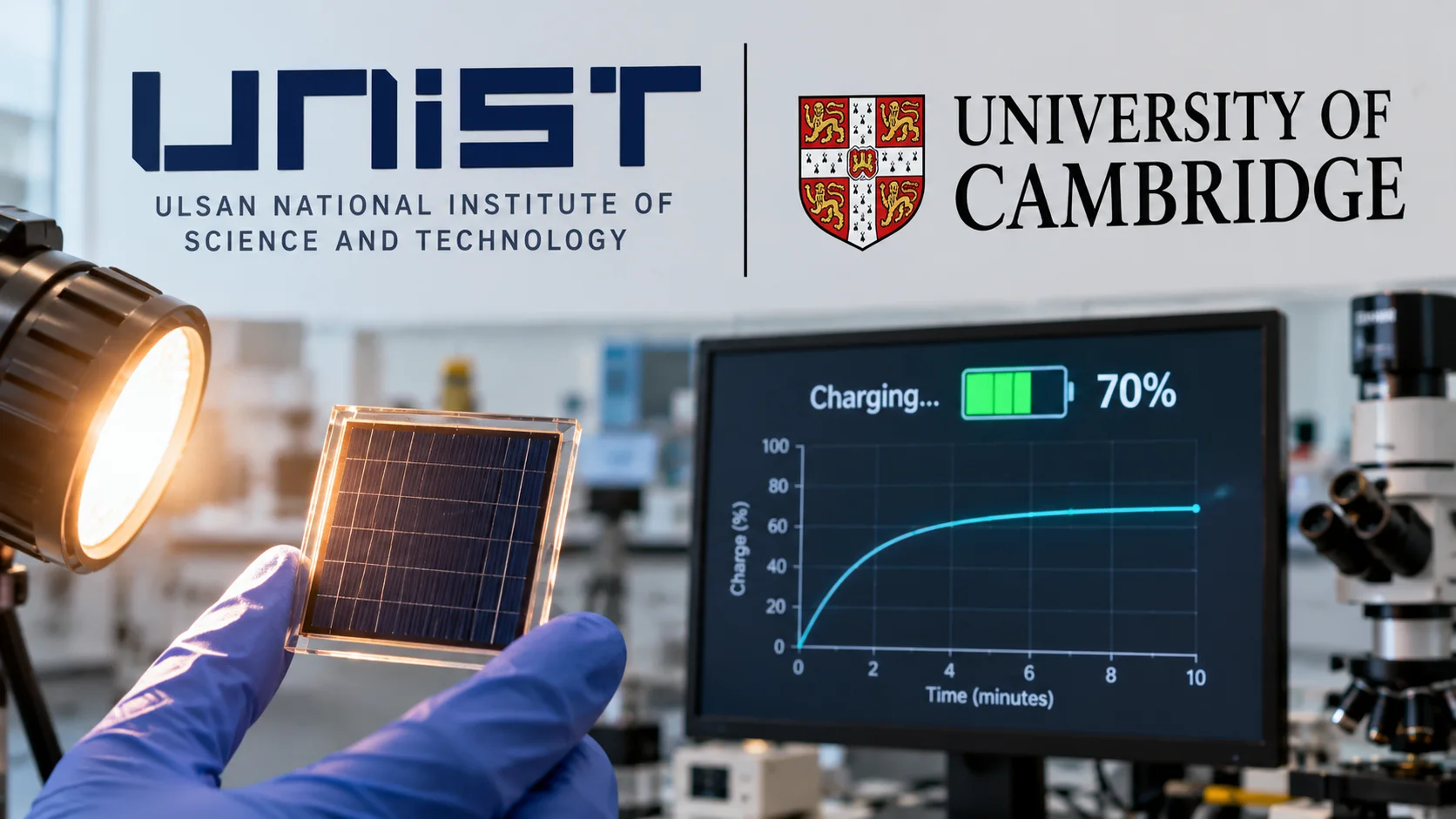
Researchers from UNIST and the University of Cambridge have developed a photo-rechargeable lithium battery that can reach 70% charge in 10 minutes under standard sunlight and also operate under indoor lighting.
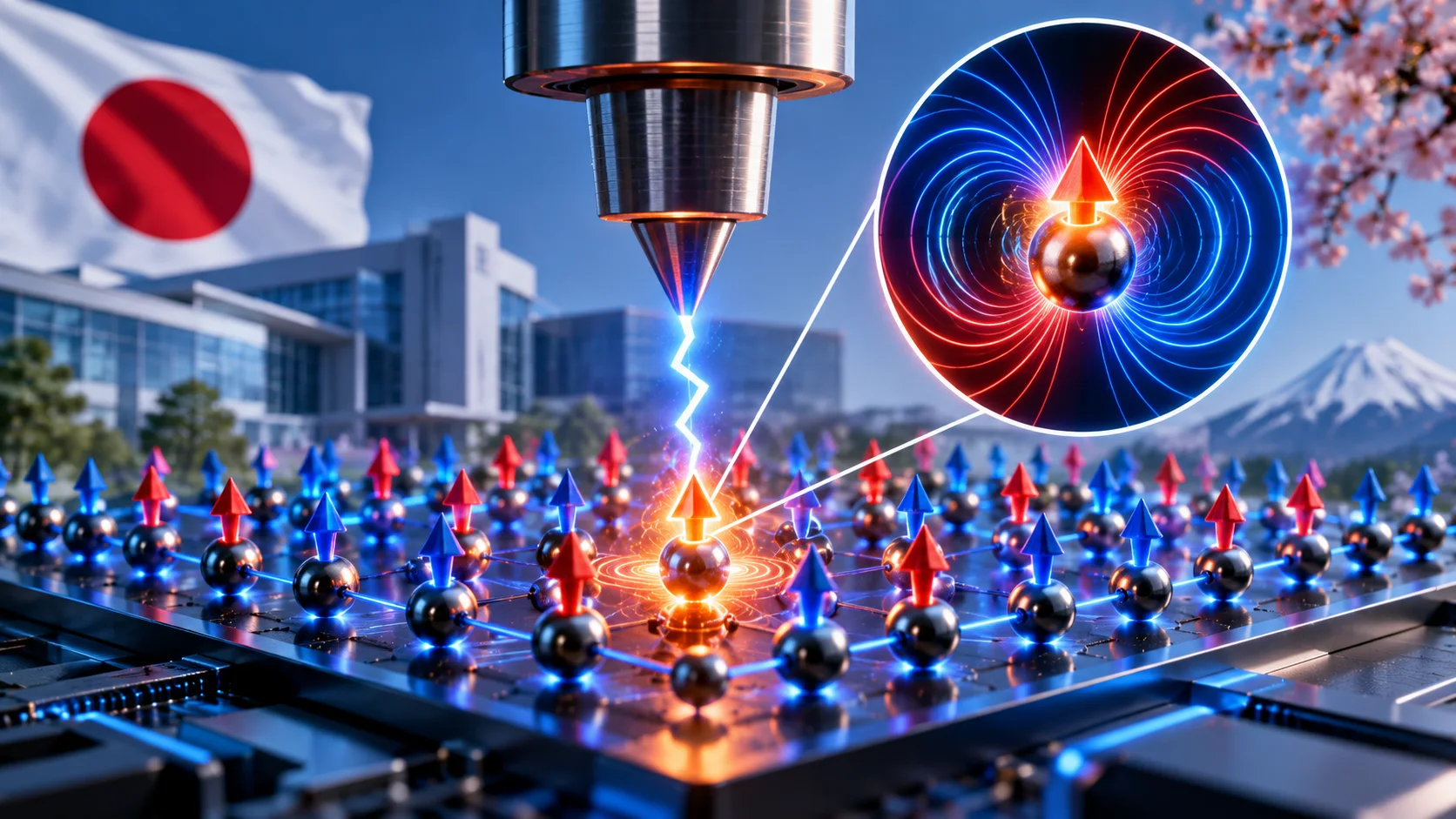
Researchers at Science Tokyo have demonstrated persistent magnetization reversal in nanoscale multiferroic structures using electric fields, opening a potential route to lower-energy magnetic memory.
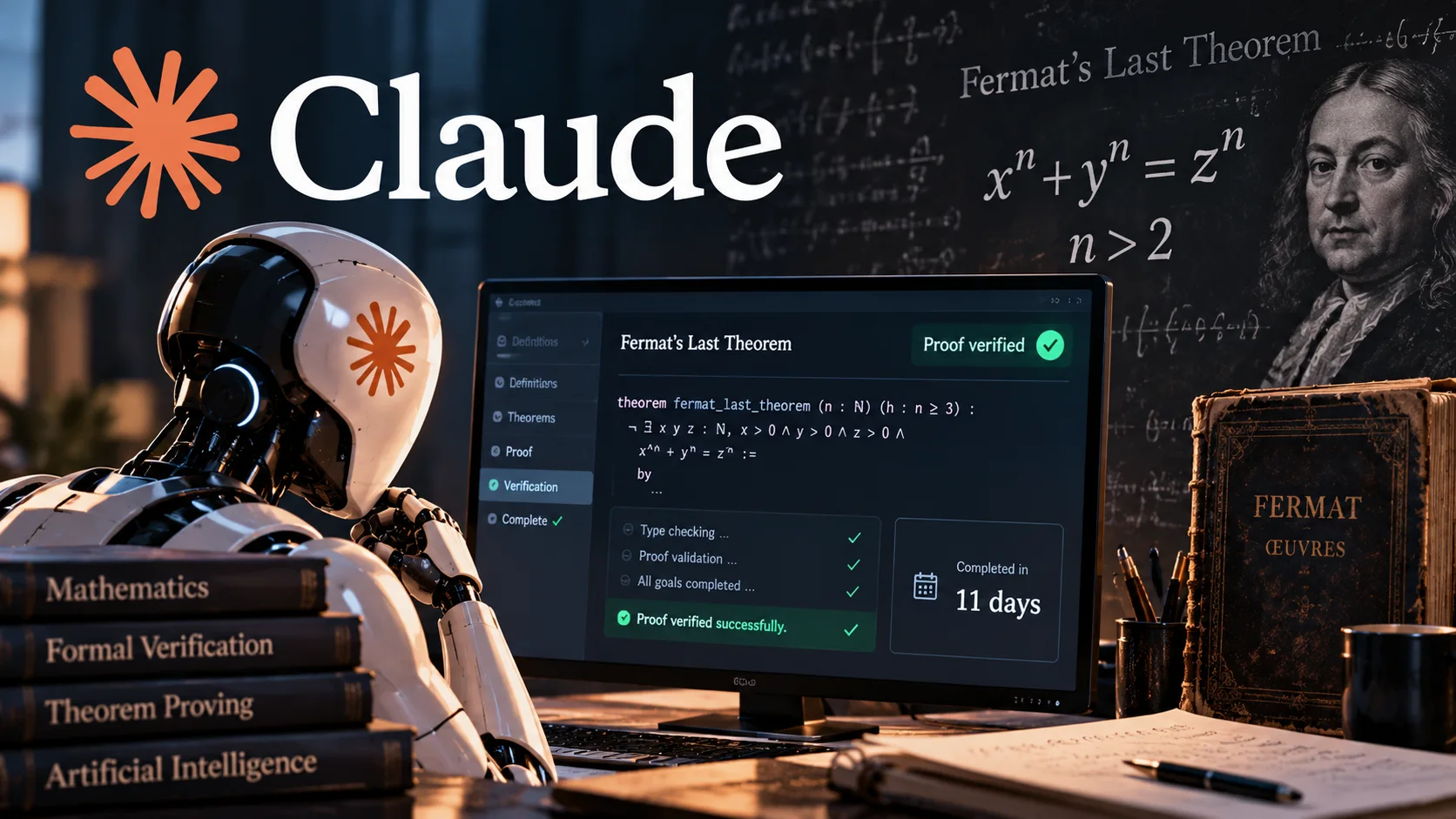
Anthropic says Claude has completed the first end-to-end computer-checked formalization of Fermat’s Last Theorem, turning a landmark mathematical proof into 13 million lines of Lean code.
CollPlant has completed its acquisition of Israeli deep-tech company LightSolver, adding laser-based photonic computing to its business.
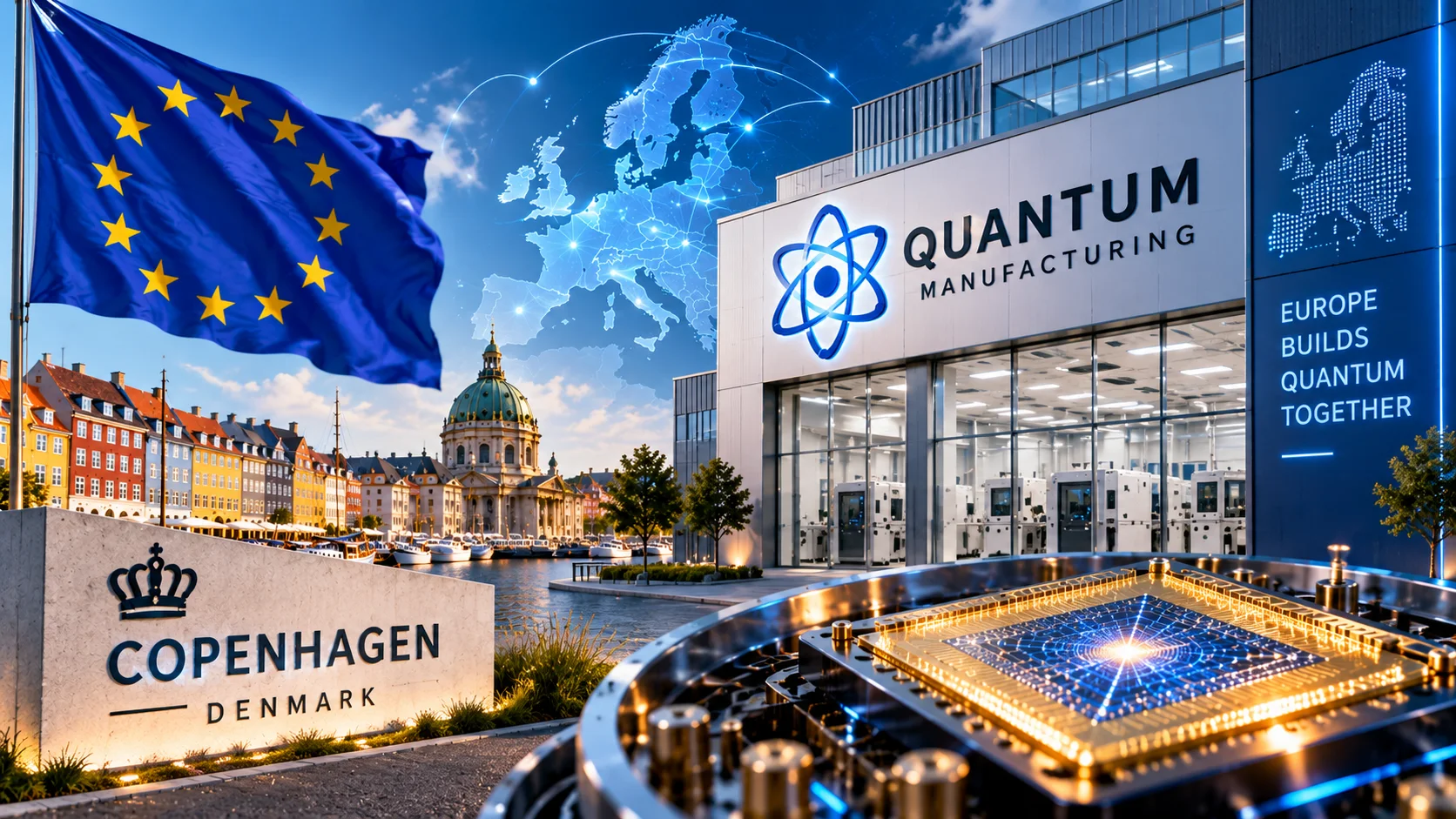
A new 5,300-square-metre facility in Copenhagen will help move quantum chip production from research labs towards commercial manufacturing.

Uber has begun offering autonomous rides in London using self-driving technology from British AI firm Wayve, marking the first commercial autonomous ride-hailing service in the UK.

NVIDIA has unveiled Jetson Orin Nano 2, a compact AI computing platform designed to deliver faster and more efficient processing for robots, drones and next-generation edge devices.
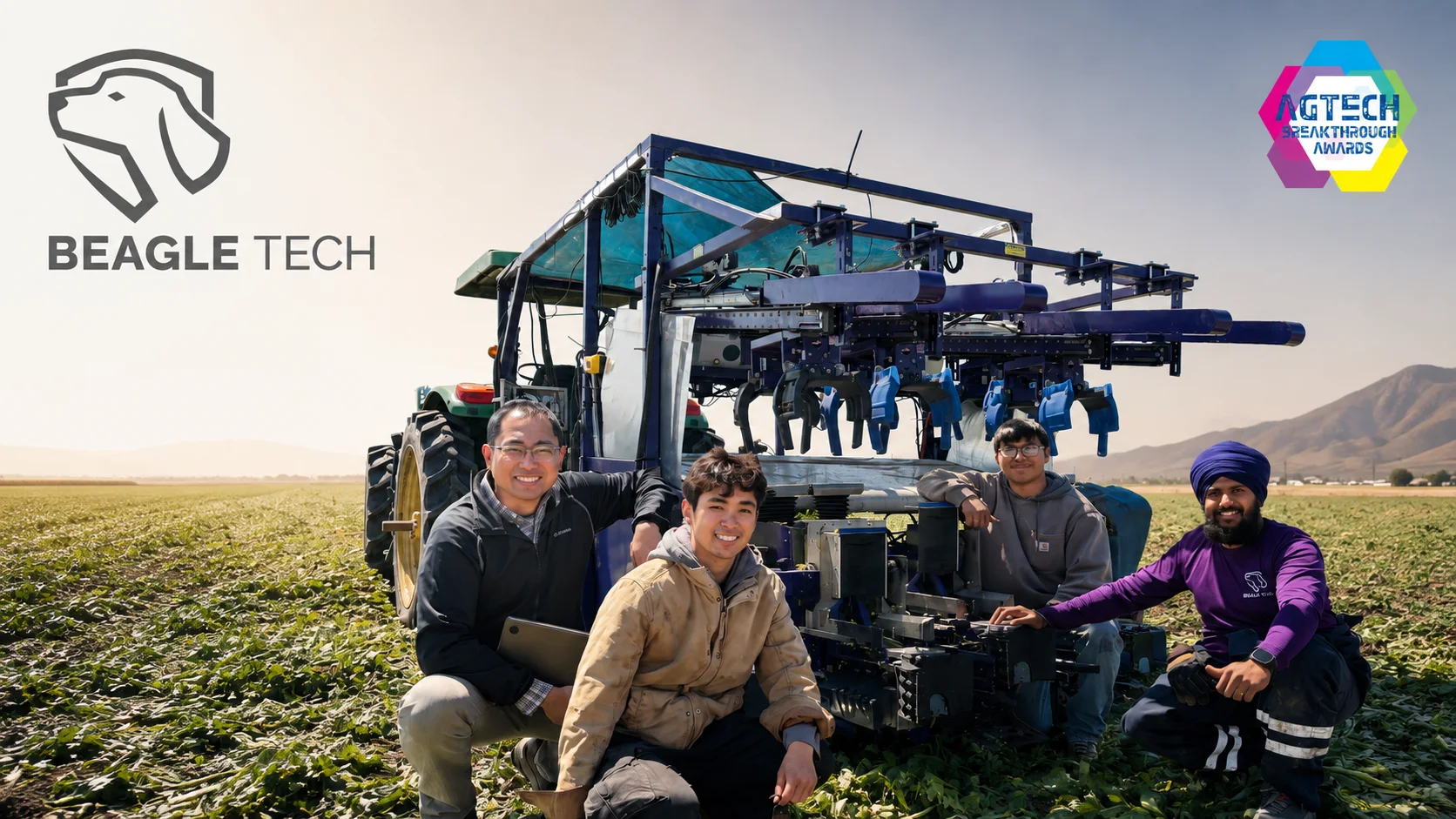
Beagle Technology has won the 2026 Overall Harvesting Innovation of the Year award for its AI-powered system combining computer vision and agricultural machinery to automate harvesting.
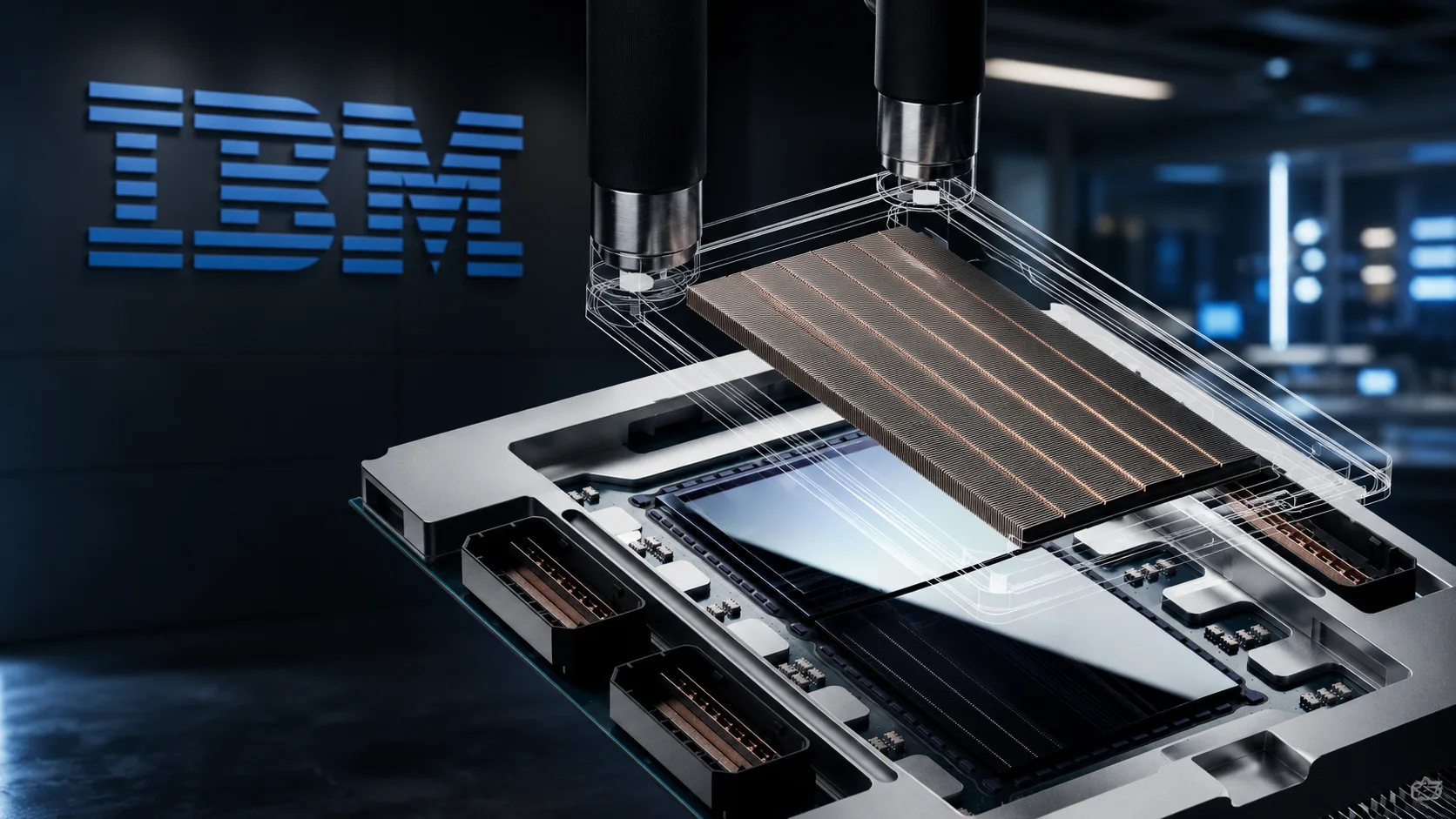
IBM is developing a new 2nm processor for future IBM Z and LinuxONE systems that can support both IBM and Arm architectures while adding dedicated AI and data-processing capabilities.
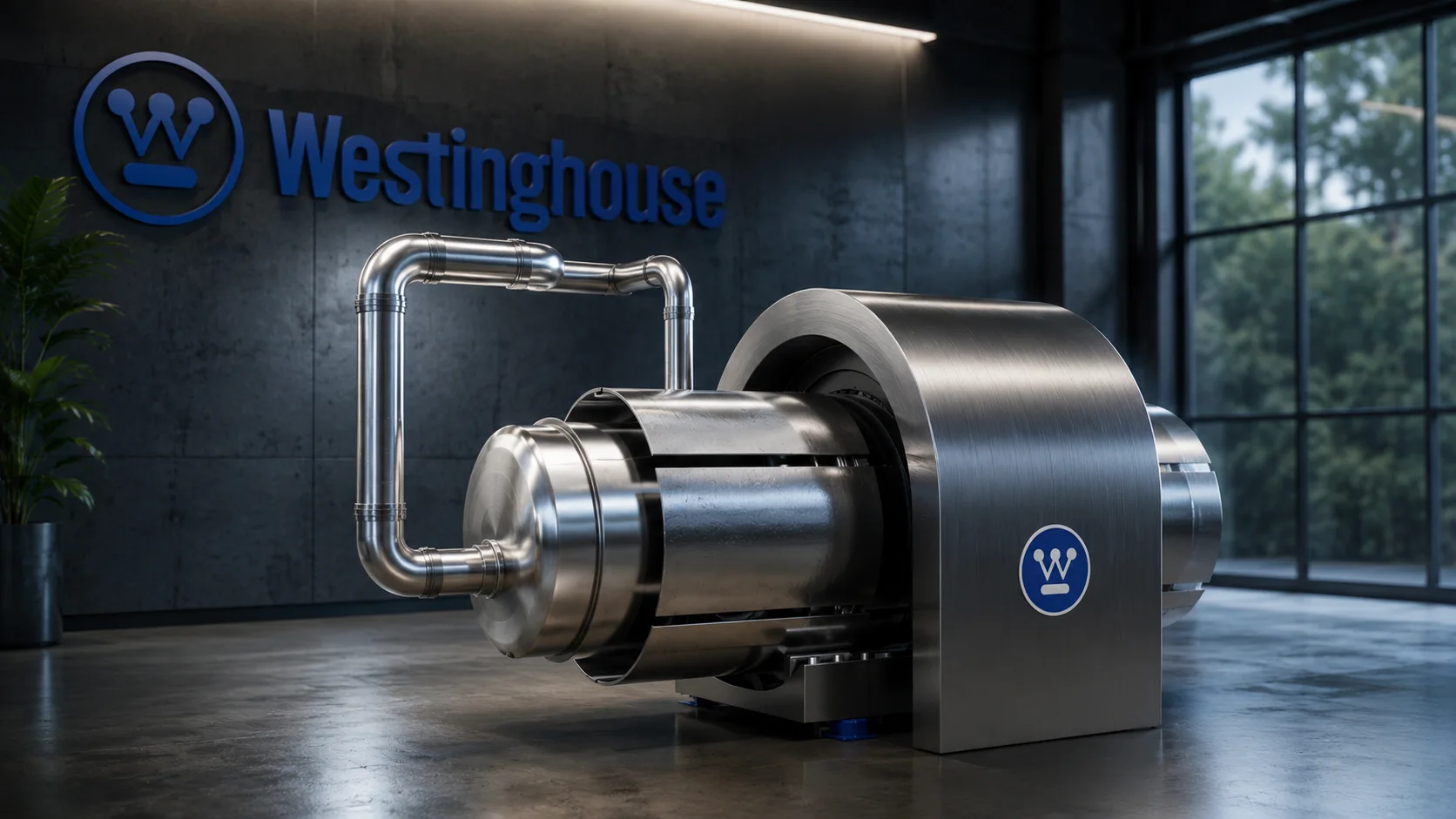
Westinghouse has successfully completed zero-power criticality testing of its eVinci microreactor, providing new data to validate the design of its next-generation compact nuclear power system.