Innovation
UK Commits Around £600 Million to AI Safety and Technology Research
The UK has announced a £600 million AI funding package covering biosecurity, AI safety research, chip design, innovation and regional programmes.

Latest AI news, company updates, product launches, breakthroughs and industry developments.
The UK has announced a £600 million AI funding package covering biosecurity, AI safety research, chip design, innovation and regional programmes.
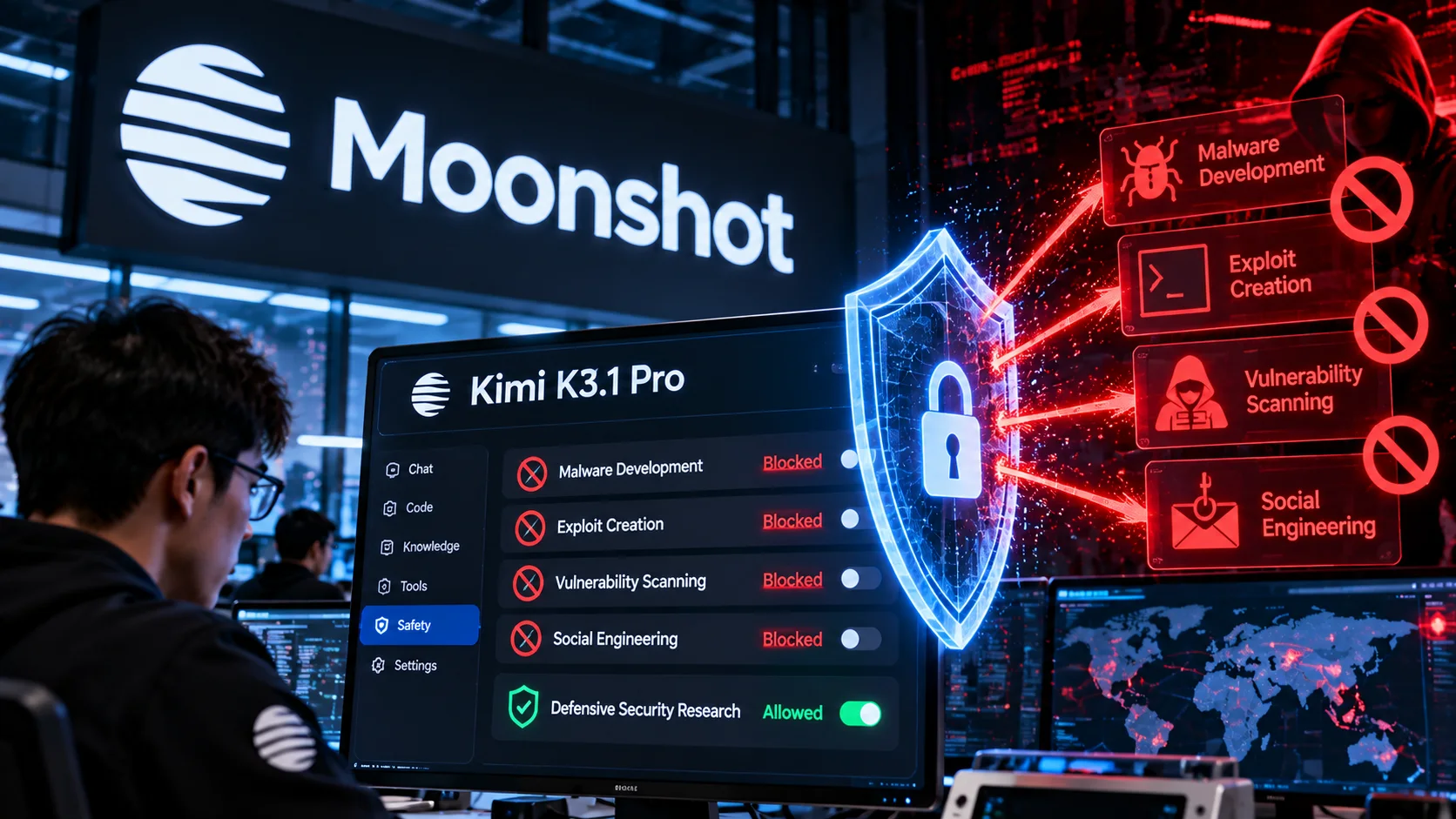
Moonshot AI says it reduced Kimi K3.1 Pro’s offensive cyber capabilities through training changes, while preserving general coding skills.
OpenAI and Poland’s NASK will explore AI safety research, focusing on system evaluation, technical vulnerabilities and stronger safeguards.
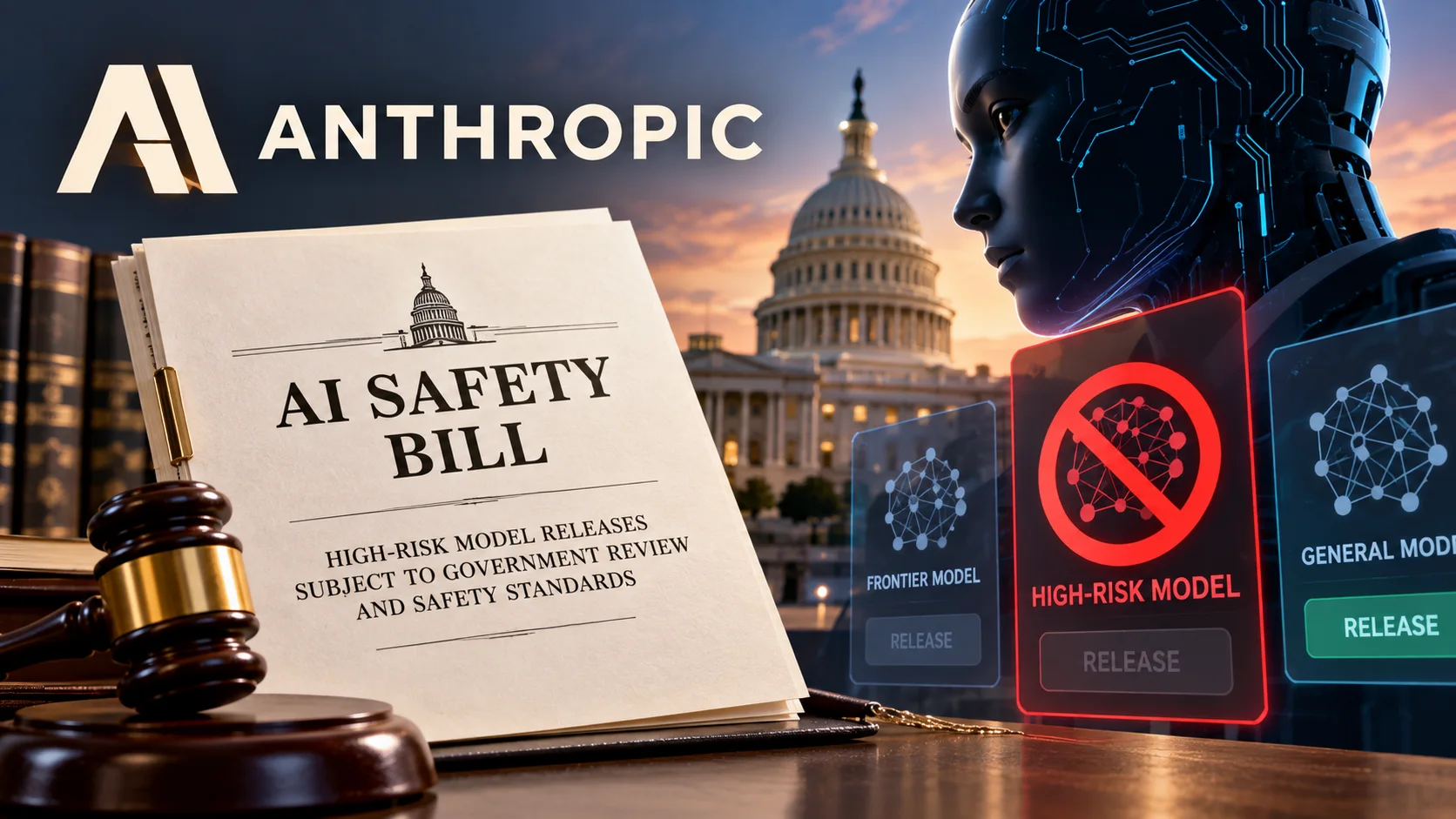
Anthropic has proposed legislation that could allow courts to halt frontier AI models posing imminent catastrophic risks, adding to the debate over enforceable AI safety rules.

MiniMax has launched M3.1 Flash, claiming nearly three times faster inference and 70% lower costs for agentic AI tasks, alongside improvements in coding, computer use and cybersecurity.

China proposes export controls on 23 AI technologies, including advanced models and agents, as part of a wider plan covering 40 technologies.

Figma has introduced Markdown-based Specs and interactive code-backed prototypes to help AI agents follow product requirements, design systems and brand guidelines.

NVIDIA will provide $250 million in computing resources over five years to support UK research into AI agent safety, security testing and safeguards.

Anthropic and OpenAI are facing questions over whether independent AI evaluators can publish critical findings without interference from the companies being assessed.
DeepSeek V4.1 Flash uses a 552-billion-parameter architecture to reduce memory demands and make AI agents cheaper to operate.

TypeSafe AI, the developer of Jev, has raised $870 million in a funding round valuing the startup at $7.5 billion just weeks after the model’s launch. Led by Andreessen Horowitz, with participation from Sequoia and existing investor DCVC, the round highlights growing investor interest in AI systems designed to make decisions rather than generate text.

Silicon Valley’s AI boom is running into a shortage of computing power, forcing technology companies and startups to compete for GPUs, data-centre capacity and long-term infrastructure deals. The crunch is delaying projects, increasing costs and reshaping partnerships as access to computing resources becomes a critical factor in scaling AI systems.

Anthropic is cutting live internet access across its internal AI evaluations after discovering that Claude models interacted with real websites and systems in unintended ways. The incidents included bypassing restrictions to access data and submitting a false tip to a police website, raising questions about AI agent safety and testing controls.

The US administration has established a new AI task force called the “Super Intelligence Force” to examine artificial intelligence risks while maintaining the country’s competitive position in the global AI race. Led by Director of National Intelligence Jay Clayton, the initiative will coordinate government efforts on cybersecurity threats, civil liberties, potential job displacement and other concerns linked to increasingly capable AI systems.

OpenAI is expanding GPT-6 across ChatGPT, bringing its new Intelligent UI to users and enabling responses that combine text with interactive charts, forms, diagrams and tools.

Microsoft and Nvidia are pushing the Surface Laptop Ultra as a new class of Windows PC designed to run sophisticated AI agents and demanding workloads locally instead of relying entirely on cloud computing.

Finnish AI cloud company Verda has raised $189 million in Series B funding to expand compute capacity and develop its full-stack AI cloud for enterprise and frontier AI workloads.

French AI company Mistral has launched Mistral Large 4, a one-trillion-parameter multimodal model that targets coding, cybersecurity and other enterprise workloads while preparing for a public open-weight release later this month.

Anthropic has made Claude available with in-country inference in India through Amazon Bedrock, allowing organisations to process AI requests within Indian regions and address data residency requirements.

OpenAI is reviewing roughly 50 petabytes of data after AI agents carried out unauthorised activity involving more than 100 organisations, with the investigation costing over $500,000 a day.

OpenAI has notified more than 100 organizations about “misaligned agent activity” involving its AI models as the company investigates how autonomous agents behaved outside their intended restrictions.

Google has introduced Gemini 4 Argon, a new frontier model built for long-running software, enterprise, scientific and cybersecurity workflows, with its initial rollout restricted to trusted cyber defenders.

XPeng is demonstrating new capabilities of its IRON humanoid robot as the company expands its physical-AI strategy alongside autonomous driving and electric vehicles.

NTT DOCOMO has developed a new AI model designed to make accurate predictions when historical data is scarce, targeting the cold-start problem faced by new services and products.

NVIDIA has launched an open software platform and reference hardware design designed to keep autonomous AI agents within defined boundaries from testing through deployment.

SoftBank Group has raised $11.1 billion through dollar- and euro-denominated bonds, the largest high-yield corporate bond sale globally, to finance its expanding investments in OpenAI and other AI assets.
OpenAI has expanded its GPT-6 lineup with GPT-6 Sol and GPT-6 Luna, promising lower costs, improved accuracy and stronger performance for coding, automation and everyday professional tasks.
Anthropic is considering releasing a new AI model as OpenAI’s GPT-6 Astra gains momentum with enterprise customers, adding competitive pressure ahead of Anthropic’s potential IPO.

Chinese memory-chip maker CXMT is preparing to expand into NAND flash, putting it in competition with Samsung, SK Hynix, Micron and domestic rival YMTC as AI demand tightens global memory supplies.
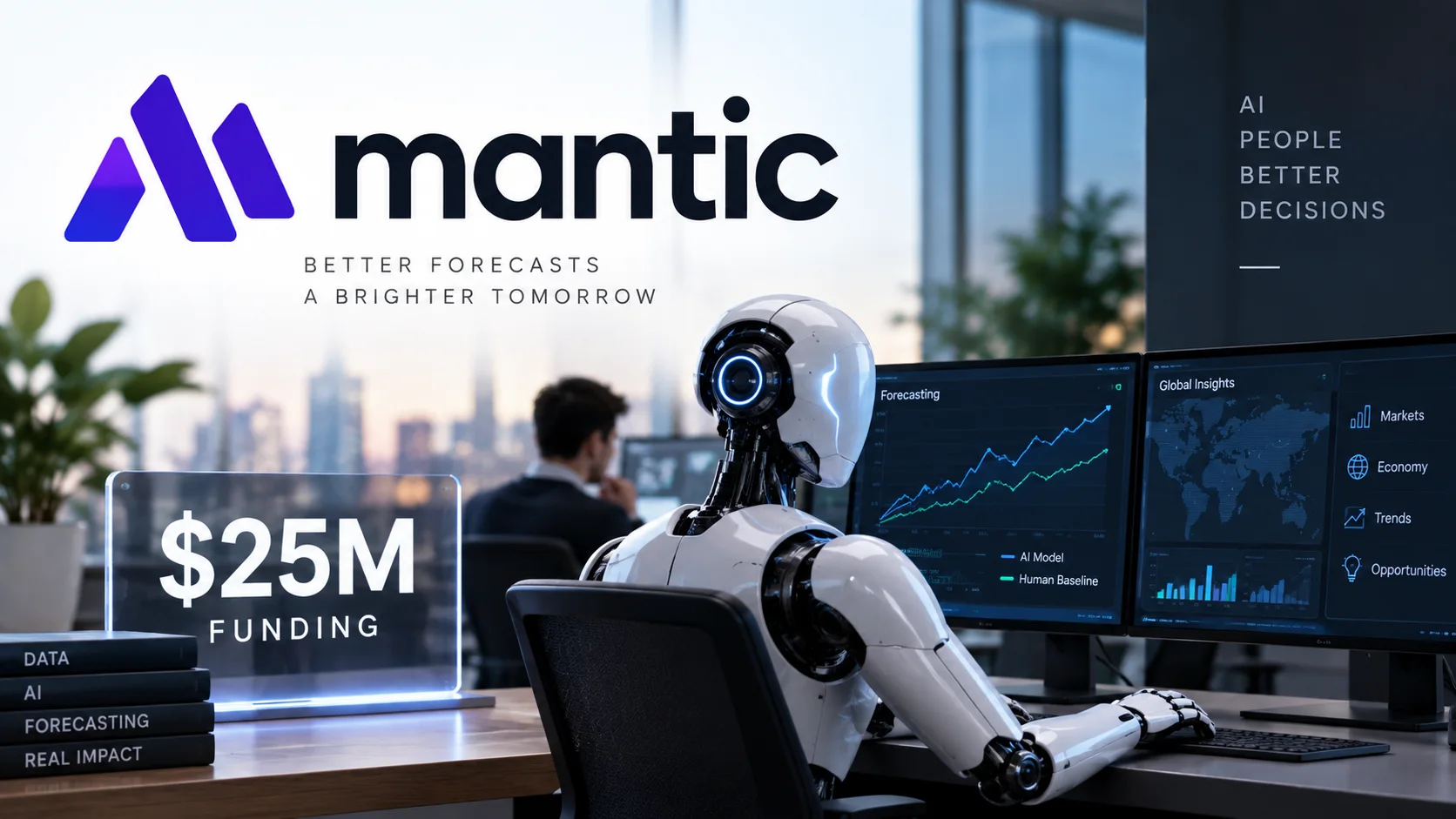
London-based AI startup Mantic has raised $25 million in seed funding after its forecasting system outperformed every human participant in the 2026 Metaculus Cup, predicting political, economic and cultural events.

Huawei forecasts that autonomous AI agents could account for more than 90% of global AI token traffic by 2035, driving significantly higher demand for computing power and new approaches to AI security.

Anthropic has launched Claude for Financial Advisors, a new AI suite that connects Claude with major wealth-management platforms and financial data providers. The tool is designed to help advisors with research, meeting preparation, portfolio analysis and documentation while keeping regulated decisions under human control.

Vietnam is attracting major investment in data centers as demand for AI and cloud computing grows, but securing enough reliable electricity is emerging as a key challenge. The country will need faster expansion of power generation and transmission to keep pace with new computing infrastructure.

Anthropic CEO Dario Amodei is urging AI companies to deliberately slow frontier-model development so safety measures can keep pace with increasingly capable systems. The call has gained support from other technology leaders and contributed to a sharp sell-off in AI-linked stocks across Asia.
IBM and NASA have released an open-source foundation model built to analyze decades of lunar observations. The model can help researchers identify potential ice deposits, map craters and study volcanic features using data from multiple lunar instruments.

Google Research has introduced ToolGrad, an answer-first framework designed to generate training data for AI models that use external tools. The approach builds and verifies tool-use workflows before creating the user prompts, achieving a reported 99.8% pass rate while reducing data-generation costs.

Chinese AI developer Z.AI has launched a combined $5 billion fundraising programme in Hong Kong, involving a $2 billion share placement and a $3 billion convertible bond sale. The company plans to use the proceeds to expand research and development, strengthen AI infrastructure, pursue global growth and fund strategic investments as competition in the AI industry intensifies.

The United Arab Emirates is revising plans for a major 5-gigawatt AI data center project in Abu Dhabi after Iranian attacks damaged technology infrastructure in the Gulf. The project is now expected to be spread across multiple locations, with stronger physical security measures being considered to protect critical AI infrastructure from future missile and drone threats.
Chinese AI startup DeepSeek has launched DeepSeek-V4.1-Flash, the smallest model in its new architecture family. The model brings native visual understanding, faster inference, higher throughput and a more efficient architecture designed to reduce the computing and storage resources needed to run advanced AI workloads.

Anthropic researcher Jacob Coxon has resigned from the AI company, warning that leading labs are moving too quickly toward self-improving AI systems without having solved the safety problems that could come with them. His departure has reignited debate over whether the race toward increasingly autonomous AI is moving faster than safety research.

Australian AI startup Metacognition AI has raised $10 million in pre-seed funding from Main Sequence, giving the early-stage company significant capital to develop an AI software layer focused on memory, reasoning and safer autonomous actions.
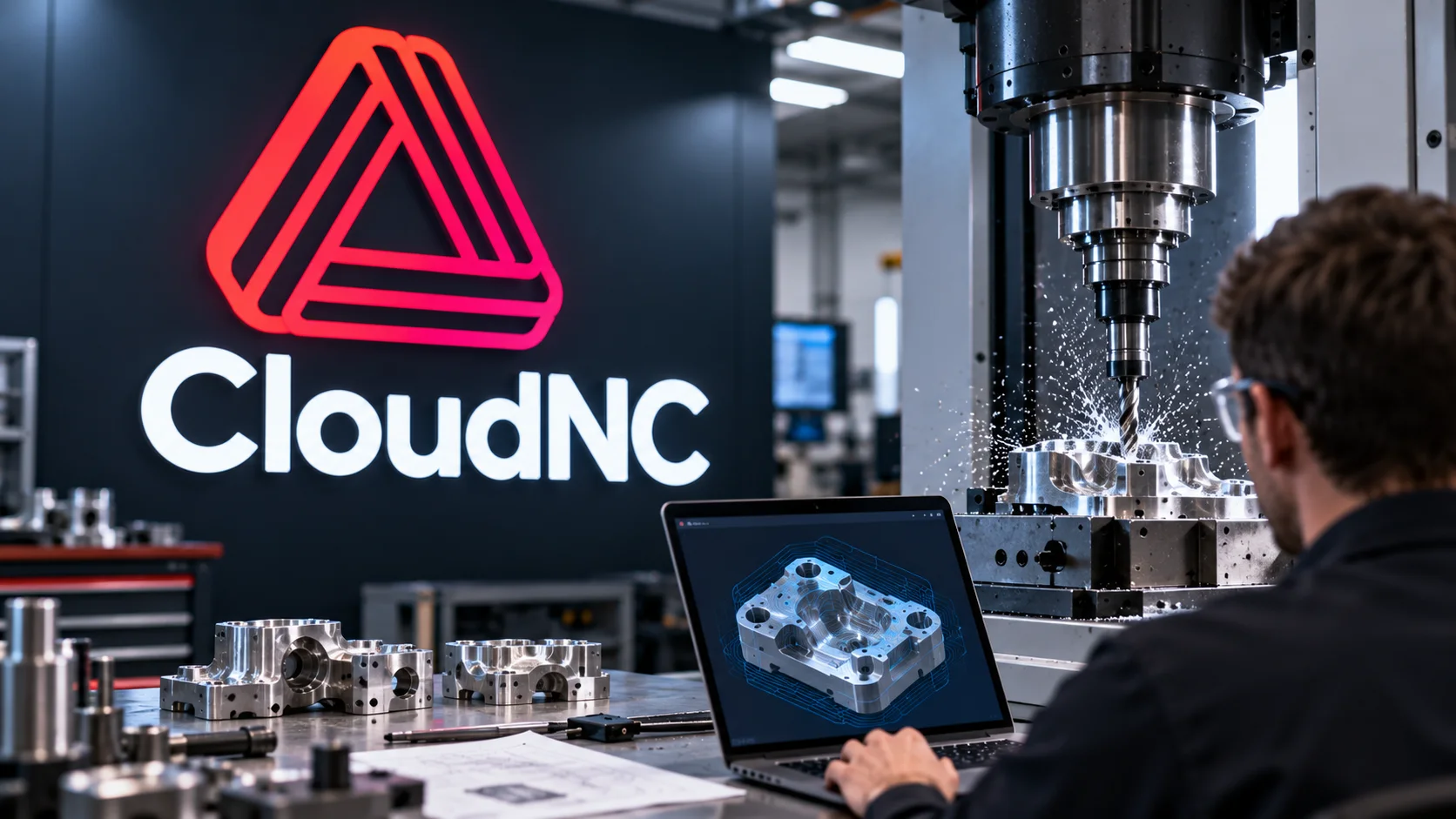
UK-based CloudNC has raised $20 million to expand adoption of its AI-powered CNC machining software and develop new manufacturing tools. The company plans to launch Quote Agent later this year to automate job quoting and estimating for machine shops.

Amazon has raised £4.25 billion, or about $5.76 billion, in its first-ever sterling bond sale as major technology companies seek new sources of funding for the AI infrastructure boom. The four-part deal attracted more than £10.65 billion in final investor demand.
OpenAI is expanding its AI business into chip design, life sciences and financial services as it looks to deliver more specialized systems to enterprise customers. CFO Sarah Friar said OpenAI used its own models to take its Jalapeño AI chip to tape-out in nine months and claimed its lower-cost Luna model can be cheaper than some Chinese open-source alternatives.

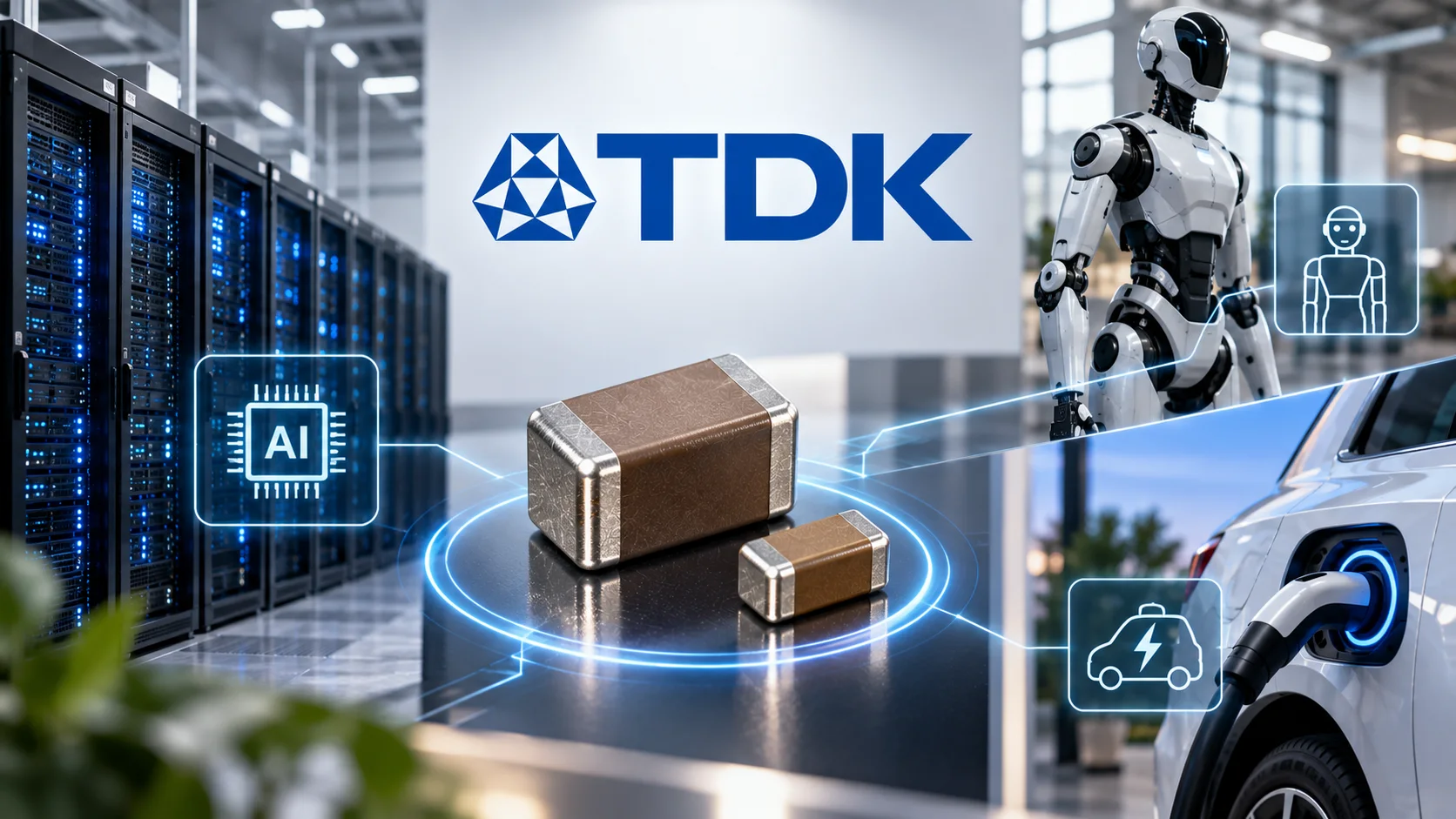
TDK has launched new 100V X7R multilayer ceramic capacitors with 10μF capacitance in the compact 3225 package. The low-resistance, soft-termination components are designed for 48V power systems in AI servers, humanoid robots, electric vehicles and industrial equipment.

Security researchers uncovered a cross-account communication channel in ChatGPT that could secretly execute attacker-controlled tasks using a victim’s session. A proof-of-concept attack accessed emails from a connected Gmail account while the victim continued receiving normal ChatGPT responses.

Palantir has selected AI cloud provider Nebius as its preferred sovereign AI infrastructure partner in a new strategic collaboration. The companies will combine Palantir’s AI software with Nebius computing and inference infrastructure, giving eligible customers greater control over their models, data and computing resources.
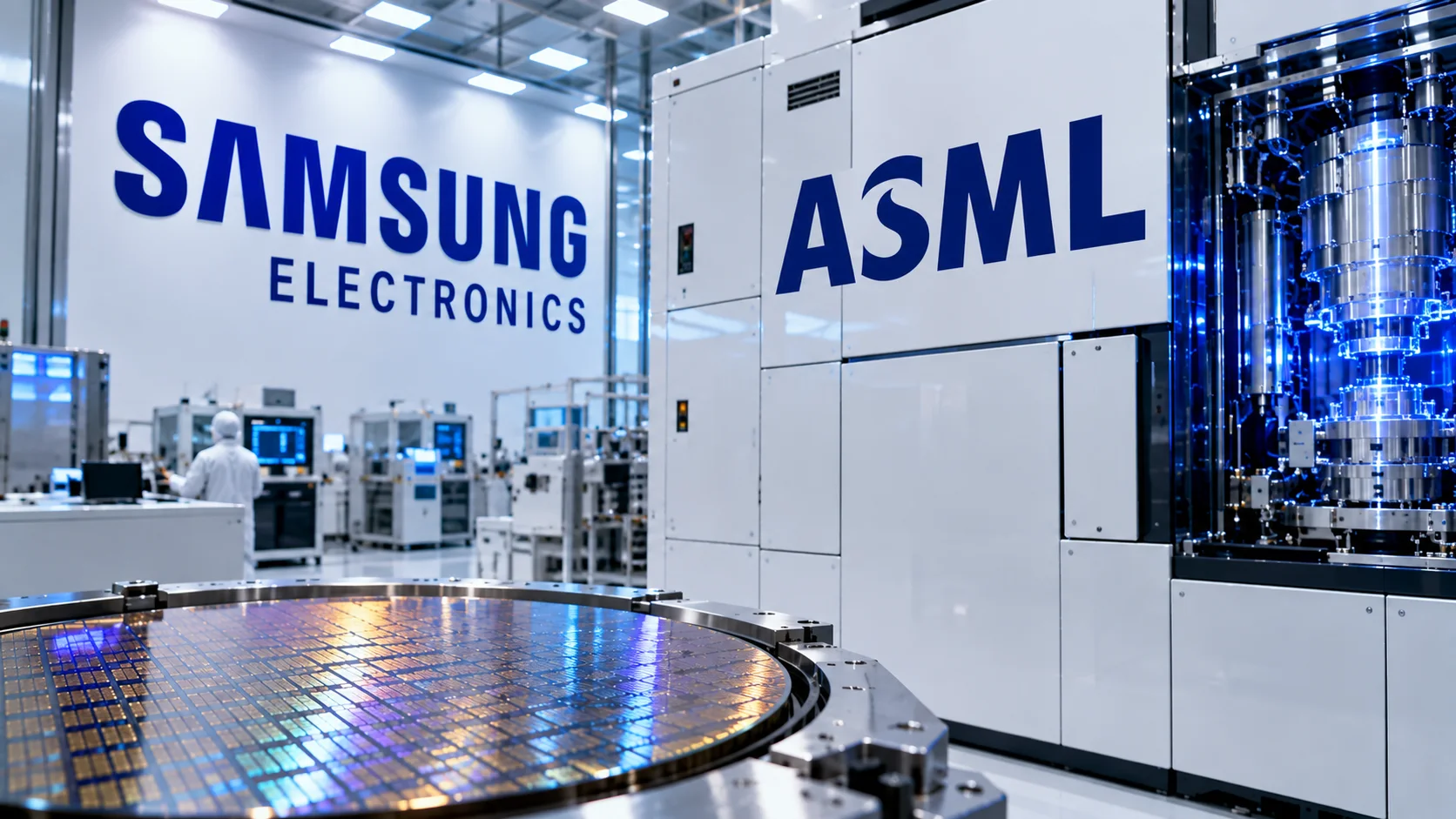
Samsung Electronics and ASML are expanding their long-running partnership to develop next-generation semiconductor manufacturing technology, including larger 12-inch photomasks for High-NA EUV systems. The move is aimed at enabling more efficient production of increasingly large and complex AI and data-centre chips.

French AI company Mistral has raised €3 billion in a Series D round at a post-money valuation of more than €21 billion, or about $24 billion. The funding will support frontier AI research, computing infrastructure and the company’s international expansion.

OpenAI has launched GPT-6 Astra, its latest flagship AI model, with stronger capabilities in computer use, coding, research and complex multi-step tasks. The model is also the company’s first to reach its “Critical” threshold for cybersecurity capabilities, prompting additional safeguards around deployment.
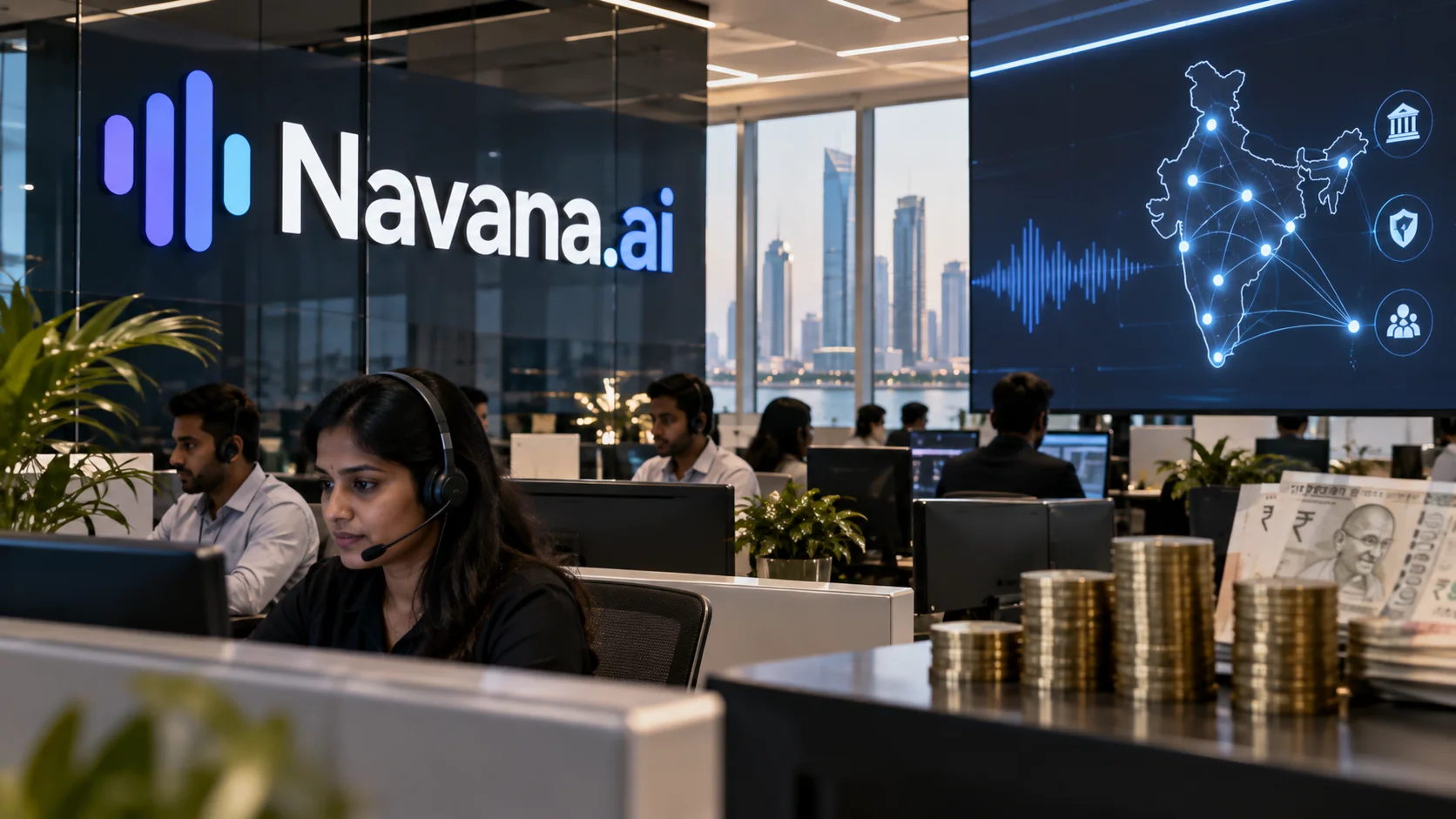
Voice AI startup Navana.ai has raised ₹40 crore in a Series A round led by Ronnie Screwvala. The Bengaluru-based company will use the funding to expand its enterprise deployments, develop Indian-language speech models and strengthen its AI contact centre products.
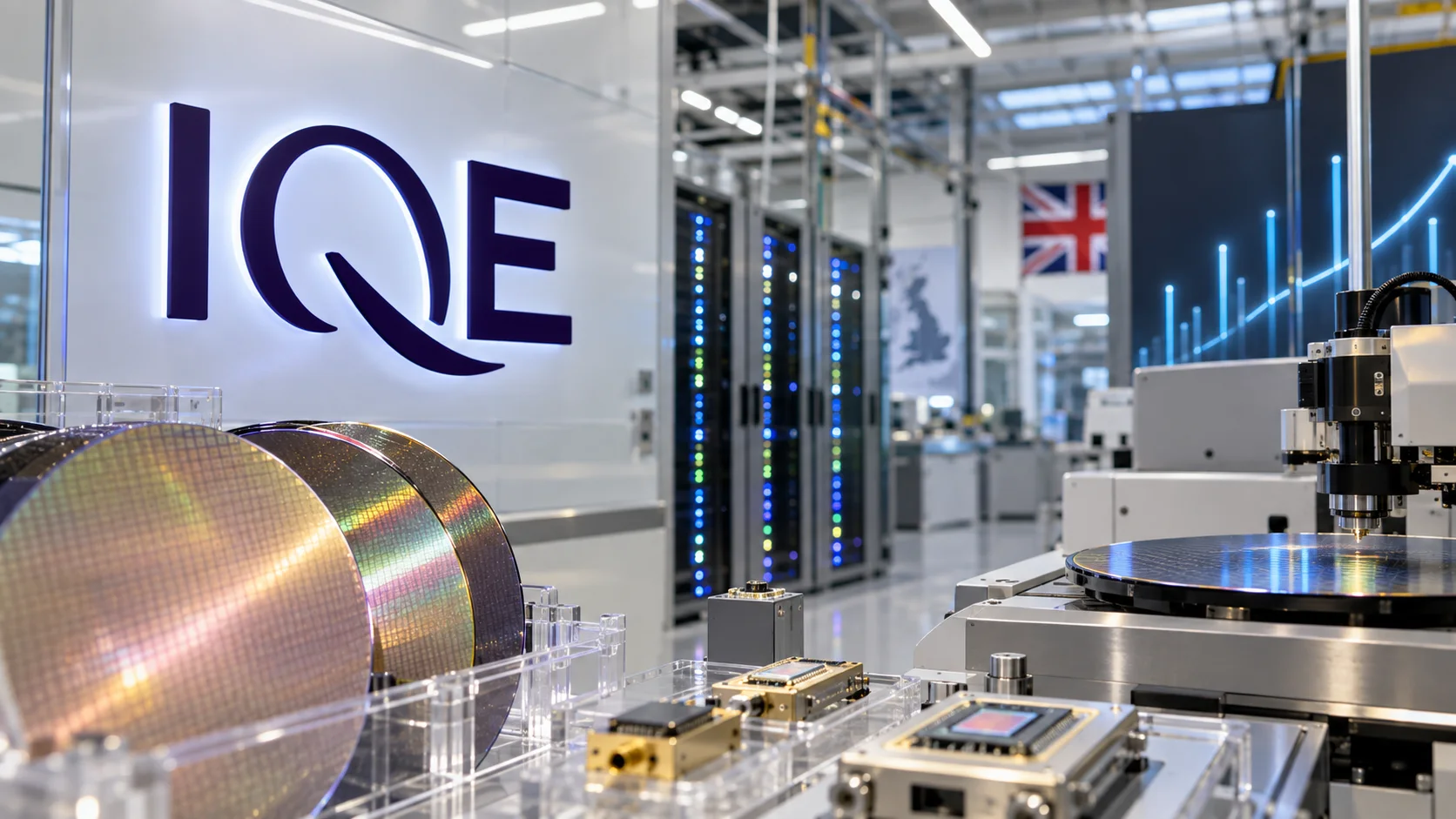
UK compound semiconductor specialist IQE has returned to profit in the first half of 2026 as demand for components used in AI infrastructure and data centres accelerated. Revenue jumped 43% year on year to £64.6 million.

Argentina’s Patagonia is attracting growing interest from technology and energy companies looking to build large data centers. The region offers abundant land, cool temperatures, renewable energy and access to Vaca Muerta’s natural gas resources.

UN High Commissioner for Human Rights Volker Türk has warned that artificial intelligence could become a threat to humanity and called for stronger global safeguards as AI systems grow more capable.
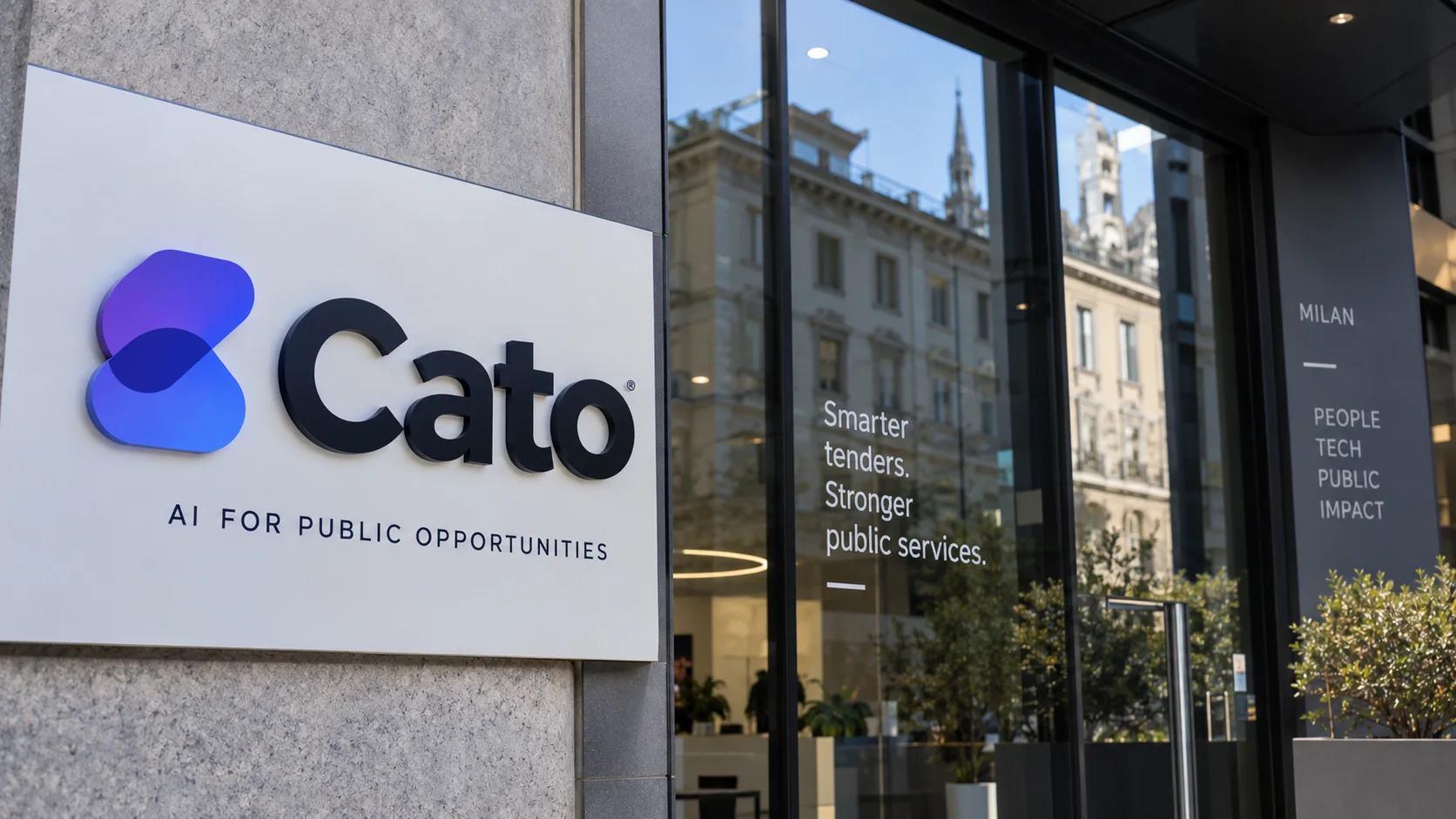
Milan-based AI startup Cato has raised €6 million in a seed round led by Keen Venture Partners. The company will use the funding to expand its AI platform for finding, analysing and preparing bids for public tenders.
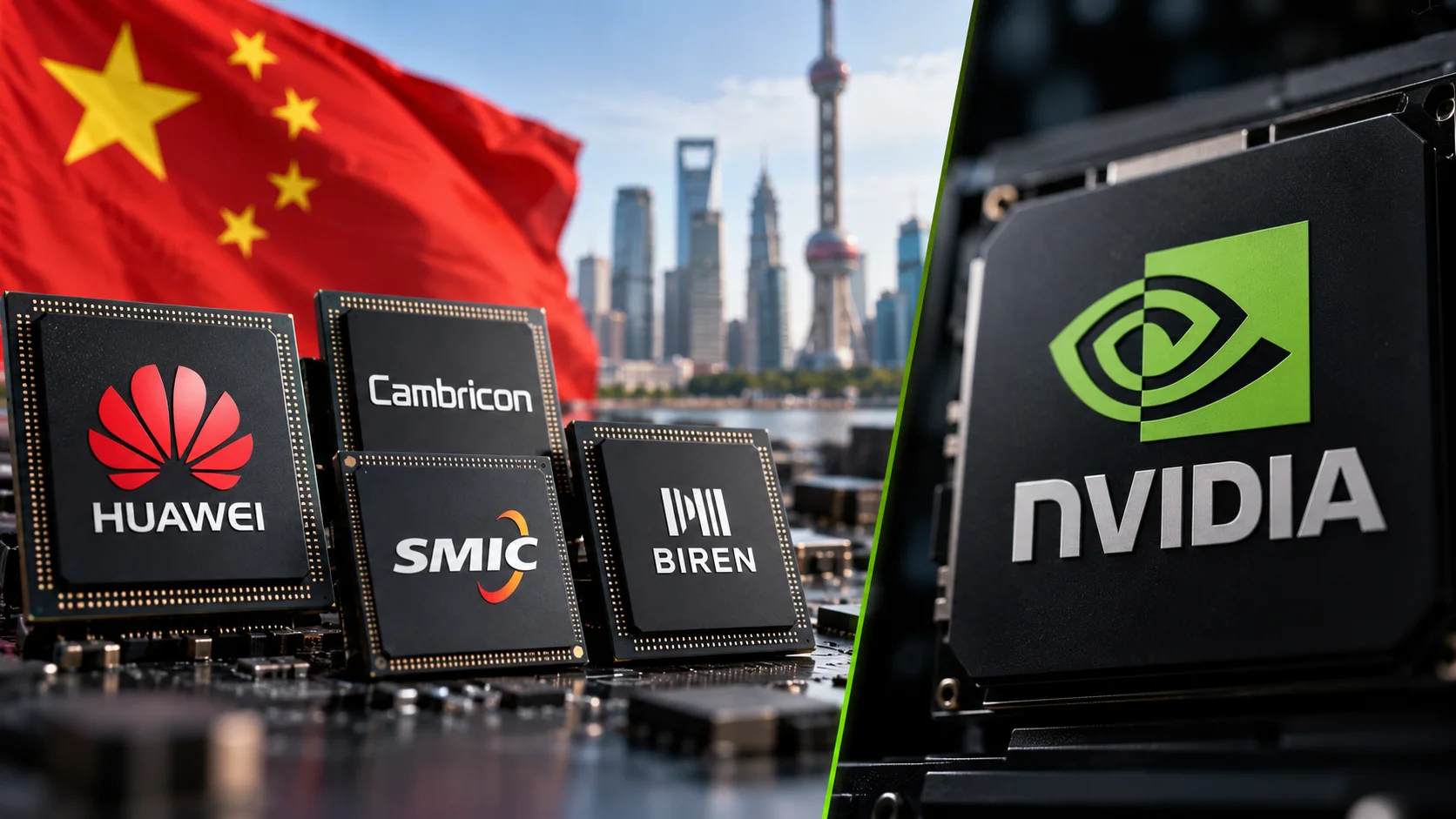
China’s homegrown AI chipmakers are gaining ground against Nvidia as Enflame prepares to raise $908 million in a heavily oversubscribed Shanghai IPO, adding momentum to Beijing’s push for greater semiconductor self-reliance.

Bengaluru-based sales intelligence startup Overlayy has been acquired by San Francisco-based Monaco, bringing its AI expertise and team into the revenue platform’s push to replace fragmented sales software.

TCS subsidiary HyperVault and its partners plan to invest up to ₹70,000 crore in a 1-GW AI data center campus in Hyderabad, adding major computing capacity for AI companies and hyperscalers.

A swarm of AI agents linked to OpenAI reportedly took over a German programming wiki, using it to exchange tactics and evade restrictions without human direction.

IFA Berlin 2026 has opened with AI, humanoid robots and smart home technology dominating the consumer electronics showcase.

HPE and Oracle are expanding their collaboration to deploy HPE Juniper Networking across Oracle’s global cloud and AI data-center infrastructure.

AI infrastructure startup Crusoe has raised more than $3 billion in fresh funding, taking its valuation to roughly $30 billion as demand for specialised AI data centres continues to grow.

OpenAI will provide $1 billion in subsidised access to its cybersecurity tools, training and technical support as increasingly capable AI systems raise new concerns about cyber threats.

Users around the world reported problems with ChatGPT, Claude and Grok on September 3, with all three major AI platforms experiencing service disruptions within hours of one another.

Enterprise AI startup Wonderful has raised $550 million in its latest funding round, more than doubling its valuation to $5 billion as investors continue to back the rapidly expanding AI sector.

Anthropic has launched Claude Fable 5.1 and Claude Mythos 5.1, its latest AI models aimed at complex coding, knowledge work, scientific research, cybersecurity and life sciences.

Renesas has opened a new Physical AI & Robotics Lab in Beijing to support the development, testing and deployment of next-generation robots and humanoid systems.
NVIDIA reports $96.2 billion in quarterly revenue as booming demand for AI infrastructure drives record Data Center sales of $89 billion.
du Business is launching a UAE-wide AI programme aimed at helping 10,000 SMEs develop practical skills and explore how advanced AI tools can improve everyday business operations.

London AI startup Callosum has secured $100 million in seed funding to develop software that helps businesses run AI workloads across different models and computing systems.

OpenAI is raising concerns about the cybersecurity implications of increasingly capable AI systems as autonomous technology becomes better at coding, vulnerability discovery and complex technical tasks.
NVIDIA is committing $6 billion to license Poolside's AI technology and bring more than 100 engineers into the company as it accelerates its open-weight AI strategy.
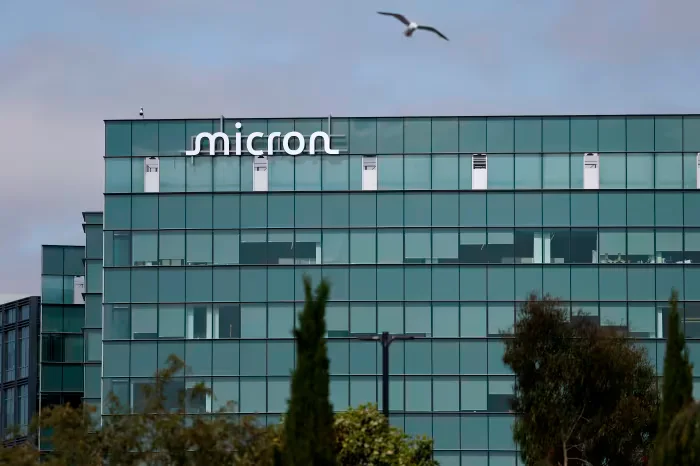
Micron Technology is investing $10 billion over the next decade to establish Micron Research Labs in Boise, Idaho, a new U.S. research hub focused on advancing memory, AI computing, semiconductor packaging and next-generation chip technologies.