Huawei Predicts AI Agents Could Dominate More Than 90% of AI Traffic by 2035
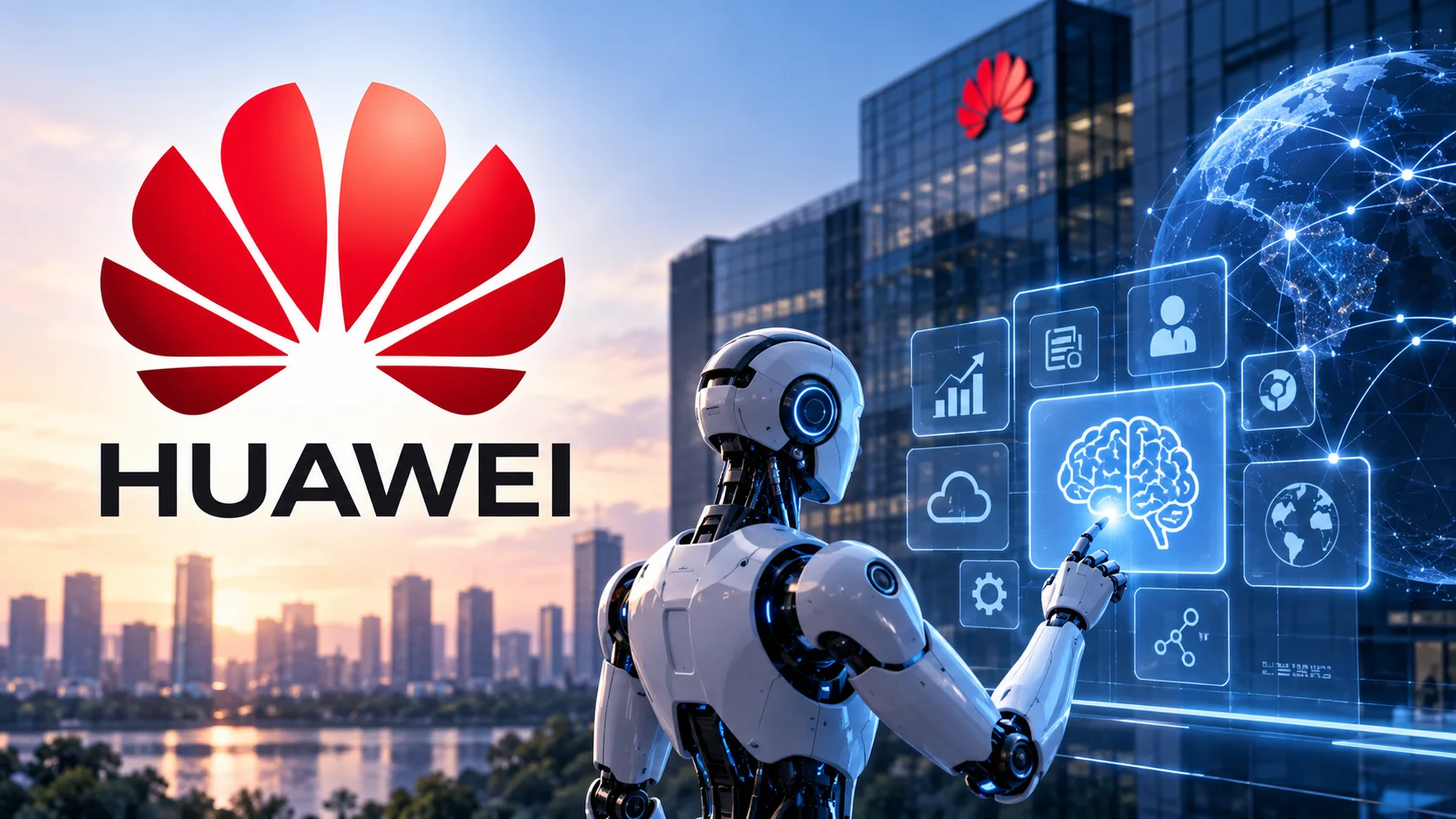
Autonomous AI agents could account for more than 90% of global AI token traffic by 2035, according to a forecast from Huawei. The company expects the rapid adoption of agentic AI systems to significantly change how AI infrastructure is used, with autonomous systems handling increasingly complex tasks and interacting with other AI models and digital services.
Huawei also estimates that AI agents could generate billions of AI-agent instances over the coming decade. Unlike conventional AI interactions, agents can operate through multiple steps, using tools, exchanging information and completing tasks with less direct human intervention.
AI Agents Could Reshape Future AI Traffic
Huawei expects the share of AI traffic generated by autonomous agents to rise sharply as businesses and consumers increasingly use systems capable of performing tasks rather than simply responding to individual prompts.
Agentic systems can break down a goal into multiple actions, call external tools and services, and continue working across several stages. That can result in substantially more AI-token consumption than a simple question-and-answer interaction.
Growing Demand for Computing Power
The shift toward agentic AI is also expected to put additional pressure on AI infrastructure. Huawei says AI agents will require significantly more computing resources because their workflows can involve repeated model calls, planning and interactions with multiple systems.
This could increase demand for advanced AI chips, networking infrastructure, memory and data-center capacity. As agents become more capable and are deployed across larger numbers of applications, the amount of computing required to support their activity could grow considerably.
Security Becomes a Bigger Challenge
Huawei also highlighted the security implications of a future dominated by autonomous AI systems. Agents capable of independently accessing tools and executing tasks create additional risks if their actions are not properly controlled.
The company says new security, governance and control mechanisms will be needed as agentic AI becomes more widespread. These systems will need ways to manage permissions, monitor actions and prevent autonomous processes from carrying out unintended or unauthorised activities.
AI Infrastructure Faces a New Growth Phase
Huawei's forecast points to a potential shift in the economics of AI infrastructure. Instead of computing demand being driven primarily by people sending prompts to AI models, a growing portion could come from AI systems communicating with models and digital services on behalf of users.
If the company's forecast materialises, AI infrastructure providers will need to prepare for workloads that are more continuous, interconnected and computationally intensive. The rise of autonomous agents could therefore influence not only AI software development but also the chips, networks and security systems supporting the next generation of AI services.