Semiconductor
US Plans $389 Million in Power Semiconductor and Materials Research Awards
The US plans up to $389 million in research awards for four companies developing power semiconductors and critical materials for energy and computing.

Semiconductor industry news covering chips, processors, manufacturing and major investments.
The US plans up to $389 million in research awards for four companies developing power semiconductors and critical materials for energy and computing.
Samsung and SK Hynix are upgrading Chinese plants for advanced NAND chips as US export controls and competition from YMTC complicate their plans.
Samsung is reportedly preparing to use TSMC’s 3nm process for base dies in Nvidia’s custom NVHBM memory, potentially bringing two chipmaking rivals together.

China proposes export controls on 23 AI technologies, including advanced models and agents, as part of a wider plan covering 40 technologies.

Japan plans up to $21 billion for two GlobalFoundries chip factories in New York, expanding US semiconductor capacity and supply-chain resilience.

German semiconductor startup Ubitium has raised $14 million to develop a reconfigurable processor combining AI inference, signal processing and real-time control on one chip.

pSemi has introduced two compact RF front-end modules designed to improve 2.4 GHz connectivity in Bluetooth, Zigbee and Thread devices.
Nvidia has released a security fix for CVE-2026-47483, a high-severity vulnerability in its Data Center GPU Manager (DCGM) Exporter software. The flaw could allow unauthenticated attackers to disrupt GPU monitoring and potentially expose information on affected servers. The issue is particularly relevant to AI infrastructure operators running exposed GPU monitoring services.
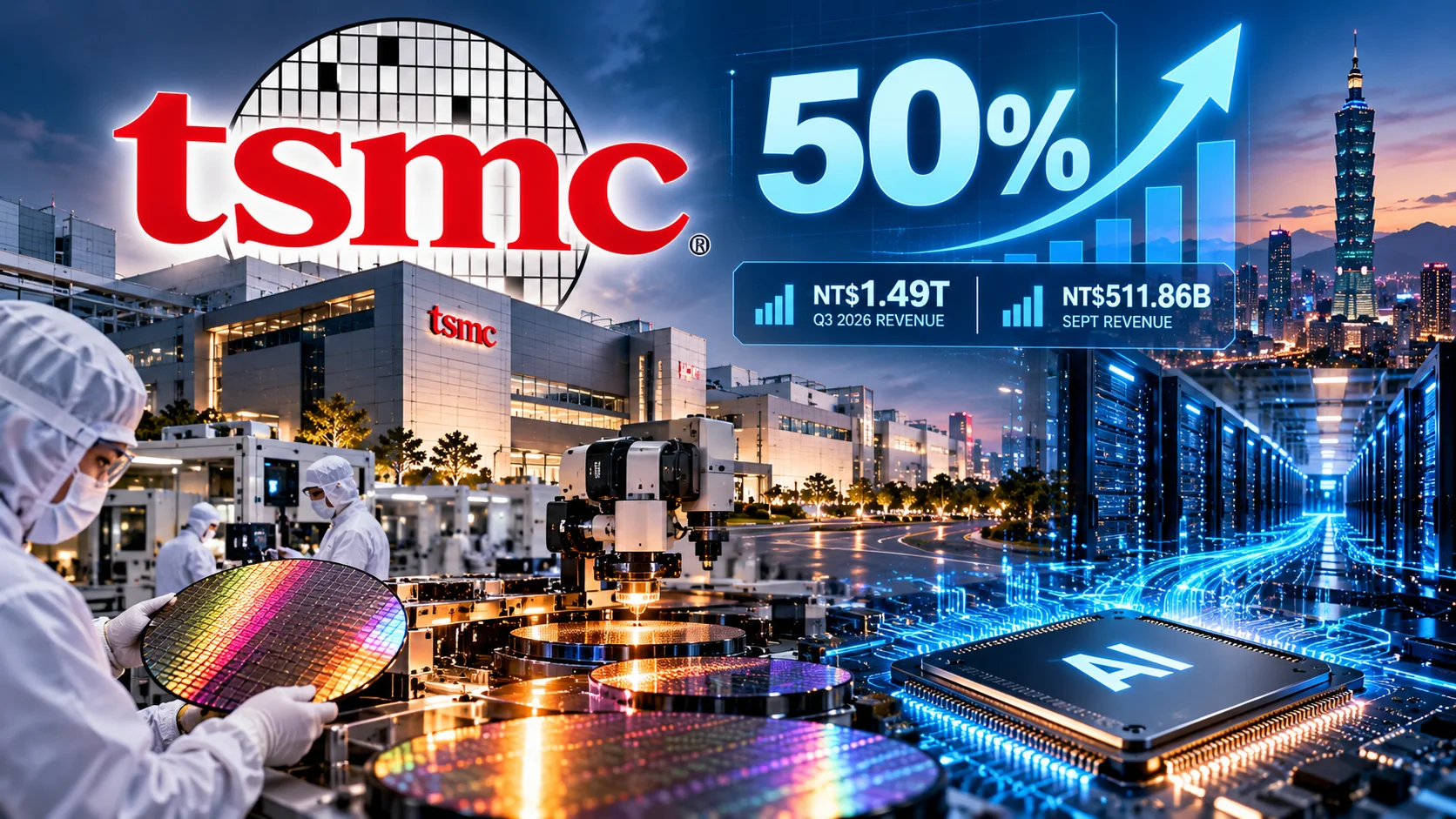
Taiwan Semiconductor Manufacturing Co. (TSMC) posted record third-quarter revenue of NT$1.49 trillion ($46.71 billion), up 50% year over year, as demand for chips powering artificial intelligence applications continued to surge. The result beat market expectations and highlights the strength of the AI-driven semiconductor cycle. TSMC, a major supplier to companies including Nvidia and Apple, is now preparing to provide its detailed earnings and outlook later this month.
Japanese semiconductor equipment maker Towa plans to build a new factory in Kyoto to increase domestic production of equipment used in advanced semiconductor assembly and packaging as AI chip demand grows.
Marvell Technology has raised its fiscal 2028 revenue forecast to about $20 billion and set a $70 billion to $90 billion target for fiscal 2031, driven by demand for custom AI chips and data-center connectivity.

Broadcom’s AI semiconductor revenue jumped 221% year over year in its latest quarter as demand for custom AI accelerators and networking hardware from major AI companies continues to accelerate.
TSMC is reportedly exploring a multibillion-dollar semiconductor campus in Texas, with Elon Musk’s Terafab project emerging as a potential anchor customer as AI chip demand drives capacity expansion.
Broadcom and Japan’s TOPPAN have opened Singapore’s first facility for high-end FC-BGA substrates, adding advanced packaging capacity as AI and networking chip demand rises.

Thailand has approved its first national semiconductor strategy, targeting $80 billion in cumulative investment and more than 230,000 new jobs by 2050.
SEMICON India 2026’s second day saw 25 MoUs, partnerships and technology announcements spanning chip manufacturing, materials, packaging, power electronics, logistics, design and workforce development
Chinese memory-chip maker CXMT is preparing to expand into NAND flash, putting it in competition with Samsung, SK Hynix, Micron and domestic rival YMTC as AI demand tightens global memory supplies.
Anderon, an IBM company, has finalized a $1 billion CHIPS and Science Act award from the U.S. Department of Commerce to advance a U.S.-based 300mm pure-play quantum wafer foundry.
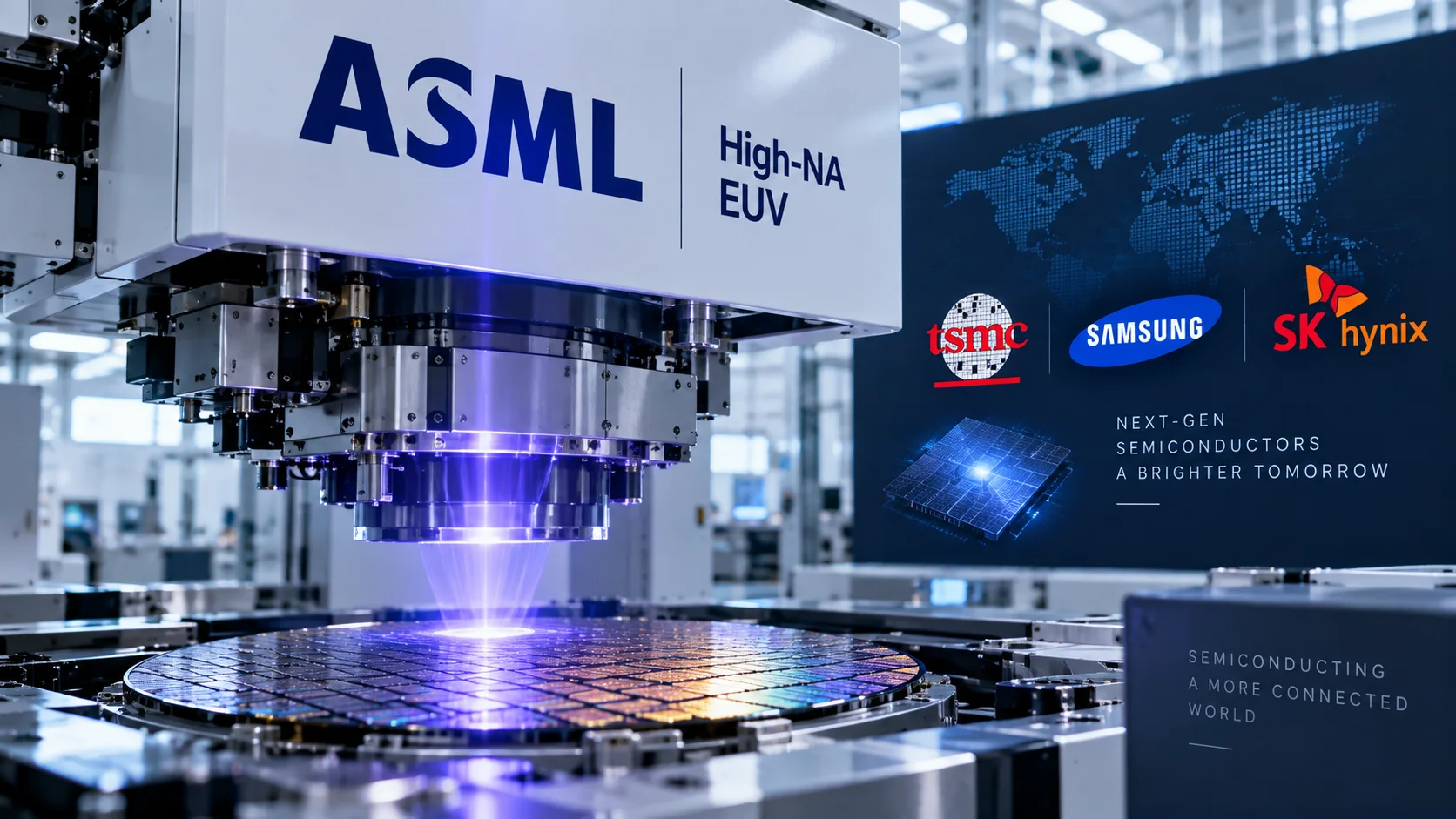
ASML’s customers are increasingly preparing to deploy its next-generation High-NA EUV lithography systems, with each machine costing around $400 million. TSMC, Samsung and SK Hynix have plans for production use, while Intel is already testing the technology.
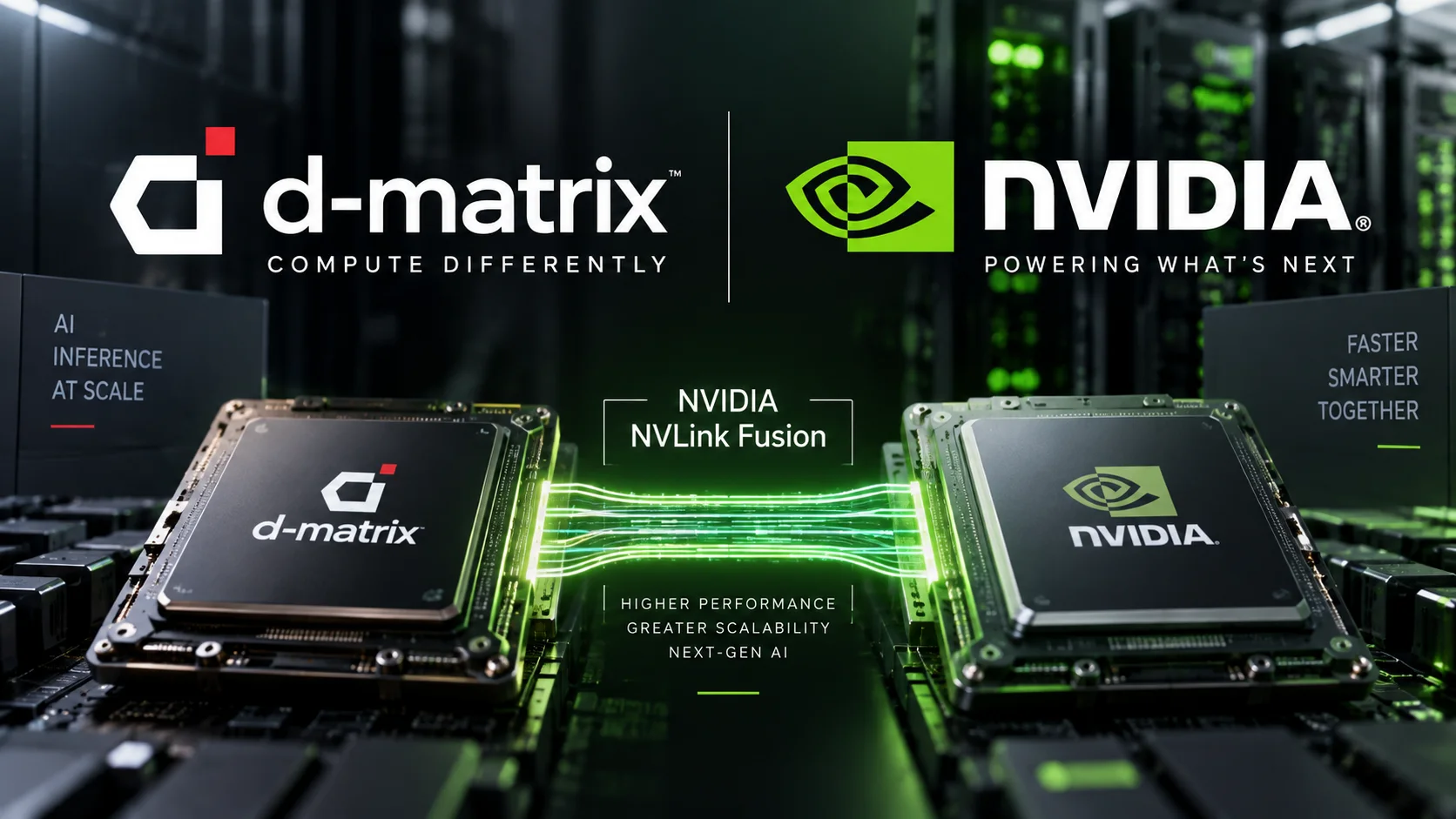
AI chip startup d-Matrix is adopting NVIDIA’s NVLink Fusion technology to connect its next-generation Raptor inference processors directly to NVIDIA’s data-center infrastructure. The partnership is expected to bring compatible systems to market in 2027.
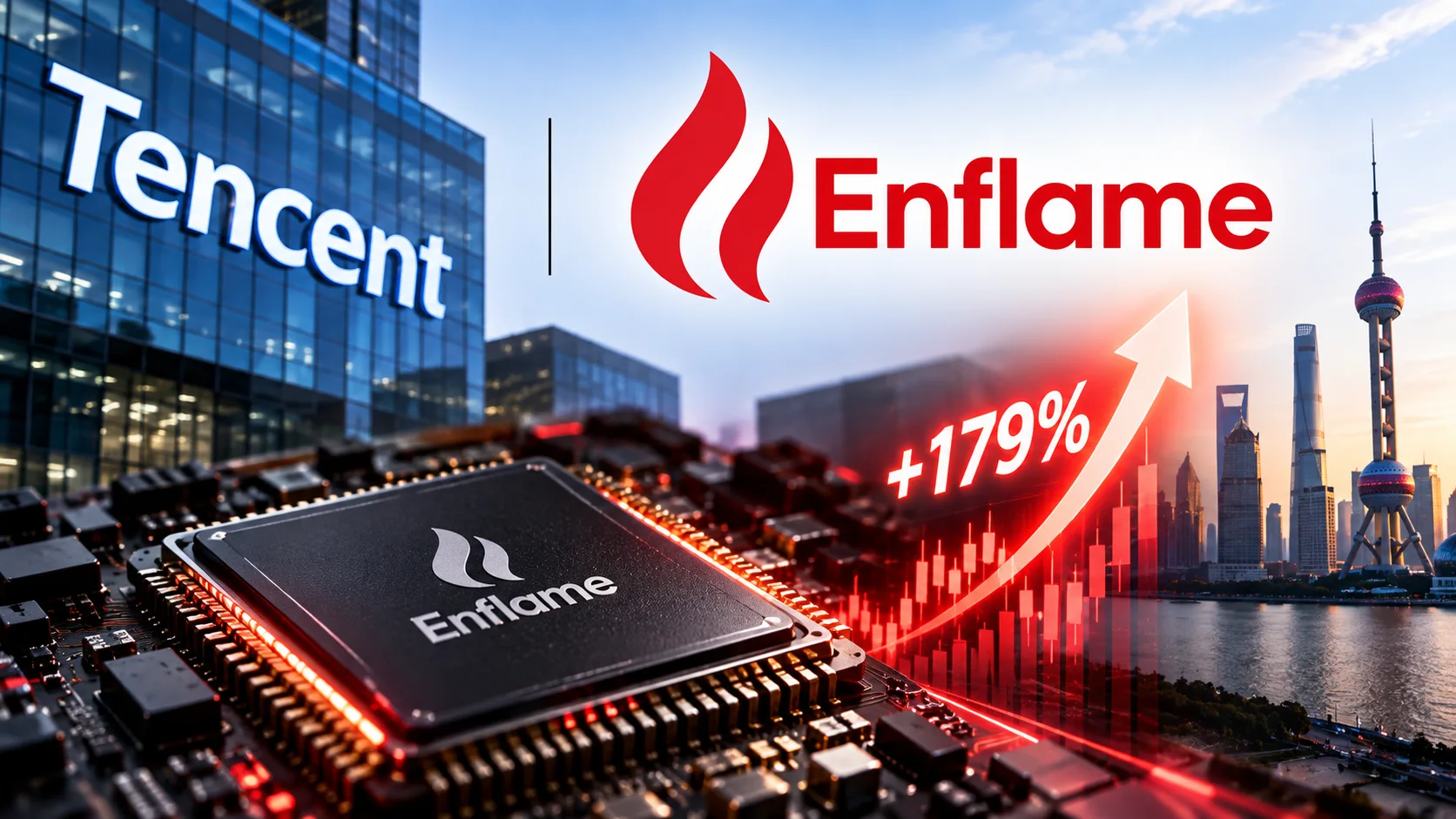
Tencent-backed AI chipmaker Enflame Technology made a spectacular debut on Shanghai's STAR Market, with its shares closing about 179% above their IPO price. The company raised around $912 million in the offering, pushing its market value to approximately 171 billion yuan as China accelerates efforts to build domestic alternatives to Nvidia's AI chips.
Analog Devices has agreed to acquire Alif Semiconductor for $1.35 billion in cash, expanding its edge AI capabilities as computing increasingly moves closer to physical devices. The deal combines Alif’s AI-focused processors with ADI’s expertise in sensing, signal processing and power management.
The U.S. government has finalized $775 million in CHIPS Act awards for quantum computing and semiconductor manufacturing, taking minority equity stakes in five recipients. GlobalFoundries will receive up to $375 million, while Rigetti, D-Wave, PsiQuantum and Quantinuum will each receive up to $100 million.

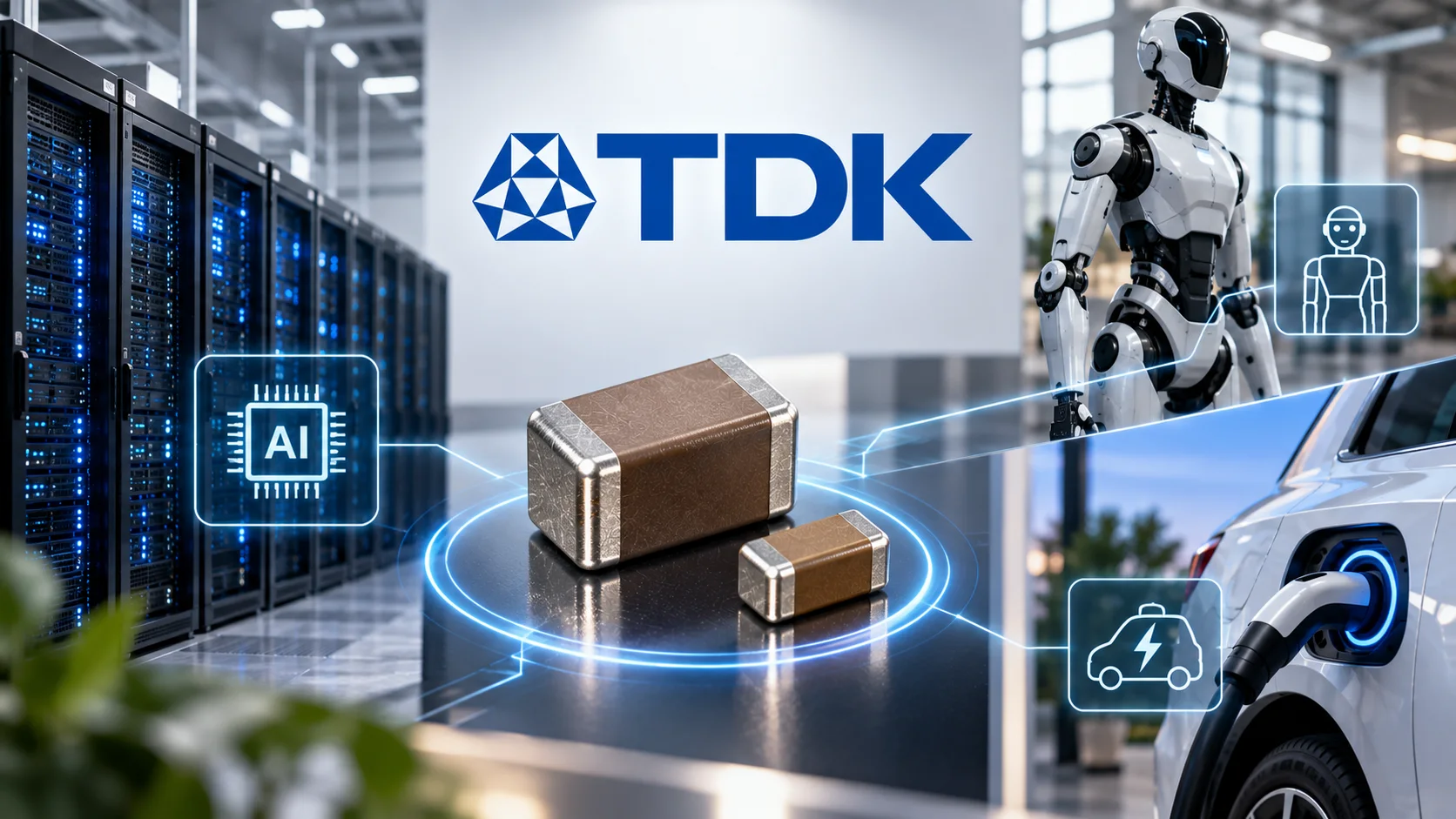
TDK has launched new 100V X7R multilayer ceramic capacitors with 10μF capacitance in the compact 3225 package. The low-resistance, soft-termination components are designed for 48V power systems in AI servers, humanoid robots, electric vehicles and industrial equipment.
Samsung Electronics and ASML are expanding their long-running partnership to develop next-generation semiconductor manufacturing technology, including larger 12-inch photomasks for High-NA EUV systems. The move is aimed at enabling more efficient production of increasingly large and complex AI and data-centre chips.
UK compound semiconductor specialist IQE has returned to profit in the first half of 2026 as demand for components used in AI infrastructure and data centres accelerated. Revenue jumped 43% year on year to £64.6 million.
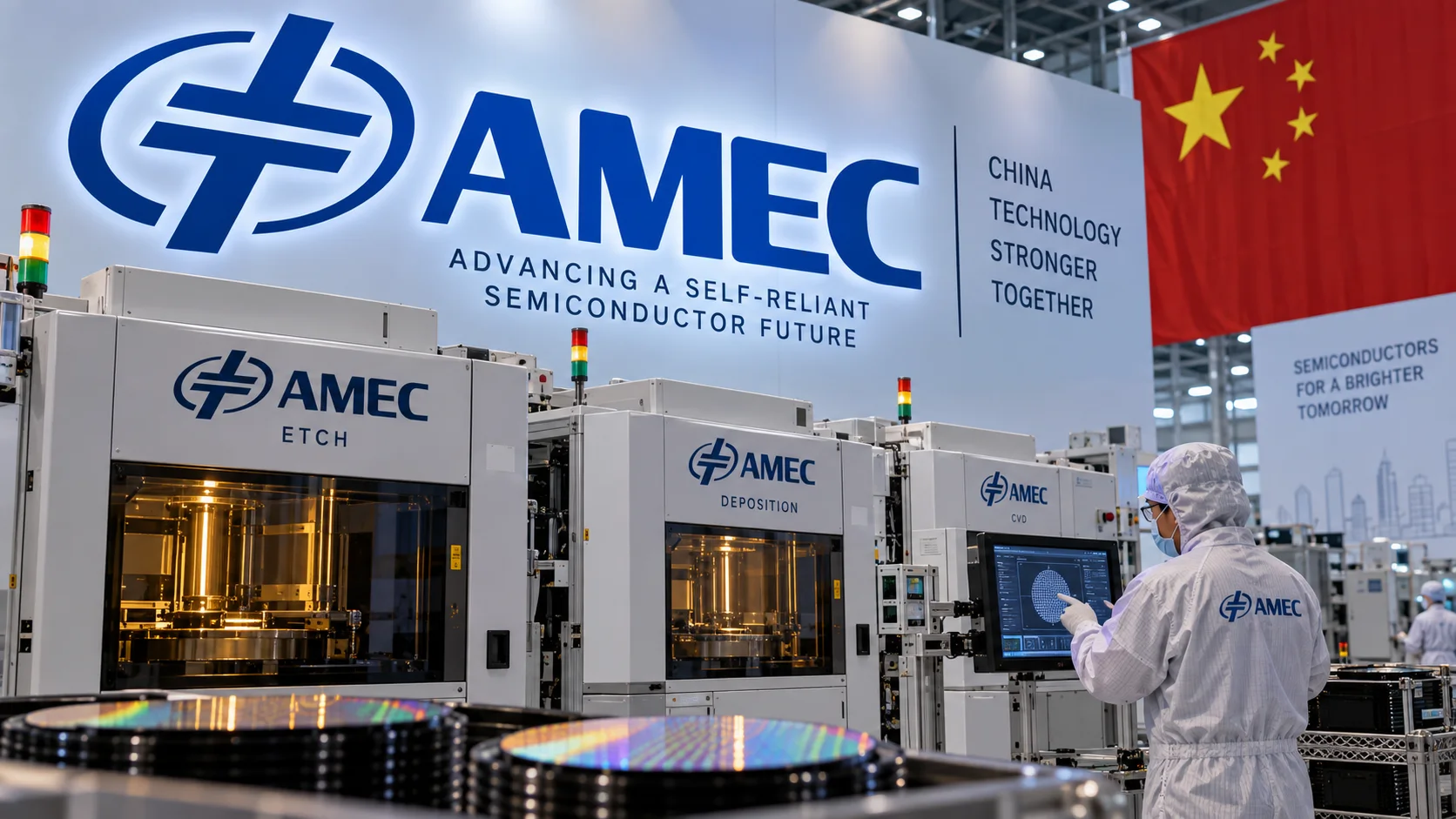
Chinese semiconductor equipment maker AMEC has unveiled six new chipmaking machines spanning etching, deposition and silicon-carbide production. The expansion is aimed at broadening its technology portfolio as China pushes for greater domestic semiconductor equipment supply.
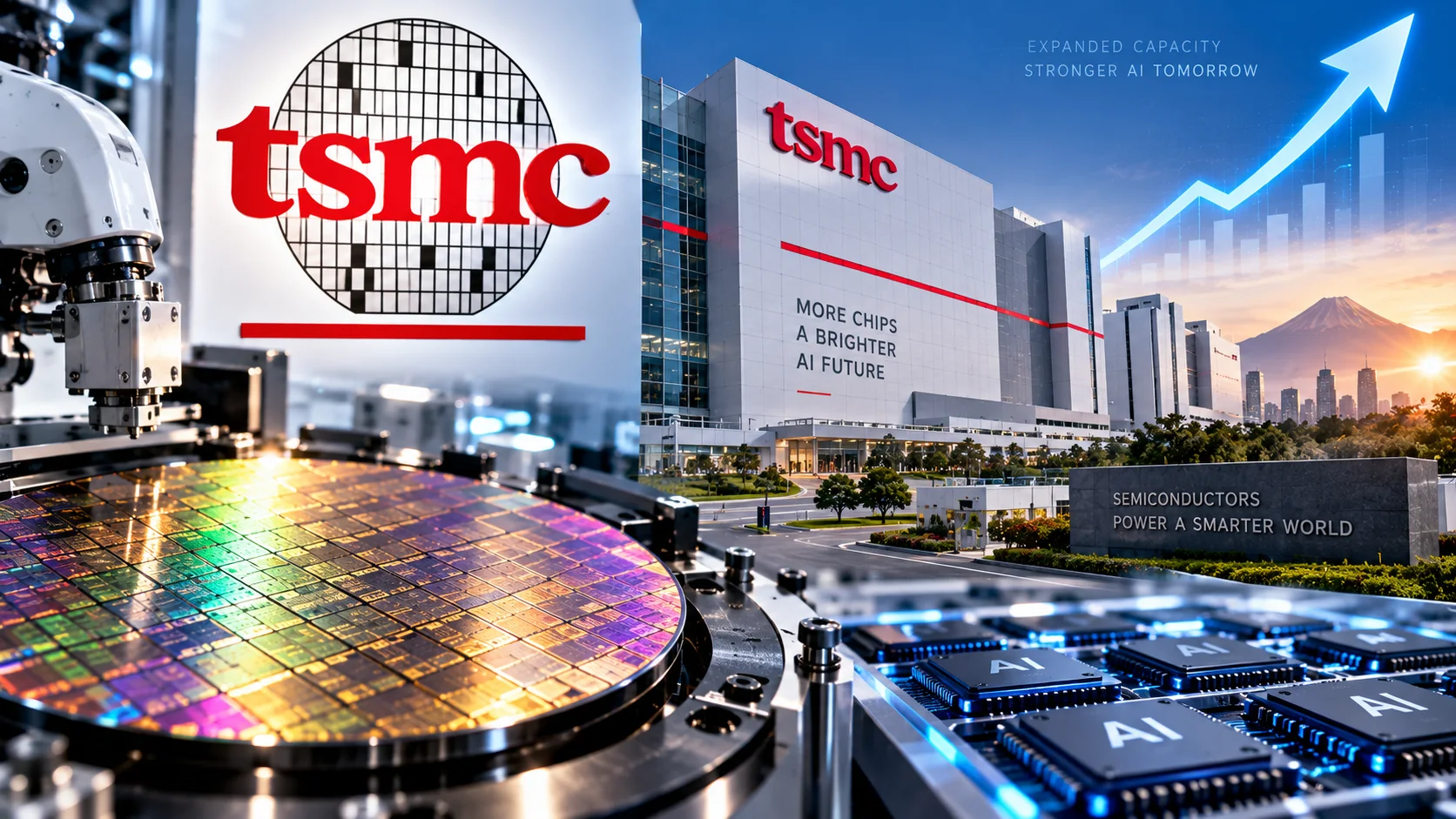
TSMC is building nearly 20 semiconductor fabs worldwide as AI demand accelerates, but equipment shortages and limited construction capacity are making it harder to expand production fast enough.

South Korea’s exports have reached $709.4 billion in 2026, surpassing the country’s full-year 2025 record as semiconductor shipments surge on global AI demand.
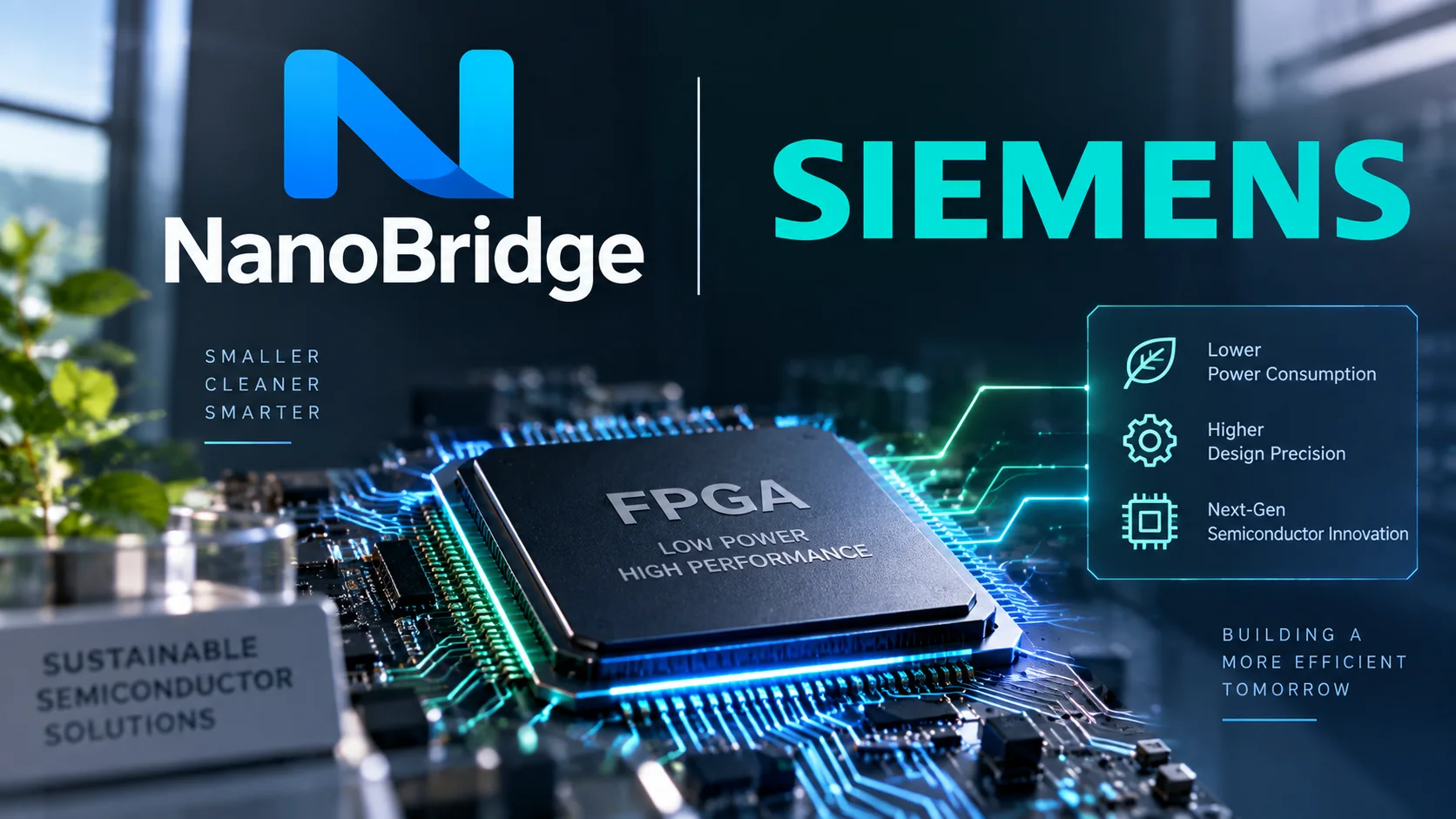
NanoBridge Semiconductor is adopting Siemens’ Precision FPGA Synthesis for its low-power FPGA devices targeting demanding environments.
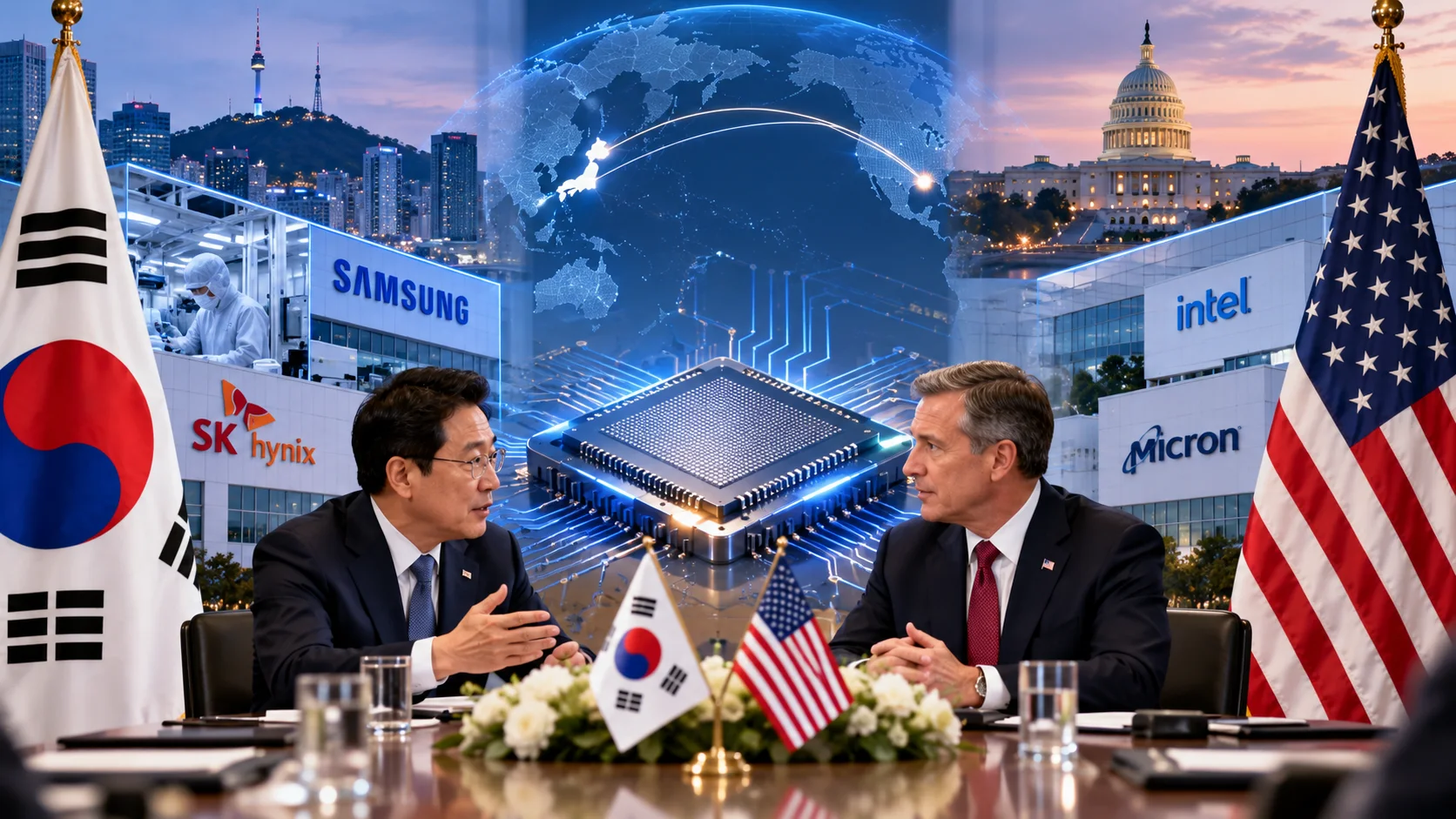
South Korea and the US are discussing semiconductor investments as Washington prepares new chip tariffs, with Korean manufacturers facing potential changes to their access to the US market.
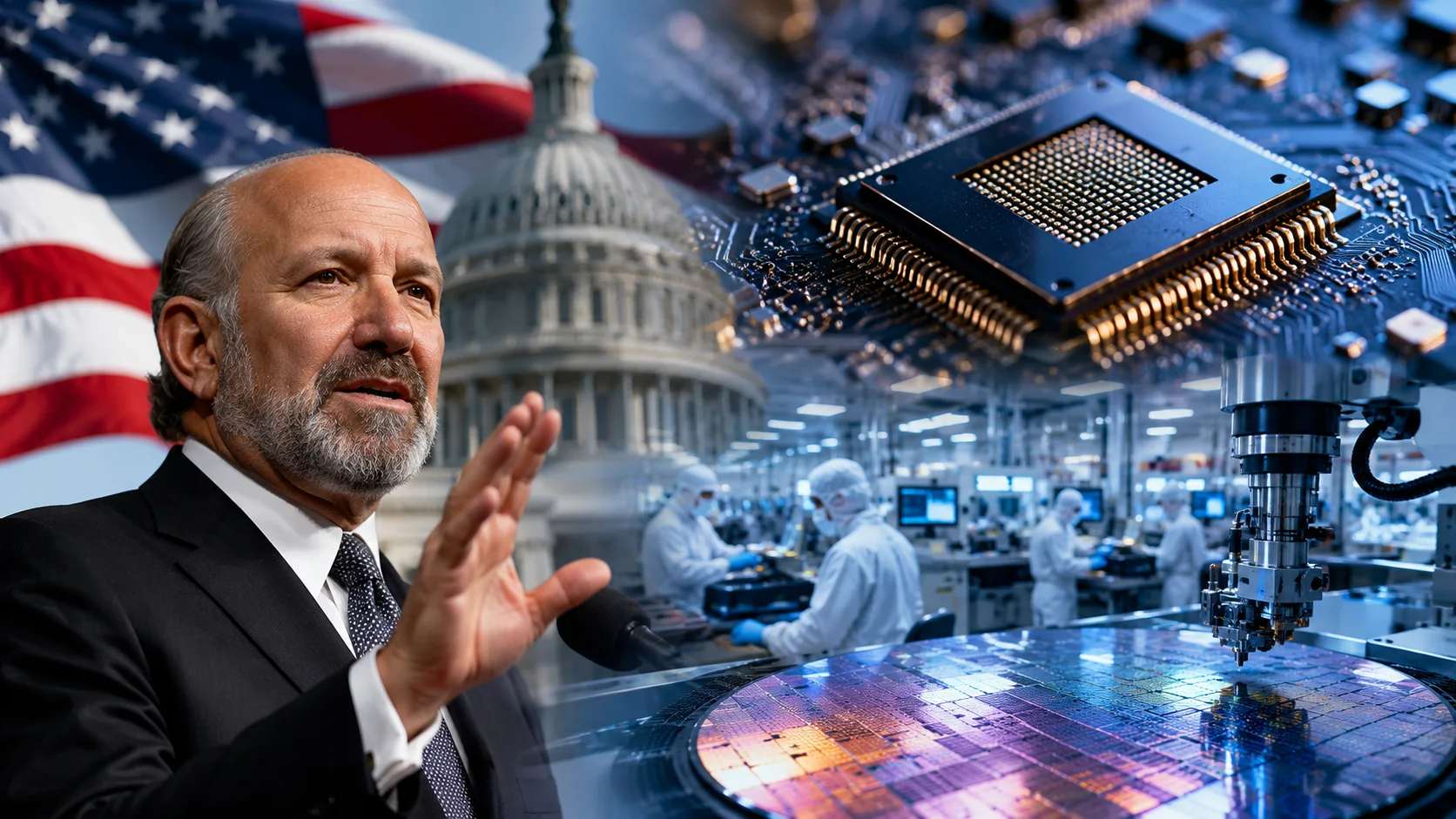
The Trump administration is preparing a new semiconductor tariff framework that could make overseas chip production more expensive while giving companies that manufacture in the US a path to avoid the duties.

Broadcom has lifted its outlook for AI chip revenue, signaling continued demand for custom processors and networking infrastructure as major technology companies expand their artificial intelligence investments. The stronger forecast comes alongside quarterly revenue guidance that fell slightly below Wall Street expectations.

NVIDIA has unveiled Jetson Orin Nano 2, a compact AI computing platform designed to deliver faster and more efficient processing for robots, drones and next-generation edge devices.
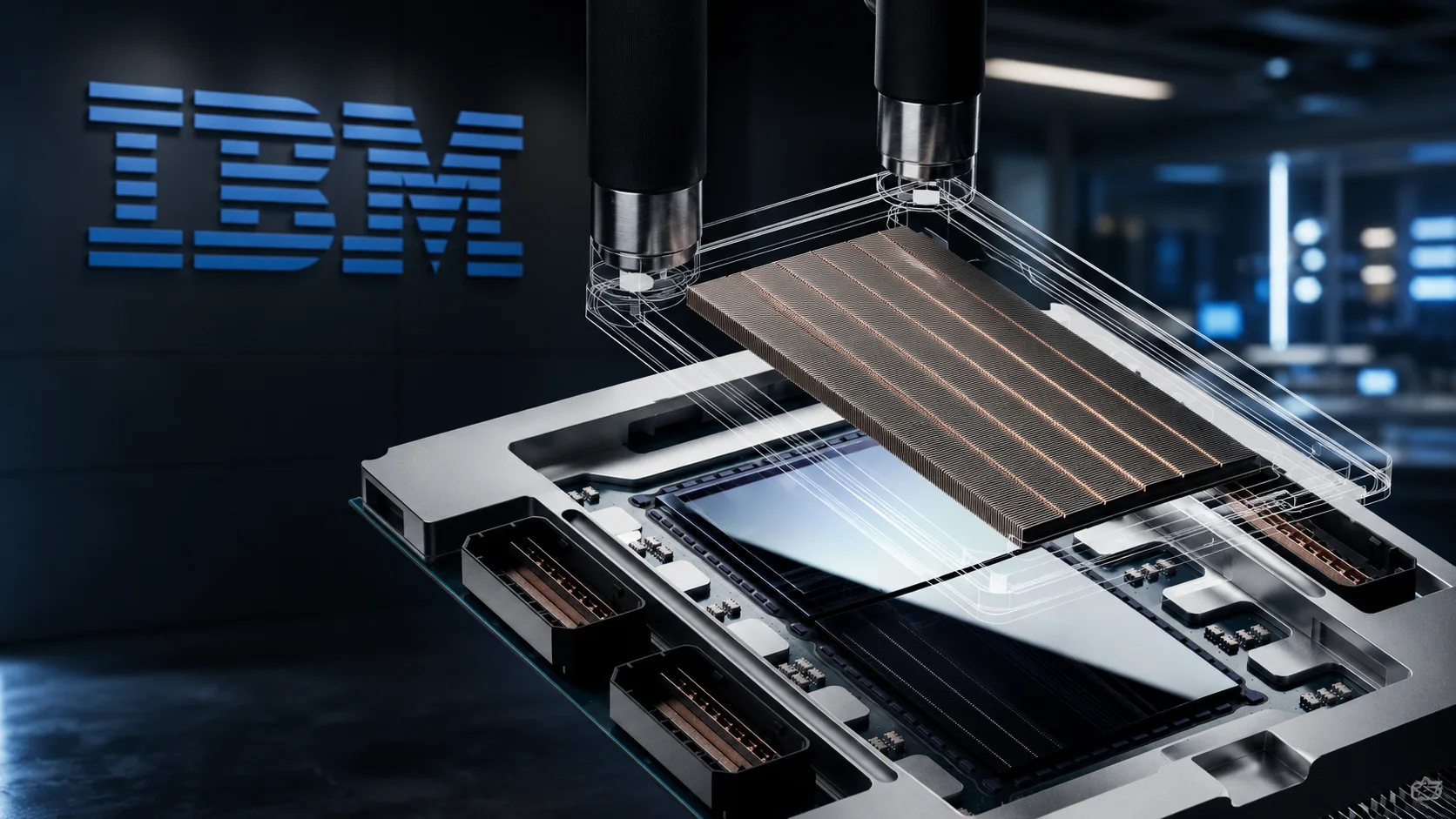
IBM is developing a new 2nm processor for future IBM Z and LinuxONE systems that can support both IBM and Arm architectures while adding dedicated AI and data-processing capabilities.
NVIDIA is committing $6 billion to license Poolside's AI technology and bring more than 100 engineers into the company as it accelerates its open-weight AI strategy.