
US Plans New Semiconductor Tariffs as Lutnick Ties Relief to Chipmaking in America
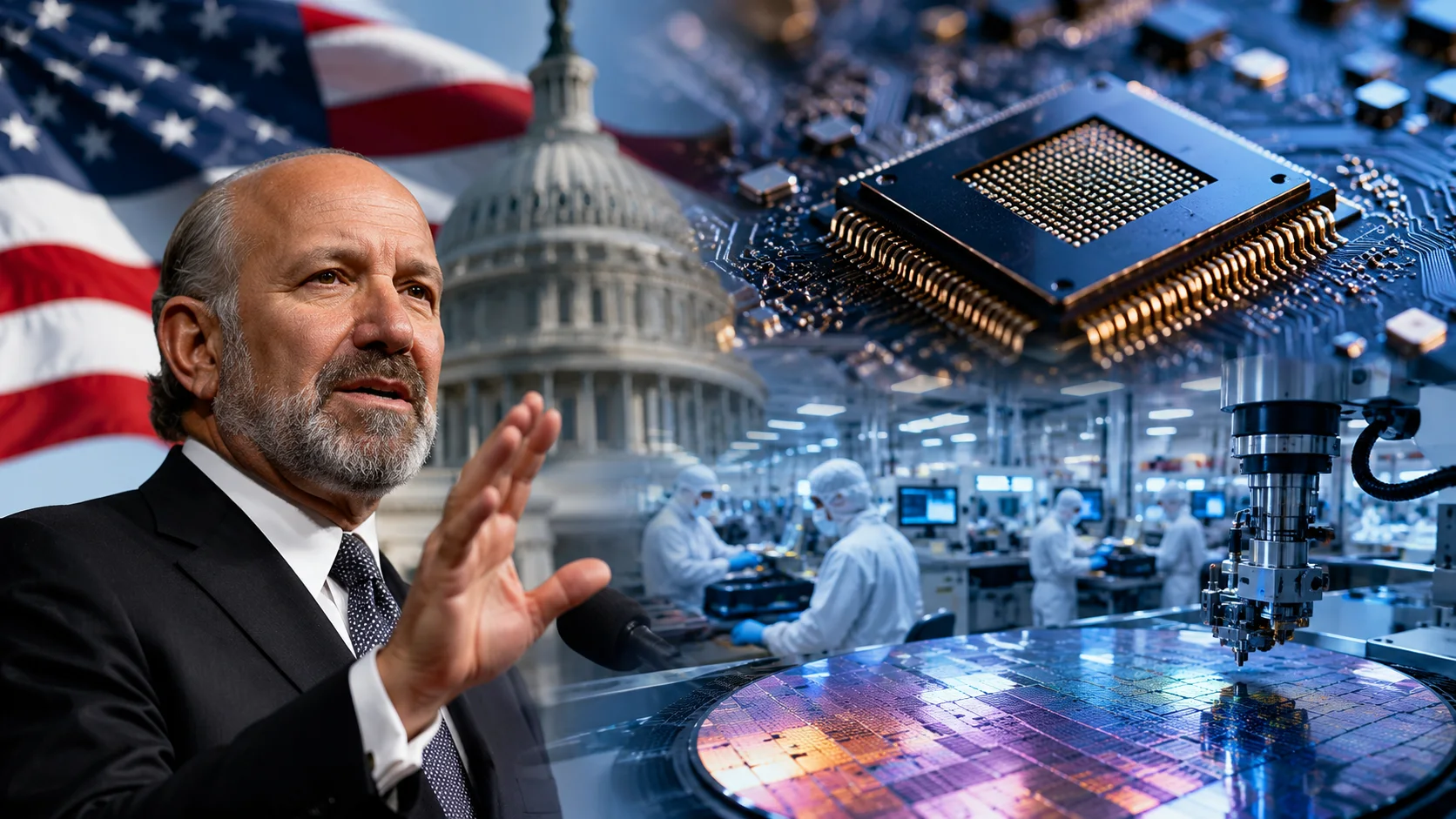
The US is preparing to put more pressure on semiconductor companies to manufacture at home.
Commerce Secretary Howard Lutnick said the Trump administration is working on a new tariff policy for semiconductors, with companies that build their chips in the United States potentially avoiding the duties. The approach is intended to push more chip production and investment into the country. Lutnick described the planned policy as a targeted approach rather than a blanket tariff. In an interview on CNBC, he confirmed that tariff relief would be linked to investment in US semiconductor manufacturing. The basic message from the administration is straightforward: companies that build in America would get an advantage, while those continuing to manufacture chips elsewhere could face tariffs.
US wants chipmakers to build locally
The proposed semiconductor tariffs are part of Washington's broader effort to rebuild domestic chip manufacturing and reduce reliance on overseas production. Semiconductors sit at the centre of almost every major technology supply chain, from smartphones and computers to data centres and artificial intelligence systems. Much of the world's advanced chip manufacturing, however, remains concentrated in Asia. That dependence has become a strategic concern for the US, particularly as demand for chips grows alongside AI infrastructure. Lutnick has indicated that the administration wants companies to make a bigger commitment to American production if they want favourable access to the US market.
Tariffs could extend beyond chips
The policy being discussed could have consequences beyond semiconductor manufacturers themselves. According to reporting cited by Reuters and other outlets, the administration is also considering whether tariffs could eventually apply to products that contain semiconductors, including laptops, gaming consoles and data-centre servers. The exact scope of any such measure has not yet been finalised. That possibility could make the impact much wider. Companies that rely on imported chips for electronics and computing equipment could face higher costs if the tariffs are extended further down the supply chain. For now, however, the administration has not announced a final rate or a complete list of products that would be covered.
Big chip investments already underway
The US is not starting from scratch in its attempt to attract semiconductor manufacturing. Major chipmakers have already announced large investments in the country. TSMC, for example, is expanding its manufacturing footprint in Arizona, while other semiconductor companies are also putting money into US facilities. Lutnick has pointed to roughly $1.2 trillion in investment commitments from companies including TSMC and Micron as evidence of the industry's growing US presence. The administration now appears to be looking at tariffs as another way to encourage companies to make those investments—and potentially expand them.
What happens next
The semiconductor tariff plan is still being developed, so companies do not yet know exactly what they would pay or what level of US investment would qualify for an exemption. That uncertainty matters for an industry built around long-term investments in factories, equipment and supply chains. Chip plants can take years and billions of dollars to build, meaning manufacturers need to know what the trade rules will look like before making major decisions.
For the US semiconductor industry, the policy could provide another incentive to expand domestic production. For companies manufacturing chips overseas, it could mean reassessing where they make products destined for the American market. The administration's direction is clear even though the final rules are not: Washington wants more of the semiconductor supply chain on American soil, and tariffs could become one of the tools used to make that happen.