Space
SpaceX Reports First Quarterly Profit as a Public Company
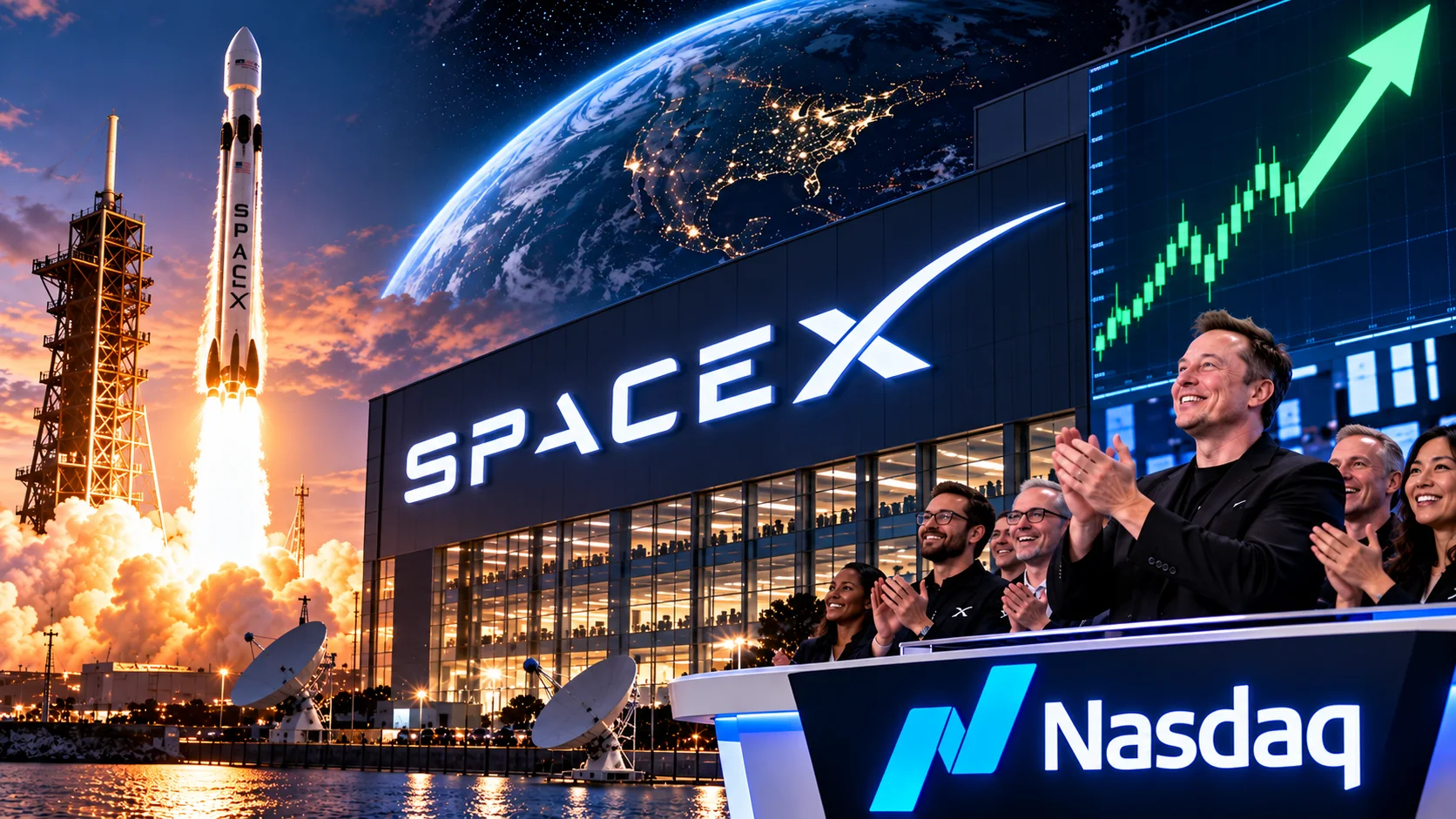
SpaceX reported $4.4 billion in third-quarter net income as revenue rose 161% to $14.6 billion, marking its first quarterly profit as a public company.

Space technology news covering launches, satellites, exploration, missions and commercial space.
SpaceX reported $4.4 billion in third-quarter net income as revenue rose 161% to $14.6 billion, marking its first quarterly profit as a public company.
SpaceX postponed a Falcon 9 launch carrying 27 Starlink satellites from California after an apparent technical issue and targeted another attempt for October 21
Japan has launched its MMX spacecraft on an H3 rocket to explore Mars’ moons, collect samples from Phobos and return them to Earth in 2031.

Y Combinator-backed RATLOG claims $400 million in launch reservations for a heavy-lift rocket with a novel engine design, ahead of a planned 2030 debut.

Space startups secured a record $20.8 billion in Q3 2026, driven by launch infrastructure investment and demand from commercial and government customers.
Czech industrial and defence group CSG has become MDA Space's largest shareholder, opening the door to potential cooperation in satellite manufacturing and strategic acquisitions.

Xona is preparing to deploy six Pulsar satellites, advancing its plan to deliver more precise and resilient satellite navigation and timing services.
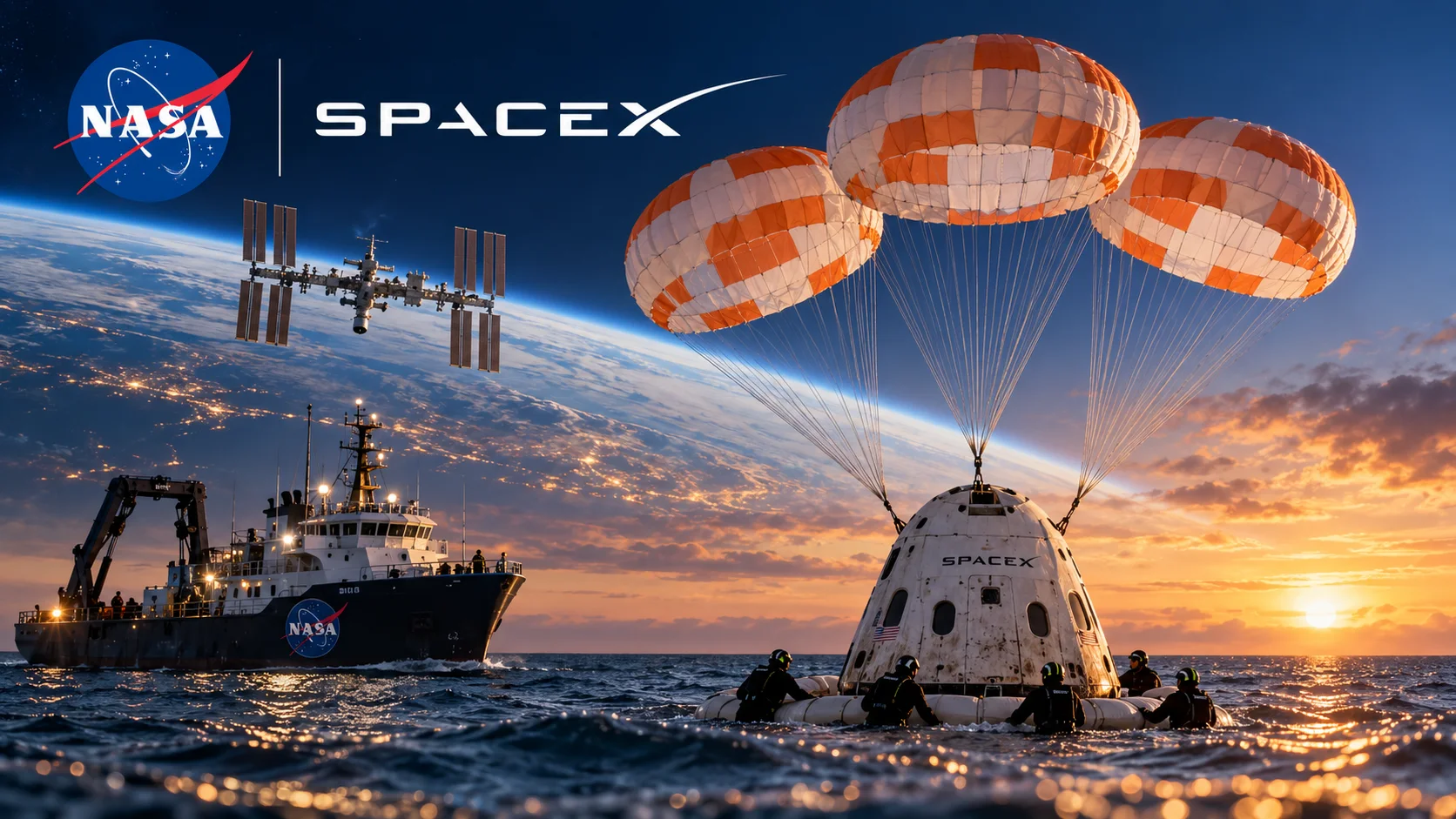
NASA’s SpaceX Crew-12 mission ended on October 8 after four astronauts safely splashed down in the Pacific Ocean off the California coast. The crew spent more than seven months aboard the International Space Station, supporting scientific investigations, station operations and research relevant to future space missions.
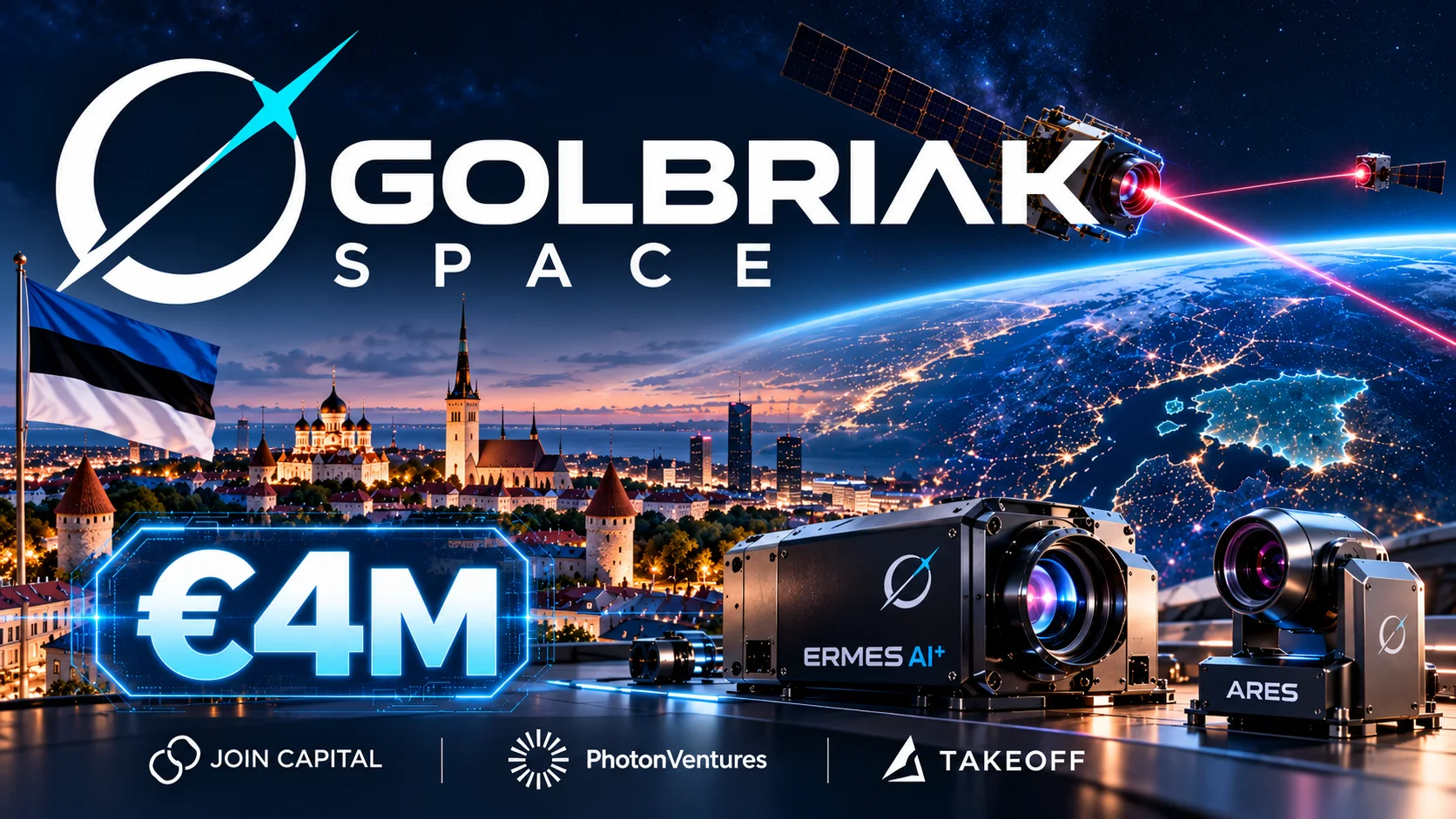
Estonian space technology startup Golbriak Space has raised €4 million in seed funding to scale production of its laser communication terminals for satellites and airborne platforms. The round was co-led by Join Capital and PhotonVentures, with participation from Takeoff. Golbriak plans to use the new capital to accelerate industrialisation and expand manufacturing as it moves toward programmes involving thousands of optical communication terminals.
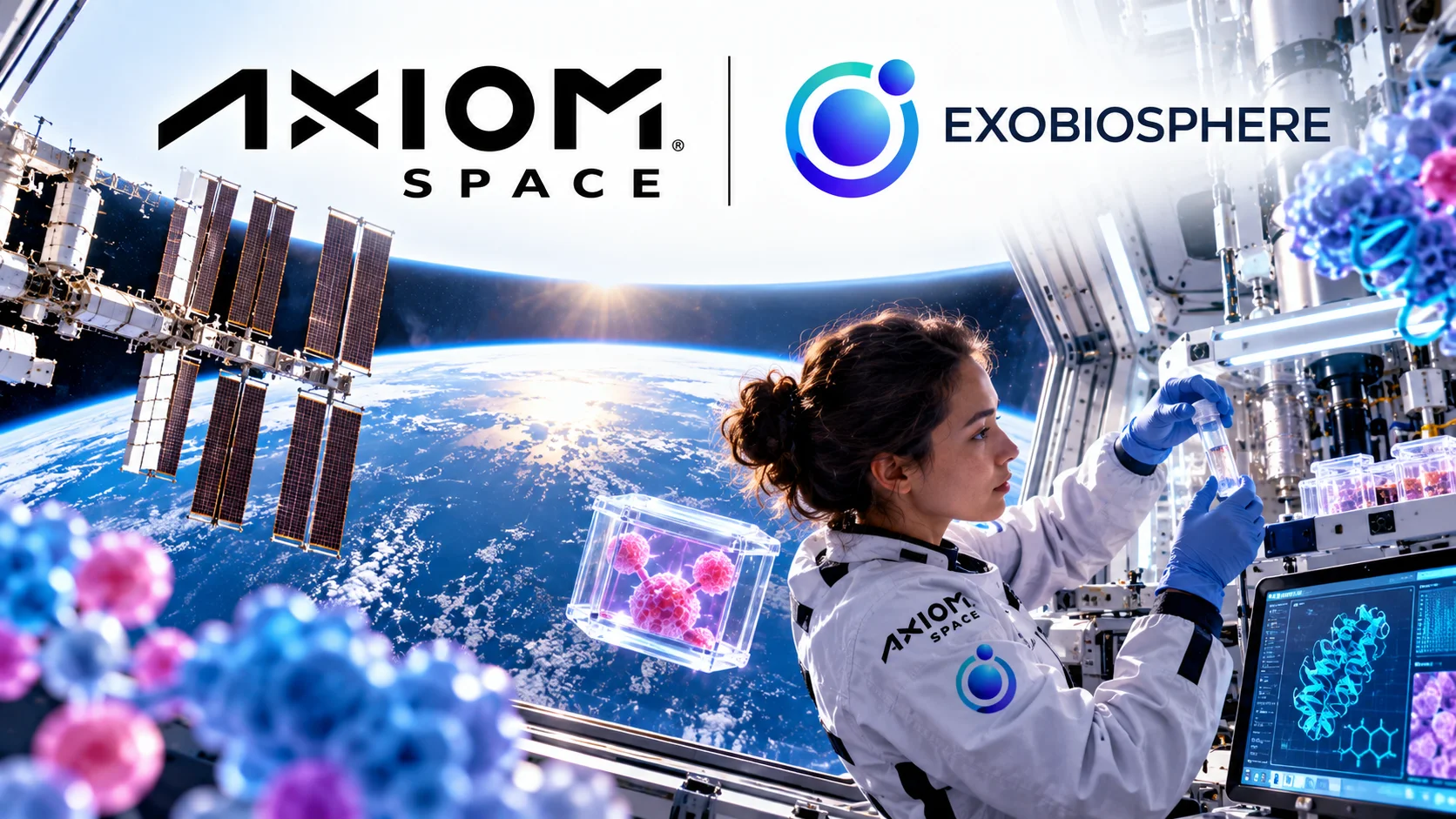
Axiom Space and Exobiosphere have signed an MoU to advance automated drug discovery and disease modelling in microgravity, with experiments planned for private astronaut missions and eventually Axiom Station.
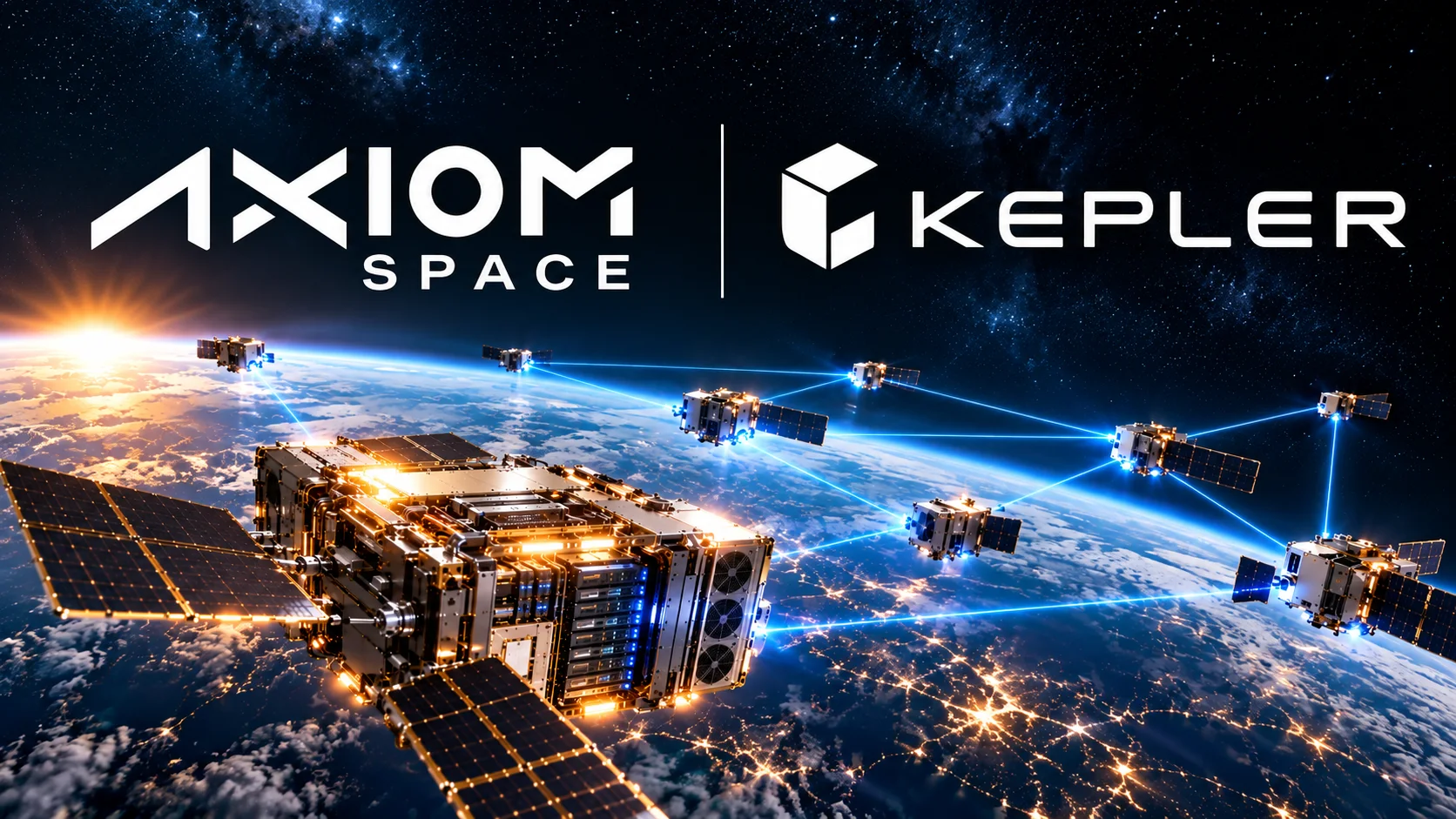
Axiom Space has reached new milestones in its orbital computing programme, with two ARC nodes now operating in orbit and a successful ground test of post-quantum cryptography migration.
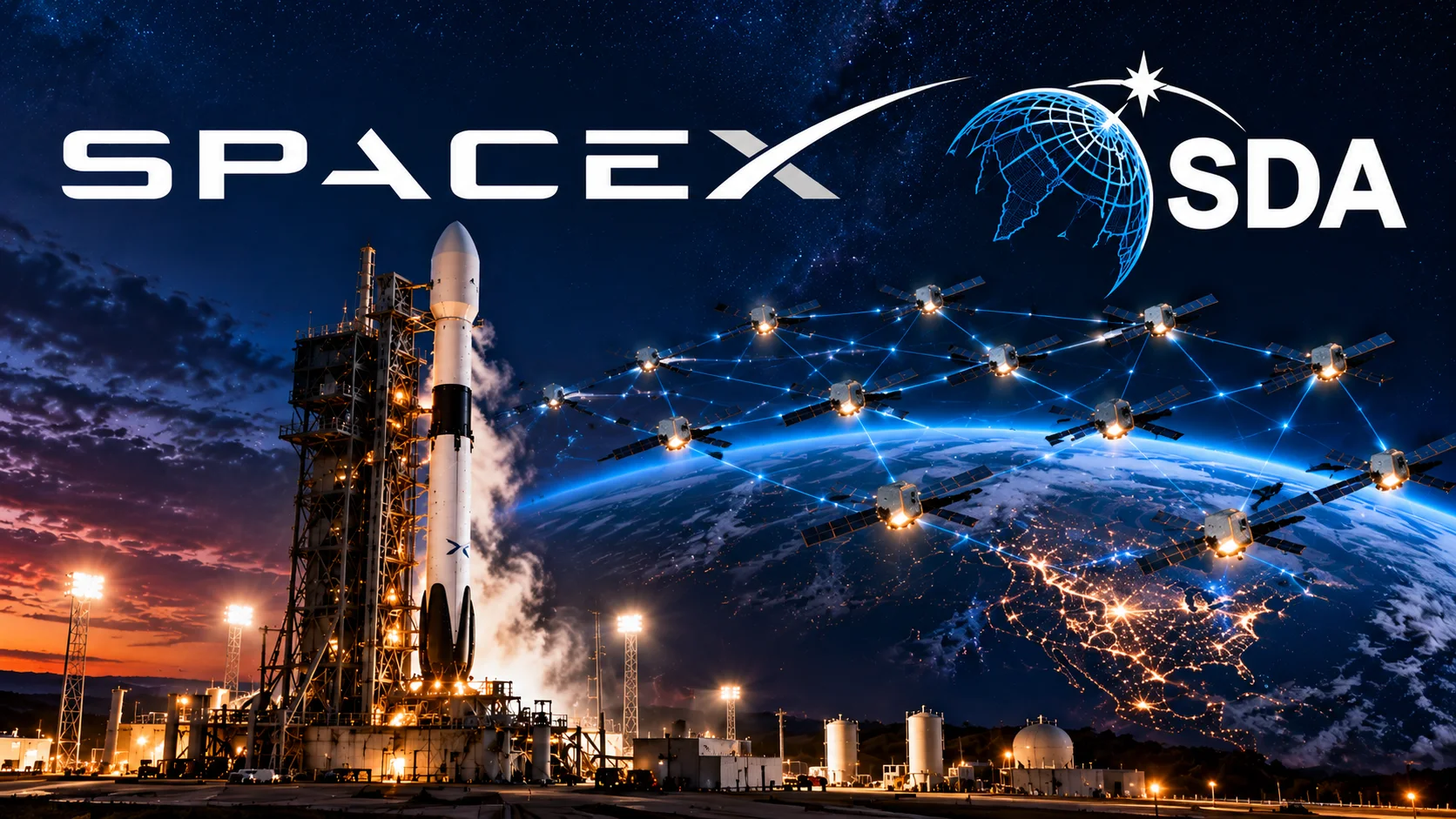
SpaceX scrubbed its planned October 5 Falcon 9 launch for the U.S. Space Development Agency after the countdown was halted in the final minute. The mission is carrying 21 satellites for the military's growing low-Earth-orbit communications network.
SpaceX’s Transporter-18 rideshare mission has carried technologies from Dhruva Space, TakeMe2Space, SatLeo Labs and EON Space Labs into orbit, covering thermal imaging, Earth observation, onboard AI and commercial space infrastructure.
Google is preparing to launch a prototype satellite carrying its Tensor Processing Units into low Earth orbit, marking the first in-orbit test of Project Suncatcher.
A Vega-C rocket has successfully launched Europe’s Sentinel-3C and FLEX satellites from French Guiana, adding new capabilities for monitoring oceans, land, atmosphere and the health of Earth’s vegetation.
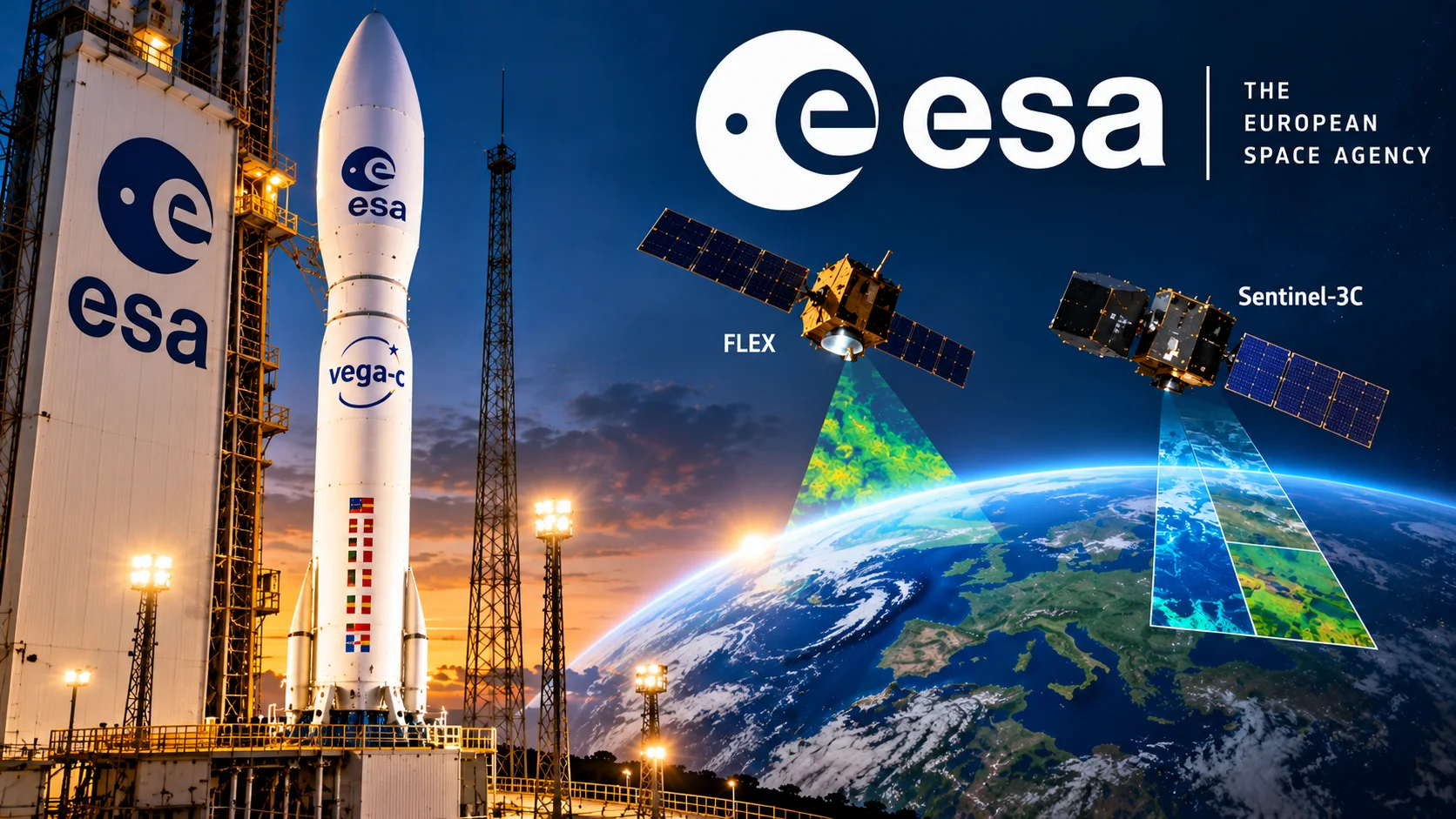
Europe’s Vega-C rocket is preparing to launch two major Earth-observation satellites, ESA’s FLEX and Copernicus Sentinel-3C, from French Guiana. The mission will expand Europe’s ability to monitor vegetation, oceans, land, ice and the atmosphere.
NASA and SpaceX are preparing to launch Crew-13 to the International Space Station, carrying four astronauts including Canadian Space Agency astronaut Joshua Kutryk. The mission is scheduled to lift off aboard a Falcon 9 and Crew Dragon from Florida.
Rocket Lab has completed its 16th Electron launch of 2026, successfully deploying an Earth-observation satellite into a 500-kilometre circular low-Earth orbit. The mission gives the company 16 Electron launches this year and 95 overall.
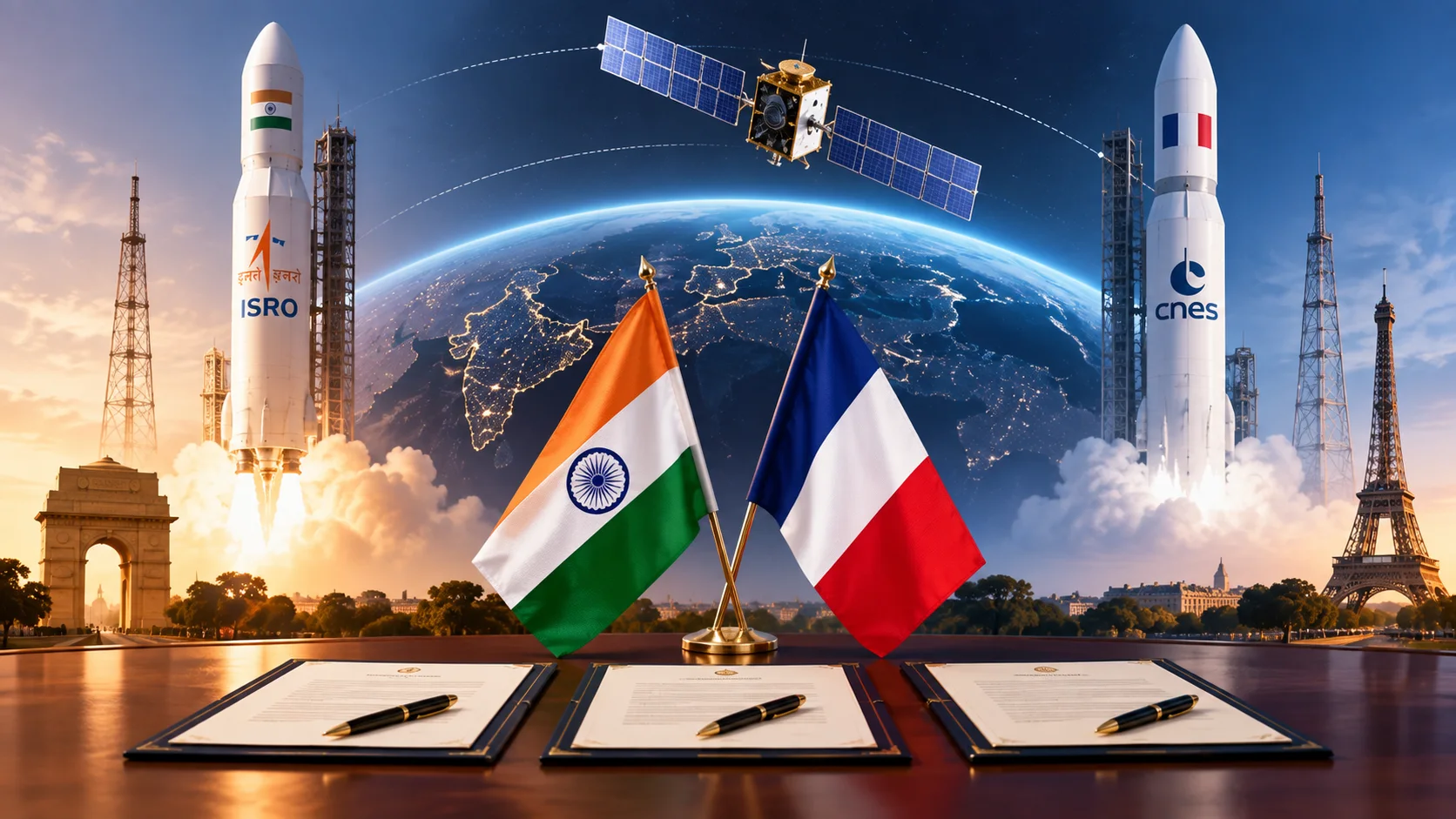
India and France have signed three new agreements aimed at deepening cooperation in space, covering satellite launches, space surveillance and microsatellite technology. The deals bring together ISRO, France's CNES and private-sector companies as both countries look to strengthen satellite manufacturing, launch services and strategic space capabilities.
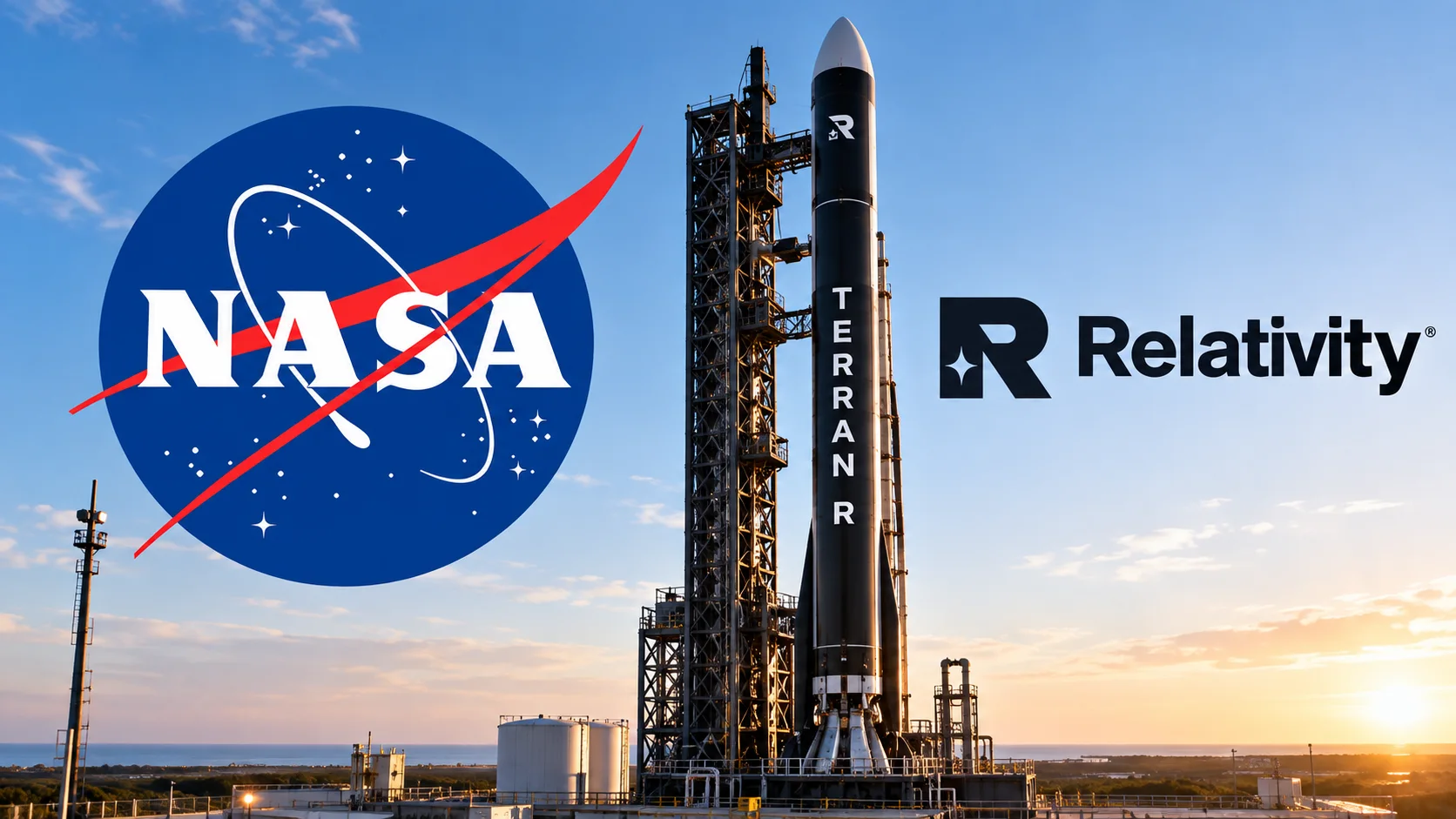
NASA has added Relativity Space’s Terran R rocket to its Launch Services II contract, making the vehicle eligible to compete for future government missions. The move expands NASA’s pool of commercial launch providers as Terran R moves toward its first flight.
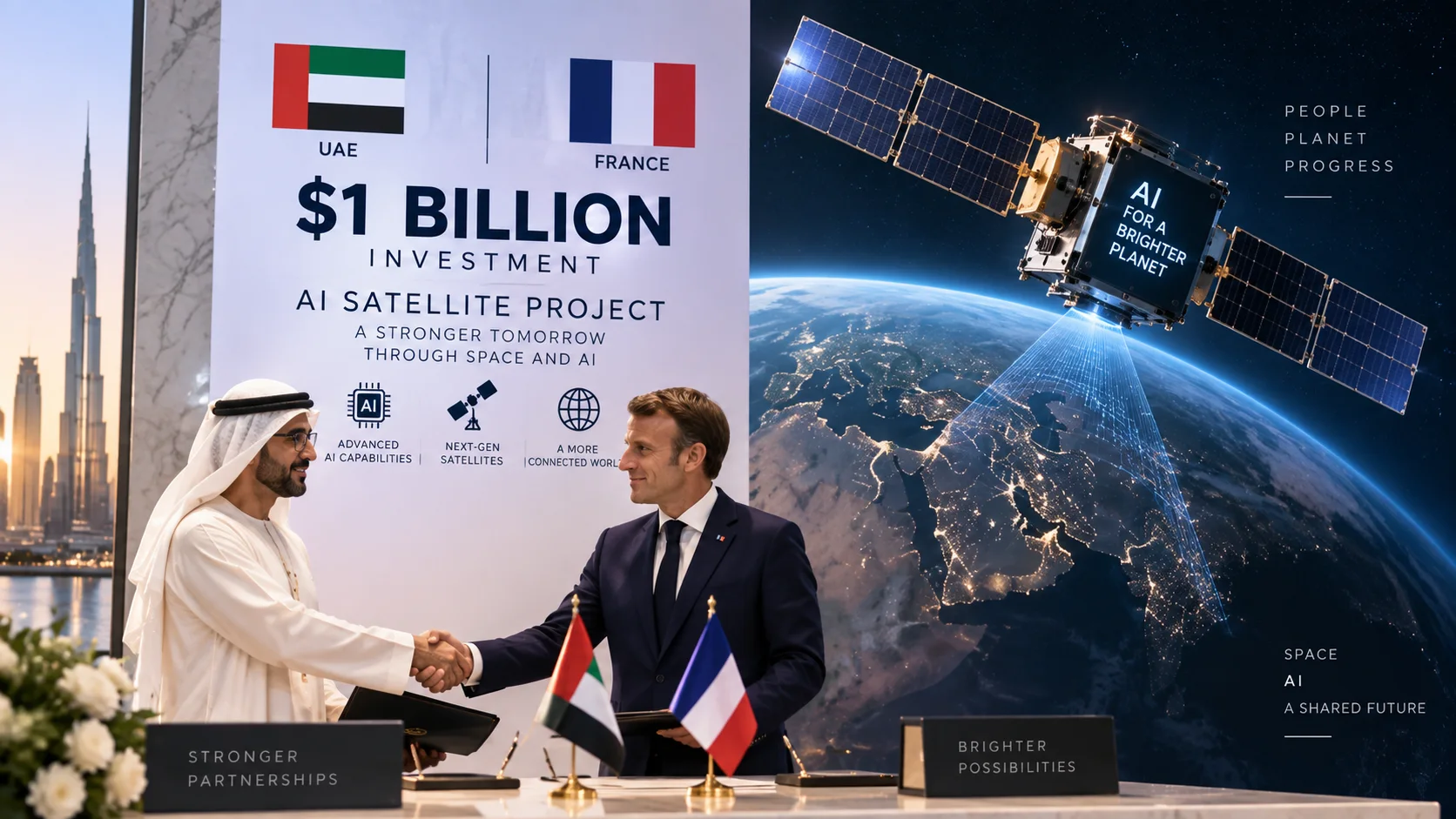
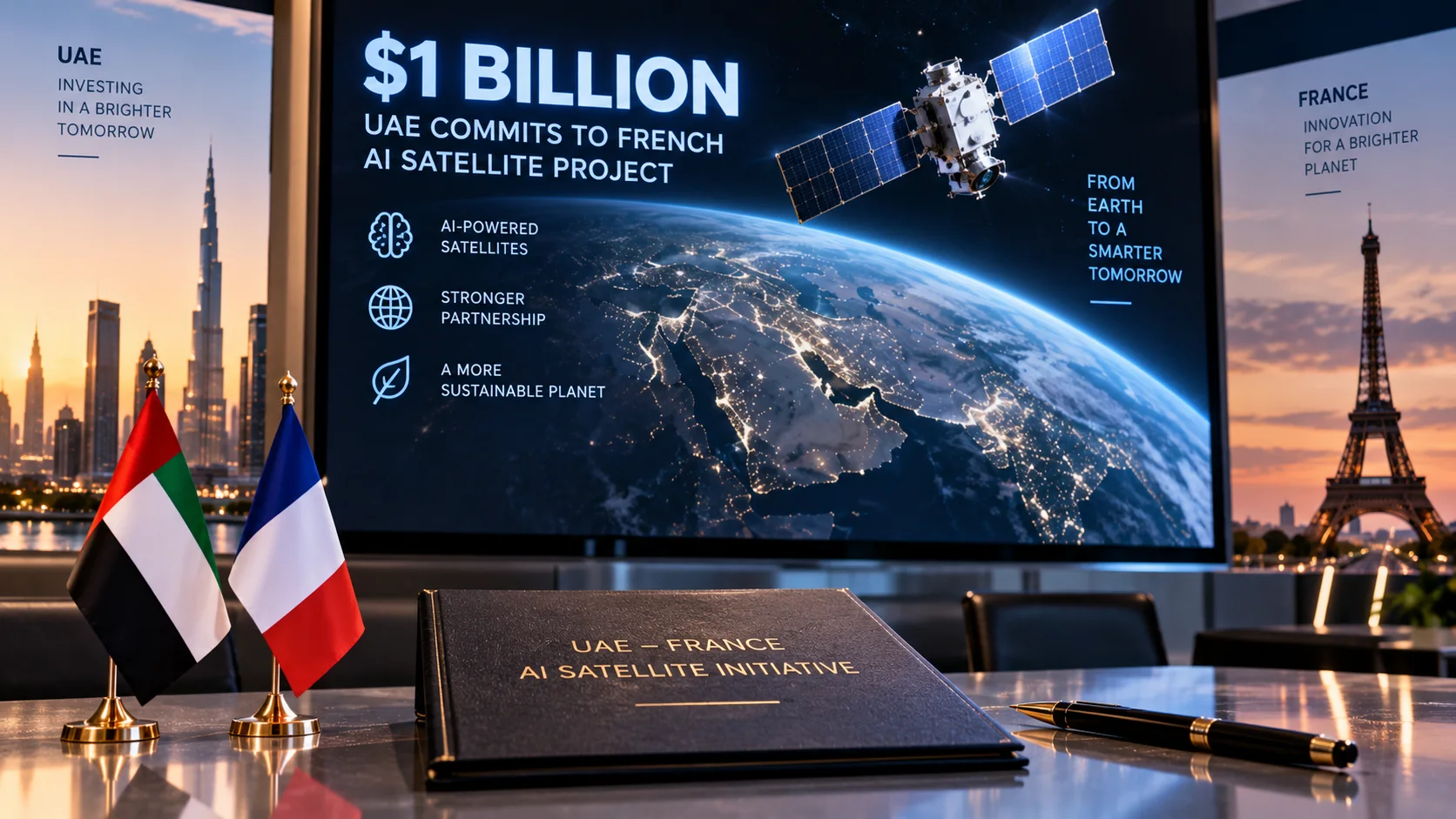
The UAE is investing $1 billion in a 50-satellite constellation developed by France-based Loft Orbital, bringing AI processing directly into orbit. The project will target real-time applications including wildfire detection, infrastructure monitoring and advanced security surveillance.
Isar Aerospace has secured a €197.8 million contract from the European Space Agency under the European Launcher Challenge, supporting the development of its launch vehicles and expansion of launch infrastructure. Days later, its Spectrum rocket successfully reached orbit from Norway, completing the programme’s first major milestone.

Indian space startup Agnikul Cosmos has opened two new facilities in Chennai to test complete rocket stages under flight-like conditions and manufacture critical components in-house. The infrastructure will support the company’s push toward reusable launch vehicles and its upcoming Mission-02.
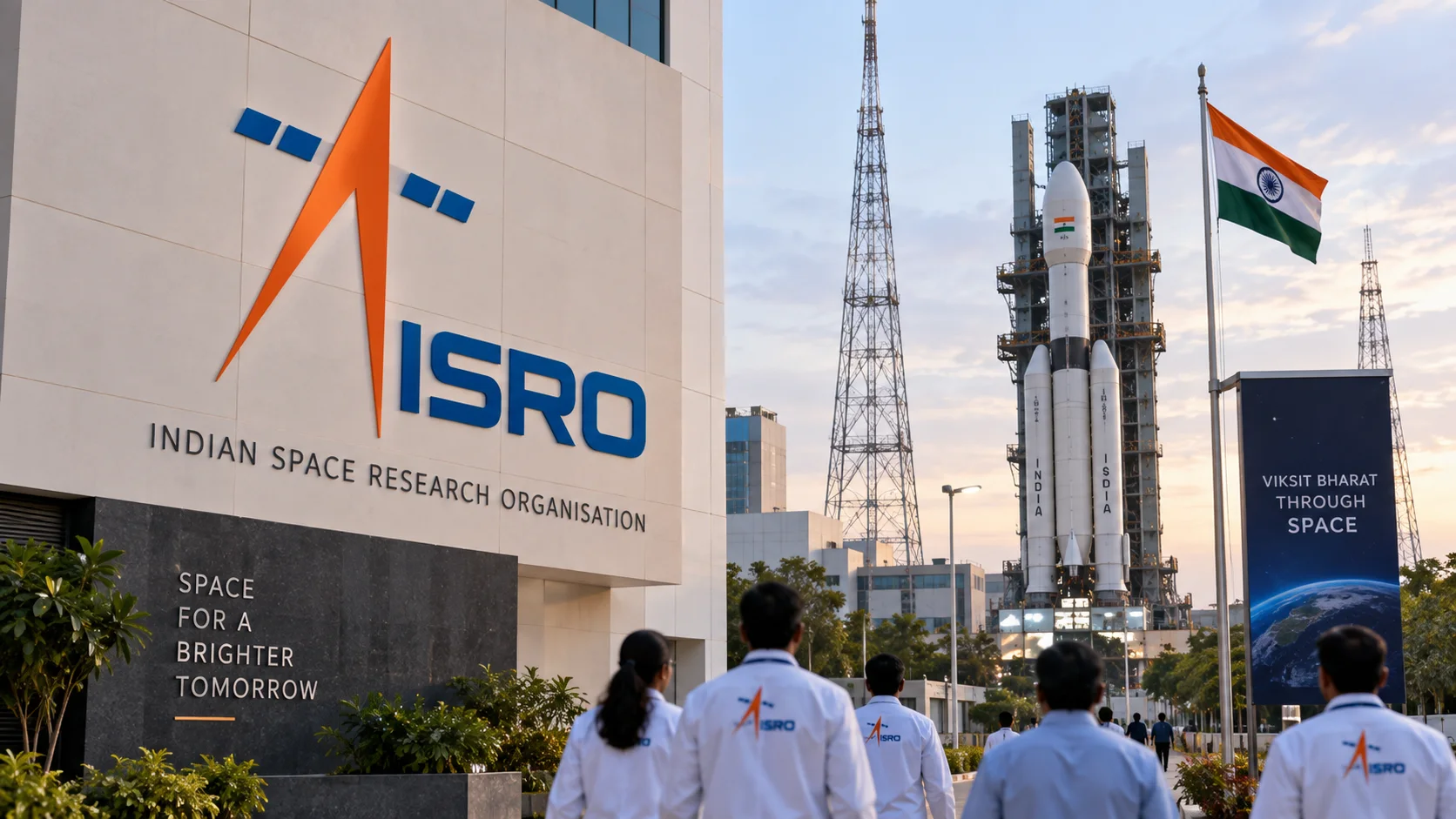
ISRO has rejected concerns that India’s push to expand private participation will weaken or privatise the space agency. The clarification follows unease among employees over plans to shift more manufacturing and operational work to private companies.
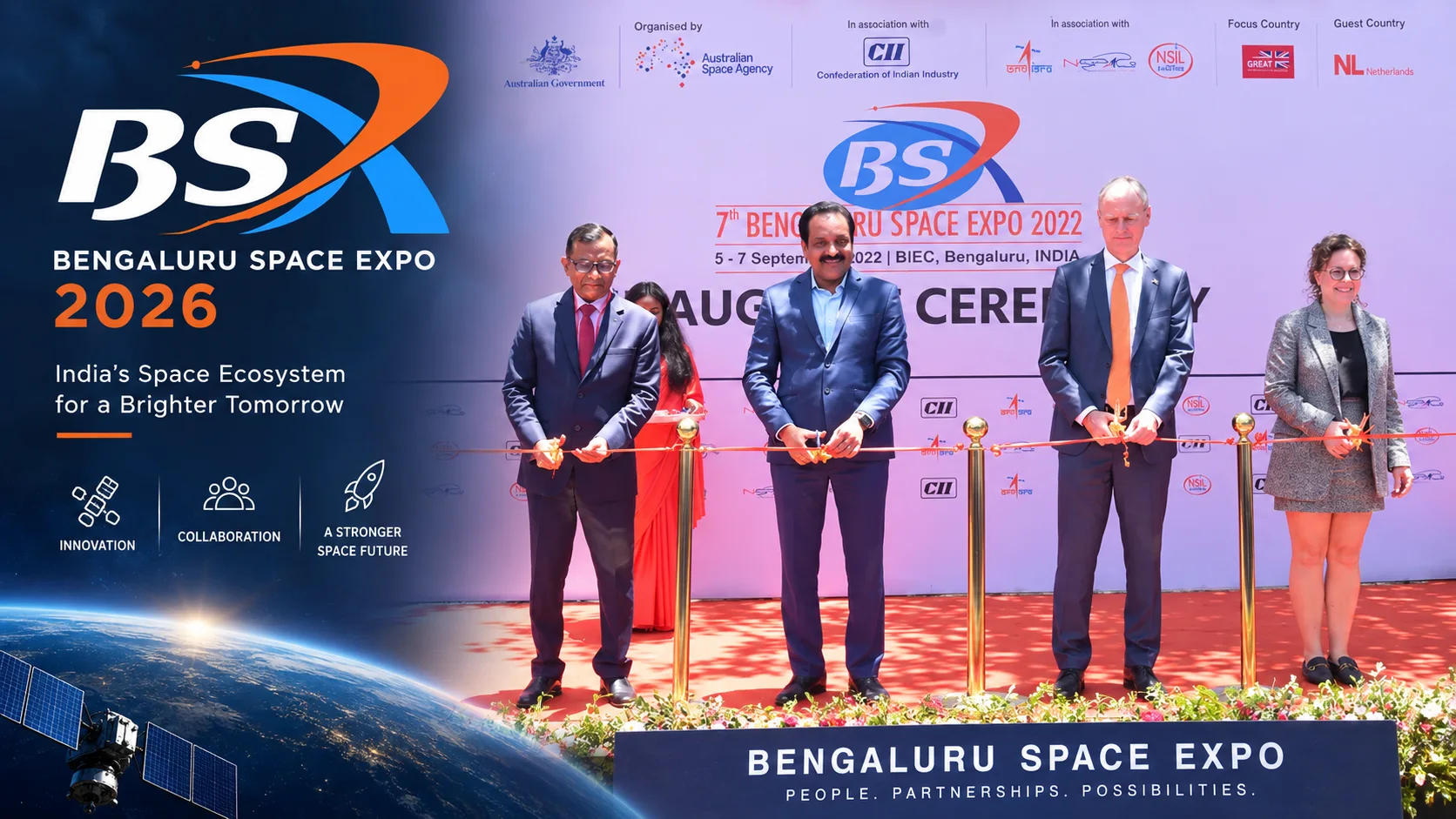
The ninth Bengaluru Space Expo has opened with more than 250 exhibitors from 20 countries, putting India’s growing private space industry in focus. Major Indian companies are showcasing launch vehicles, satellites, Earth observation, propulsion and other space technologies.
Indian space-tech startup Pixxel has raised $100 million in a Series C round co-led by Temasek and Seraphim. The funding will help the company expand its satellite capabilities, Earth intelligence software and sovereign space systems.
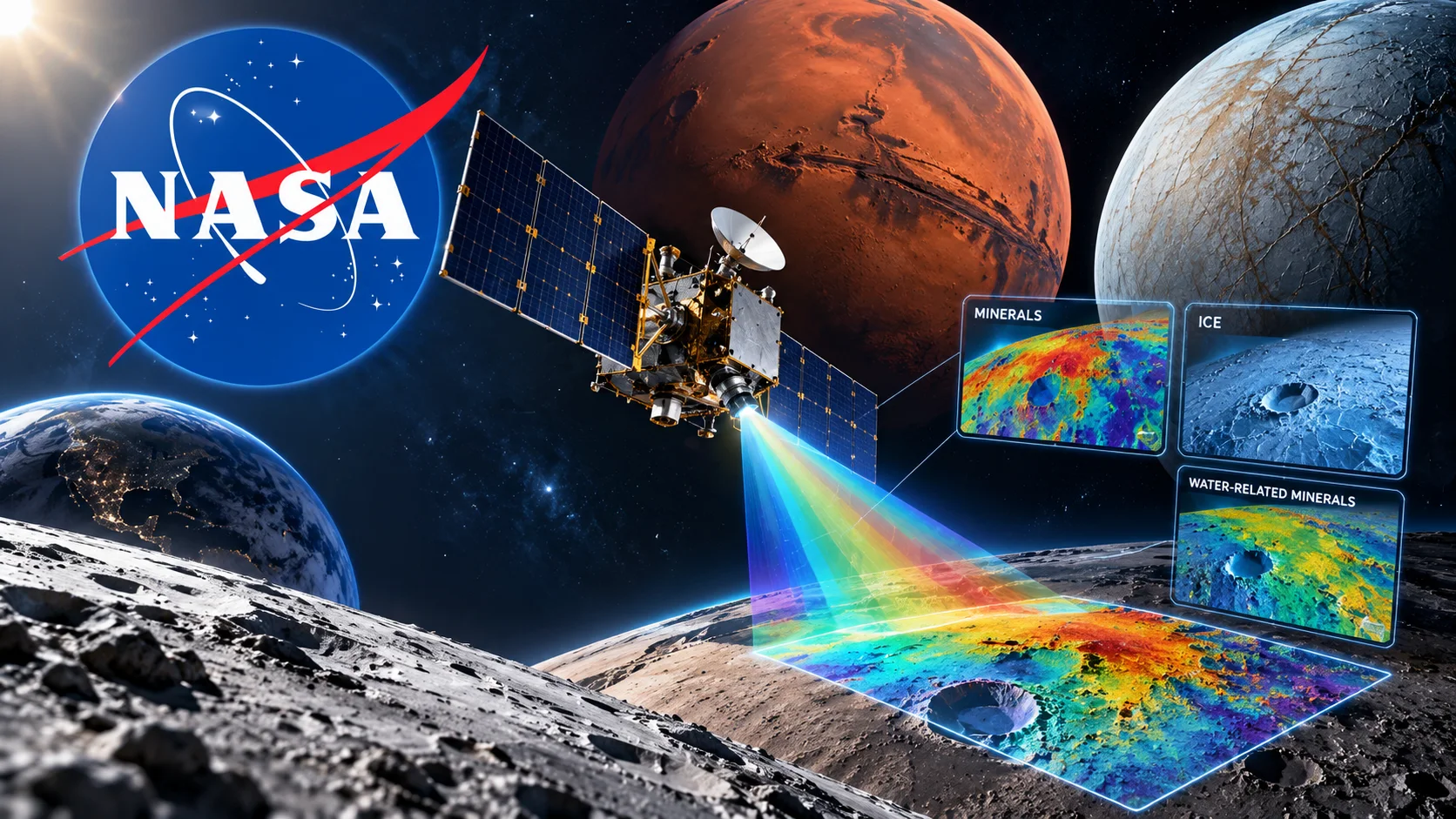
NASA has funded an early-stage spacecraft concept that could map minerals on the Moon, asteroids and Martian moons during high-speed flybys without landing on their surfaces.
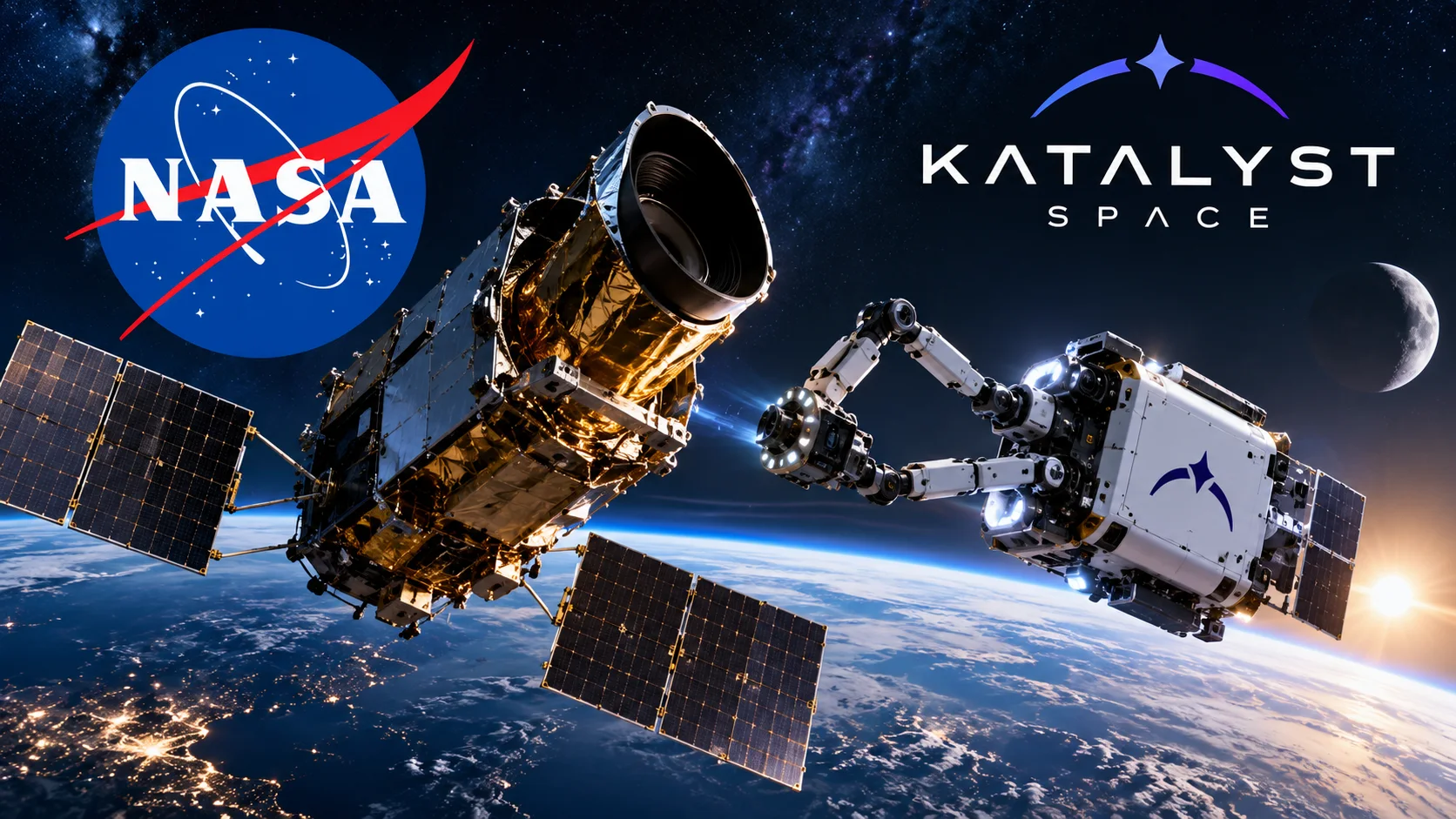
Katalyst Space is continuing in-orbit tests of its LINK robotic servicing spacecraft after the planned mission to boost NASA’s Swift observatory was scaled back.
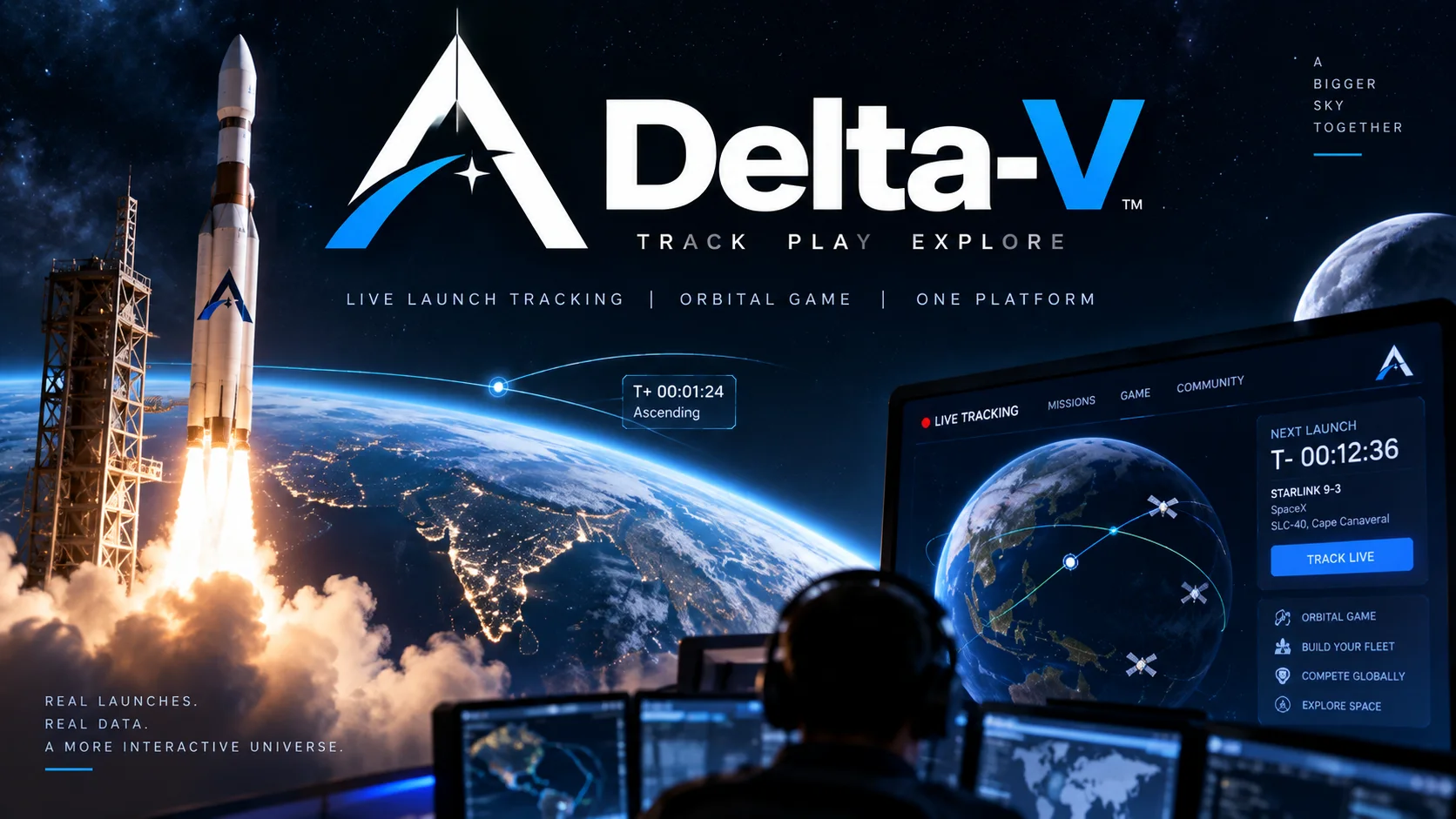
Delta-V combines live rocket launch tracking, spaceflight data and an orbital mechanics game in a single browser-based platform.
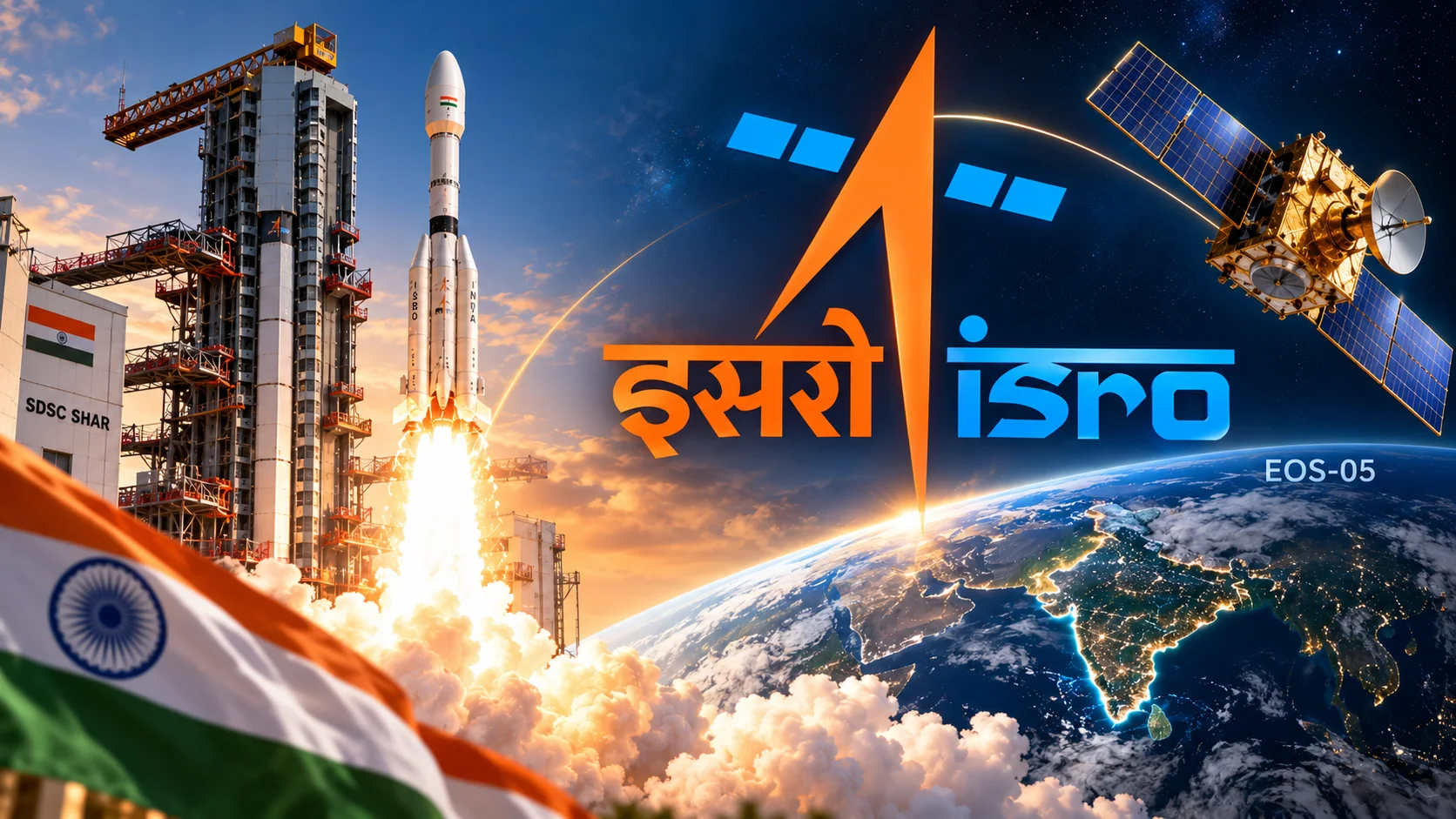
ISRO successfully launched EOS-05 on GSLV-F17, giving India a new capability for continuous Earth observation from geosynchronous orbit.
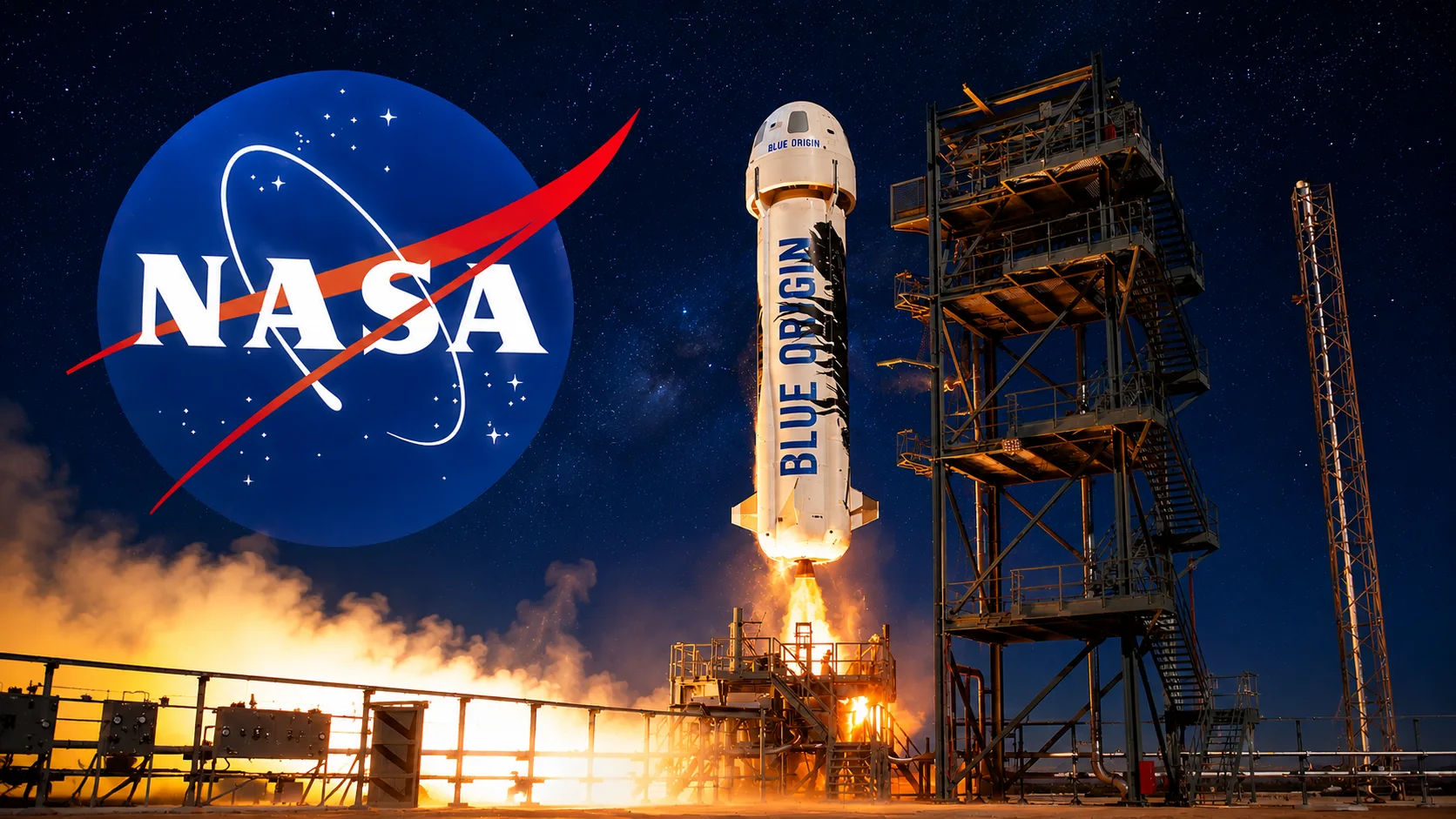
NASA has awarded Blue Origin a contract worth up to $700 million to develop, launch and operate a new communications spacecraft around Mars, with delivery required by the end of 2028.