Google Prepares First Project Suncatcher Satellite Test for AI Chips in Space
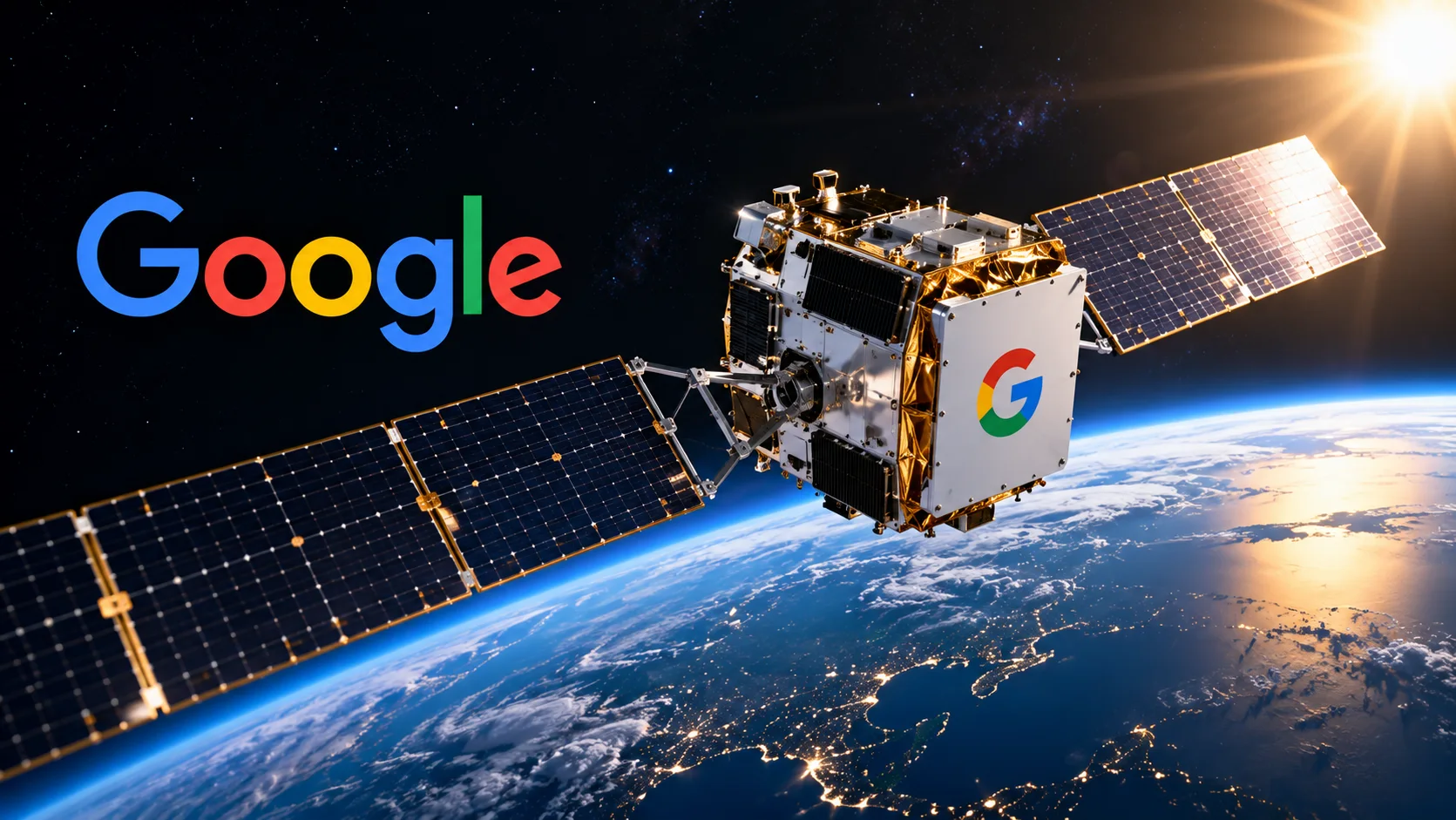
Google is preparing to launch the first prototype satellite for Project Suncatcher, its research effort to explore whether artificial intelligence computing could eventually be performed in space. The satellite is scheduled to launch aboard SpaceX’s Transporter-18 rideshare mission on October 1, in partnership with satellite company Planet.
The mission will test how Google’s AI hardware performs under real space conditions, including launch forces, radiation and extreme temperatures. Google says the first flight is intended to collect in-orbit data and identify potential failure points rather than demonstrate a fully operational orbital data center.
Four Google TPUs Head Into Orbit
The prototype satellite, developed with Planet, will carry four Google Tensor Processing Units (TPUs). These chips are normally used in Google's terrestrial computing infrastructure to train and run AI models.
The orbital experiment will help Google determine whether the hardware can operate reliably outside conventional data-center environments. Radiation is a particular concern because it can damage electronics or cause data errors known as bit flips. Google has already conducted ground-based radiation testing, but the company says actual orbital conditions are needed for further validation.
Cooling Becomes a Major Challenge
Running powerful AI chips in space presents a different thermal problem from operating them inside a terrestrial data center. Conventional airflow-based cooling cannot be used in the vacuum of space.
Google is therefore testing a system that combines heat pipes and radiators to transfer heat away from the TPUs and release it into space. The first mission will provide data on whether this approach can handle the thermal demands of AI computing in orbit.
Project Suncatcher Looks Beyond One Satellite
Project Suncatcher is not limited to a single spacecraft. Google’s longer-term concept involves solar-powered satellite constellations equipped with TPUs and connected through free-space optical links. The company has proposed tightly clustered satellites that could communicate at very high speeds to distribute machine-learning workloads.
Google's research indicates that appropriately positioned solar panels in orbit could receive sunlight for much longer periods than comparable systems on Earth. The company is investigating whether that potential energy advantage could eventually support large-scale AI infrastructure while reducing pressure on terrestrial resources.
Two-Satellite Test Planned for 2027
The October mission is an early technology test rather than a commercial deployment. Google plans a follow-up two-satellite learning mission by early 2027, which will focus on testing optical communication links between spacecraft and gathering additional data on operating AI hardware in orbit.
The wider concept still faces significant engineering and economic challenges, including radiation protection, thermal management, high-bandwidth communications, launch costs and satellite production. The first Suncatcher flight is therefore an important experimental step in determining whether space-based AI computing can move beyond research into practical infrastructure.