Robotics
Tesla Begins Optimus Robot Production at Fremont Factory
Meta’s AI spending plans face investor scrutiny after the company raised its capital expenditure outlook and announced a new non-voting share class.

Latest robotics news, humanoid developments, automation breakthroughs and industry deployments.
Meta’s AI spending plans face investor scrutiny after the company raised its capital expenditure outlook and announced a new non-voting share class.
Eka Robotics is developing force-aware AI to help robots handle unfamiliar objects, improve dexterity and perform industrial tasks more reliably.
Exyn Technologies is joining MAP-POD, a DOE-selected autonomous mining project developing robotic mapping and mineral discovery systems for underground environments without GPS.
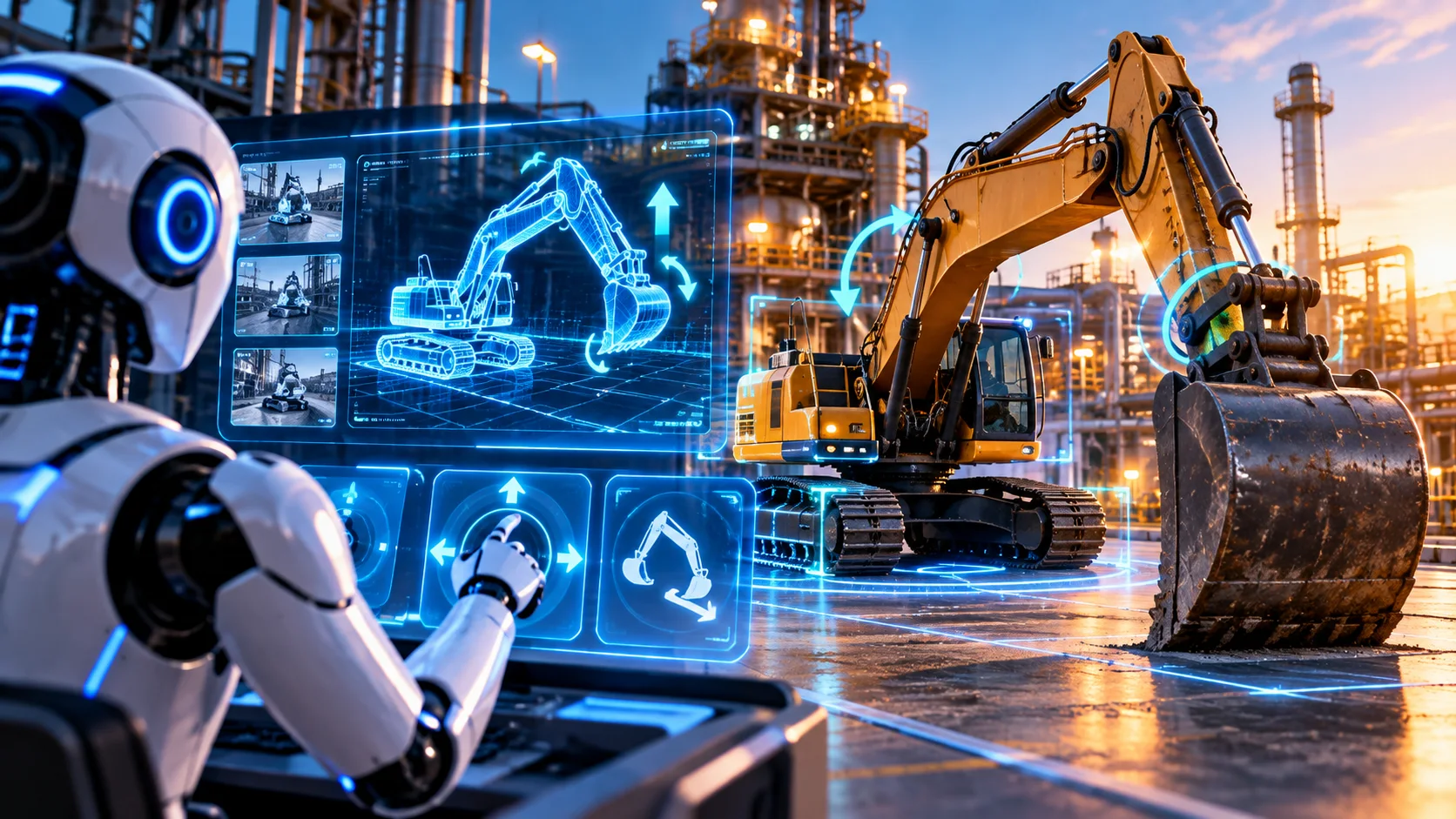
Booz Allen’s laboratory tests show frontier AI models can navigate industrial control systems and move robotic equipment, raising new safety concerns.

Luminous Robotics and Built Robotics Australia will establish manufacturing facilities to produce robots that automate solar panel installation and foundation piling.
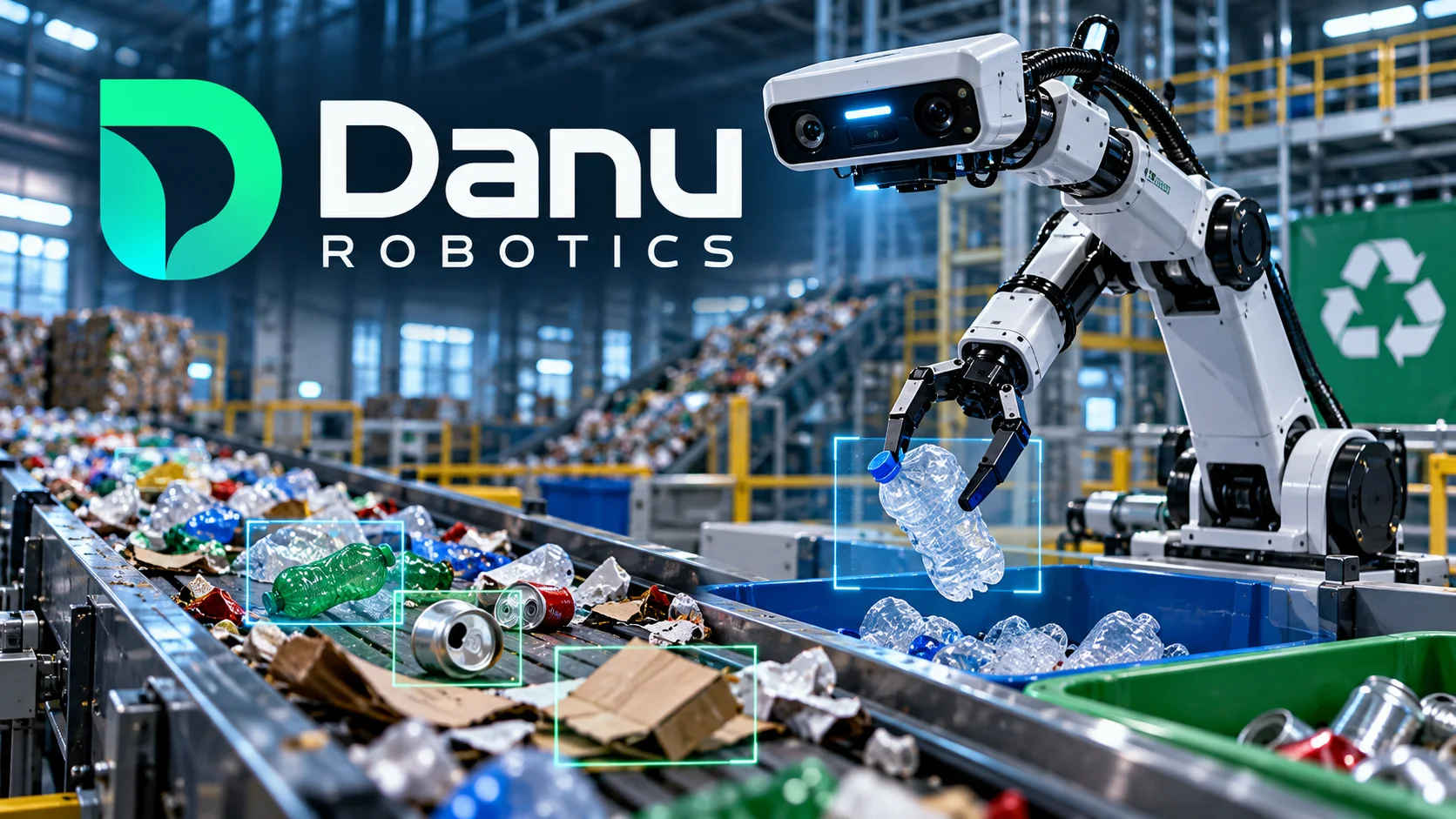
Danu Robotics is bringing its H.E.R.O. robot to market, using AI and computer vision to automate recycling sorting and improve material recovery.

Waymo has secured $5 billion in financing from lenders including Blackstone and PIMCO to support the expansion of its autonomous ride-hailing service. The financing highlights the growing capital requirements of driverless mobility as the Alphabet-owned company works to expand its robotaxi operations into more markets.

Kodiak AI and Charger USA have launched an autonomous freight service on a 435-mile route between Dallas and Laredo, Texas. The trucks are transporting refrigerated and dry goods using Kodiak’s autonomous driving technology, with safety drivers currently behind the wheel. The companies plan to transition to driverless operations after completing the required safety validation.
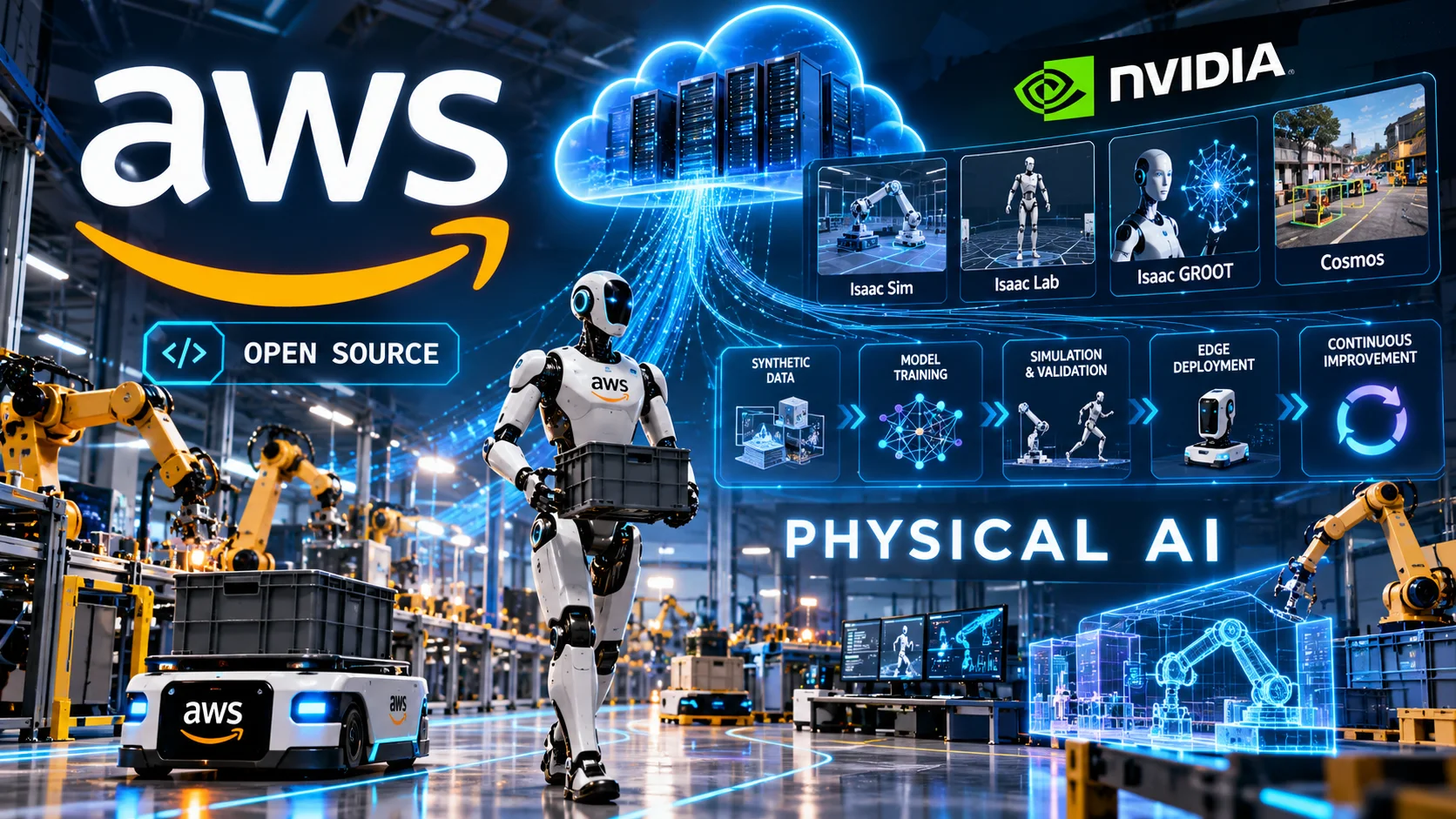
Amazon Web Services has launched an open-source Physical AI Toolchain designed to help robotics companies and manufacturers develop, train, simulate, validate and deploy AI-powered robots through a more connected workflow. The toolchain brings together AWS cloud capabilities and NVIDIA Physical AI software, covering synthetic-data generation, model training, simulation, validation and edge deployment.
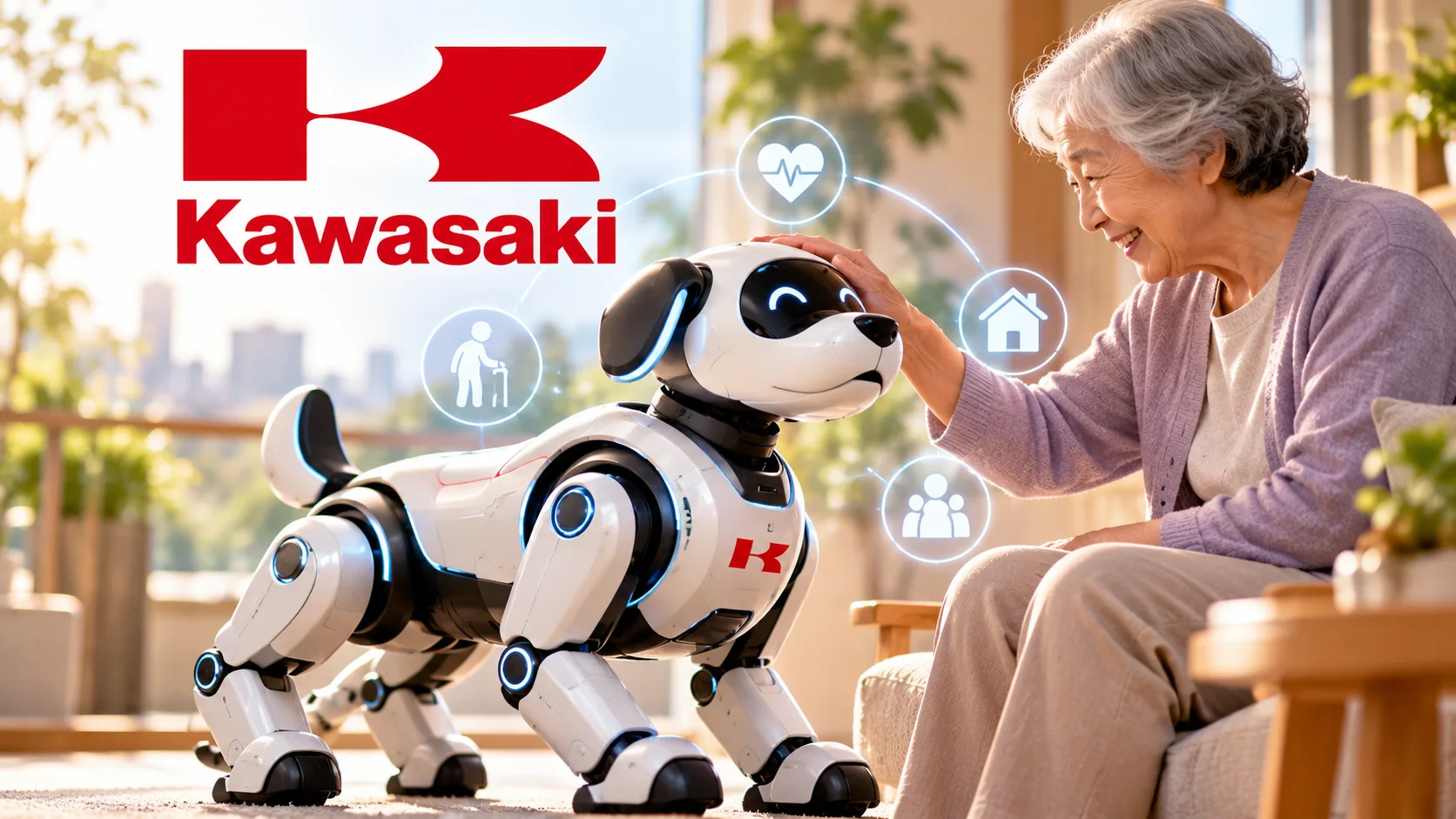
Kawasaki Heavy Industries has developed Home LEO, a dog-shaped social robot designed to support older people living at home through companionship, monitoring and autonomous daily assistance.
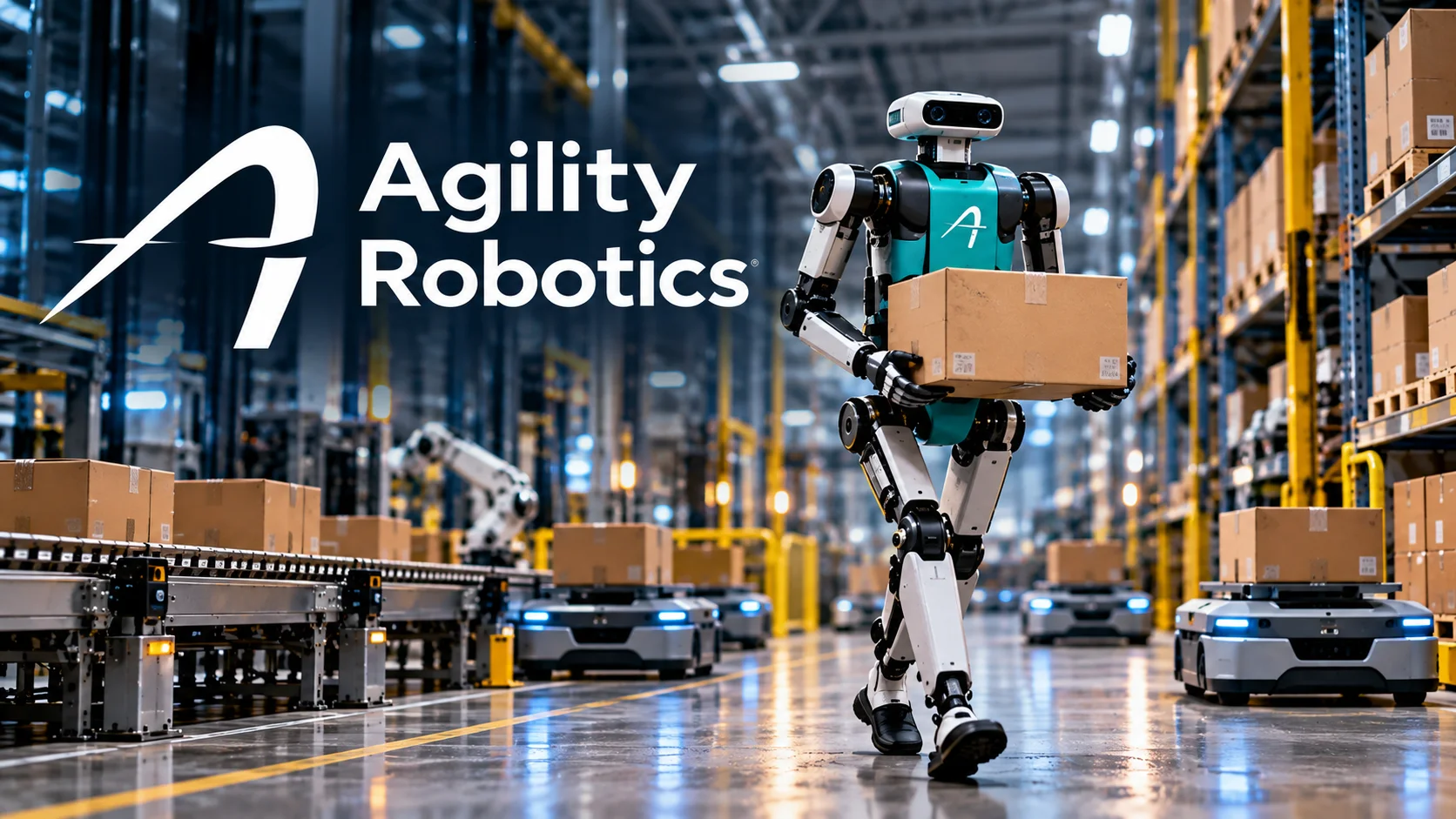
Agility Robotics used its October 6 Analyst & Investor Day to outline how Digit 5 could move humanoid robots from commercial pilots toward wider industrial deployment.
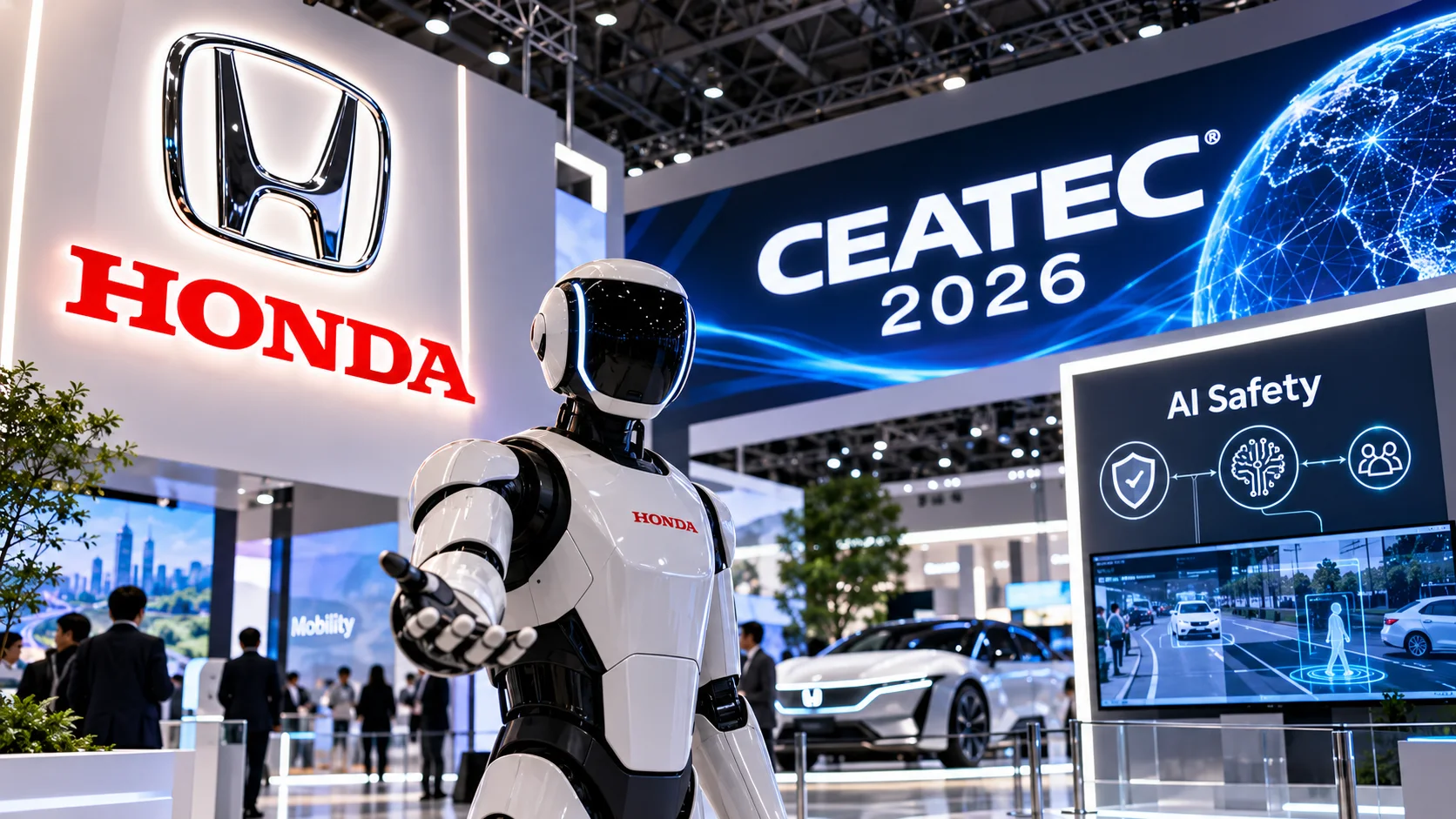
Honda will showcase its Avatar Robot and an AI-powered driver-assistance smartphone app at CEATEC 2026, highlighting technologies designed to extend human capabilities and improve mobility safety.
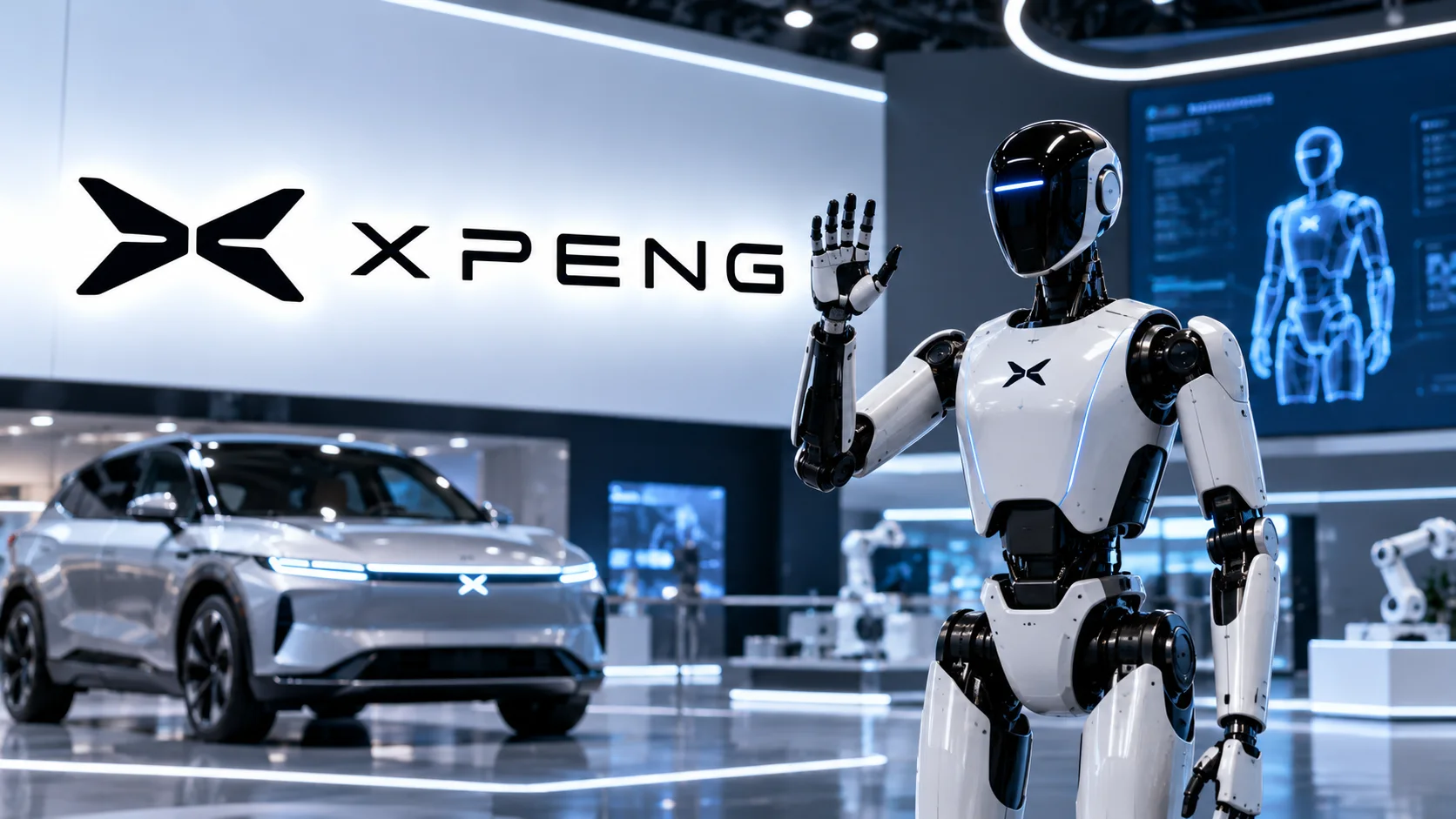
XPeng is demonstrating new capabilities of its IRON humanoid robot as the company expands its physical-AI strategy alongside autonomous driving and electric vehicles.

NERO Group and China’s UBTECH Robotics are developing a $440 million robotics project in Almaty that will combine manufacturing, R&D and programming.
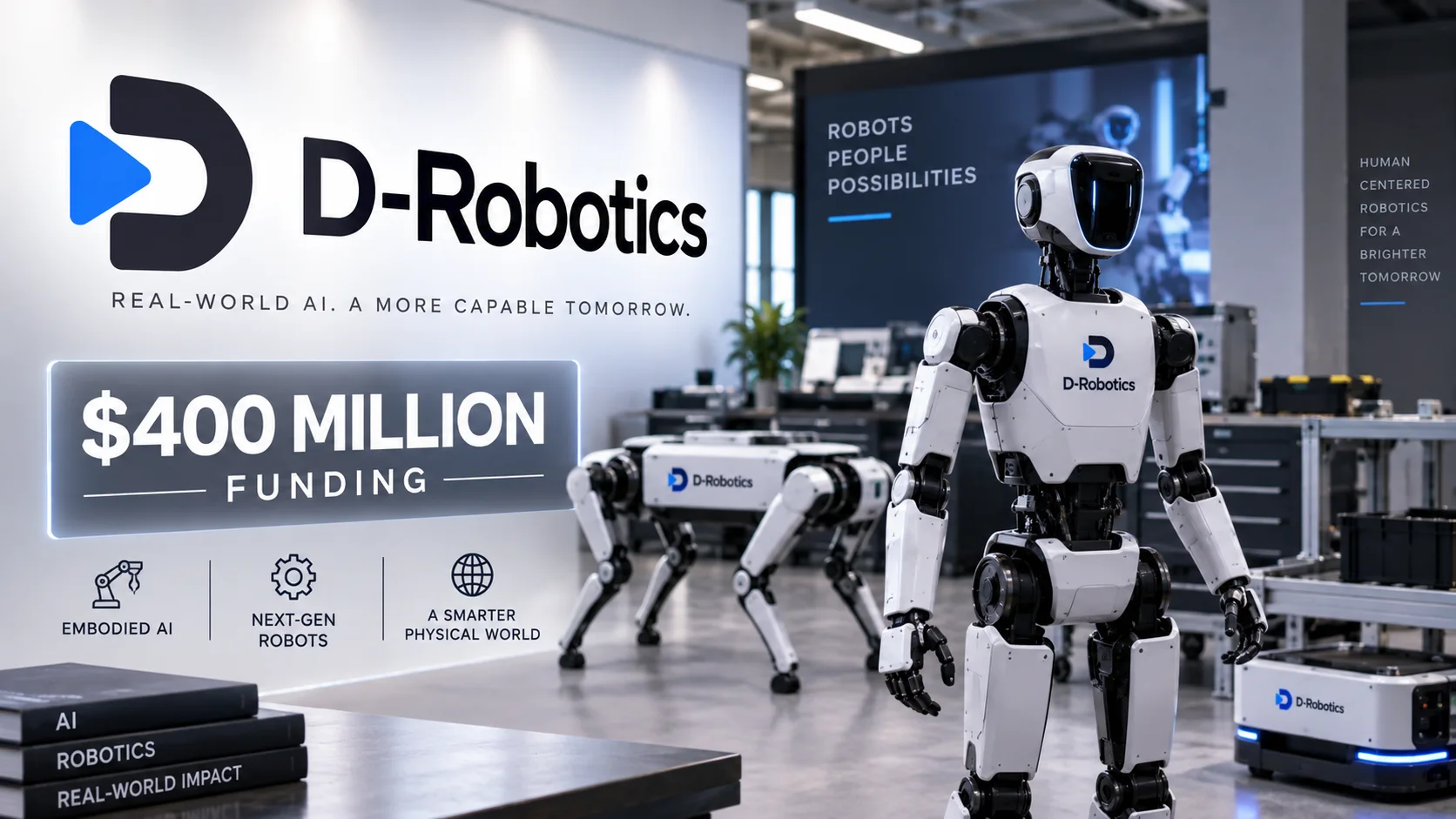
Chinese robotics technology company D-Robotics has closed a $400 million Series C to expand its Sunrise chip portfolio and build software infrastructure for embodied AI and humanoid robots.

MediaTek has launched its Dimensity 9600 Pro, its first mobile processor built using TSMC’s 2nm technology, as the chipmaker targets the premium smartphone market with faster on-device AI. The company has also introduced the 3nm-based Dimensity 9600M while expanding its ambitions into data-center AI chips.
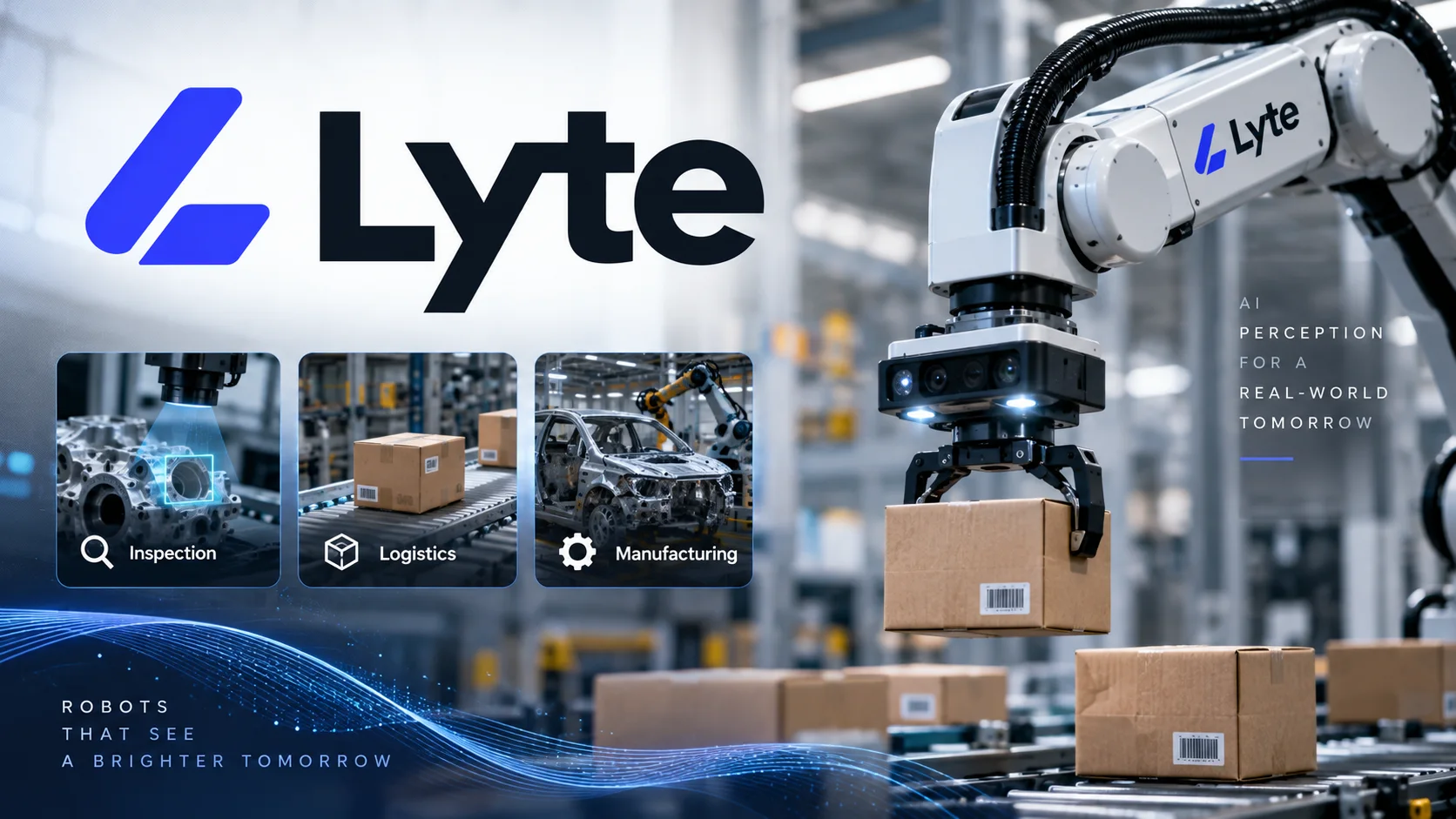
Physical AI company Lyte has raised $165 million in Series C funding at a $1.6 billion valuation. The company plans to use the capital to scale production of its sensing technology and expand deployments across robotics and industrial applications.
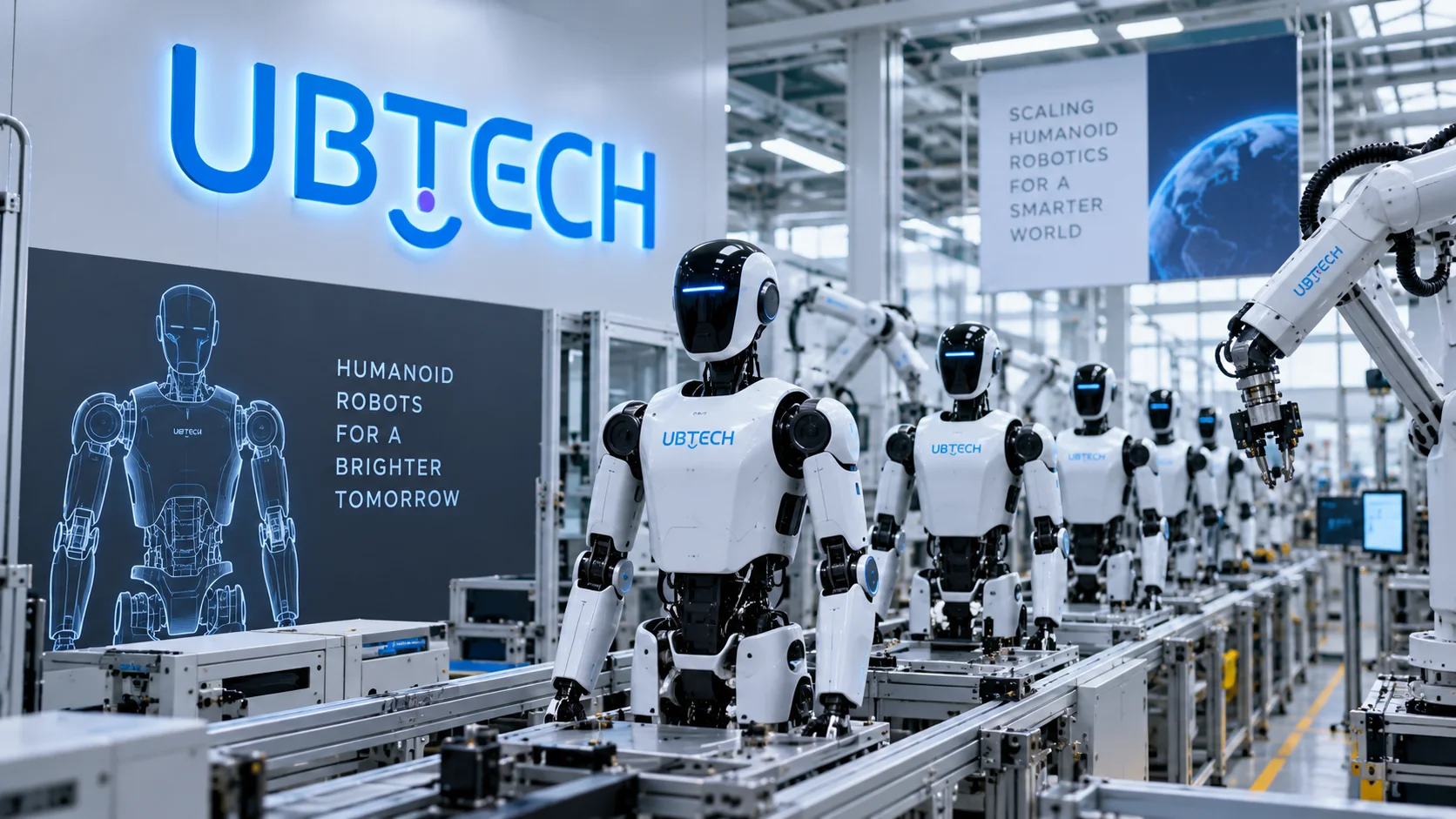
UBTECH has begun production at a new 14,000-square-meter humanoid robot factory in Liuzhou, China. The facility is designed for large-scale production of the company’s industrial humanoid robots, with robots themselves taking part in several manufacturing tasks.
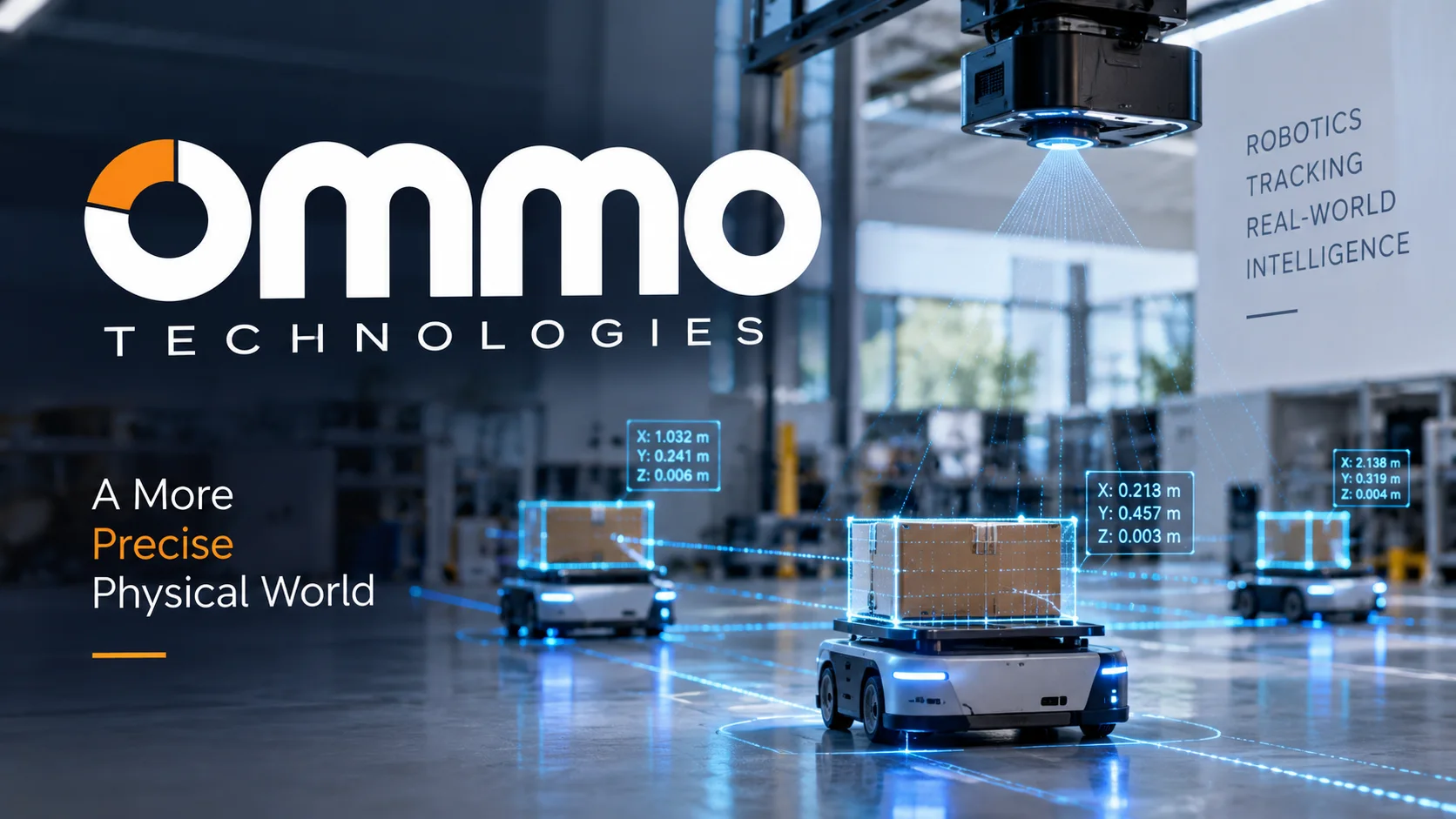
Ommo Technologies has raised $30 million in Series A funding to expand its magnetic positioning technology, which can track the position and orientation of machines with sub-millimeter precision. The company is targeting robotics, embodied AI, advanced manufacturing and healthcare.

Ukraine is rapidly expanding its use of unmanned ground vehicles on the battlefield, deploying robots for reconnaissance, logistics, mine-related missions and combat support. With manpower shortages putting additional pressure on military units, commanders increasingly see robotic systems as a way to reduce soldiers' exposure to danger while allowing humans to focus on critical decisions.

Australian AI startup Metacognition AI has raised $10 million in pre-seed funding from Main Sequence, giving the early-stage company significant capital to develop an AI software layer focused on memory, reasoning and safer autonomous actions.
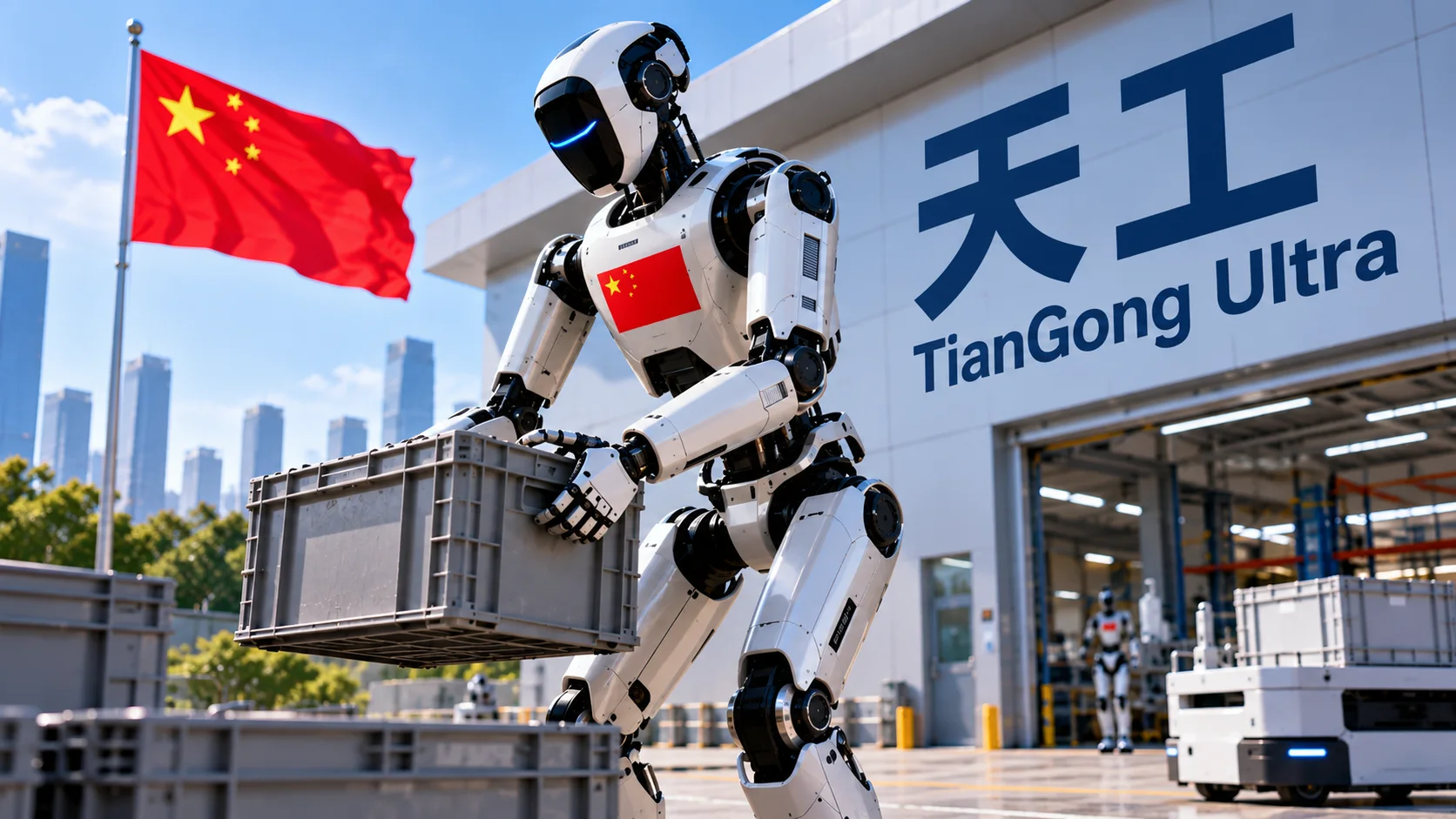
China’s TianGong Ultra humanoid robot made headlines by running 100 metres faster than Usain Bolt’s world record. Its developers are now turning their attention to a much harder challenge: making humanoid robots reliable enough for factories, commercial services and emergency work.
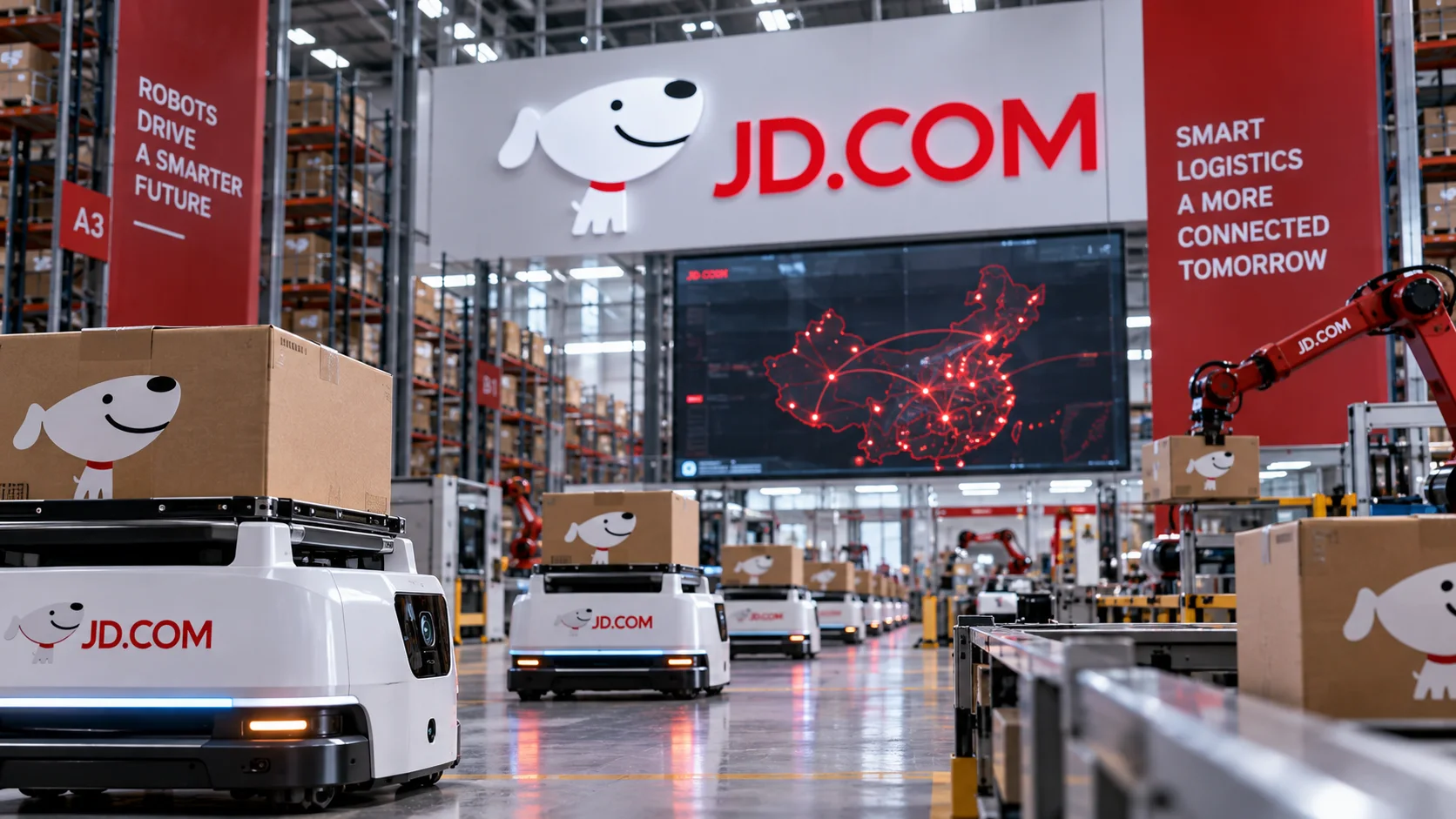
JD.com plans to procure 3 million robots, 1 million autonomous vehicles and 100,000 delivery drones over the next five years as it moves toward a largely automated logistics network. The company also plans to build 80 robotics hubs and retrain frontline workers for technical roles.

TDK has launched new 100V X7R multilayer ceramic capacitors with 10μF capacitance in the compact 3225 package. The low-resistance, soft-termination components are designed for 48V power systems in AI servers, humanoid robots, electric vehicles and industrial equipment.
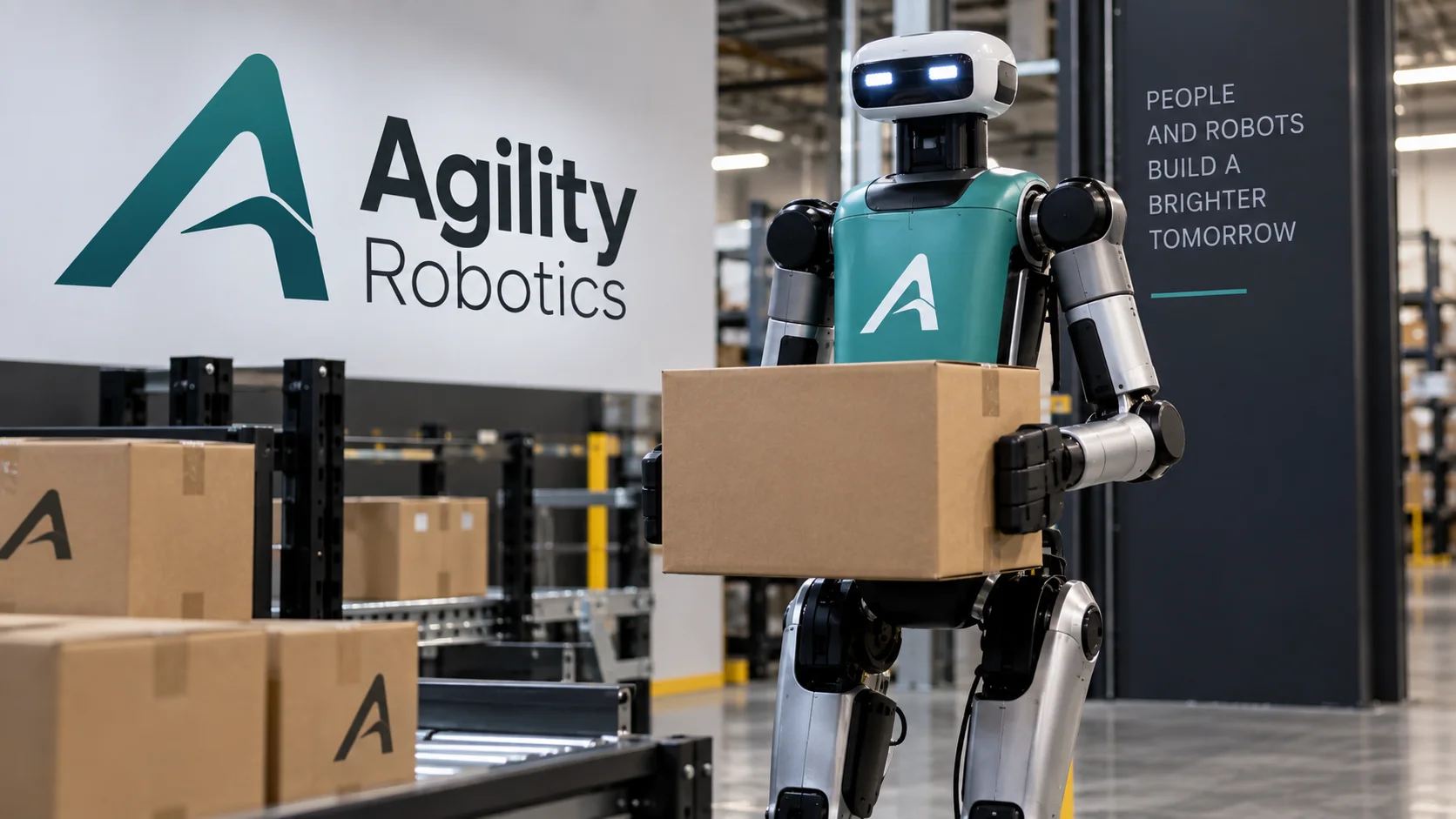
Agility Robotics has disclosed $1.78 million in 2025 sales as it prepares to go public through a proposed merger with Churchill Capital Corp XI. The SEC filing also reveals a $140 million operating loss, more than 65,000 hours of Digit deployments and a pipeline of more than $300 million in multi-year orders for its next-generation humanoid.
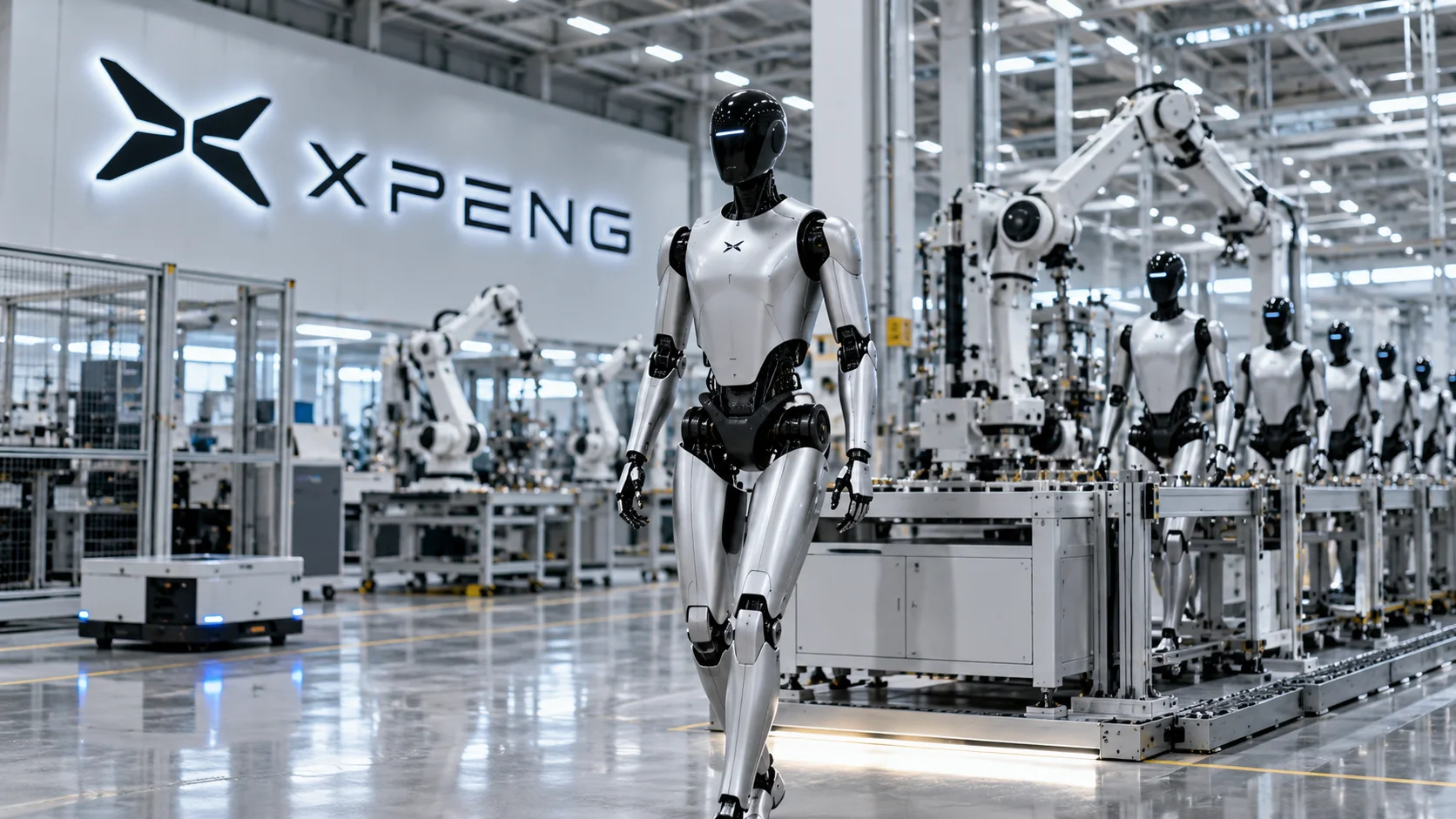
XPeng has commissioned a dedicated production line for its IRON humanoid robot in Guangzhou, moving the project from prototype development into production-line manufacturing. The company plans to begin mass production by the end of 2026, with commercial deliveries expected in 2027.
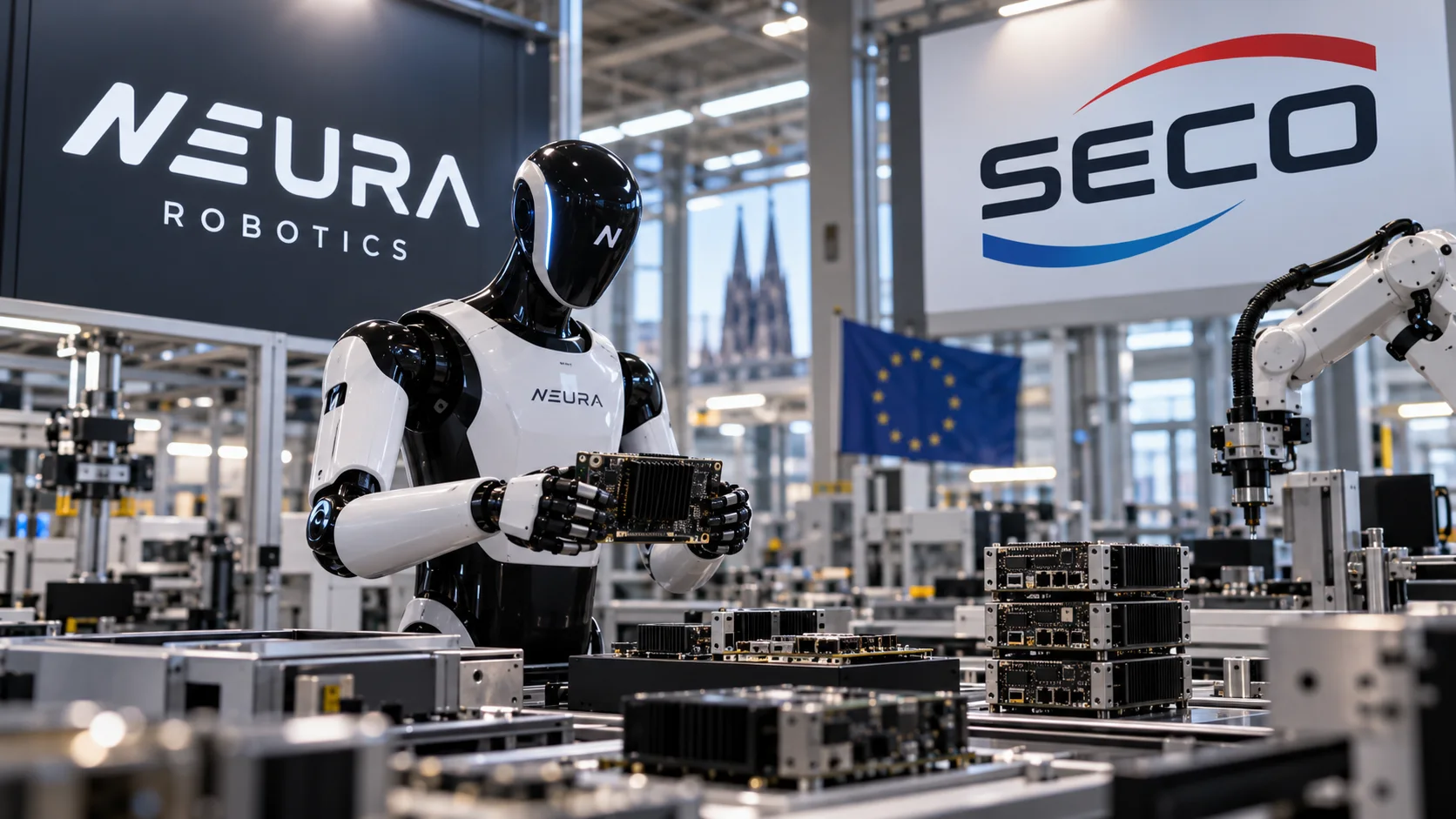
NEURA Robotics has partnered with Italian embedded-computing company SECO to design and manufacture compute modules for its cognitive robots, including the 4NE1 humanoid. The collaboration is aimed at scaling Physical AI hardware through a European supply chain.
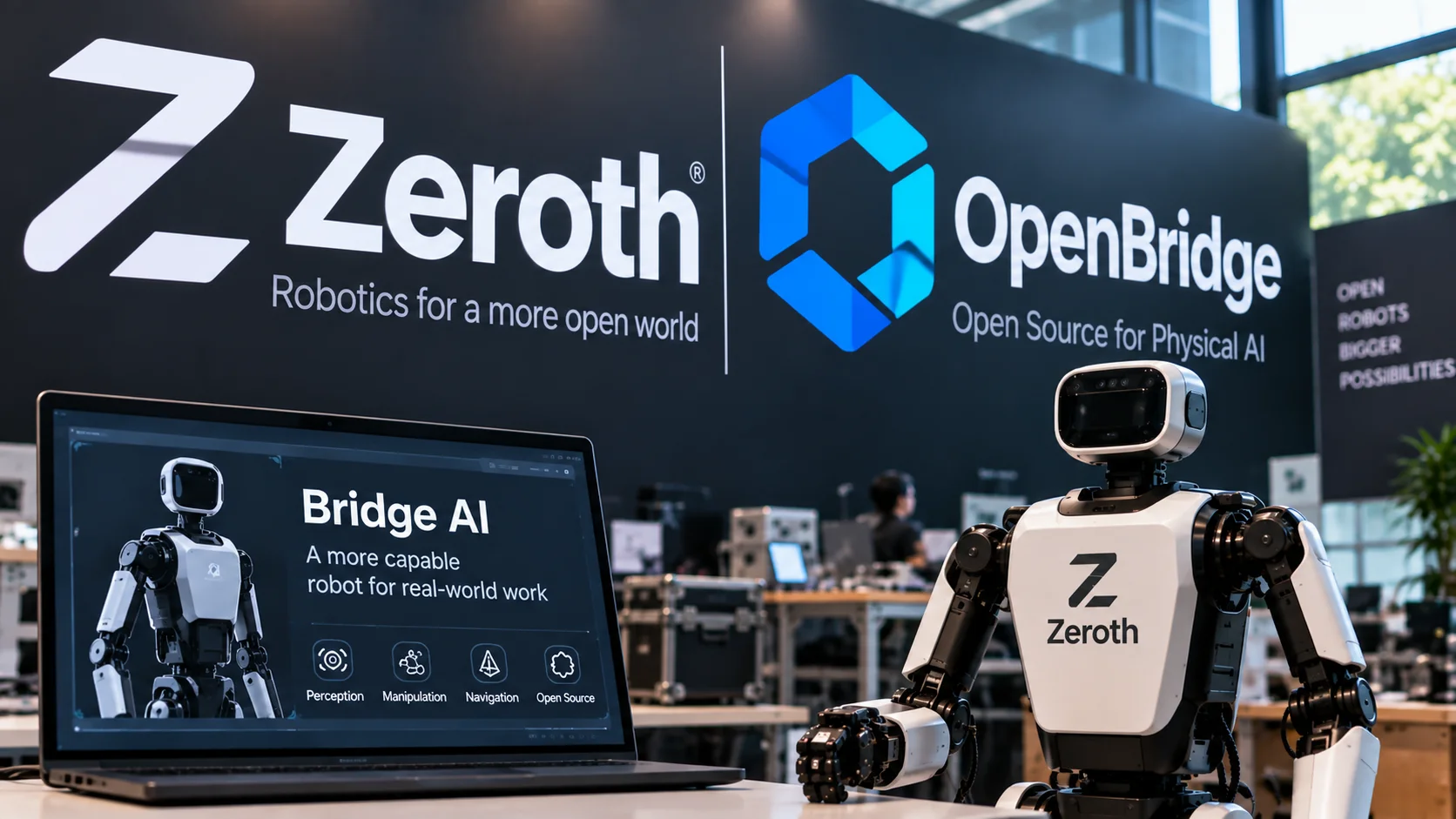
Zeroth has launched Bridge, an AI-native humanoid robot designed for physical AI development, alongside OpenBridge, an open-source ecosystem that allows developers to build, test and share robotic skills.

Enovis plans to acquire French surgical robotics company eCential Robotics for nearly $180 million, expanding its orthopedic technology portfolio with robotic-assisted surgery capabilities.

IFA Berlin 2026 has opened with AI, humanoid robots and smart home technology dominating the consumer electronics showcase.

DJI’s ROMO 2 combines AI cleaning, drone-derived sensing, robotic legs and a LiDAR-guided arm for smarter home cleaning.
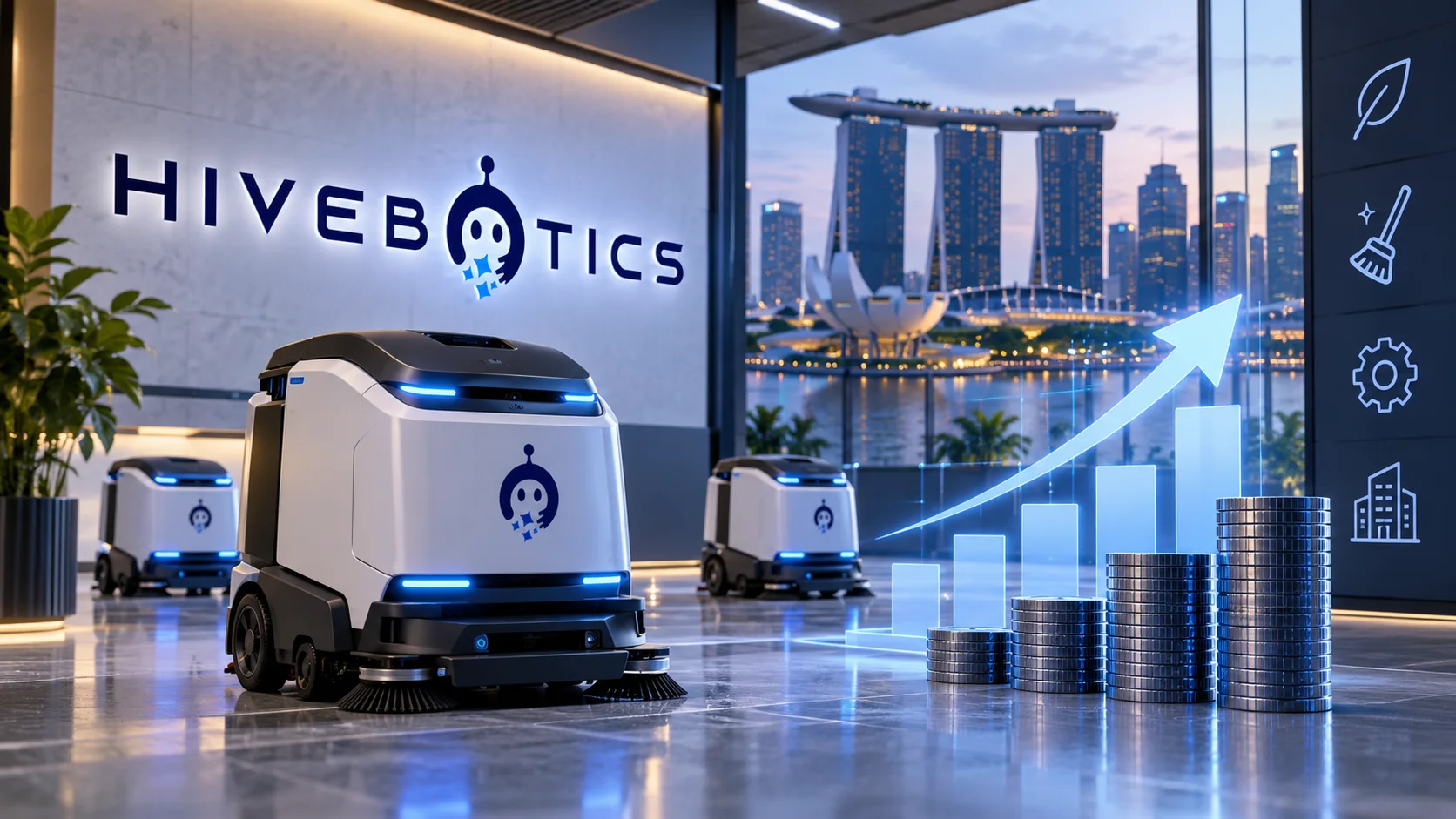
Singapore startup Hivebotics has raised $6 million to take its autonomous restroom-cleaning robot into large-scale production.

Investors, entrepreneurs and executives are travelling to China to visit factories, robotics companies and technology hubs as the country’s advances in AI, EVs and manufacturing draw growing global attention.

South Korea plans to invest 2.3 trillion won through 2030 to develop domestic humanoid robotics capabilities and strengthen its position in the global physical AI race.

Renesas has opened a new Physical AI & Robotics Lab in Beijing to support the development, testing and deployment of next-generation robots and humanoid systems.