Cloud & Data
AI Data Centre Boom Faces Power, Water and Financing Risks
AI data-centre developers face power delays, water constraints, semiconductor shortages and community opposition that threaten project timelines and returns.

News on cloud computing, data centres, data infrastructure and enterprise data technologies.
AI data-centre developers face power delays, water constraints, semiconductor shortages and community opposition that threaten project timelines and returns.
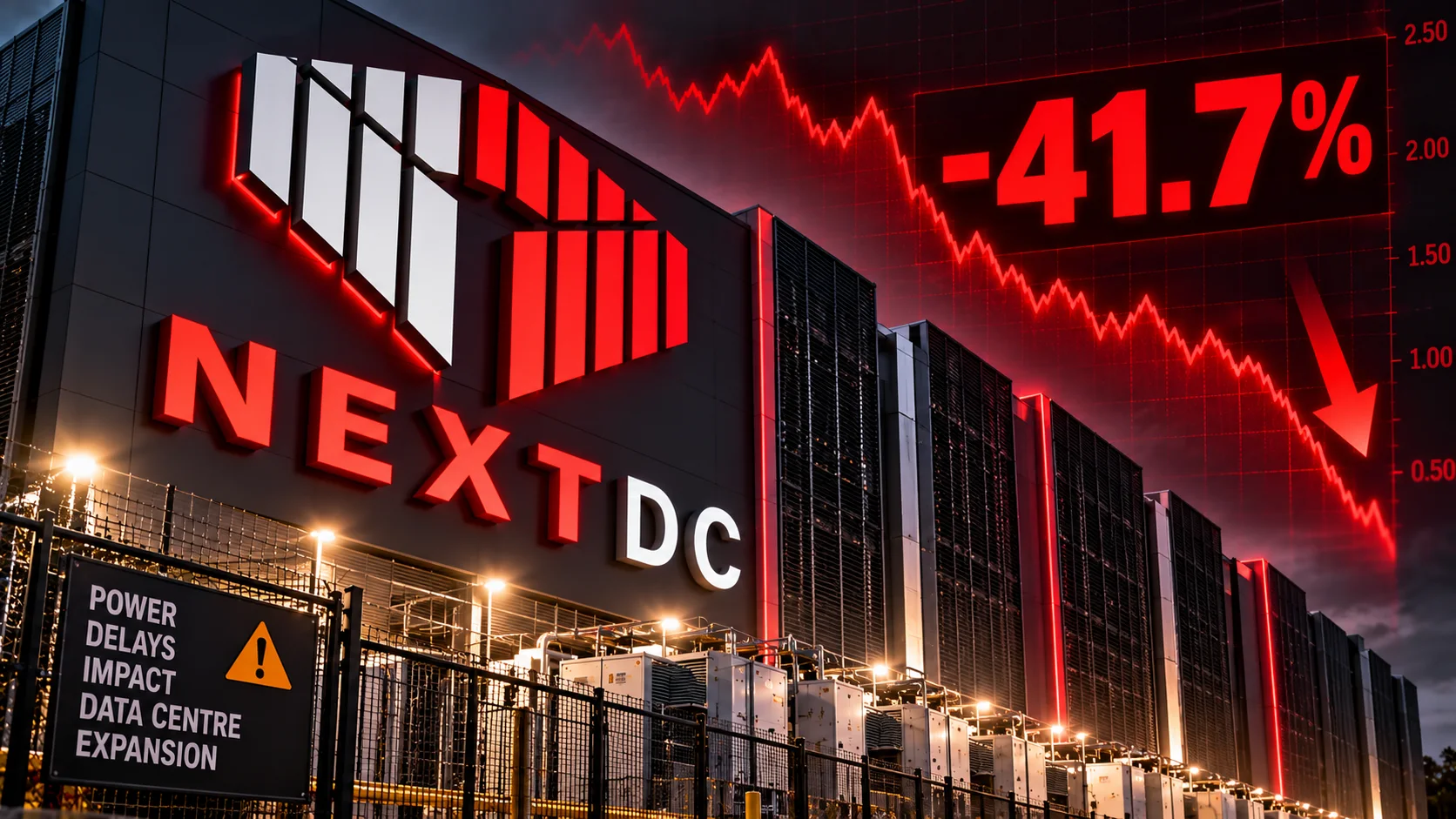
NextDC shares plunged 41.7% after Melbourne power delays forced a financial outlook cut and halted new development plans.
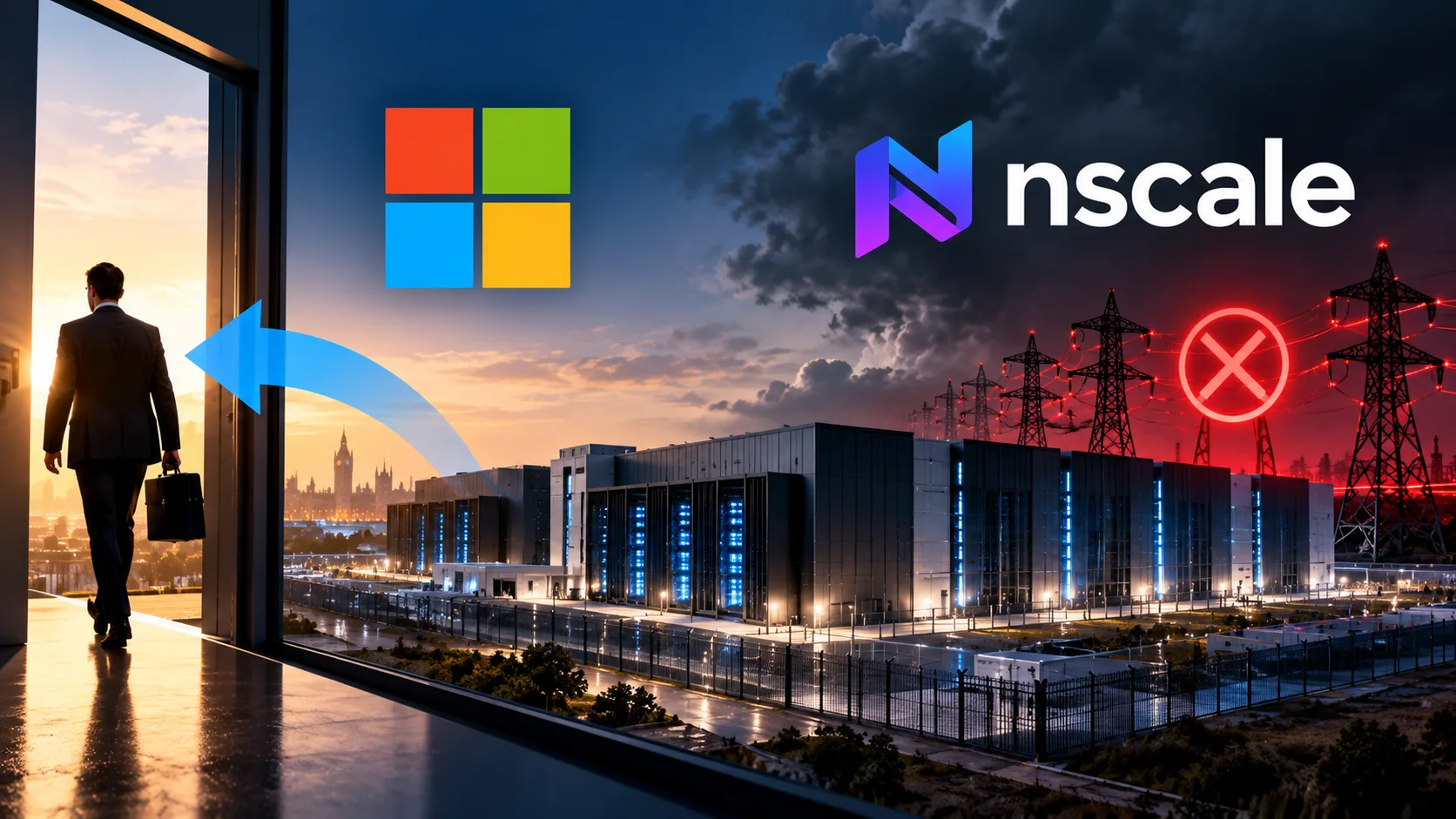
Microsoft has exited Nscale’s planned Essex AI data centre deal after grid delays threatened to postpone power availability until the 2030s, highlighting a major obstacle to AI infrastructure expansion.
Munich-based CedarDB has launched its managed cloud database, combining transaction processing and analytics in one PostgreSQL-compatible engine for applications and AI agents.

Governments are widening digital sovereignty policies to cover AI infrastructure, training datasets and model governance as they seek greater control over critical technology.
AI data-centre transparency is under pressure as technology companies face local opposition over secrecy, electricity demand, water use and community impacts.
Cloudflare acquires Deno to strengthen its Workers platform, combining the teams’ technology to simplify how developers build and run distributed applications.

Silicon Valley’s AI boom is running into a shortage of computing power, forcing technology companies and startups to compete for GPUs, data-centre capacity and long-term infrastructure deals. The crunch is delaying projects, increasing costs and reshaping partnerships as access to computing resources becomes a critical factor in scaling AI systems.

Nvidia-backed AI infrastructure company Firmus has withdrawn its planned $5 billion Australian IPO after its proposed valuation of more than $30 billion struggled to attract sufficient investor support. The company plans to seek private funding instead, highlighting growing scrutiny of the costs, execution risks and valuations surrounding AI data-centre businesses.
Blackstone-backed AirTrunk is expanding its TOK1 hyperscale data centre campus in Japan with a $1 billion green loan, adding more than 100 MW of IT capacity and liquid cooling for high-density AI workloads.
LTM has expanded its partnership with Google Cloud to help enterprises move Gemini Enterprise from early experimentation into production through dedicated AI expertise and customer support.

Google and Constellation Energy have signed a long-term agreement covering 890 MW of new nuclear capacity for the PJM grid, with an additional 2,700 MW of nuclear power included in a 15-year deal to support rising AI data center demand.
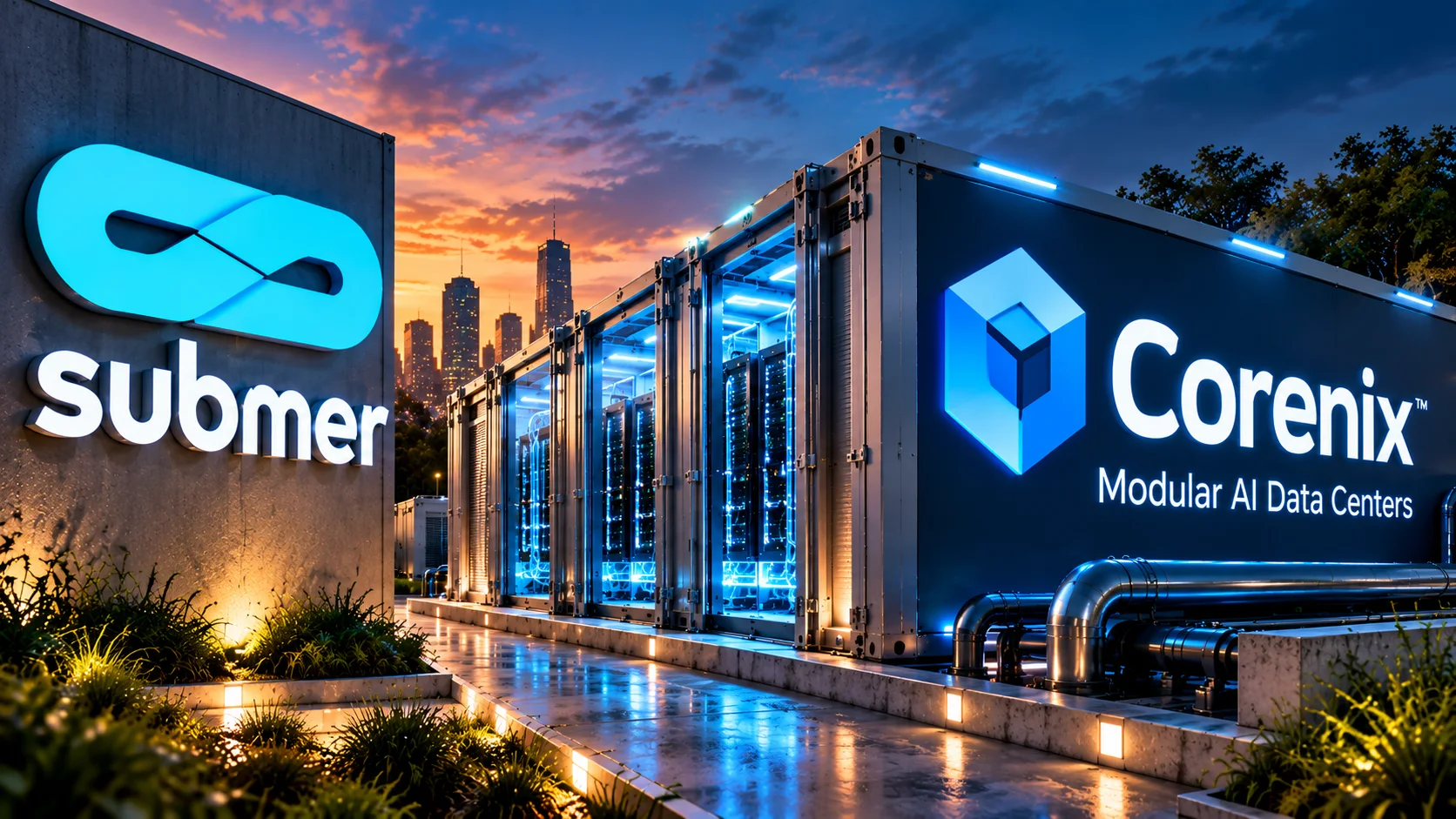
Submer Group has launched Corenix, a new modular data center infrastructure company designed to help neoclouds, hyperscalers and AI operators deploy high-density computing capacity faster.

Amazon Web Services will invest more than $1 billion over five years in U.S. communities where it operates data centers, focusing on education, workforce training, energy affordability and water resources.

CtrlS Datacenters is working with Ciena to deploy five metro optical networks connecting nine Indian data centers, with up to 100 Tb/s of capacity for AI and cloud workloads.
Vietnam’s Stavian Group has started a U.S.-backed feasibility study for Stavian Digital Park, a planned hyperscale AI and cloud campus in Ho Chi Minh City targeting 300MW of power capacity by 2030.
Bell Canada is planning a major expansion of its AI infrastructure operations in Saskatchewan that could create a 1.2GW computing hub. The project could involve up to C$52.5 billion in total capital investment and add 900MW of new capacity.
Vietnam is attracting major investment in data centers as demand for AI and cloud computing grows, but securing enough reliable electricity is emerging as a key challenge. The country will need faster expansion of power generation and transmission to keep pace with new computing infrastructure.

The Philippines has finalized a $34.4 billion AI infrastructure masterplan aimed at turning the country into a regional AI hub. The plan targets a 30-fold increase in AI data-center capacity, from about 50MW today to 1.5GW by 2033.

Microsoft is reportedly planning to more than triple its global data center capacity to over 38 gigawatts by 2032, up from roughly 12 gigawatts today. The expansion comes as the company faces shortages of computing capacity needed for AI and cloud services.

The United Arab Emirates is revising plans for a major 5-gigawatt AI data center project in Abu Dhabi after Iranian attacks damaged technology infrastructure in the Gulf. The project is now expected to be spread across multiple locations, with stronger physical security measures being considered to protect critical AI infrastructure from future missile and drone threats.
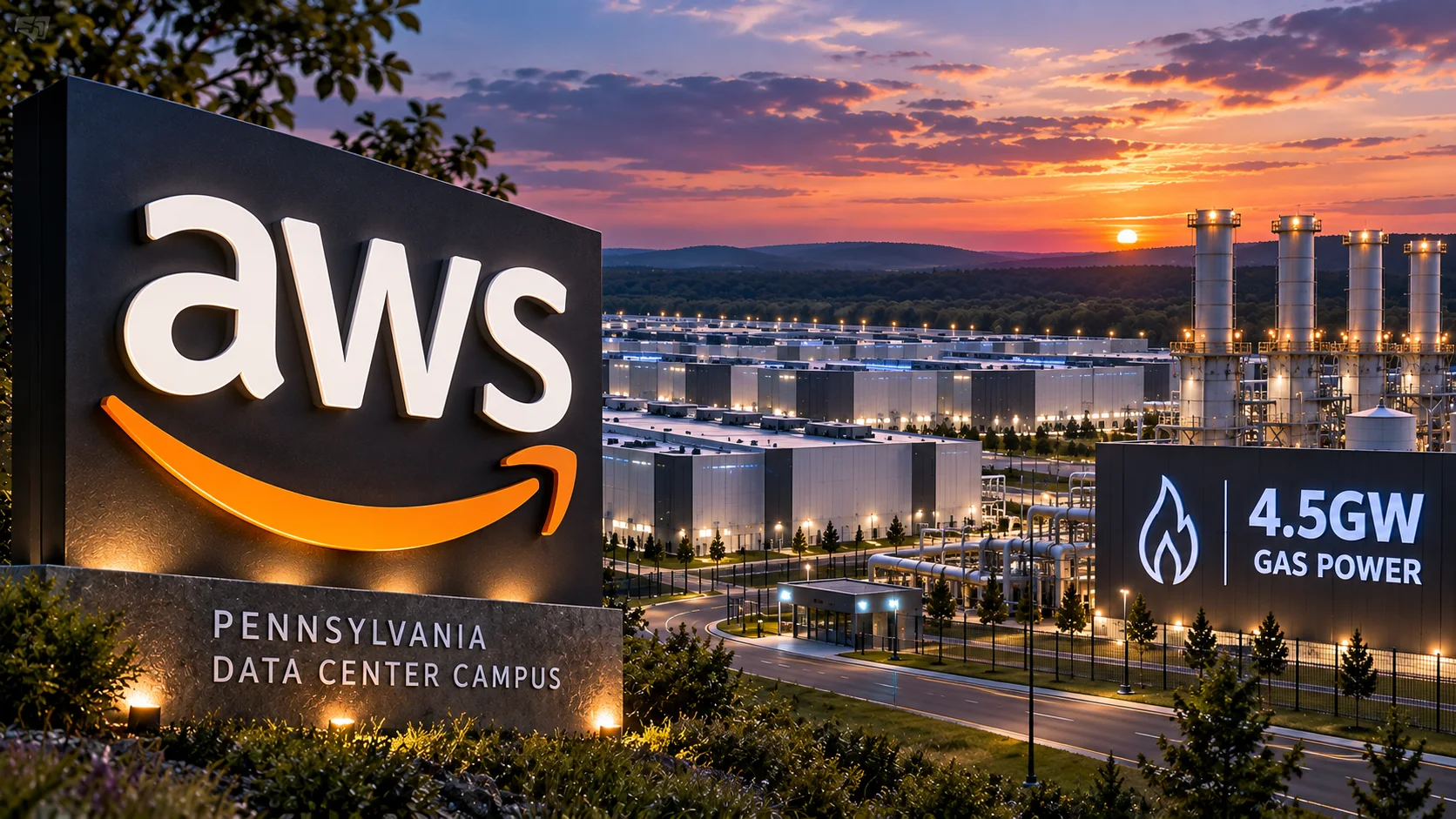
Amazon Web Services has filed plans for a 39-building data center campus in Pennsylvania, with the development expected to draw power from a new natural-gas generation complex capable of producing about 4.5GW. The project forms part of Amazon's broader push to expand cloud and AI infrastructure in the state.

Google will invest at least €13 billion in Finland over the next two years to expand AI and digital infrastructure, including new data centres, clean-energy projects and grid investments. The plan also includes a 22-year agreement with Fortum to secure power from Finland’s Loviisa nuclear plant.

Palantir has selected AI cloud provider Nebius as its preferred sovereign AI infrastructure partner in a new strategic collaboration. The companies will combine Palantir’s AI software with Nebius computing and inference infrastructure, giving eligible customers greater control over their models, data and computing resources.
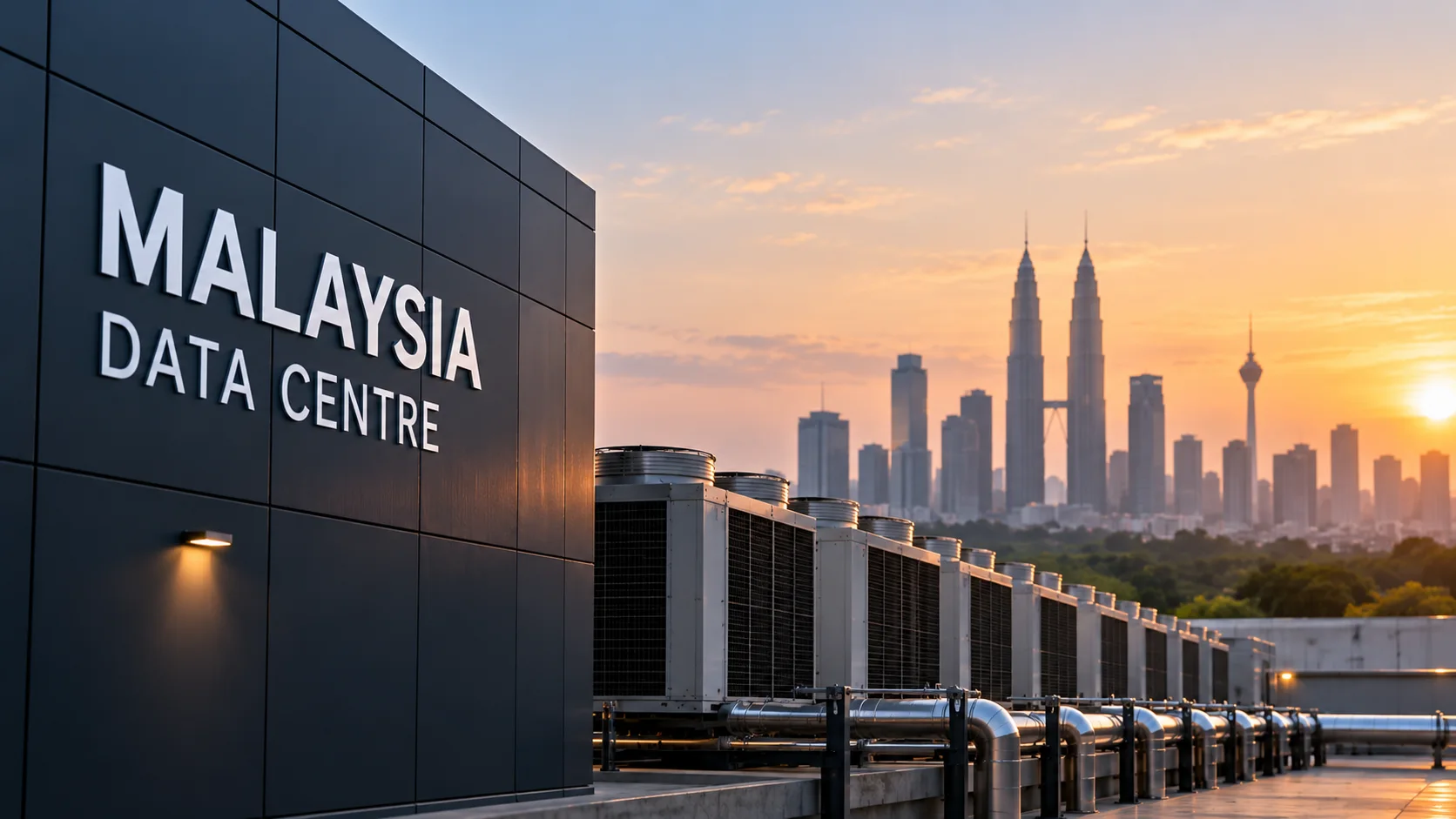
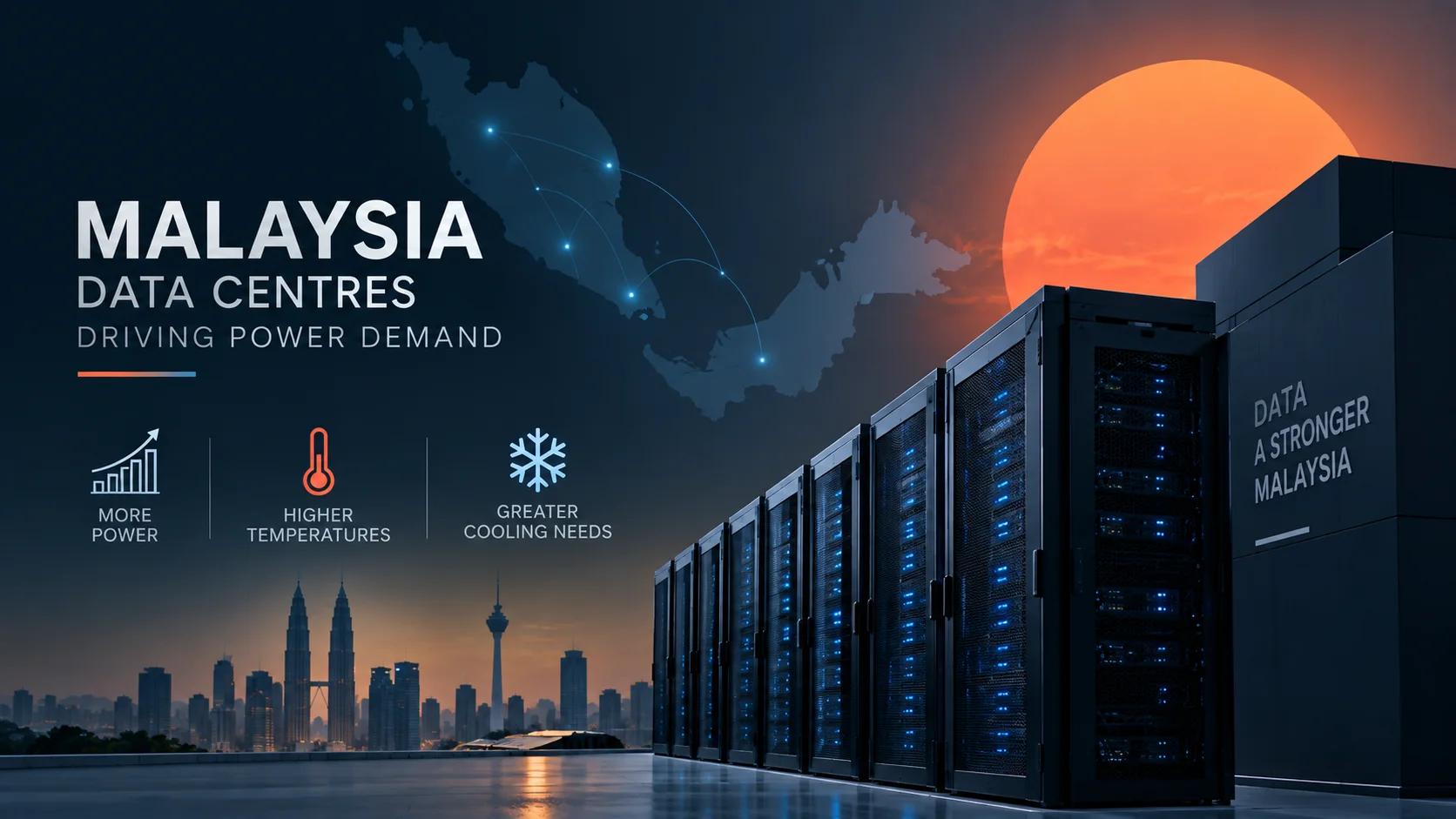
Malaysia’s fast-growing data centre industry is putting additional pressure on the country’s electricity system as higher temperatures increase cooling requirements. Data centres accounted for a record 9.3% of overall power consumption in the second week of August, prompting plans for more gas-fired generation.

Argentina’s Patagonia is attracting growing interest from technology and energy companies looking to build large data centers. The region offers abundant land, cool temperatures, renewable energy and access to Vaca Muerta’s natural gas resources.
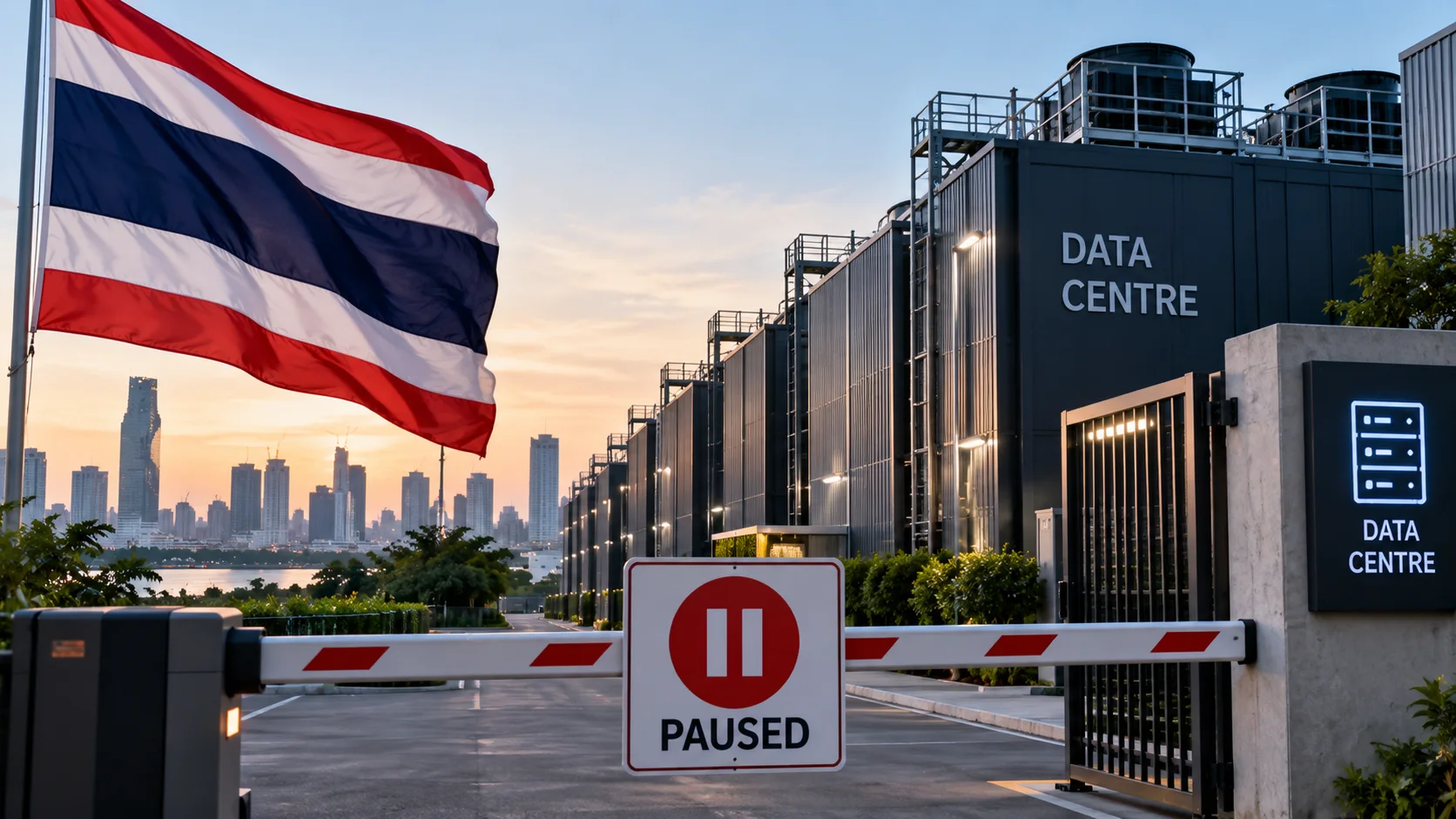
Thailand has paused 166 data centre projects, including 49 already under construction, as the government moves to introduce nationwide rules covering power, water, safety, locations and environmental impact.
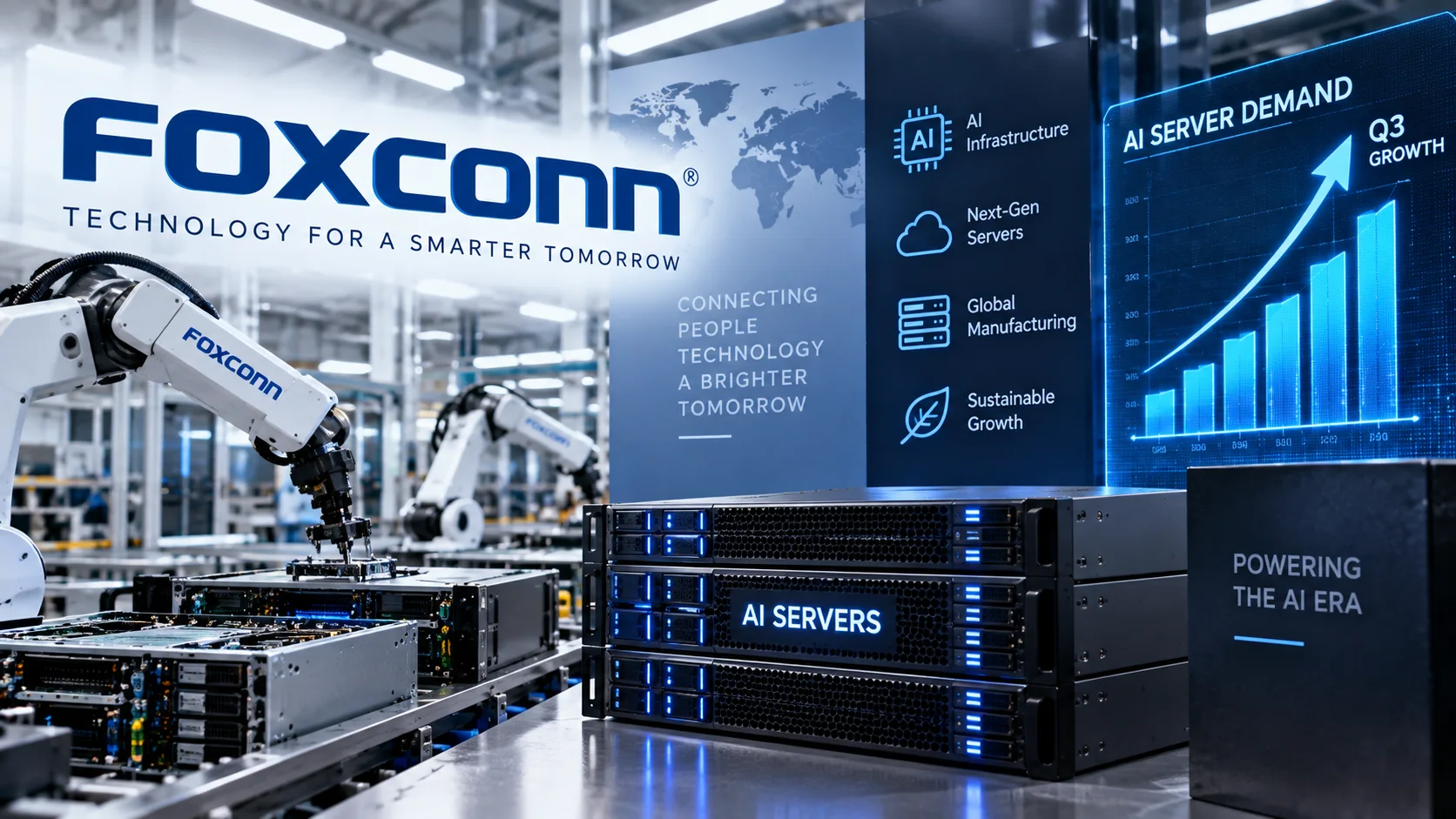
Foxconn expects its third-quarter performance to beat market expectations as demand for AI servers and other technology products continues to drive record revenue.

ASUS has expanded its AI infrastructure portfolio with new Intel and AMD-powered servers and rugged edge systems designed for enterprise, data center and real-world industrial AI workloads.

HPE and Oracle are expanding their collaboration to deploy HPE Juniper Networking across Oracle’s global cloud and AI data-center infrastructure.

AWS and Microsoft have launched a managed private connectivity service between AWS and Azure, giving businesses a simpler way to connect workloads across the two major cloud platforms.

Microsoft has disclosed exact Azure sales figures for the first time, giving investors a clearer view of its cloud business as the company reorganizes its financial reporting around AI and infrastructure.

Enablence Technologies and ShunYun Technology have completed volume-production readiness at their Vietnam facility, targeting the growing demand for high-speed optical connectivity in AI data centres.
Equinix is expanding renewable energy investments in Singapore while exploring geothermal power, SMRs and new technologies to support the country's growing AI and data-centre infrastructure.
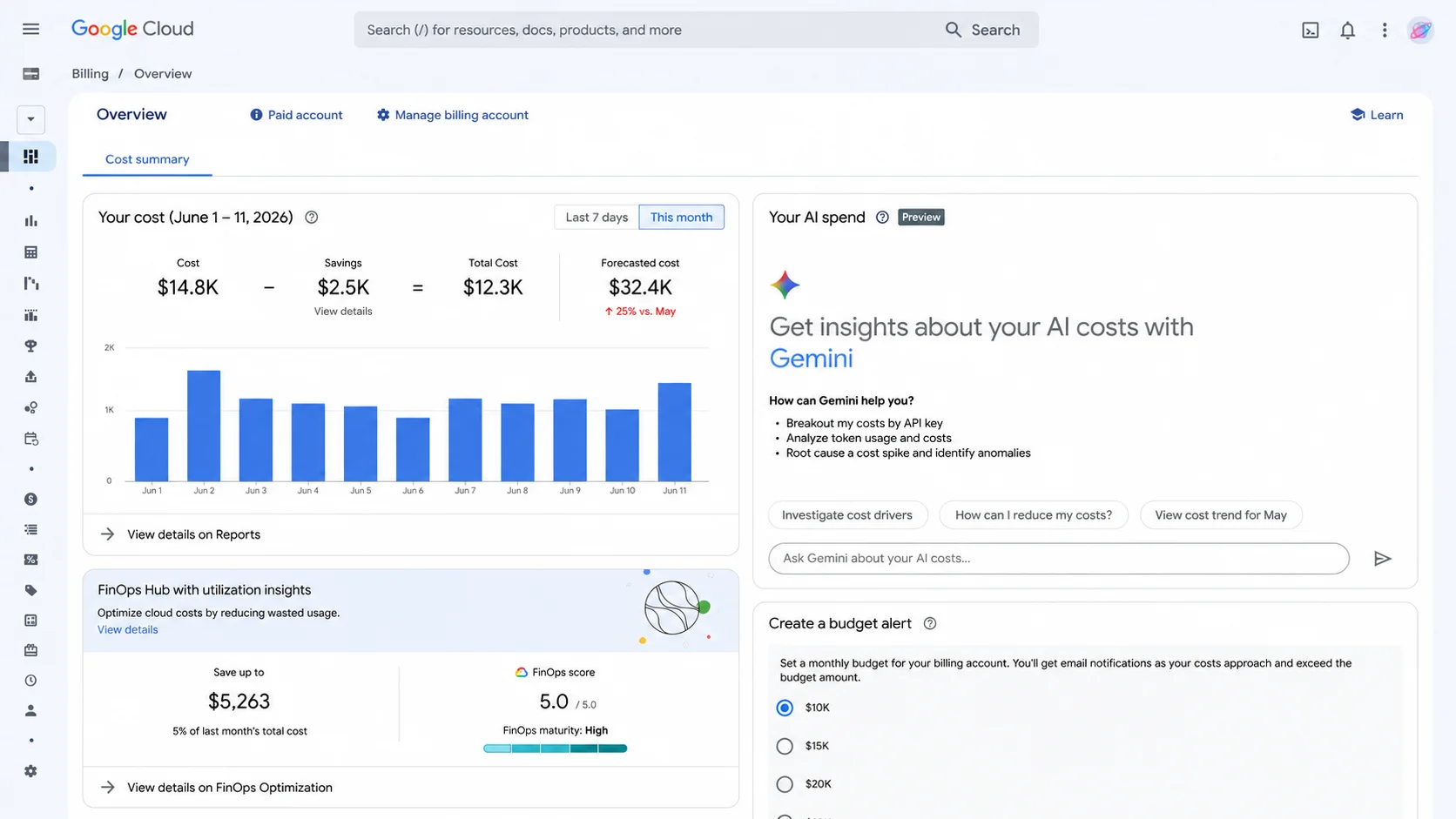
Google Cloud is introducing flexible billing and new cost controls for AI agents, helping enterprises manage unpredictable spending as agentic AI adoption expands.
Nutanix is expanding its cloud platform with new capabilities designed to help enterprises securely deploy, manage and scale agentic AI across hybrid and multicloud environments.
Anthropic has agreed to spend $45 billion on AI computing capacity from Nscale over six years as it expands infrastructure to meet growing demand for its AI products.
AWS is set to acquire DuckLabs, the company behind open-source database DuckDB, in a move aimed at strengthening cloud analytics and data infrastructure for AI-driven applications.