
Malaysia Data Centres Drive Power Demand as Heat Raises Cooling Needs
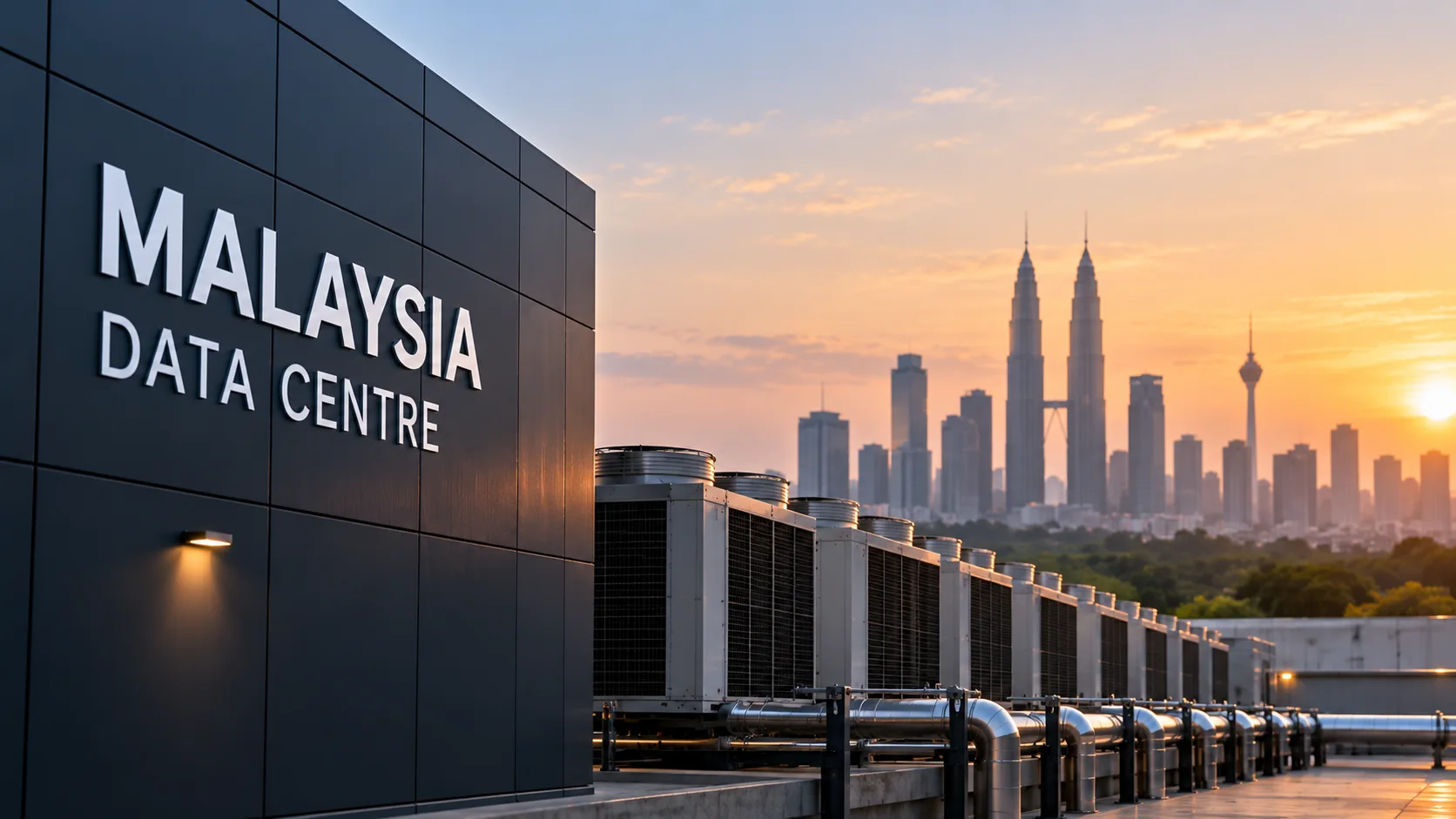

Malaysia’s data centres are consuming more electricity as temperatures rise, adding pressure to an energy system already dealing with rapidly growing demand from the country’s expanding digital infrastructure. Data centres accounted for a record 9.3% of Malaysia’s overall power consumption in the second week of August, compared with an average of 7% for the year.
Energy Commission CEO Siti Safinah Salleh said hotter weather was increasing the amount of electricity required to cool data centre facilities. The country is now expected to add 9 gigawatts (GW) of gas-fired power capacity by 2032 to meet rising demand, as it gradually reduces its dependence on coal.
Data Centres Could Take a Third of Power Demand
Malaysia has become Southeast Asia’s fastest-growing data centre hub, attracting billions of dollars in investment from major technology companies including Amazon and Microsoft. The expansion is being driven partly by growing demand for cloud computing and artificial intelligence infrastructure.
The Energy Commission estimates that data centres could account for as much as 31% of Peninsular Malaysia’s electricity demand by 2035. That would represent a major shift in the country's power requirements, with large computing facilities becoming one of the biggest sources of new electricity demand.
Heat Is Adding to the Energy Burden
The data centre boom is coinciding with periods of unusually hot weather, creating an additional challenge because cooling systems consume substantial amounts of electricity. The Energy Commission said it does not expect the current hot conditions to continue beyond early September, but the immediate impact has already pushed consumption higher.
Low water levels at hydroelectric dams are adding to the pressure. The combination of stronger data centre demand, hotter weather and reduced hydropower availability is forcing Malaysia to make greater use of other generation sources while it works on longer-term capacity additions.
Malaysia Turns to Gas as Coal Retires
Malaysia plans to retire its remaining coal-fired power plants by 2044 and is increasingly looking to natural gas to support the electricity system during the transition. The government says it will need an additional 9 GW of gas-fired capacity by 2032 as electricity demand continues to grow.
However, no new gas-fired generation is expected to come online this year or next. Until the end of 2027, the Energy Commission plans to optimise the country's existing generation fleet to manage the additional demand.
AI Infrastructure Fuels Malaysia’s Data Centre Boom
Malaysia's growing importance as a data centre location has been strengthened by its relatively strong access to energy resources and its proximity to major Asian markets. Johor, in particular, has emerged as a major hub as companies look for alternatives to more constrained data centre markets in the region.
The expansion is increasingly tied to AI infrastructure, which requires large amounts of electricity for both computing and cooling. The scale of planned investment means Malaysia must balance its ambitions to become a regional technology hub with the availability and reliability of power.
Grid Pressure Is Growing, but Shortages Are Not Expected
Despite the rapid increase in electricity use, industry observers do not expect Malaysia to face immediate power shortages because of new data centre deployments. Gary Goh, senior manager for business development at Sprint DC Consulting, said the additional demand remains within the country's grid-planning parameters.
The bigger challenge is preparing enough generation capacity for the years ahead. If data centres continue expanding at the expected pace, Malaysia will need to add power infrastructure while simultaneously reducing coal use and managing the effects of extreme weather.
For Malaysia, the issue is no longer simply whether the country can attract data centre investment. It is whether its electricity infrastructure can expand quickly enough to support that growth while meeting its longer-term energy transition goals.