Foreign Tech Leaders Are Flocking to China to See Its Innovation Boom Firsthand
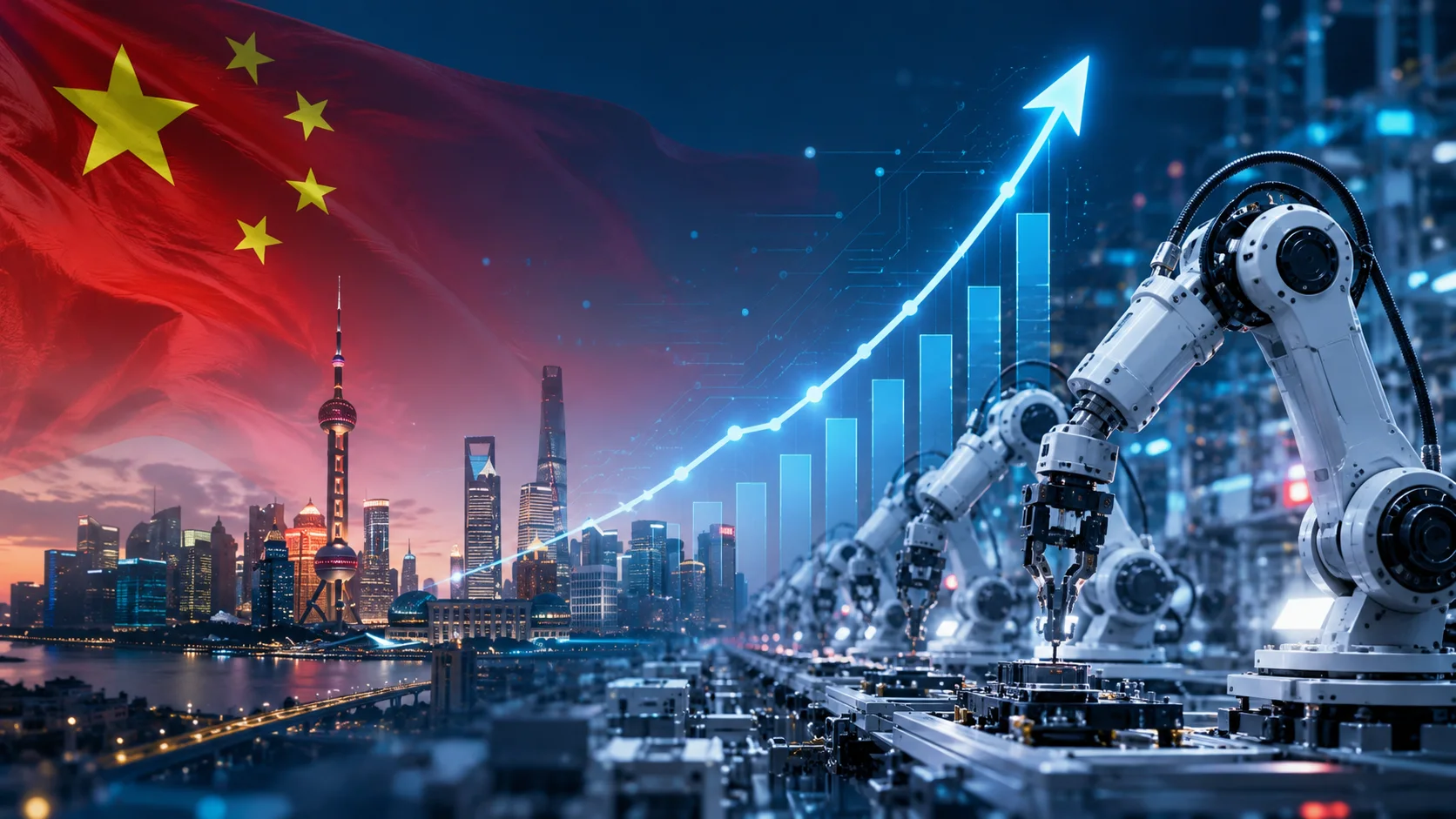
For some foreign investors and technology executives, keeping up with China’s tech industry now means doing more than reading reports or watching product launches. They are travelling there to see it for themselves. Across cities such as Shenzhen, Shanghai, Beijing, Hangzhou and Hefei, foreign visitors are touring factories, meeting technology companies and looking closely at China’s work in AI, robotics, electric vehicles and advanced manufacturing. Some are paying thousands of dollars for access to places that were not previously part of the usual international technology circuit. The shift reflects a growing curiosity about how quickly Chinese companies are turning technological ideas into products at scale — and, for some executives, a concern that their own companies could fall behind.
China's technology ecosystem becomes a destination
Robert Wu, CEO of Shanghai-based data research firm Baiguan, told Reuters that China is increasingly being treated as a place to study and learn from, a trend that was far less common a few years ago. Wu has organised two technology tours so far for more than two dozen investors, entrepreneurs and executives. His five-day programmes can cost as much as $15,000, with about half of the participants coming from Southeast Asia.
Other tour operators are seeing similar demand. Shanghai-based GloPen said enquiries increased by 50% in 2026, mainly from European and Singaporean clients. The company now arranges more than 100 single-day visits to technology companies each month. The interest is not limited to investors looking for their next deal. Some visitors want to understand how Chinese companies manufacture products so quickly, while others are trying to figure out how China's approach to technology development could be applied in their own markets.
From factory floors to AI and robotics
The tours often cover the industrial centres behind China's technology push. Visitors can see EV and battery production, robotics facilities and companies working on artificial intelligence. That physical exposure is part of the attraction. Bertrand Chen, CEO of the Global Shipping Business Network, joined a three-city tour focused on robotics and emerging technology in April. He said seeing the factories firsthand offered something that was difficult to capture from outside the country.
For European executives in particular, the visits come against a backdrop of concerns about weak productivity and the possibility of losing ground in AI and robotics. Alex Shengyun Lu, an AI consultant based in Shanghai, has led seven delegations of corporate visitors since late 2025. The questions he hears are fairly practical: What are Chinese companies doing differently, and what can be learned from the country's state-backed approach to technology investment?
Beijing is encouraging industrial tourism
The rise in technology-focused visits is also being supported by the Chinese government. Beijing has designated more than 140 official industrial tourism sites, encouraging factories and technology companies to open their doors to visitors. Xiaomi's EV factory in Beijing has attracted more than 250,000 visitors since March 2024. Entry slots are in such demand that tickets originally allocated through a lottery have reportedly appeared for resale online for as much as 2,000 yuan, or around $300. The interest is part of a much larger industrial tourism market. China's industrial tourism sector generated about $17.8 billion in 2025, according to state media, and is expected to exceed 300 billion yuan by 2029.
Shenzhen shows how much has changed
If there is one city that captures China's changing technology image, it is Shenzhen. Once best known primarily as a manufacturing centre, the southern city has become a major meeting point for hardware startups, robotics companies and technology entrepreneurs. Foreign visitor numbers increased 70% in 2025 and rose by more than 30% in the first quarter of 2026. The city is also trying to make itself easier for international visitors. Taxis now carry English-language announcements, while local businesses are creating Silicon Valley-style "hacker houses" where foreign robotics and AI hardware founders can stay and work.
For entrepreneurs trying to build physical products, Shenzhen offers something difficult to replicate elsewhere: close access to the factories and suppliers that can turn a prototype into a finished product.
The technology race is not over
The growing flow of visitors does not necessarily mean China has already overtaken its global competitors. Some technology observers caution against reading too much into the country's manufacturing scale and rapid development. Chinese companies still face gaps in areas such as global market share, intellectual property and profits, according to industry observers cited by Reuters.
But the fact that international executives are now travelling to China specifically to learn from its technology ecosystem is significant in itself. The visitors may arrive looking for investment opportunities, manufacturing partners or competitive intelligence. Increasingly, they are also arriving with a simpler question: how is China doing this so quickly? For a country once viewed mainly as the world's manufacturing base, becoming a place where foreign technology leaders come to learn is a notable change.