
TSMC Expands Nearly 20 Fabs as AI Chip Demand Outpaces Capacity
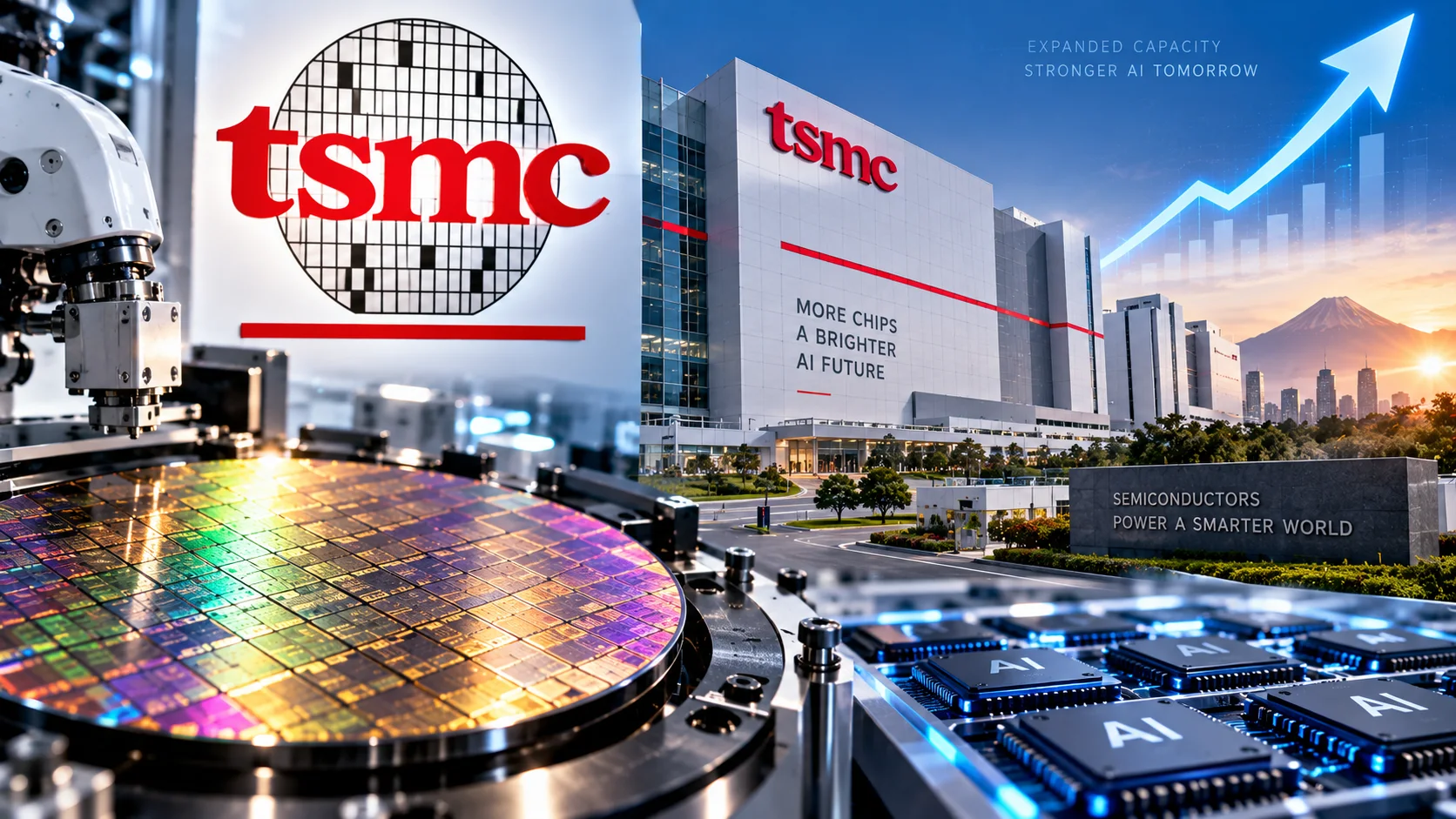
Taiwan Semiconductor Manufacturing Company is rapidly expanding its manufacturing footprint to keep up with the artificial intelligence boom, with nearly 20 semiconductor fabrication facilities now being built or developed around the world. Yet even that expansion is struggling to match the speed at which AI chip demand is growing.
The world's leading contract chipmaker is facing rising requirements from AI developers and data-centre operators as demand for advanced processors continues to climb. TSMC's equipment requirements have increased sharply in recent months, while shortages of specialised tools and experienced construction workers are creating additional hurdles for its capacity expansion.
The situation underlines a growing problem for the AI hardware industry: building more fabs is not enough when demand for advanced chips, manufacturing equipment and supporting infrastructure is increasing simultaneously.
TSMC Has Nearly 20 Fabs Under Development
TSMC is currently constructing 13 fabs in Taiwan and has broken ground at several overseas locations, bringing its global expansion programme to around 20 facilities. The company is increasing production capacity both to serve existing AI customers and to reduce the pressure on its manufacturing network as demand continues to rise.
The expansion stretches across Taiwan, the United States and other international locations. TSMC is also investing heavily in advanced packaging, an increasingly important part of the AI chip supply chain because high-performance processors need specialised packaging technologies to connect multiple chips and deliver greater computing capacity.
The company had previously planned capital expenditure of between $52 billion and $56 billion for 2026. More recent developments around equipment requirements point to the scale of investment needed to keep its expansion on schedule.
AI Demand Is Driving a New Capacity Race
The pressure is coming largely from the rapid expansion of AI infrastructure. Hyperscalers and AI companies are building increasingly large data centres filled with specialised processors, creating demand not only for leading-edge chips but also for advanced packaging and manufacturing capacity.
TSMC's equipment demand has nearly doubled from earlier expectations. The company's deputy co-COO Cliff Hou said equipment requirements had risen to around 1.9 times the level anticipated in December, reflecting stronger demand and the rapid construction of new facilities.
That surge is creating a difficult balancing act. Semiconductor equipment makers need time to manufacture and install highly specialised machines, while fabs themselves require skilled workers and extensive infrastructure before production can begin.
TSMC is therefore expanding its capacity while also competing for the people and equipment needed to make that expansion productive.
Construction Bottlenecks Add to the Pressure
The shortage is not limited to semiconductor manufacturing equipment. TSMC is also facing a lack of experienced construction workers capable of building advanced semiconductor facilities at the required pace.
That creates a bottleneck between investment and usable production capacity. A new fab can take years and billions of dollars to complete, meaning companies cannot immediately respond to sudden increases in AI chip demand simply by announcing another facility.
TSMC has been increasing investment in the United States as part of its broader global expansion. The company announced another $100 billion commitment for its Arizona operations in July, taking its planned US investment to $165 billion.
The expansion is also becoming strategically important for the wider semiconductor supply chain. Governments and technology companies are pushing for more geographically distributed chip production, while AI developers are looking for reliable access to advanced processors.
For TSMC, the challenge is no longer simply maintaining its position as the world's leading contract chipmaker. It now has to expand quickly enough to support an AI industry whose appetite for computing power continues to grow. With new fabs rising across multiple regions and equipment demand climbing sharply, the semiconductor race is increasingly becoming a race to build capacity fast enough to keep up with artificial intelligence.