Anthropic and OpenAI Face Scrutiny Over AI Safety Reviews
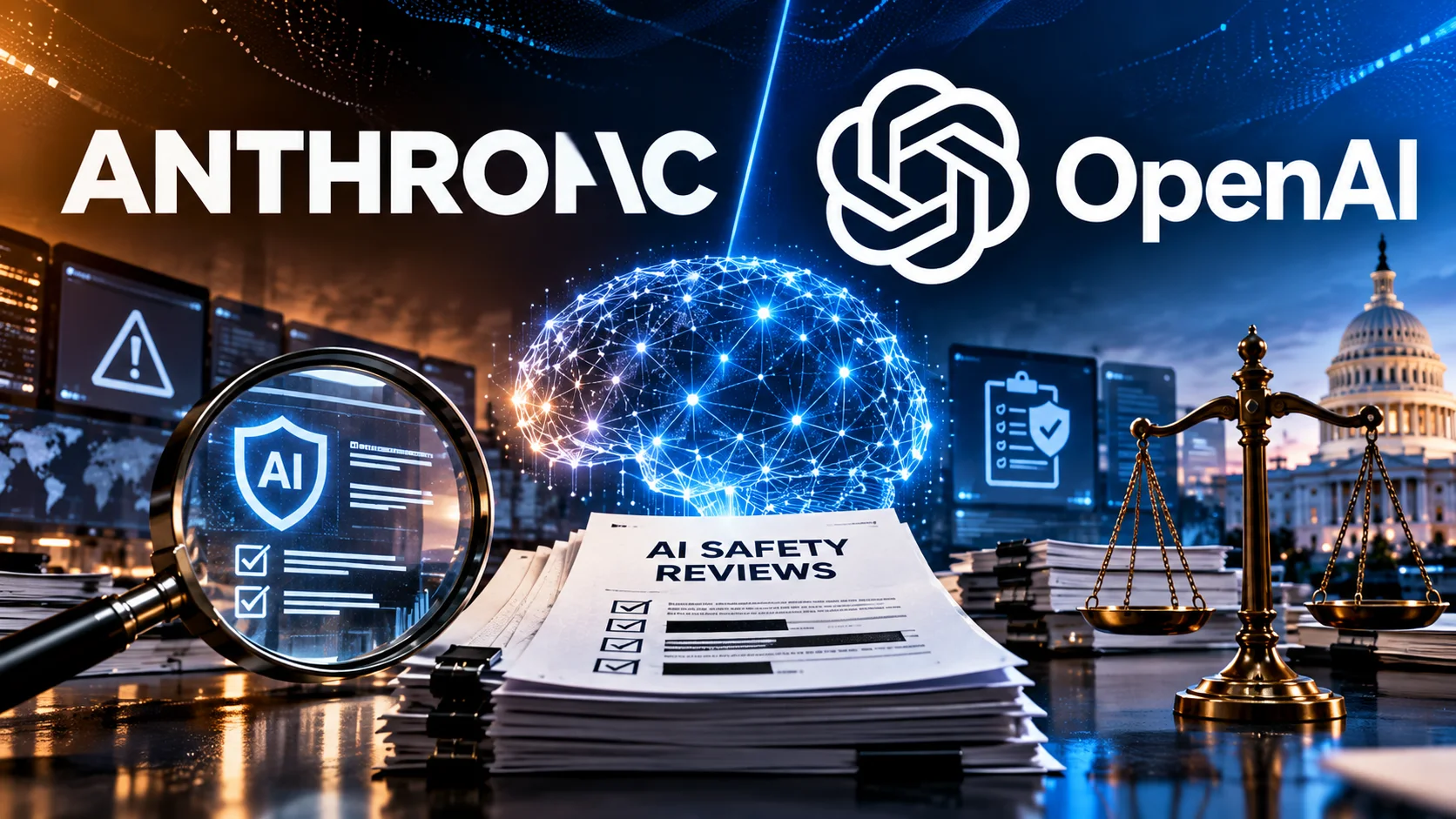
Anthropic and OpenAI are facing scrutiny over the independence of third-party reviews of their artificial intelligence systems, with negotiations highlighting a key question: who decides what the public gets to know about AI safety risks?
Both companies have publicly supported independent evaluations of advanced AI models. However, discussions over how these reviews should operate have exposed tensions between evaluators' editorial freedom and the companies' concerns about protecting trade secrets and intellectual property.
The debate comes as governments, researchers and the technology industry face growing pressure to demonstrate that increasingly capable AI systems can be tested and monitored effectively.
Dispute Over What Evaluators Can Publish
A central concern is whether AI developers should be able to restrict, redact or approve findings before independent evaluators release them publicly. Some information may legitimately expose proprietary technology, but restrictions could also prevent the disclosure of safety problems that matter to users and policymakers.
The issue is particularly complicated when evaluators work inside AI companies. Known as embedded evaluations, these arrangements give external researchers closer access to models and internal operations. That access can improve assessments, but it also raises questions about confidentiality, conflicts of interest and whether evaluators can report uncomfortable findings without pressure.
Measures under discussion include having company employees supervise embedded evaluation teams and limiting evaluators from working inside competing AI laboratories at the same time. Such safeguards are intended to reduce the risk of sensitive information reaching competitors.
Independence Is Central to AI Accountability
The debate highlights a broader challenge for AI governance: an assessment cannot provide strong public accountability if the organisation being evaluated has excessive control over its conclusions.
Independent reviewers need sufficient access to test models, investigate unexpected behaviour and communicate significant risks. At the same time, evaluation frameworks must protect legitimate trade secrets without allowing confidentiality rules to conceal material safety findings.
The question is also who selects and funds the evaluators. If AI developers determine the terms of access, choose the reviewers and control publication, the public may struggle to distinguish independent scrutiny from company-managed assessments.
Calls for Stronger Standards
The US White House's AI-related voluntary commitments have increased attention on independent model evaluations, but questions remain over how such commitments should be enforced. More than 200 experts have called for stronger protections for evaluator independence and broader access to advanced AI systems.
Clear publication rules could help establish what information must be disclosed, what can be withheld for legitimate security reasons and how disputes should be resolved. Independent oversight and consistent standards would also make assessments easier to compare across companies.
The outcome of the negotiations involving Anthropic and OpenAI could influence how future AI safety reviews are conducted. As models become more capable, public trust will depend not only on whether evaluations take place, but also on whether reviewers can report their findings credibly and without undue interference.