India's Startup Ecosystem Shifts Toward AI and Semiconductor Innovation
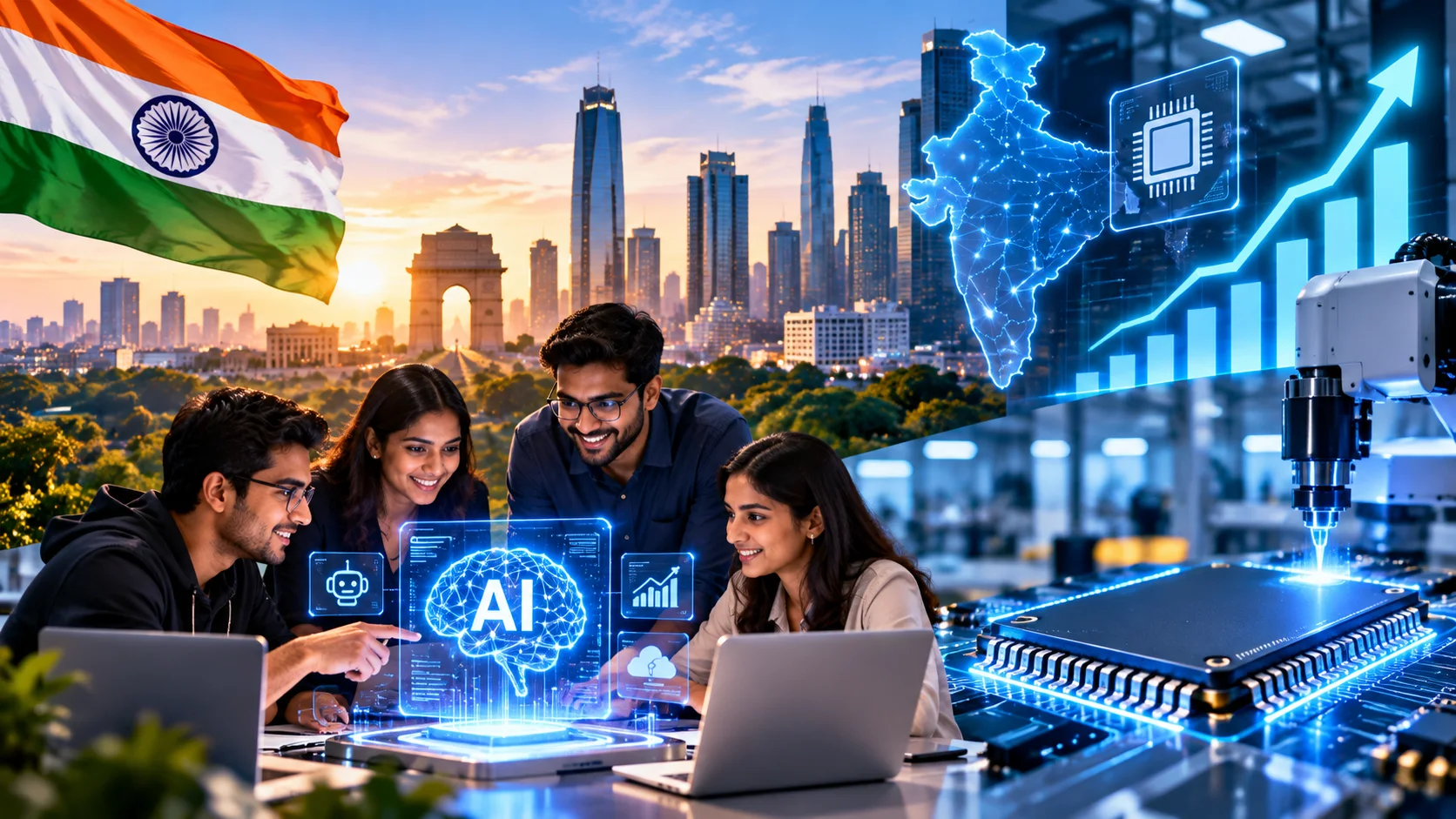
India's startup ecosystem is increasingly shifting from consumer-facing businesses toward deep technology, including artificial intelligence (AI), semiconductor chips, robotics and space systems. Satyan Gajwani, chairman of Times Internet, highlighted the transition at the ET Startup Awards 2026, pointing to government support, regulatory reforms and long-term investment as important drivers.
The shift marks a change from an earlier wave of startups focused on fintech, food delivery, software-as-a-service, e-commerce and quick commerce. A growing number of Indian founders are now attempting to build proprietary technologies that require substantial research, specialised talent and longer development cycles.
Government Support and Long-Term Capital
Gajwani credited government initiatives and entrepreneurial leadership with helping India's deep-tech ecosystem mature. Under the Startup India initiative, the number of recognised startups has crossed 250,000, generating nearly 2.5 million jobs, he said.
He also highlighted a ₹10,000 crore Fund of Funds aimed at supporting emerging businesses. Such financial backing can help startups working in capital-intensive fields, where product development, testing and commercialisation often take longer than in conventional software or consumer businesses.
For deep-tech companies, access to patient capital is particularly important. Semiconductor development, advanced materials and space technology require sustained investment before products can reach scale or generate significant revenue.
Space and Semiconductor Capabilities Gain Attention
India's private space sector illustrates the country's ambitions in complex technology. Gajwani cited the Vikram-1 launch by Hyderabad-based Skyroot Aerospace as a milestone for private-sector space development.
Startups are also pursuing semiconductor design, AI systems, clean-energy technology and robotics. These areas could strengthen domestic technological capabilities and create opportunities for Indian companies to serve global markets.
However, progress in these sectors will depend on more than funding. Companies need access to research infrastructure, skilled workers, computing capacity and customers willing to adopt new technologies.
Closing India's AI Gap
Gajwani cautioned that India remains behind the United States and China in artificial intelligence. Closing that gap, he said, will require deeper research, significant computing resources, entrepreneurial vision and patient investment.
The transition toward deep technology signals a broader ambition for India's startup ecosystem: moving beyond rapid growth in consumer services to develop technologies with strategic and industrial importance. Sustaining that shift will depend on whether policy support and long-term funding translate into globally competitive products.