Redwire Completes ISS Solar Upgrade With Final ROSA Wings Deployment
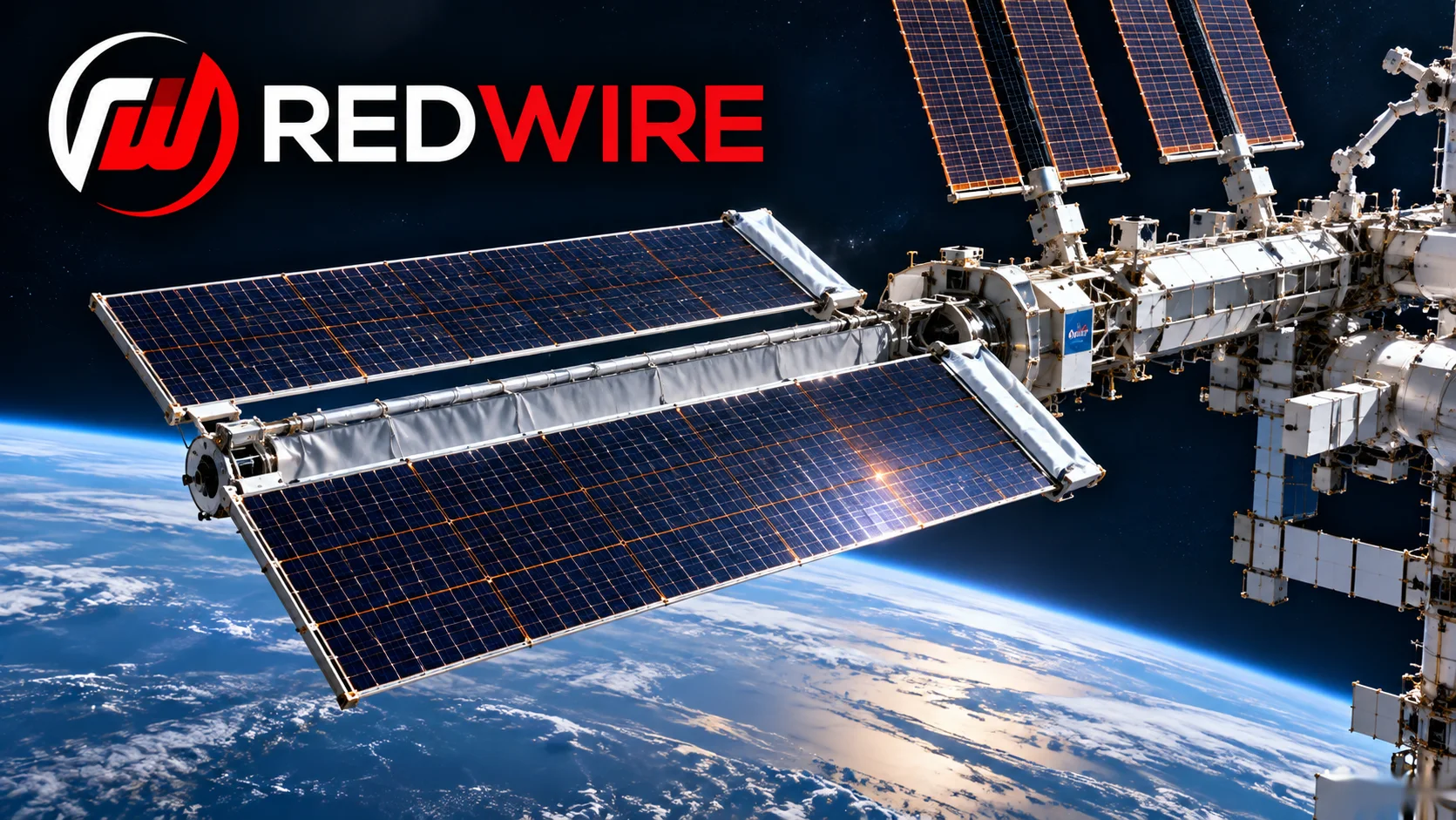
Redwire has completed deployment of all eight Roll-Out Solar Array (ROSA) wings on the International Space Station (ISS), marking the end of a major power-system modernisation programme. The final pair of Redwire ROSA solar arrays was installed and deployed on November 5 during a spacewalk involving NASA astronaut Anil Menon and Canadian Space Agency astronaut Joshua Kutryk.
The completed upgrade is designed to support the station's research and operational activities as it continues its planned extended operation. According to NASA, the eight new arrays increase the ISS's power-generation capacity from approximately 160 kilowatts to around 215 kilowatts.
Redwire ROSA Solar Arrays Complete the ISS Power Upgrade
The final deployment took place during a six-hour, 59-minute spacewalk. Menon and Kutryk installed the eighth and final array on the station's 3B power channel, completing work that began in February 2021. The astronauts had also conducted a spacewalk on October 29 to install the seventh array and prepare equipment for the final installation.
The eight ROSA wings are expected to provide more than 160 kilowatts of additional power. Redwire says each wing delivers more than 20 kilowatts and is designed to operate for over 10 years after installation. The distinction is important: the 160-kilowatt figure refers to the combined output of the new arrays, while approximately 215 kilowatts represents the station's overall power-generation capacity after the upgrade.
The new arrays supplement the ISS's ageing original solar panels rather than replacing the entire power system. Their installation required a series of spacewalks and supporting work to prepare the station's power channels.
How the Roll-Out Solar Array Technology Works
ROSA uses flexible solar panels supported by composite booms that can be rolled up for launch and deployment. Once attached to a spacecraft or station structure, the booms use stored strain energy to unfurl the array. This design reduces the volume required to transport large solar panels into space.
The technology was first demonstrated aboard the ISS in June 2017. Following that test, NASA and its partners moved ahead with the larger installation programme. The first pair of operational ROSA wings was deployed in 2021, followed by additional pairs over the next several years.
The design offers an alternative to traditional rigid solar-array structures. Its compact launch configuration and deployable construction make it useful for spacecraft that need substantial power but have limited space during launch.
Solar Array Technology Could Support Future Space Infrastructure
Redwire's work on the ISS has helped advance the company's solar-power systems for other spaceflight applications. The company says ROSA technology has supported missions including NASA's Double Asteroid Redirection Test and commercial satellite platforms. It has also developed specialised versions for future exploration and commercial space infrastructure.
Redwire is developing a Lunar ROSA system intended to support equipment and infrastructure on the Moon, including rovers, habitats and scientific facilities. The company has also built more powerful solar-array wings for the SR-1 Freedom mission to Mars.
The successful ISS deployment does not mean those future applications are already operational. However, it provides further flight experience with a technology designed to deliver power in space. With all eight arrays now deployed, the ISS has completed an important upgrade to its electricity-generation system, supporting its research role through its planned operation to 2030.