SMEE Lithography Systems Show Over 90% Domestic Component Localization
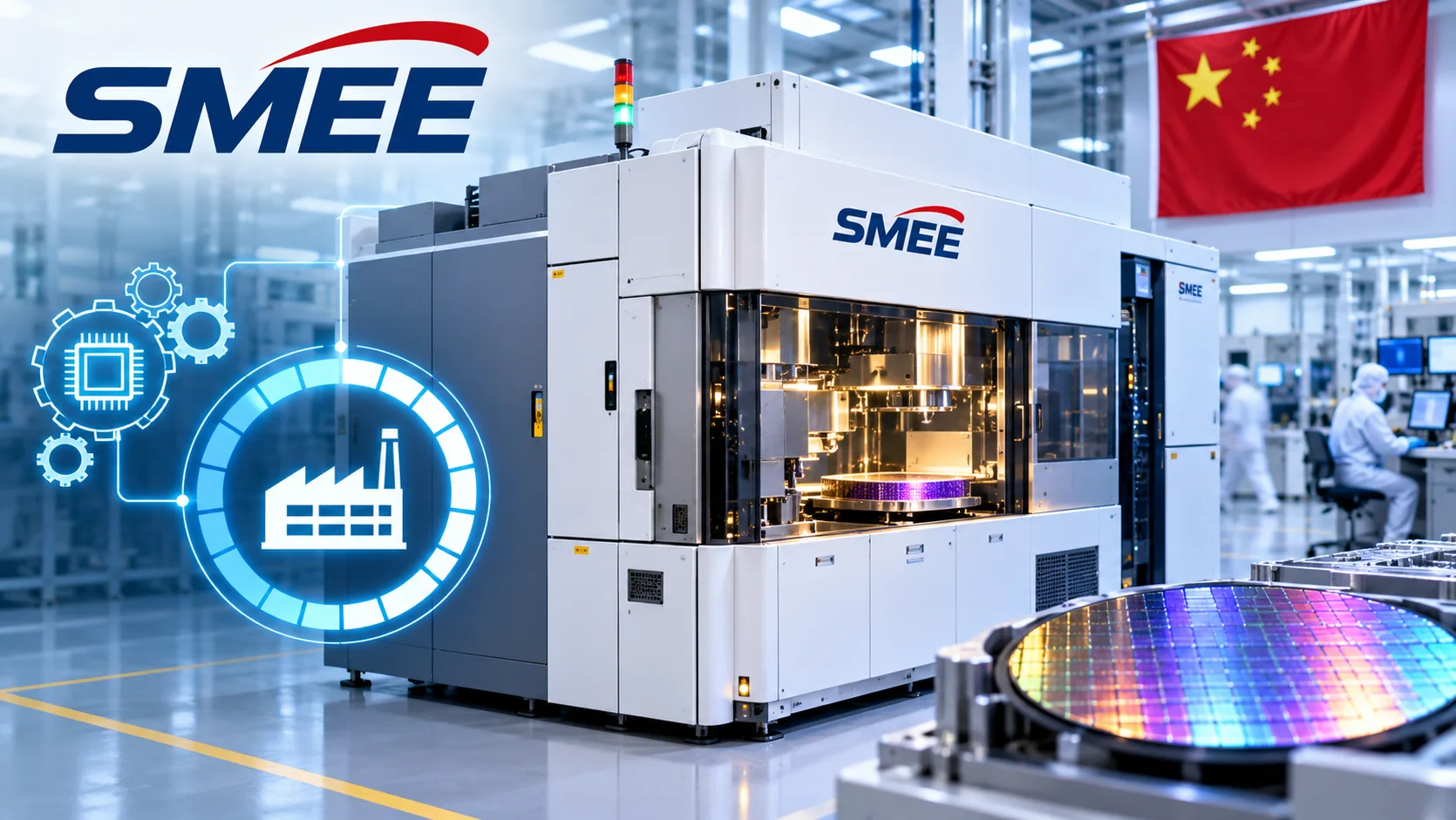
China's Shanghai Micro Electronics Equipment (SMEE) has showcased its SMEE lithography systems, SSC800 and SSB800, at the ninth China International Import Expo in Shanghai. The company says more than 90% of the key components in the equipment are domestically sourced, highlighting China's efforts to strengthen its semiconductor manufacturing supply chain.
The two systems were presented through transparent cutaway models that reveal their internal optical paths and electromechanical layouts. They represent two established lithography technologies: krypton fluoride (KrF) and I-line. SMEE says the platforms have entered large-scale production and are already being used in Chinese semiconductor manufacturing facilities.
SSC800 and SSB800 target different chip manufacturing processes
The two lithography systems serve different production requirements.
The SSC800 uses KrF technology and supports processes at 110nm and above. SMEE lists applications including AI and high-performance computing chips, DRAM and NAND Flash memory, microprocessors and Micro LED manufacturing.
The SSB800 uses I-line technology and targets processes at 280nm and above. Its intended applications include power semiconductors, analog integrated circuits and micro-electromechanical systems (MEMS).
Both systems use a dual wafer-stage platform and domestically developed projection optics, according to the company. SMEE also identifies illumination systems, wafer and reticle stages, automated material handling, and alignment and levelling sensors among the equipment's domestically developed components.
These technologies are important for manufacturing chips at mature process nodes. They do not represent the same capabilities as the advanced immersion lithography and extreme ultraviolet (EUV) systems used for leading-edge chip production.
SMEE reports more than 90% domestic component sourcing
The localisation figure is a central part of the announcement. SMEE says more than 90% of the key components used in the relevant lithography equipment are sourced domestically.
The company also reports that multiple machines are operating in production lines at leading Chinese logic and memory manufacturers. According to the industry reports cited by TrendForce, these systems have collectively supported the processing of more than 10 million wafers, with equipment availability exceeding 92%.
However, the public announcement does not provide a detailed breakdown of the localisation calculation, identify the customers or disclose the number of machines installed. The wafer-processing and availability figures should therefore be treated as company-reported performance claims rather than independently audited results.
Why China's domestic lithography push matters
Lithography equipment is essential to semiconductor manufacturing because it transfers circuit patterns onto silicon wafers. A modern fabrication plant depends on specialised optical systems, precision stages, sensors and material-handling equipment to carry out this process.
China has been working to reduce its reliance on overseas semiconductor equipment suppliers amid export restrictions and wider supply-chain concerns. Building domestic alternatives could give Chinese manufacturers more control over equipment sourcing, maintenance and production planning.
SMEE's progress is particularly relevant to mature-node manufacturing. Power management chips, analog components, MEMS devices and many memory products remain important across automotive electronics, industrial equipment and consumer technology.
The SMEE lithography systems do not close China's gap in the most advanced lithography technologies. However, the reported localisation level and existing production-line use point to progress in supplying domestic fabs with equipment for established manufacturing processes.
The next test will be whether SMEE can demonstrate consistent performance, expand customer deployments and provide more independently verifiable data on production capacity and equipment reliability.