Verint Appoints Abhi Sharma as Chief Product and Technology Officer
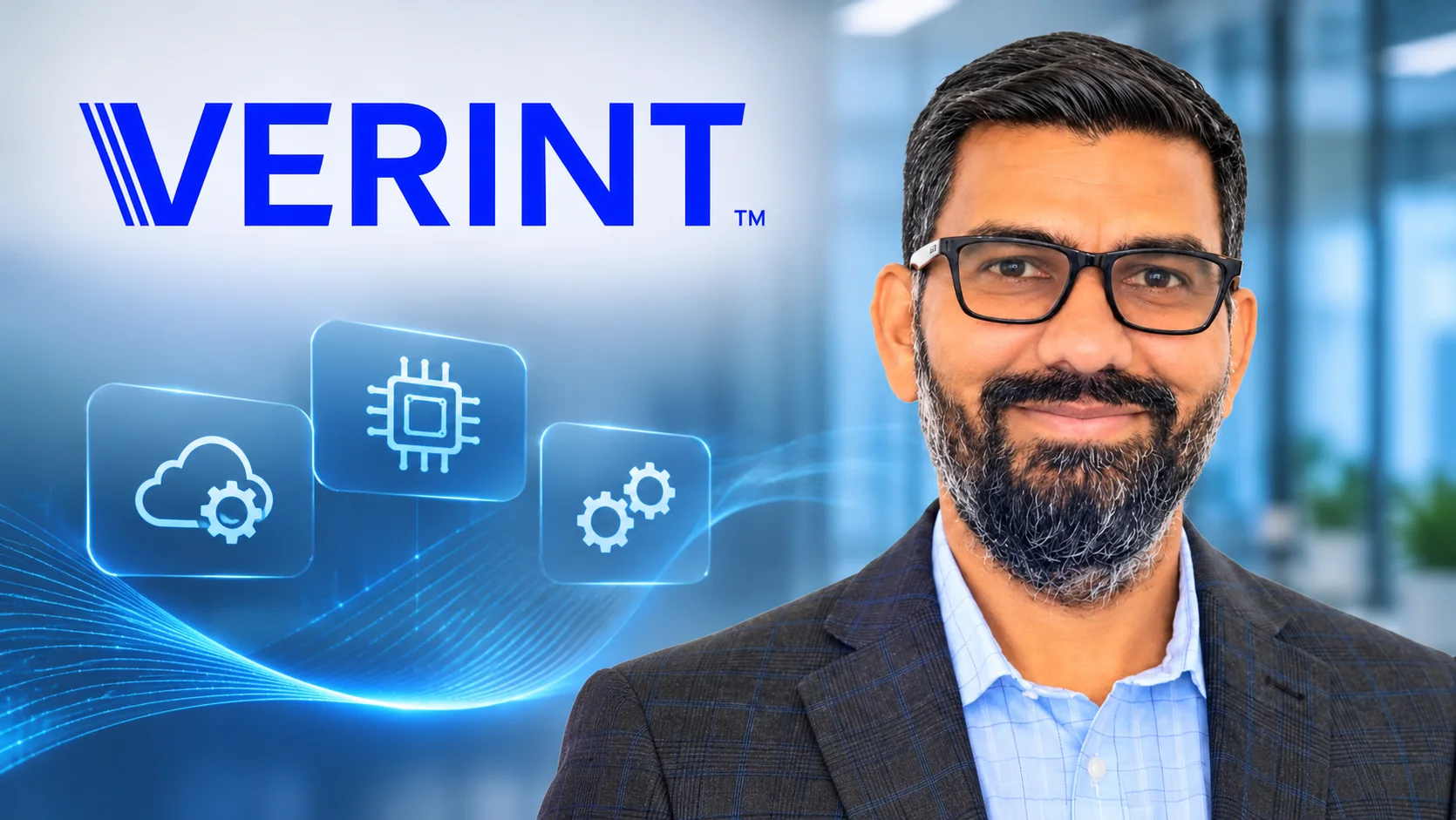
Verint has appointed technology executive Abhi Sharma as its new chief product and technology officer (CPTO), creating a leadership role that brings the company's product and technology functions under one executive. The appointment was announced on November 10, 2026.
Sharma will lead the combined organisation as Verint looks to accelerate product development and strengthen its AI-powered customer experience (CX) automation business. The company said the structure is intended to increase the pace of innovation and keep technology development closely aligned with customer requirements.
Abhi Sharma Brings Experience From Major Technology Companies
Sharma has held senior leadership positions at Weave, Twilio, Salesforce, Oracle, Amazon and Microsoft. His experience includes AI-powered personalisation, intelligent automation and the development of enterprise technology platforms.
Most recently, he served as chief technology officer at Weave, where he led research and development. His work included developing autonomous AI agents alongside enterprise capabilities such as security, compliance, integrations and scalability.
At Twilio, Sharma worked on AI-driven omnichannel customer experiences and helped scale infrastructure supporting hundreds of billions of messages annually, according to Verint.
Why Verint Created the CPTO Role
The newly created position combines responsibilities that are often divided between a chief product officer and a chief technology officer. Verint CEO Dave Rhodes said Sharma would lead product and technology as one organisation, with the aim of increasing innovation and aligning development with customer needs.
The appointment comes as Verint continues to focus on AI-powered customer experience automation. Its platform serves businesses across contact centres, back-office operations and digital channels, using AI-powered tools to support customer engagement and operational efficiency.
Sharma said enterprise customers need advanced AI capabilities that also meet requirements for scale, stability and security. His role will therefore involve connecting AI product development with the infrastructure and enterprise standards needed to deploy those capabilities.
A Leadership Structure Focused on AI Development
Verint's appointment reflects a broader organisational priority among enterprise technology companies: bringing product strategy and technical execution closer together as AI becomes a larger part of software development.
Combining the two functions under one executive could help Verint coordinate product decisions, engineering priorities and enterprise deployment requirements. The impact will depend on how the new structure translates into product development and customer outcomes.
For now, Sharma's appointment gives Verint a single leader overseeing both areas as the company continues to develop its customer experience automation platform.