Nvidia Faces Scrutiny Over Alleged China Intelligence Links in Megaspeed Network
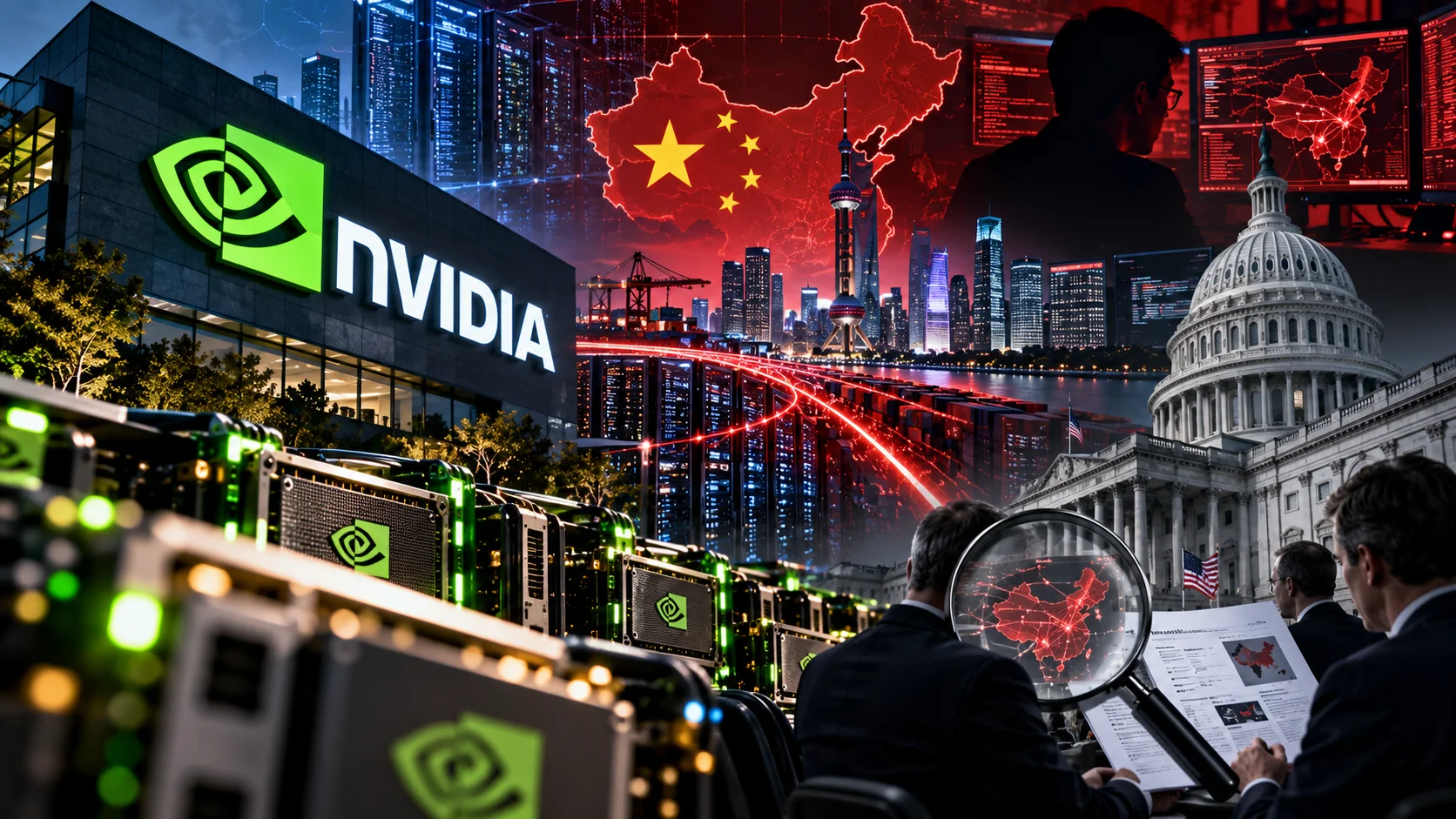
Nvidia China intelligence allegations have drawn fresh attention to the chipmaker’s business relationships in Asia after a report linked a former senior executive at Singapore-based Megaspeed International to suspected intelligence activity for Beijing. US intelligence agencies reportedly concluded that the executive, Alice Huang, had been sharing information with the Chinese government. The allegations have not been independently established, and Nvidia has defended its dealings with her as routine business interactions.
The investigation also raises questions about whether Nvidia chips supplied through regional data centre operators could have reached Chinese customers despite US export restrictions. Nvidia CEO Jensen Huang has rejected suggestions of improper conduct, saying the company reviewed Megaspeed’s deployments of its processors.
What the US intelligence allegations involve
The New York Times reported that US intelligence agencies had been monitoring Alice Huang, also known as Huang Le, over concerns about her possible role in helping China obtain access to advanced AI chips. The investigation reportedly led officials to conclude that she was also passing information to Beijing.
According to the report, surveillance revealed that she had developed a close relationship with Nvidia CEO Jensen Huang. The two had met at industry gatherings and business events in Asia. US officials were reportedly concerned about the information she might have obtained through those contacts, including details about Nvidia and its discussions with the US administration over chip export policy.
The report did not establish what specific information she allegedly shared or demonstrate that Jensen Huang knowingly provided sensitive material. It also said US officials had not given him a defensive briefing warning of the suspected intelligence activity.
Megaspeed’s role in the Nvidia chip supply chain
Megaspeed operates data centres and purchases Nvidia hardware to provide computing capacity to customers, including Chinese technology companies. The company and its affiliates have faced scrutiny over whether equipment containing advanced Nvidia processors was diverted to China in breach of US export controls.
The New York Times reported that Megaspeed’s Malaysian sister company purchased at least $4.8 billion worth of equipment containing Nvidia chips and technology between June 2024 and February 2026. The scale of those purchases attracted attention from investigators. An earlier inspection of a Malaysian data centre reportedly found Nvidia equipment still packed in boxes, raising questions about how the hardware was being used.
The allegations are particularly sensitive because Washington restricts China's access to advanced US-made AI processors. Data centres operating outside China can potentially provide Chinese customers with access to computing capacity without requiring the physical transfer of restricted chips across the border.
Nvidia and Megaspeed dispute the allegations
Nvidia said Jensen Huang’s interactions with Alice Huang were ordinary business dealings. A company spokesperson said the CEO meets thousands of customer executives and that regional customers receive routine commercial information, not sensitive trade secrets or information relevant to national security.
Jensen Huang also told Bloomberg that Nvidia had examined Megaspeed’s GPU deployments and counted the processors installed across its operations. He described the relationship as normal and said Alice Huang was no longer with the company.
Megaspeed’s current leadership said it takes the allegations seriously, has retained outside legal counsel to conduct an internal investigation and is willing to cooperate with US authorities. The Chinese Embassy rejected the accusations as baseless.
The case leaves unresolved questions about the alleged intelligence activity, the movement of Nvidia hardware through regional data centre networks and the effectiveness of existing export controls. It also puts renewed attention on the challenge of monitoring advanced AI chips once they enter complex international supply chains.