SpaceX Says It Has Closed $40 Billion Debt Deal for AI Chips
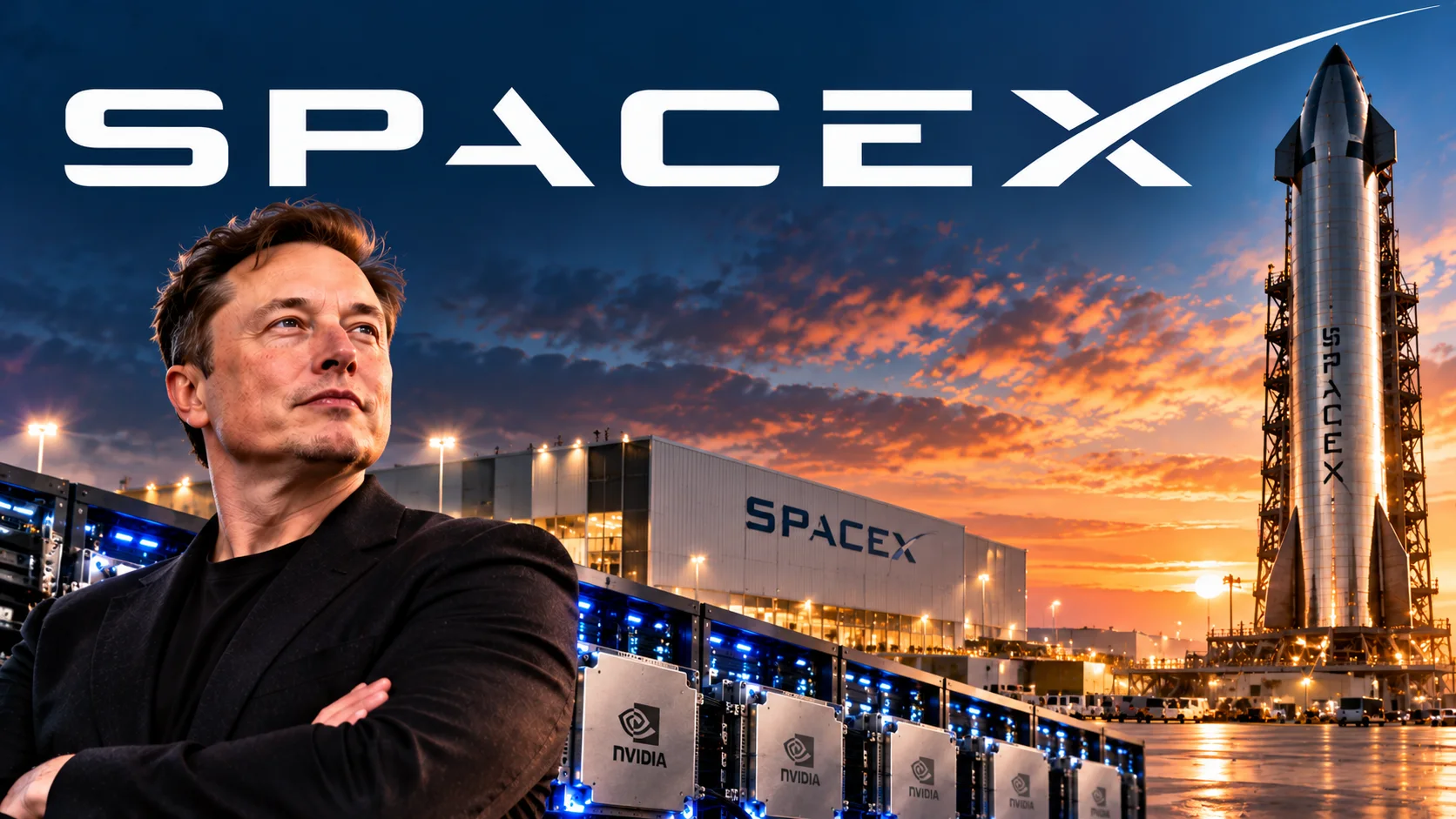
SpaceX has closed a reported $40 billion debt financing deal for AI chips, according to CEO Elon Musk, as the company expands its artificial intelligence computing infrastructure. Musk said the financing would primarily cover purchases of Nvidia graphics processing units (GPUs) expected to arrive in the first half of 2027.
In a post on X on October 25, Musk attributed SpaceX’s access to debt financing to its investment-grade credit status and revenue from Starlink satellite internet and rocket launch services. However, the precise structure of the deal, what Musk meant by saying it was closed, and whether investors had agreed on final pricing were not immediately clear.
SpaceX $40 Billion Debt Financing Targets Nvidia GPUs
The financing is intended to help SpaceX secure the processors required for its expanding AI operations. GPUs are essential for training and running advanced AI models, but acquiring them and building the supporting data-centre infrastructure require substantial capital.
Musk described the borrowing as primarily callable debt for GPU purchases expected to arrive in the first and second quarters of 2027. He said it would not be a major factor in the company’s current-quarter finances.
Reuters had reported earlier in October that SpaceX was discussing a $40 billion financing package with banks and asset managers to purchase Nvidia AI chips. The latest announcement indicates that Musk considers the deal closed, although key financial details remain unclear.
AI Infrastructure Spending Raises Capital Requirements
SpaceX’s financing plans come as technology companies compete to secure advanced processors and expand computing capacity for AI development. The spending extends beyond chips to include data centres, power infrastructure, networking equipment and cooling systems.
SpaceX expects capital expenditure of $35 billion to $40 billion in the fourth quarter of 2026, according to its chief financial officer, Bret Johnsen. The company reported $14.58 billion in revenue for the third quarter, up 161% year over year, while revenue from its AI business rose nearly tenfold to $7.56 billion.
The figures underline the scale of SpaceX’s investment in computing infrastructure. They also show why the company is relying on substantial financing even as its revenue grows.
Musk Warns of Consolidation Among AI Cloud Providers
Musk also warned that specialist AI cloud providers, often called neoclouds, could face widespread consolidation or failure as financing becomes harder to obtain. These companies focus on supplying computing capacity for AI workloads, making them particularly exposed to the costs of acquiring GPUs and building data centres.
He argued that companies without substantial revenue outside AI data centres could struggle to access debt markets. Musk later said SpaceX would not acquire neocloud providers.
The warning comes amid investor concerns about whether the industry’s rapid infrastructure expansion can generate sufficient returns to support its borrowing and operating costs. However, Musk’s prediction does not establish that failures are inevitable, and the financial position of each provider will depend on its contracts, funding structure and customer demand.
What the Financing Means for AI Investment
SpaceX’s reported $40 billion debt deal highlights how major technology businesses are using debt to finance the race for AI computing capacity. Its existing revenue streams and reported investment-grade status may help it obtain financing on terms unavailable to some specialist providers.
The deal’s final structure and pricing remain important unknowns. Its longer-term impact will depend on the cost of borrowing, the delivery and deployment of the GPUs, and whether revenue from AI services can justify the investment.
For the wider market, the financing is another sign that the AI infrastructure boom is increasingly shaped not only by chip availability, but also by access to capital.