SpaceX Boost Mobile Deal Could Accelerate Starlink's US Wireless Push
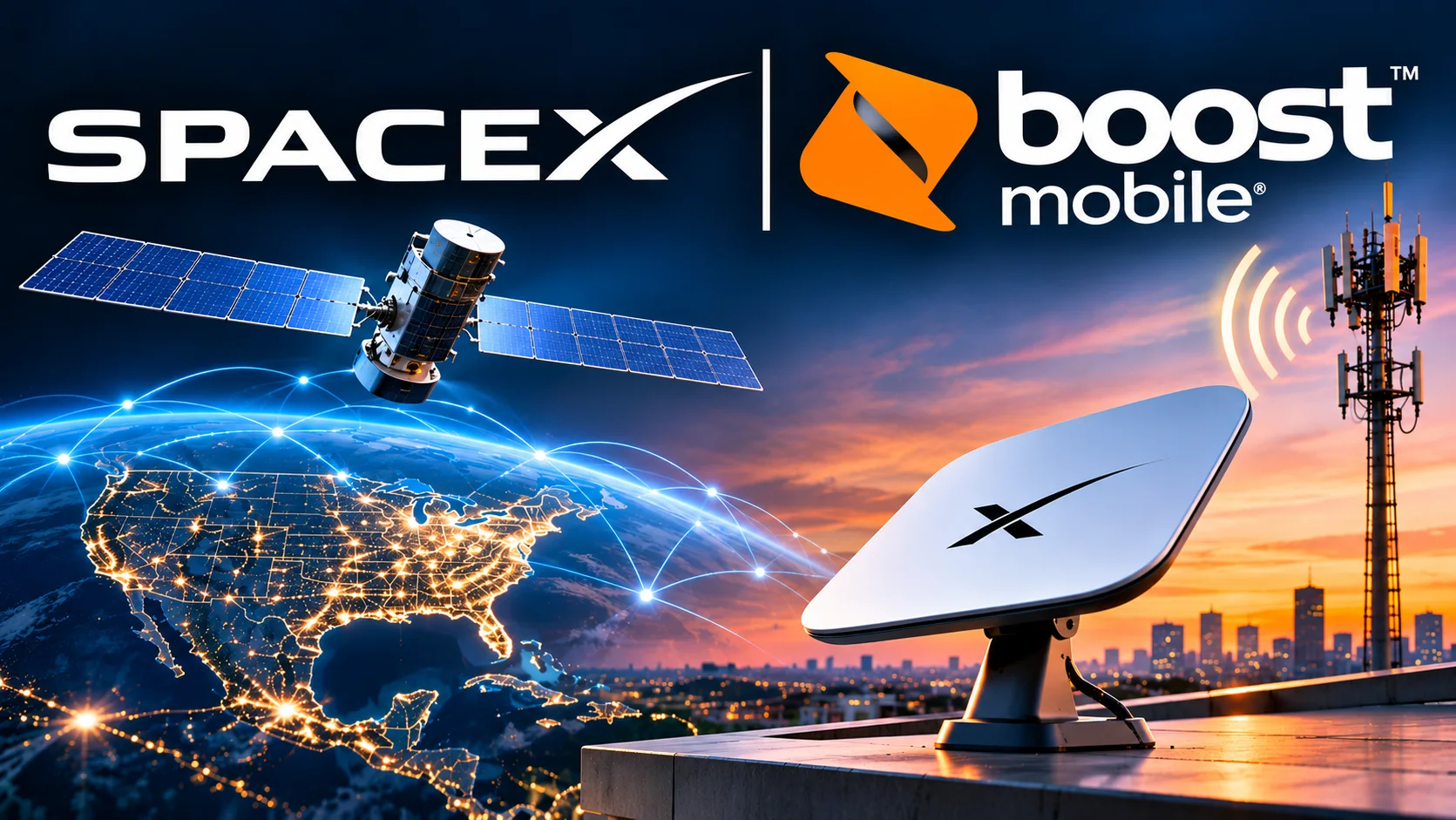
SpaceX is exploring a potential SpaceX Boost Mobile deal with EchoStar that could give the company access to the US wireless operator's customer base and terrestrial network, adding a new route to its planned Starlink Mobile service. The discussions reportedly involve either buying Boost Mobile or securing access to its network, which currently relies on capacity leased from AT&T and T-Mobile.
The talks were reported by The Washington Post, citing people familiar with the negotiations. Reuters said SpaceX and EchoStar did not immediately respond to requests for comment. No agreement has been announced, and the discussions should not be treated as a completed acquisition or network-access arrangement.
SpaceX Boost Mobile Deal Could Link Satellite and Terrestrial Networks
SpaceX wants to build a hybrid mobile service that combines Starlink's satellite constellation with ground-based wireless infrastructure. Satellite connectivity can extend coverage in areas where conventional mobile networks are limited, but a nationwide service also needs terrestrial capacity, distribution and customer support.
Buying Boost Mobile could provide SpaceX with an established retail brand and an existing subscriber base. A network-access arrangement could offer another route, allowing the company to use infrastructure already serving Boost customers without acquiring the business outright.
EchoStar had 7.38 million wireless subscribers at the end of the second quarter, primarily through Boost Mobile and Gen Mobile. The reported discussions also follow SpaceX's agreement to acquire wireless spectrum from EchoStar, part of its wider effort to develop satellite-to-mobile and terrestrial services.
AT&T and T-Mobile Approvals Could Complicate Any Agreement
Boost Mobile currently leases network capacity from AT&T and T-Mobile. That arrangement could complicate a potential transaction because the existing agreements may not automatically transfer to a new owner. The Washington Post report said any deal could require approval from the two carriers.
The issue matters because access to a mobile network is not simply a matter of buying a brand or its customer list. SpaceX would need to establish the commercial and technical terms that allow Boost subscribers to continue receiving service while integrating the network into its own plans.
SpaceX has already been working with T-Mobile on satellite-to-cell connectivity in the United States. Its broader ambition, however, is to move beyond supplemental satellite coverage and compete more directly with established wireless operators, including AT&T, Verizon and T-Mobile.
Building a Wireless Carrier Requires More Than Satellites
A Boost acquisition or network agreement would not remove the cost of operating a mobile service. Analysts and industry experts have pointed to the need for ground infrastructure, customer service, handset subsidies and marketing. Established carriers already have extensive operations in these areas.
The reported SpaceX Boost Mobile deal therefore represents a possible shortcut into parts of the wireless business, not a ready-made nationwide network. SpaceX would still need regulatory clearances, workable agreements with network partners and investment in the infrastructure required to support customers.
For EchoStar, a transaction could provide a new commercial arrangement for Boost Mobile as it continues to reshape its wireless business. For SpaceX, it could help connect its satellite assets with the terrestrial systems needed for a larger mobile offering. The outcome remains uncertain while discussions continue.