Uniper Eyes Former Power Plants for Data Centres, Offering 700 MW of Grid Capacity
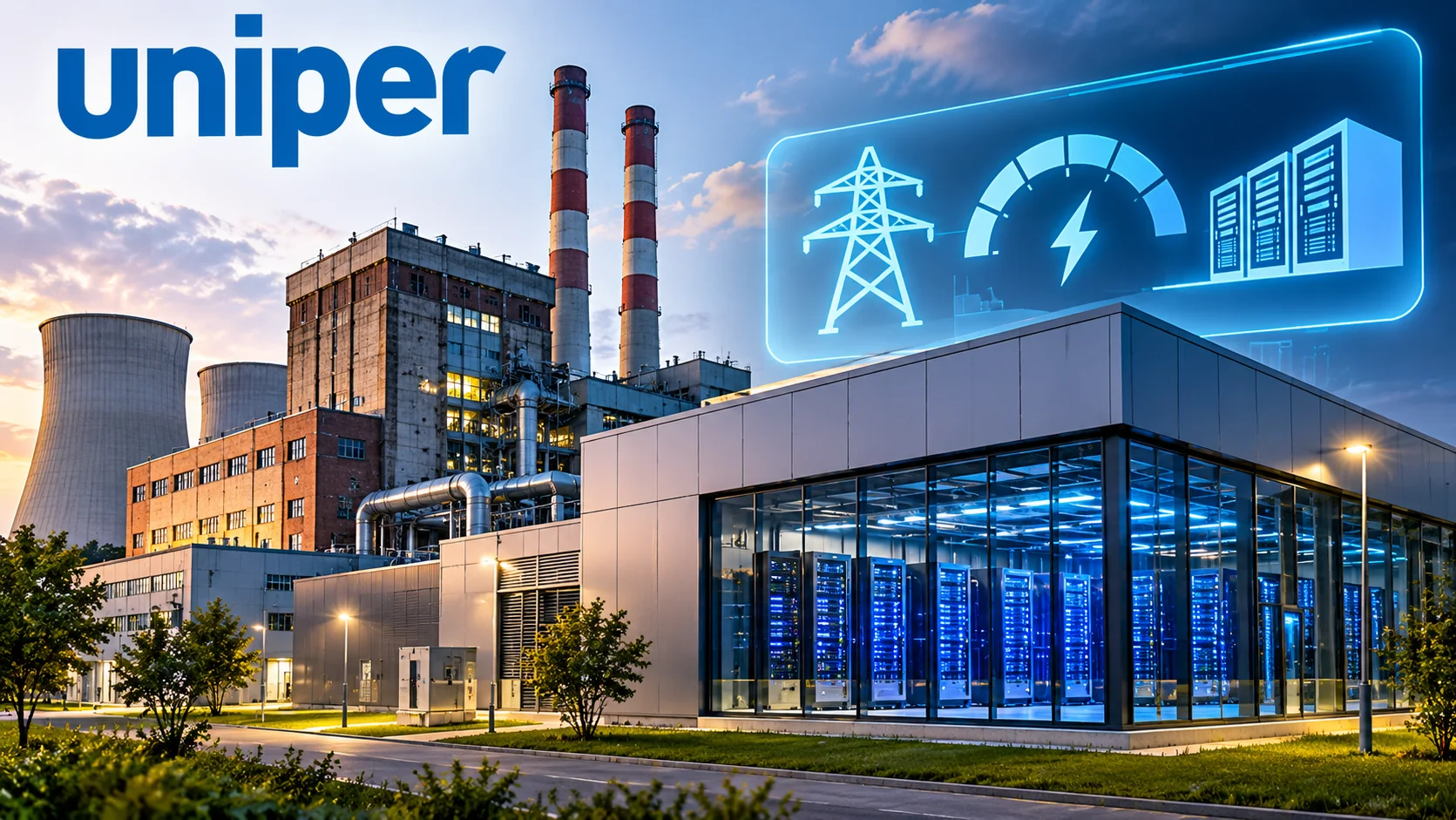
German energy company Uniper is preparing to turn former power plant sites into data centre locations, as demand for electricity-intensive AI infrastructure grows across Europe. The company is nearing its first agreement to sell or lease a former power plant site for data centre development, according to a Financial Times report published on November 16, 2026.
Uniper has identified 10 sites across the United Kingdom, Germany, Sweden and the Netherlands, with approximately 700 megawatts (MW) of secured grid capacity. The strategy could give data centre developers access to locations where important energy infrastructure is already in place, potentially reducing the delays associated with securing electricity connections for new facilities.
Uniper Data Centres Target Existing Energy Infrastructure
The company's approach focuses on reusing land and infrastructure at former power generation sites. These locations can offer large industrial plots, established energy facilities and connections to electricity networks.
Uniper is considering different arrangements depending on the location and the needs of potential developers. These include selling land, leasing sites or providing infrastructure and energy-related services.
The company has previously confirmed that it is assessing more than 10 sites with suitable infrastructure across its European markets. Its own data centre strategy also highlights two approaches: developing powered land for data centres and using existing or new generation facilities to provide electricity while grid infrastructure is expanded.
The first agreement would represent an important step in turning that strategy into commercial projects.
Why 700 MW of Grid Capacity Matters
Access to electricity has become one of the major constraints on data centre expansion. AI workloads require substantial computing power, and the facilities supporting them need reliable electricity supplies around the clock.
In established data centre markets, developers can face lengthy waits for grid connections. Securing land alone is therefore insufficient if a project cannot obtain the electricity capacity needed to operate.
Uniper's identified portfolio offers approximately 700 MW of secured grid capacity, according to the Financial Times. That could make the sites attractive to developers seeking to accelerate construction and avoid some of the uncertainty associated with new grid connections.
However, secured capacity does not automatically mean that every site is ready for immediate construction. Individual projects will still require planning approvals, technical assessments, infrastructure work and agreements with developers.
European Energy Companies See an Opportunity in AI Infrastructure
Uniper's strategy reflects a wider shift among European energy companies looking to benefit from rising electricity demand. Former industrial and power generation sites are attracting attention because they may offer a combination of available land and established infrastructure.
Uniper has already identified several projects at advanced stages of development. Its strategy also connects data centre development with longer-term energy supply, an important consideration for operators planning facilities with substantial and continuous power requirements.
The company is not alone. Other energy groups, including RWE and Drax, are also exploring ways to repurpose existing sites for digital infrastructure.
What the Move Could Mean for Europe's Data Centre Market
Repurposing former power plants could provide an alternative to developing data centres entirely from scratch. It may help address two major requirements at once: suitable industrial land and access to electricity.
For AI companies and cloud providers, the availability of power can influence where and how quickly new computing facilities are built. Energy companies with suitable sites could therefore become increasingly important partners in the expansion of Europe's digital infrastructure.
Uniper's first agreement will offer an indication of how commercially viable this approach can be. The wider opportunity will depend on whether the identified sites can secure the necessary approvals, investment and long-term power arrangements.