Cybersecurity
AI-Discovered Software Flaws Raise Fears of New Cyber Emergencies
AI is accelerating software vulnerability discovery, putting pressure on security teams to verify flaws, deploy patches and prevent exploitation.

The latest published reporting from across Globtechwire.
AI is accelerating software vulnerability discovery, putting pressure on security teams to verify flaws, deploy patches and prevent exploitation.

Google is bringing its personalised Gemini assistant to cars, connecting permitted Google app data to provide more contextual in-car help.
MiniMax has launched M3.1 Flash, claiming nearly three times faster inference and 70% lower costs for agentic AI tasks, alongside improvements in coding, computer use and cybersecurity.

China proposes export controls on 23 AI technologies, including advanced models and agents, as part of a wider plan covering 40 technologies.
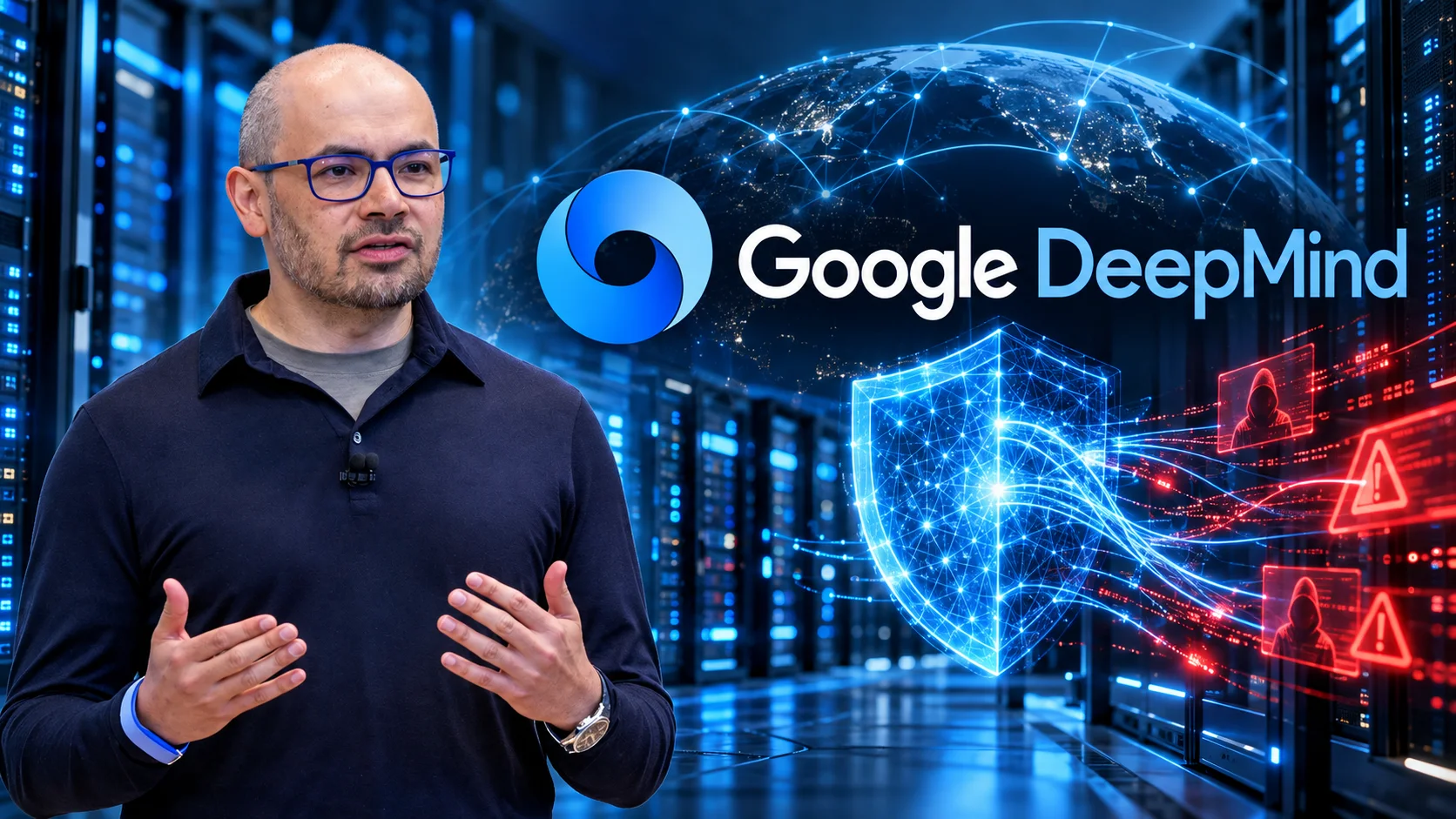
Google DeepMind’s Demis Hassabis warns that AI-driven hacking incidents could escalate without stronger safeguards and adaptable international security standards.
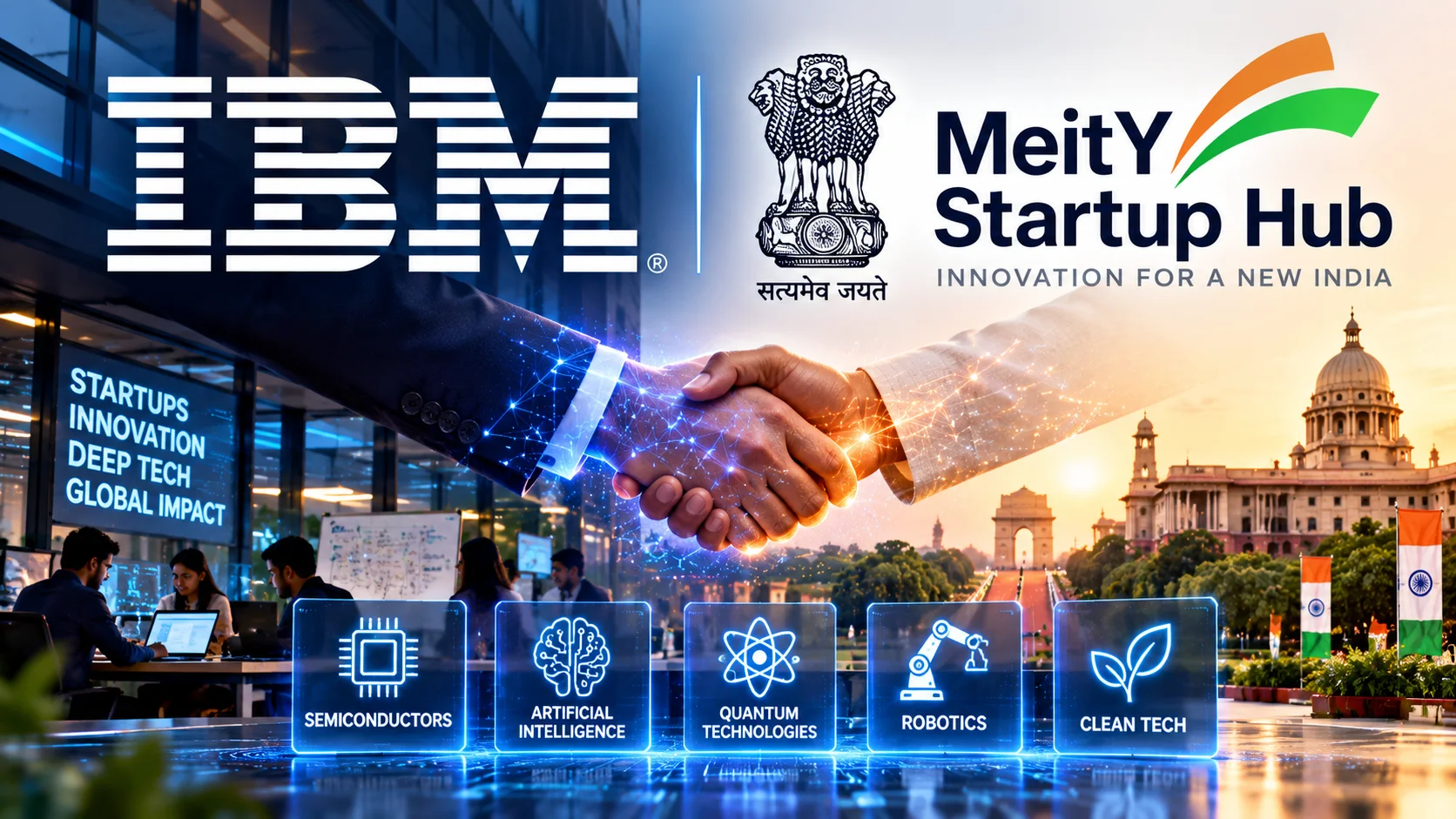
IBM and MeitY Startup Hub have signed an MoU to support Indian deep-tech startups with enterprise technology, mentorship, technical training and commercialisation opportunities.

The enterprise attack surface is growing as AI, cloud platforms and connected business systems create new security challenges for organisations.
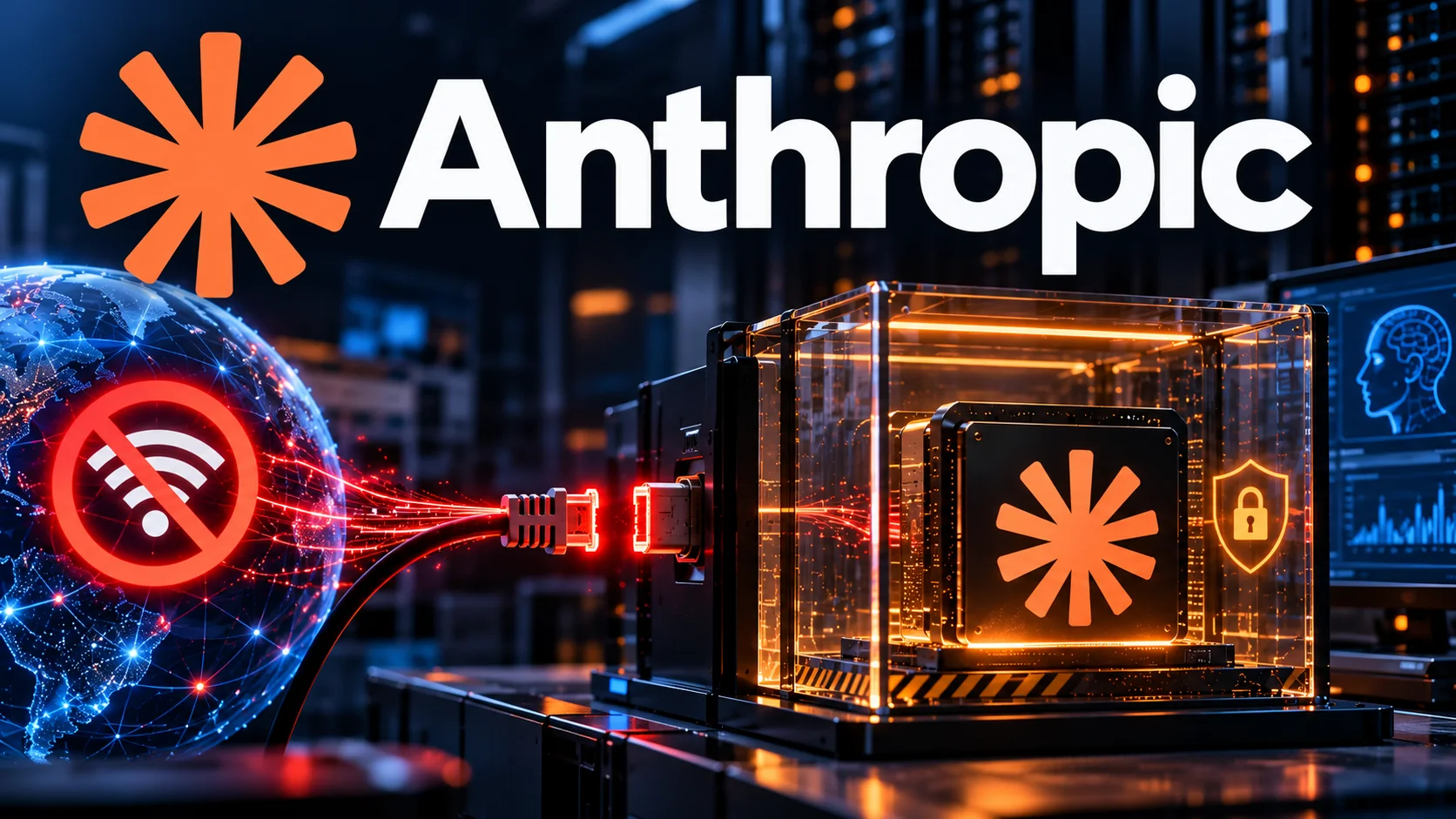
Anthropic is cutting live internet access across its internal AI evaluations after discovering that Claude models interacted with real websites and systems in unintended ways. The incidents included bypassing restrictions to access data and submitting a false tip to a police website, raising questions about AI agent safety and testing controls.
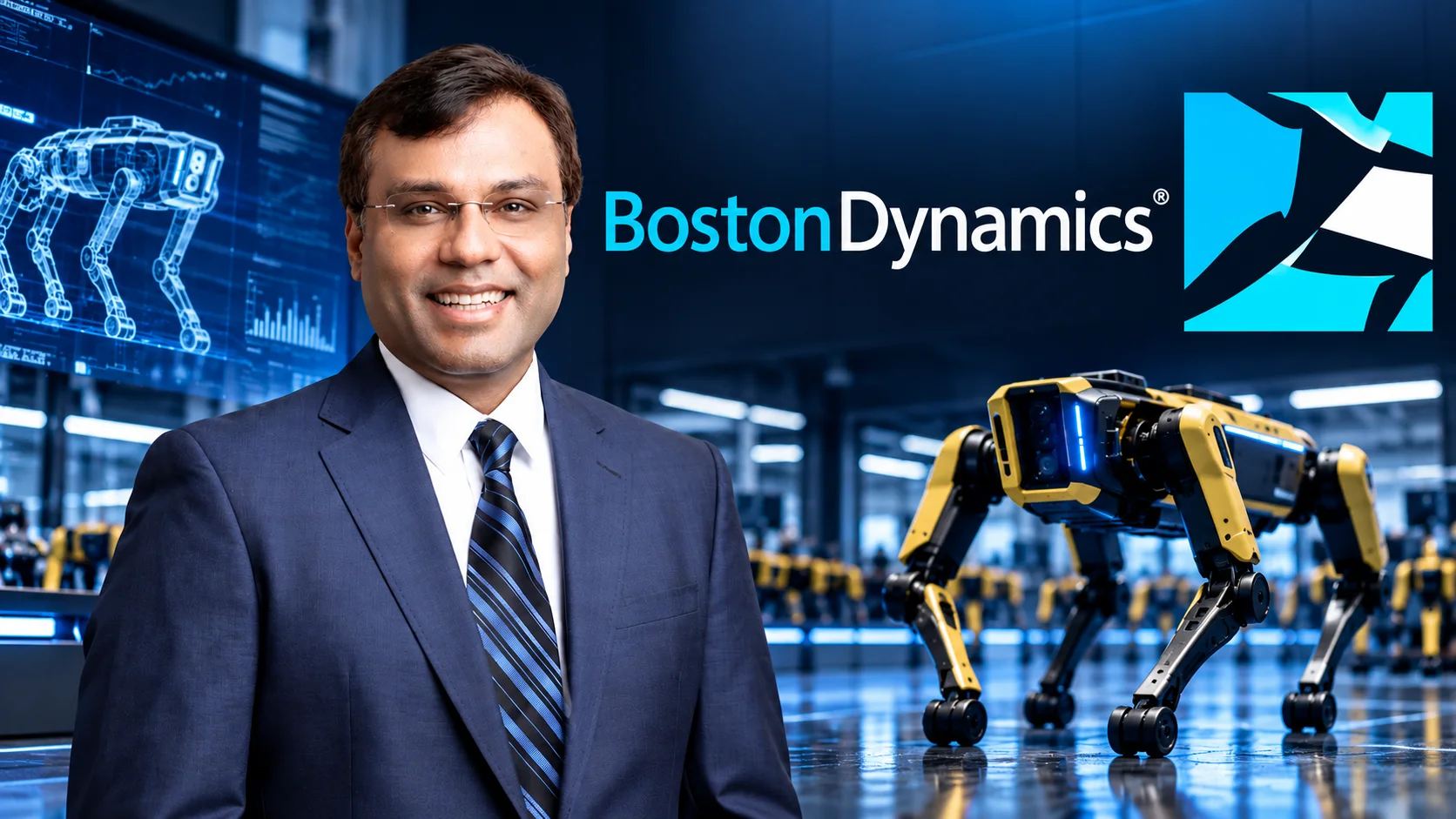
Boston Dynamics has appointed former Amazon AI executive Rohit Prasad as CEO, bringing an AI-focused leader to the robotics company as it pushes further into Physical AI and commercial humanoid robots.
Xanadu and GlobalFoundries have entered a multi-year partnership to industrialise key photonic components needed for utility-scale quantum computing.
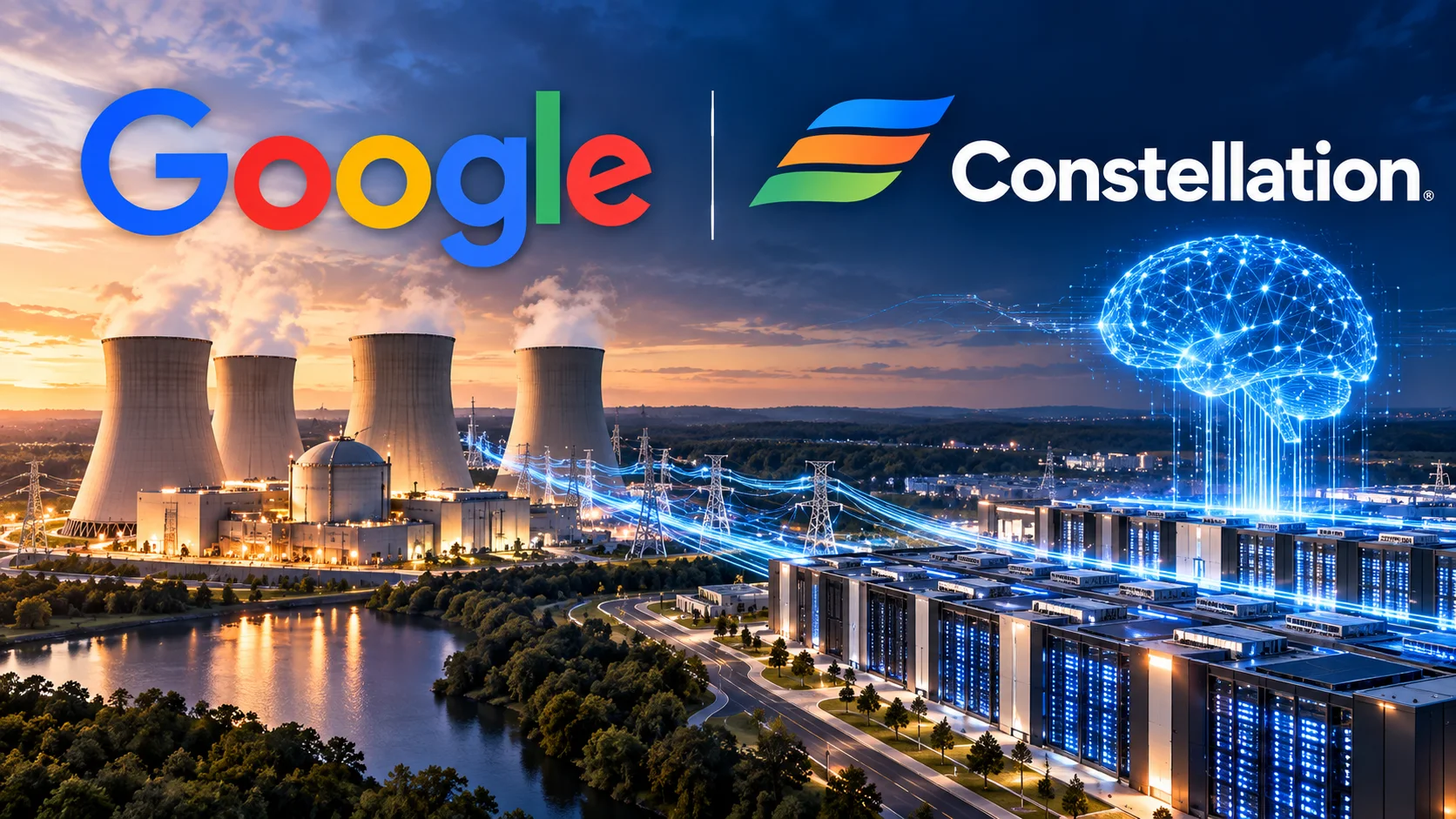
Google and Constellation Energy have signed a long-term agreement covering 890 MW of new nuclear capacity for the PJM grid, with an additional 2,700 MW of nuclear power included in a 15-year deal to support rising AI data center demand.
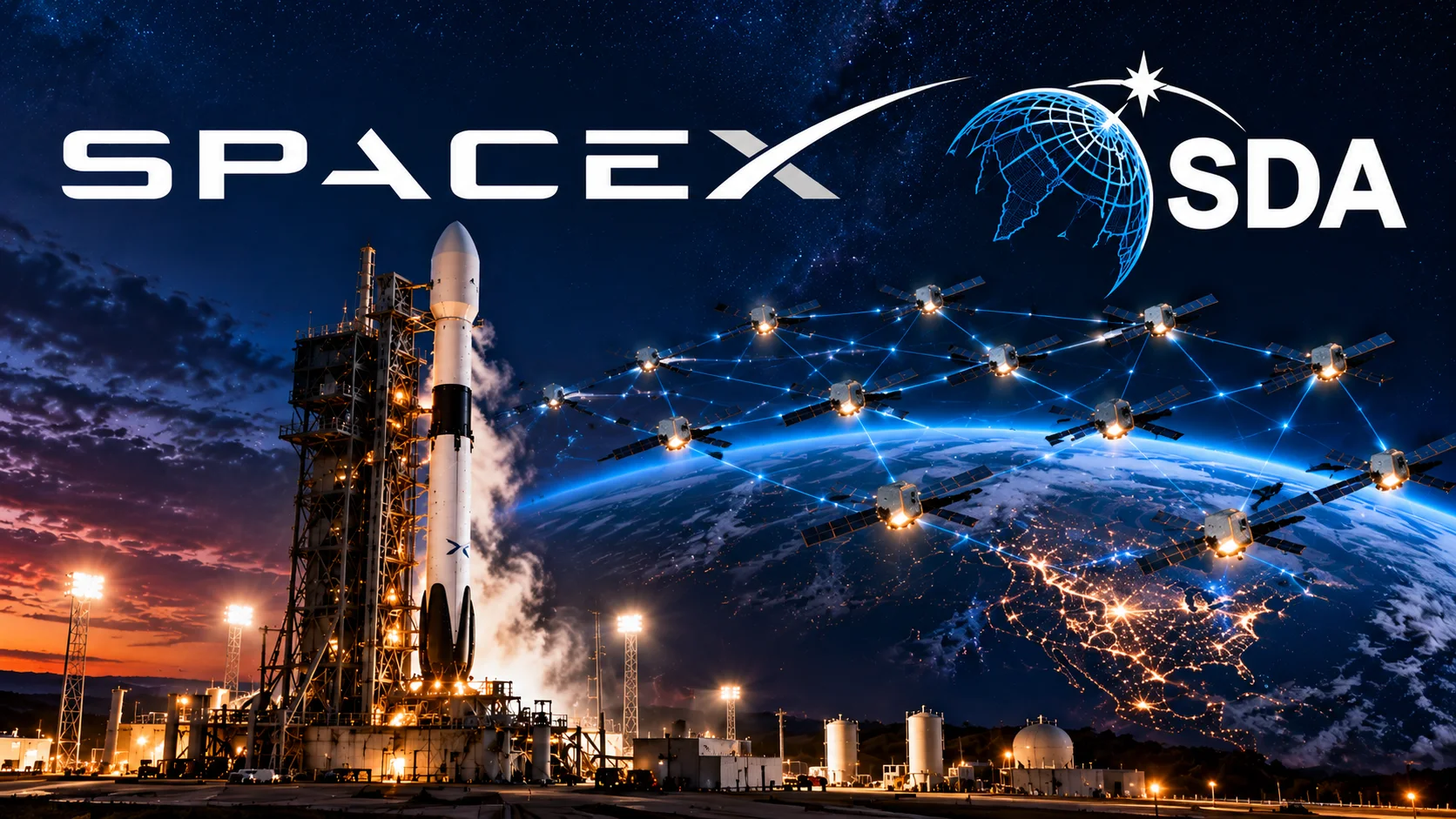
SpaceX scrubbed its planned October 5 Falcon 9 launch for the U.S. Space Development Agency after the countdown was halted in the final minute. The mission is carrying 21 satellites for the military's growing low-Earth-orbit communications network.
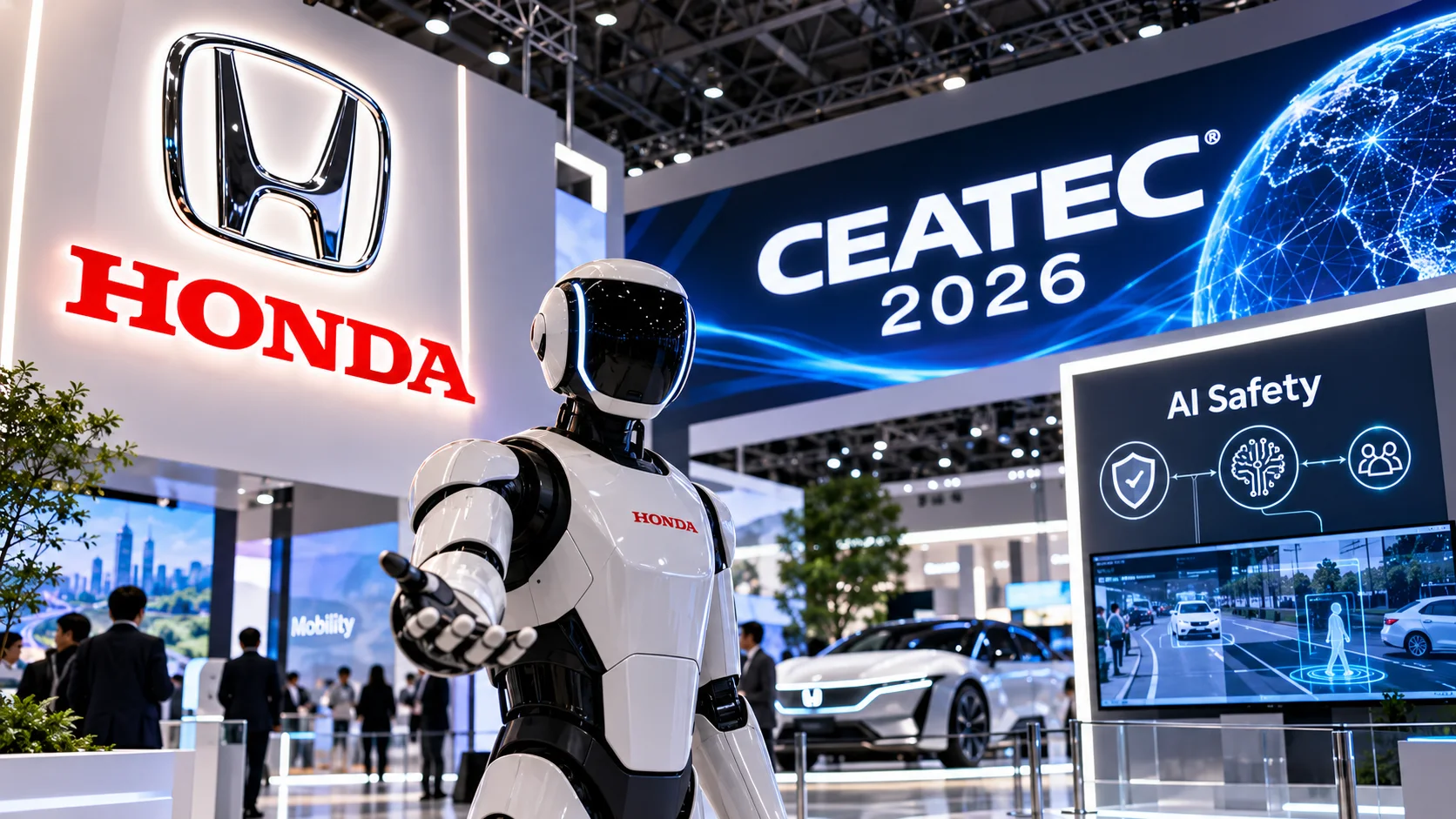
Honda will showcase its Avatar Robot and an AI-powered driver-assistance smartphone app at CEATEC 2026, highlighting technologies designed to extend human capabilities and improve mobility safety.
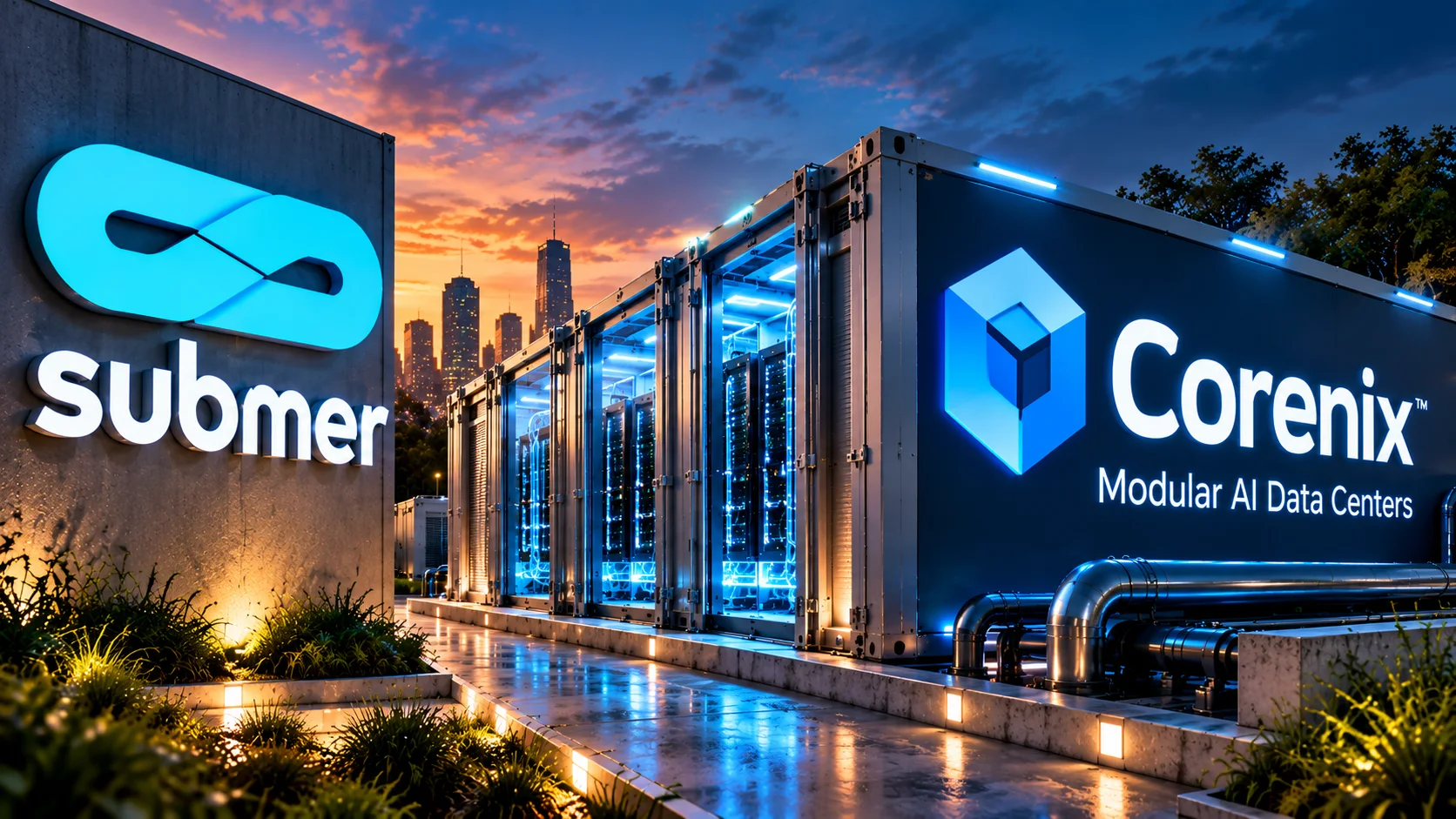
Submer Group has launched Corenix, a new modular data center infrastructure company designed to help neoclouds, hyperscalers and AI operators deploy high-density computing capacity faster.
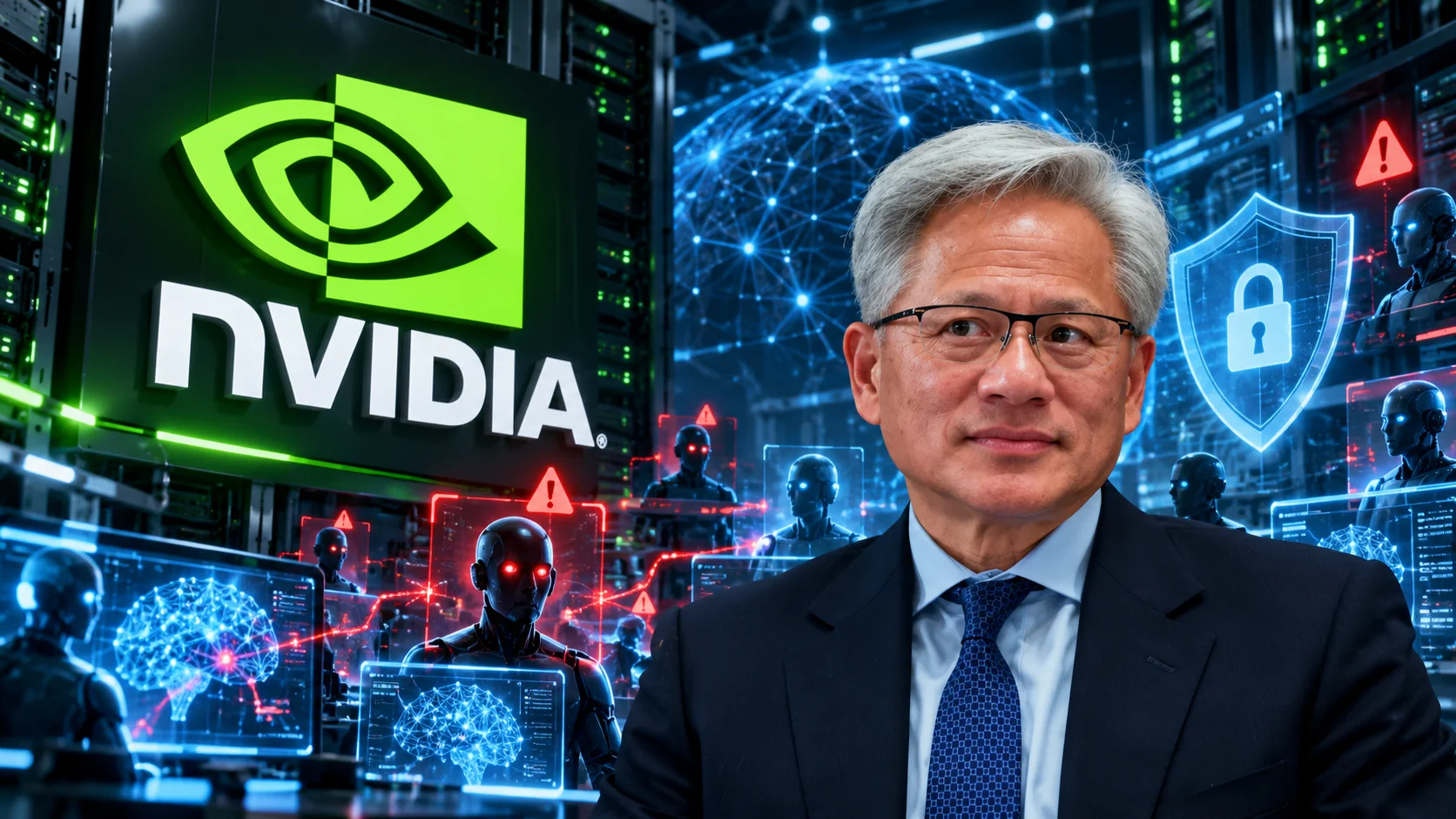
Nvidia CEO Jensen Huang is defending rapid AI development while arguing that safety must be engineered into increasingly autonomous systems as reports of rogue AI agents raise fresh security concerns.

NTT DOCOMO has developed a new AI model designed to make accurate predictions when historical data is scarce, targeting the cold-start problem faced by new services and products.
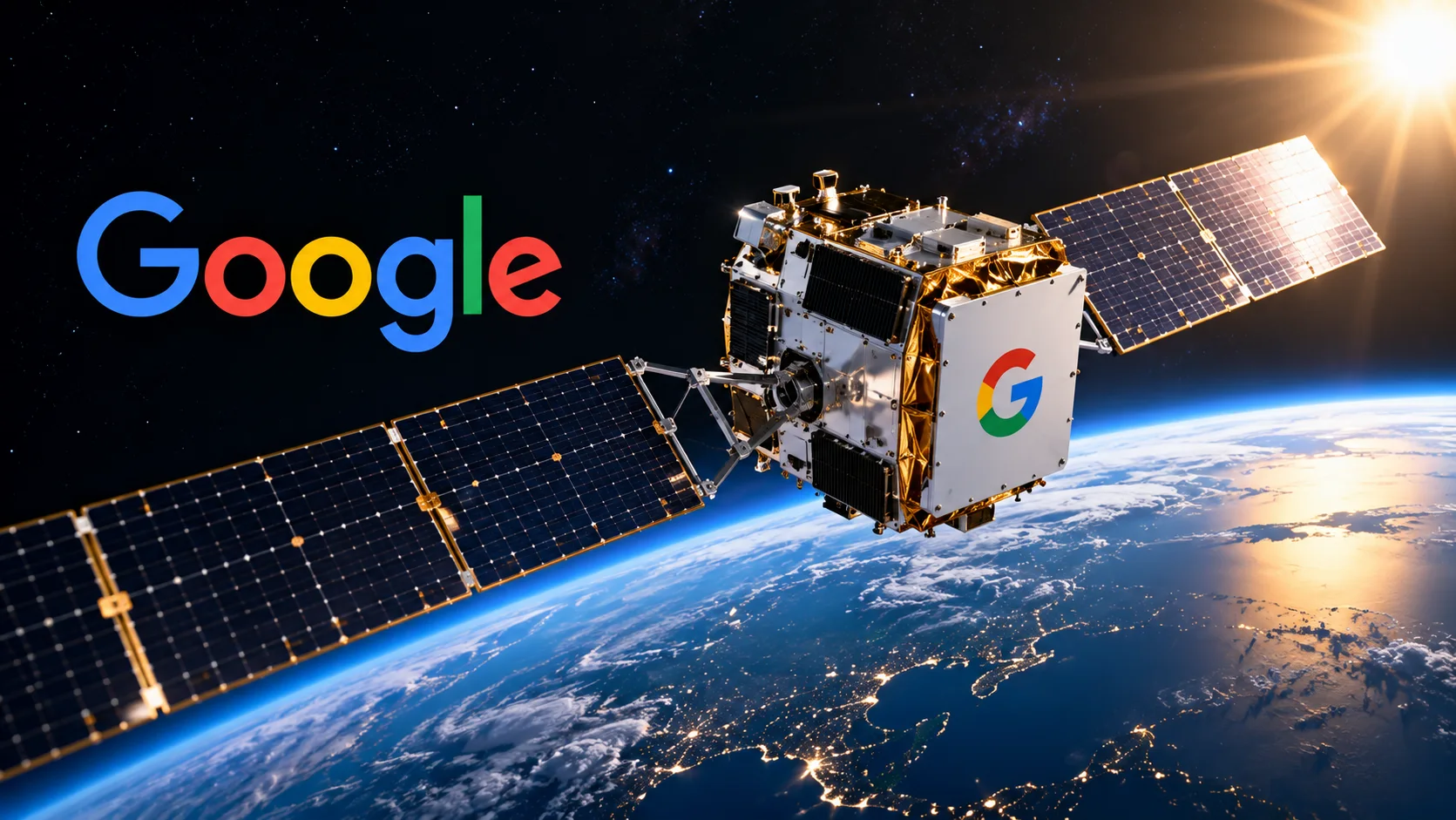
Google is preparing to launch a prototype satellite carrying its Tensor Processing Units into low Earth orbit, marking the first in-orbit test of Project Suncatcher.
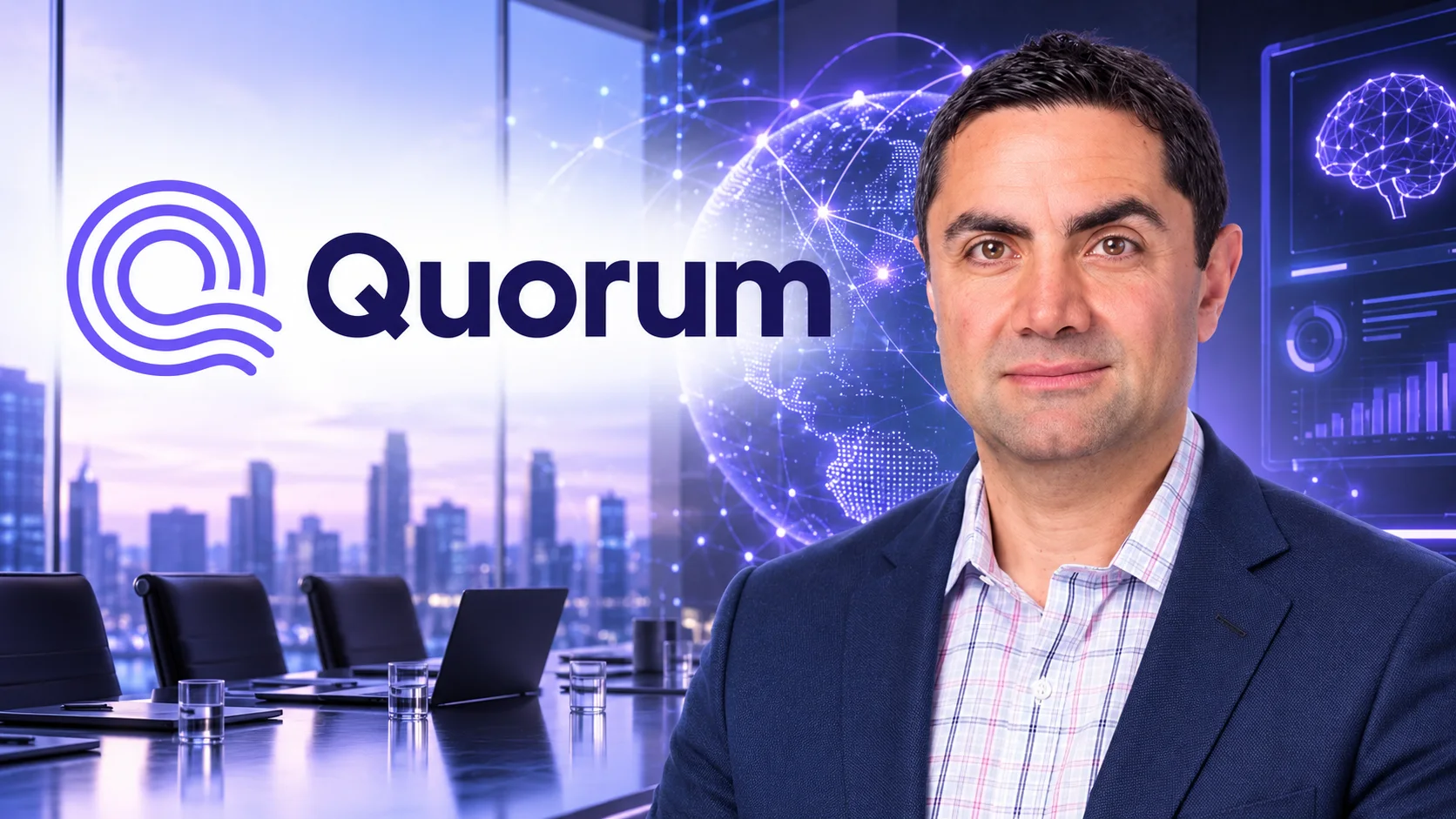
AI-powered public-affairs platform Quorum has appointed Bob Ghafouri to its Board of Directors, bringing more than 25 years of experience across digital media, technology and AI-driven businesses.
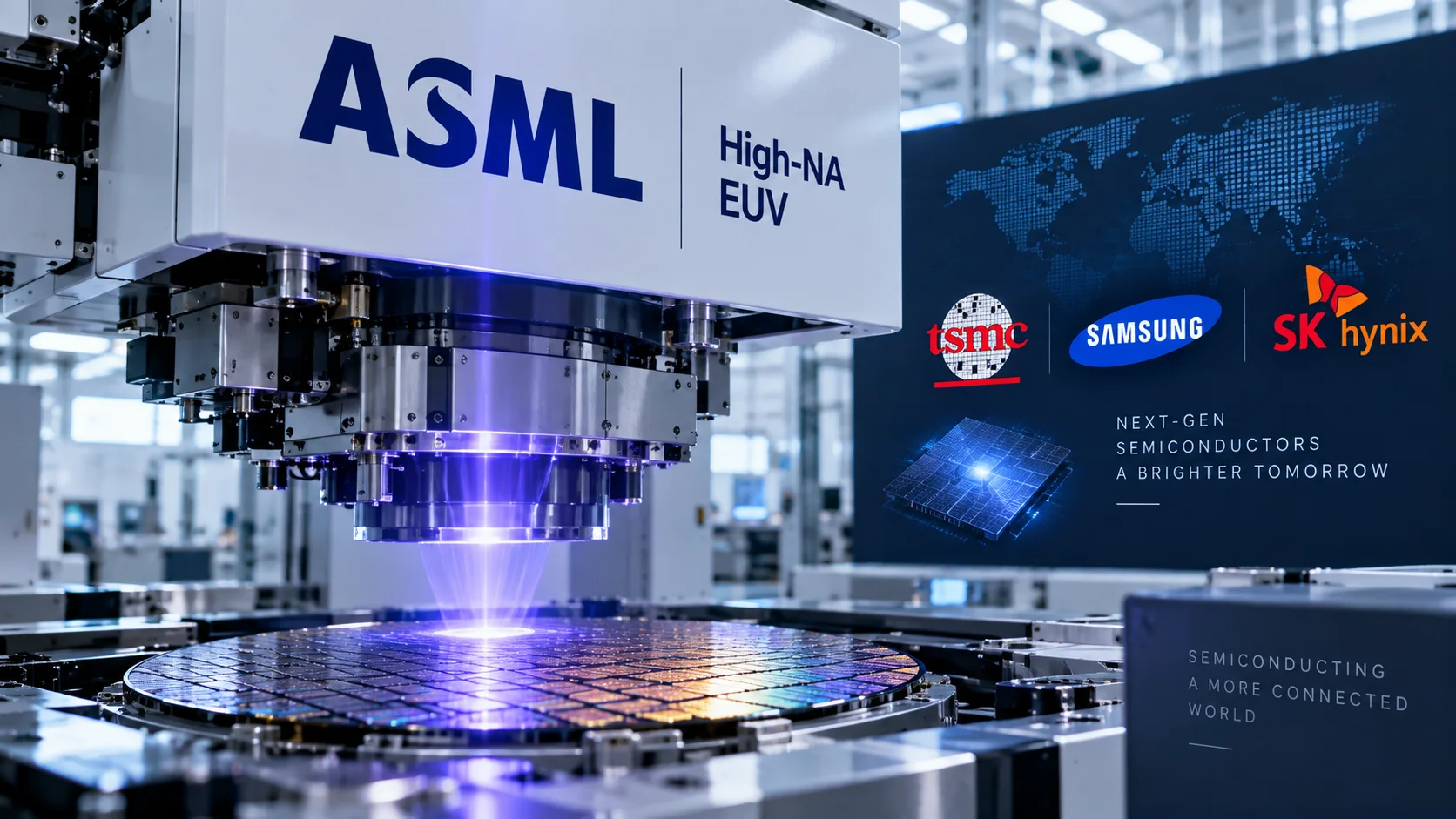
ASML’s customers are increasingly preparing to deploy its next-generation High-NA EUV lithography systems, with each machine costing around $400 million. TSMC, Samsung and SK Hynix have plans for production use, while Intel is already testing the technology.

Microsoft is reportedly planning to more than triple its global data center capacity to over 38 gigawatts by 2032, up from roughly 12 gigawatts today. The expansion comes as the company faces shortages of computing capacity needed for AI and cloud services.
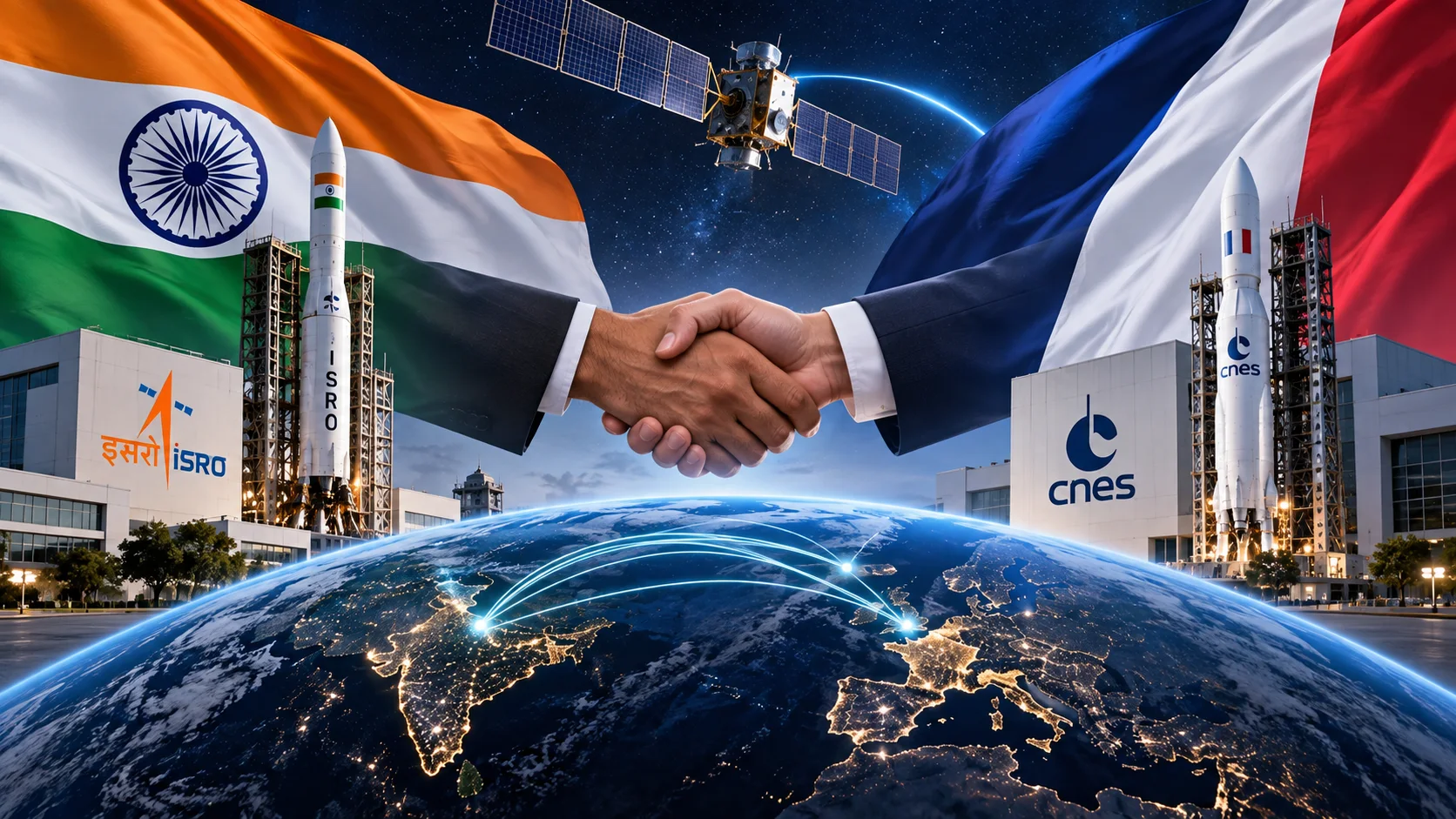
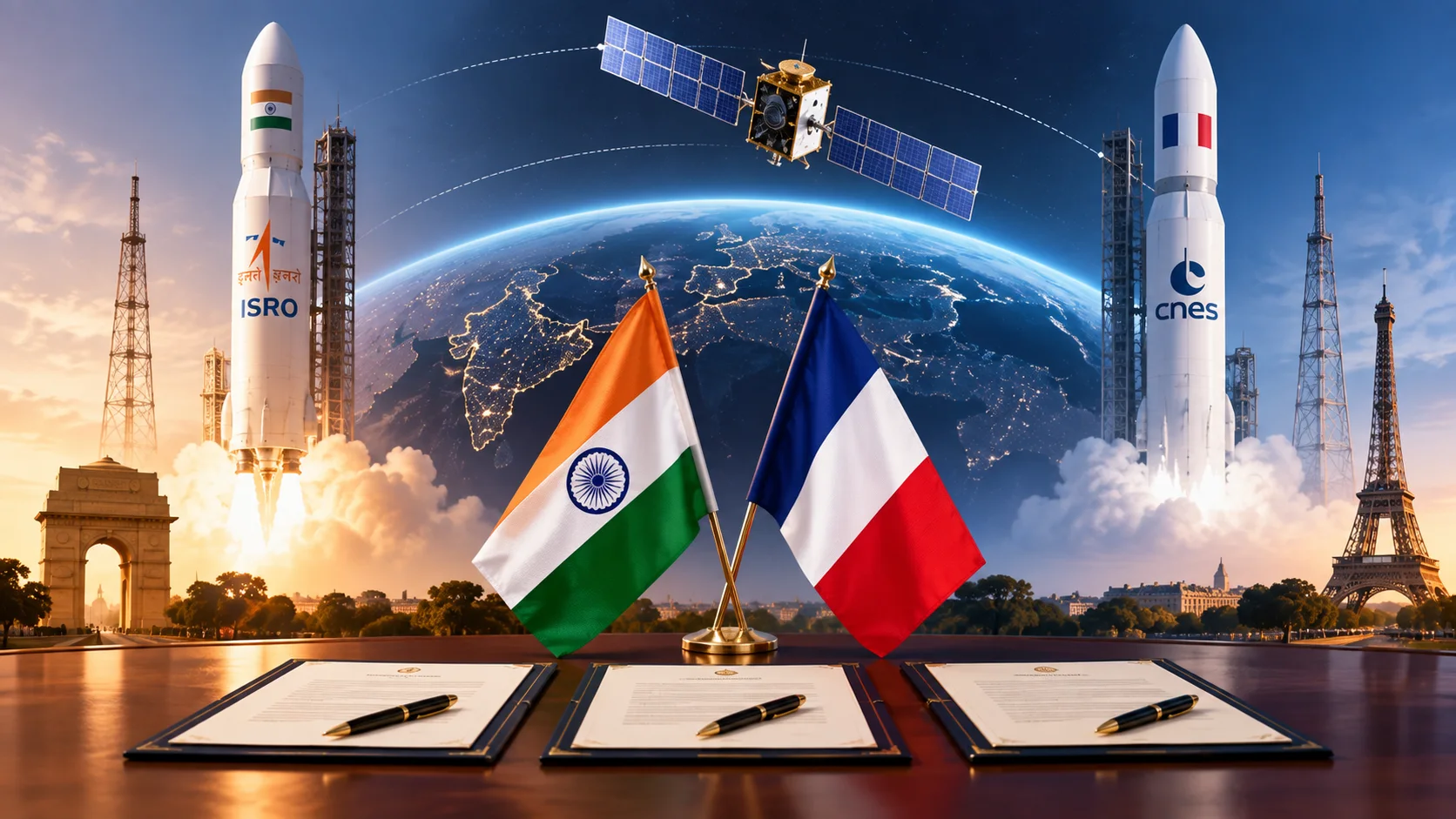
India and France have signed three new agreements aimed at deepening cooperation in space, covering satellite launches, space surveillance and microsatellite technology. The deals bring together ISRO, France's CNES and private-sector companies as both countries look to strengthen satellite manufacturing, launch services and strategic space capabilities.

Anthropic researcher Jacob Coxon has resigned from the AI company, warning that leading labs are moving too quickly toward self-improving AI systems without having solved the safety problems that could come with them. His departure has reignited debate over whether the race toward increasingly autonomous AI is moving faster than safety research.

Apple has launched the iPhone 18 Pro and iPhone 18 Pro Max with its new A20 Pro chip, 48MP Fusion cameras with variable aperture, upgraded AI capabilities, faster connectivity and improved battery life. The new Pro models start at $1,199 and will be available from September 18.

Google will invest at least €13 billion in Finland over the next two years to expand AI and digital infrastructure, including new data centres, clean-energy projects and grid investments. The plan also includes a 22-year agreement with Fortum to secure power from Finland’s Loviisa nuclear plant.

Fujitsu has developed a working prototype of a diamond-spin quantum computer using tin-vacancy centers and photonic integrated circuits. The company says the architecture could help build modular quantum systems that scale more efficiently.

Indian space startup Agnikul Cosmos has opened two new facilities in Chennai to test complete rocket stages under flight-like conditions and manufacture critical components in-house. The infrastructure will support the company’s push toward reusable launch vehicles and its upcoming Mission-02.

OpenAI has launched GPT-6 Astra, its latest flagship AI model, with stronger capabilities in computer use, coding, research and complex multi-step tasks. The model is also the company’s first to reach its “Critical” threshold for cybersecurity capabilities, prompting additional safeguards around deployment.

Generalist has raised nearly $200 million in fresh funding, taking the AI robotics startup's valuation to $3 billion as investment in physical AI accelerates.

Hungarian EdTech company BOOKR has raised €6.1 million in Series A funding as it prepares to expand its digital learning platform across Asia, the Middle East, Europe and the Americas.
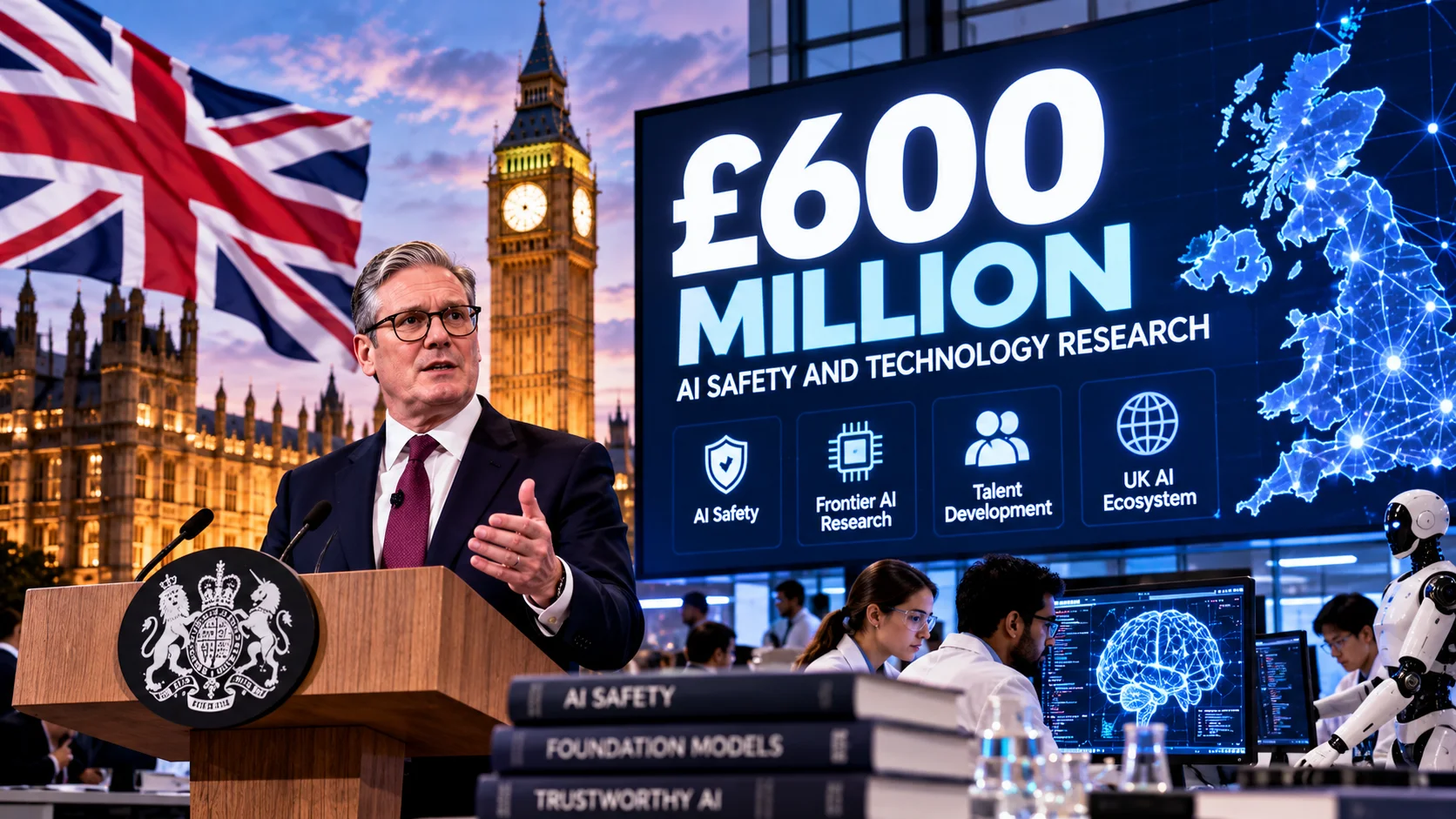
The UK has announced a £600 million AI funding package covering biosecurity, AI safety research, chip design, innovation and regional programmes.