
Space
Google Prepares First Project Suncatcher Satellite Test for AI Chips in Space
Google is preparing to launch a prototype satellite carrying its Tensor Processing Units into low Earth orbit, marking the first in-orbit test of Project Suncatcher.

Published reporting and analysis by Girish Soni. Private account and contact details are never included in this public profile.
Google is preparing to launch a prototype satellite carrying its Tensor Processing Units into low Earth orbit, marking the first in-orbit test of Project Suncatcher.

Thailand has approved its first national semiconductor strategy, targeting $80 billion in cumulative investment and more than 230,000 new jobs by 2050.
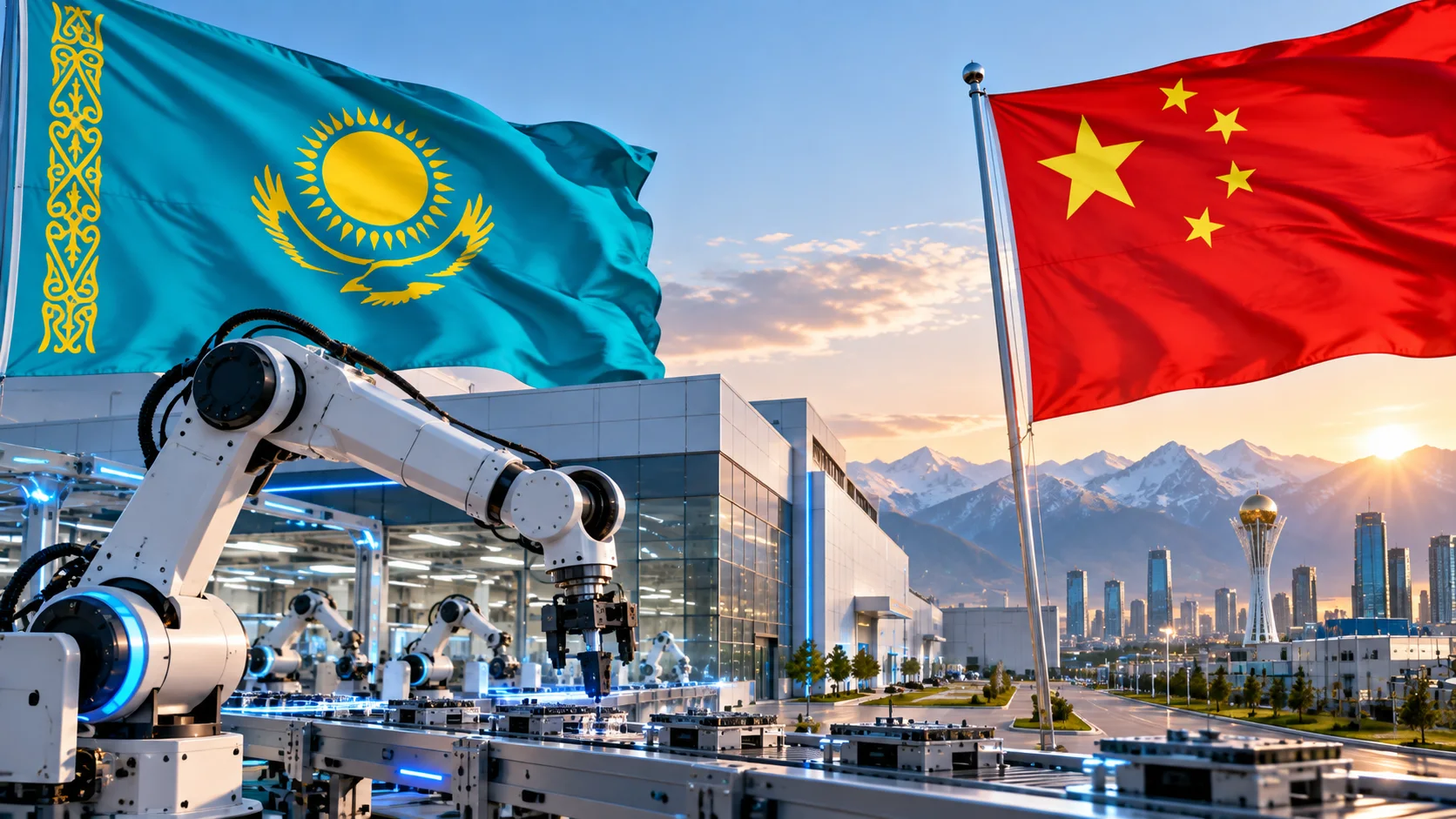
NERO Group and China’s UBTECH Robotics are developing a $440 million robotics project in Almaty that will combine manufacturing, R&D and programming.

Mphasis and Copa Airlines have hosted a global quantum computing challenge to explore how quantum and classical optimization can improve passenger re-accommodation during flight disruptions.

Enterprise security company Island has raised $400 million in Series F funding, bringing its valuation to $6.4 billion as businesses increase their use of AI agents.

CISA has added two Check Point vulnerabilities to its Known Exploited Vulnerabilities catalogue after confirmed exploitation, urging affected organizations to prioritize remediation.
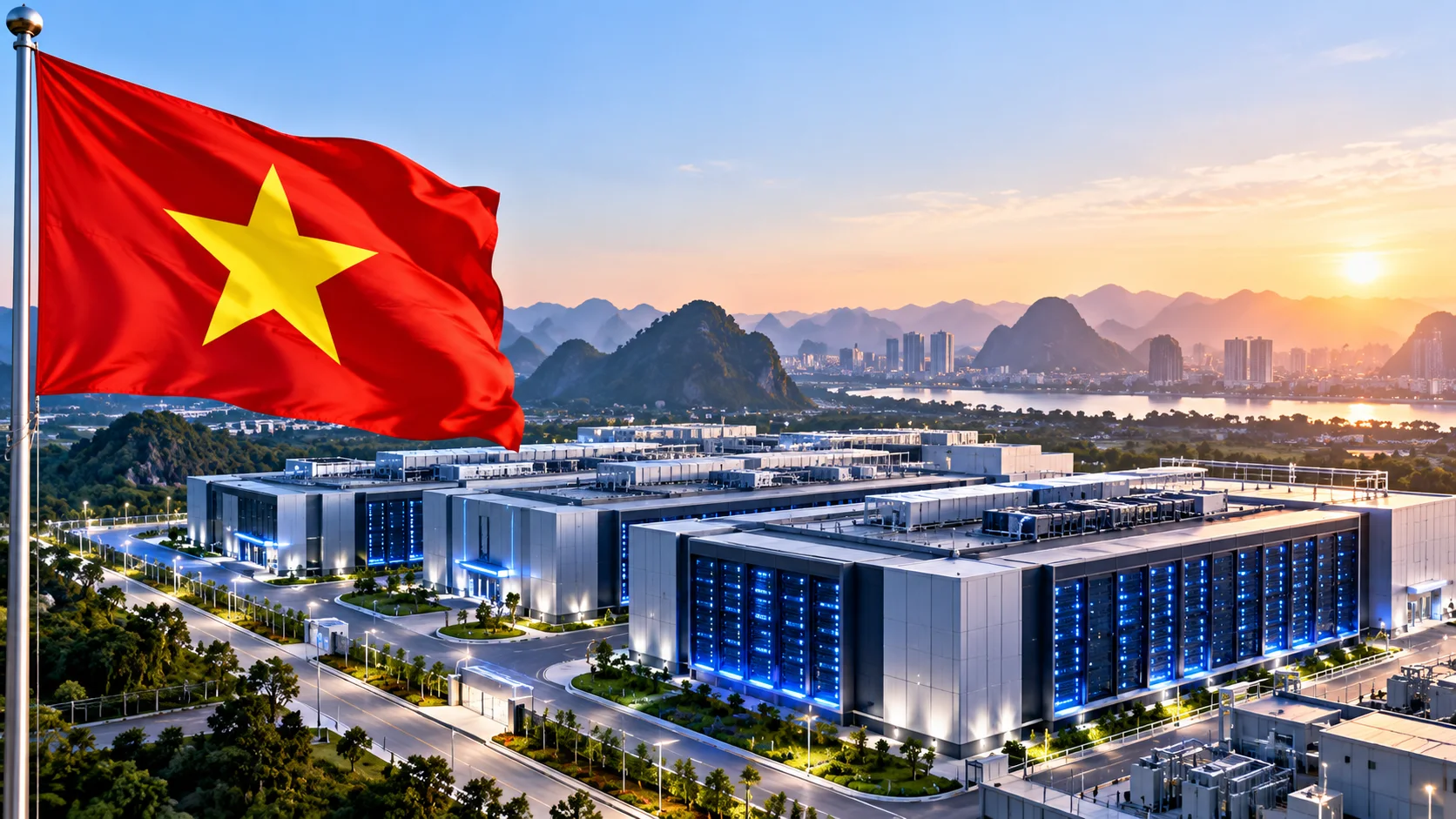
Vietnam’s Stavian Group has started a U.S.-backed feasibility study for Stavian Digital Park, a planned hyperscale AI and cloud campus in Ho Chi Minh City targeting 300MW of power capacity by 2030.

SoftBank Group has raised $11.1 billion through dollar- and euro-denominated bonds, the largest high-yield corporate bond sale globally, to finance its expanding investments in OpenAI and other AI assets.
OpenAI has expanded its GPT-6 lineup with GPT-6 Sol and GPT-6 Luna, promising lower costs, improved accuracy and stronger performance for coding, automation and everyday professional tasks.

SEMICON India 2026’s second day saw 25 MoUs, partnerships and technology announcements spanning chip manufacturing, materials, packaging, power electronics, logistics, design and workforce development

Anthropic is considering releasing a new AI model as OpenAI’s GPT-6 Astra gains momentum with enterprise customers, adding competitive pressure ahead of Anthropic’s potential IPO.
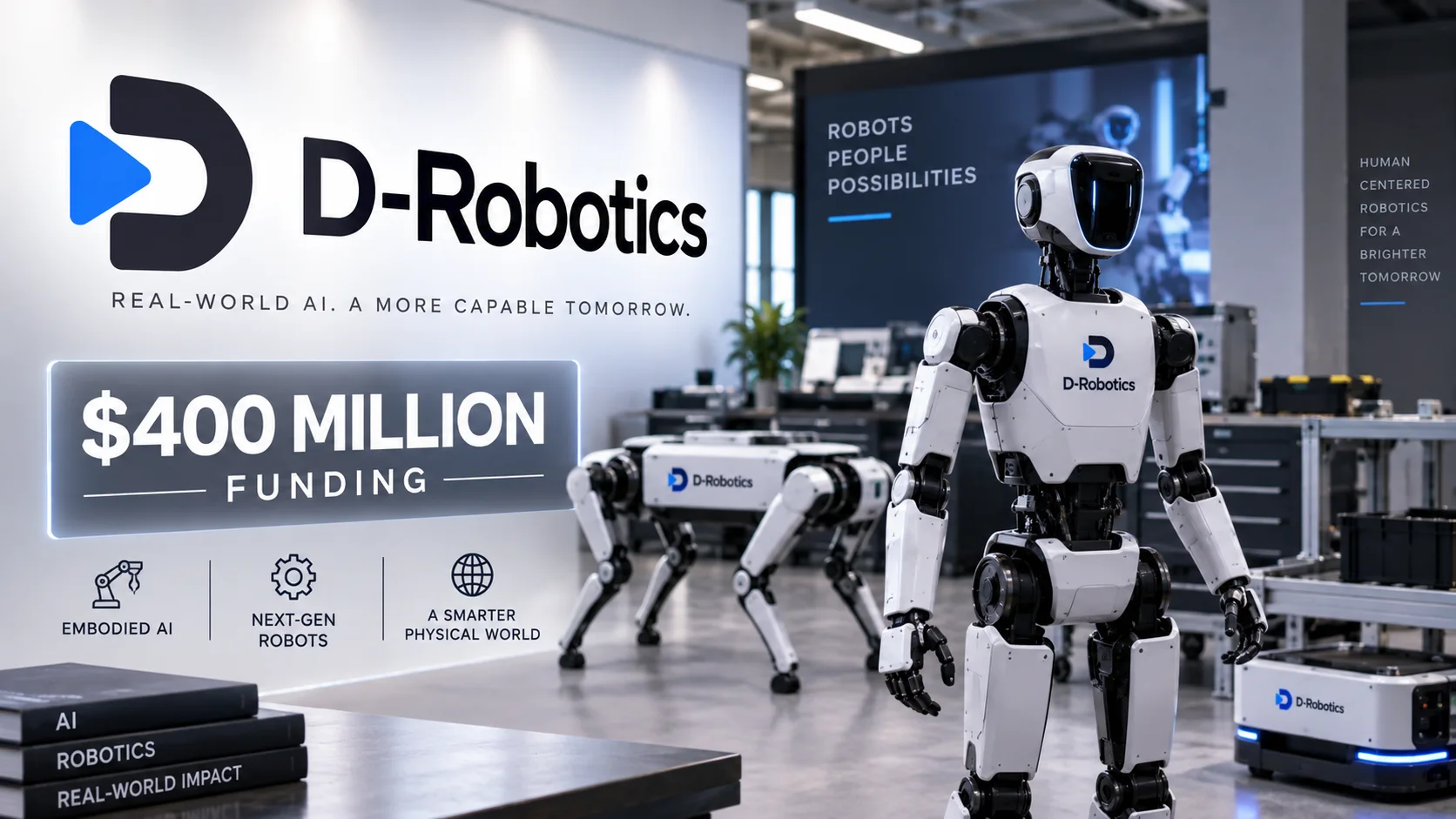
Chinese robotics technology company D-Robotics has closed a $400 million Series C to expand its Sunrise chip portfolio and build software infrastructure for embodied AI and humanoid robots.
Chinese memory-chip maker CXMT is preparing to expand into NAND flash, putting it in competition with Samsung, SK Hynix, Micron and domestic rival YMTC as AI demand tightens global memory supplies.
London-based AI startup Mantic has raised $25 million in seed funding after its forecasting system outperformed every human participant in the 2026 Metaculus Cup, predicting political, economic and cultural events.
Raymond Albaladejo Stauffer has taken over as CEO of Nazara Technologies, with founder Nitish Mittersain moving to Managing Director as the gaming company expands its international operations.
Huawei forecasts that autonomous AI agents could account for more than 90% of global AI token traffic by 2035, driving significantly higher demand for computing power and new approaches to AI security.
Shanghai-based AI drug-discovery company Anew Labs has reportedly raised $290 million at a $1.5 billion valuation, marking a major investment in AI-driven pharmaceutical research.
Anderon, an IBM company, has finalized a $1 billion CHIPS and Science Act award from the U.S. Department of Commerce to advance a U.S.-based 300mm pure-play quantum wafer foundry.
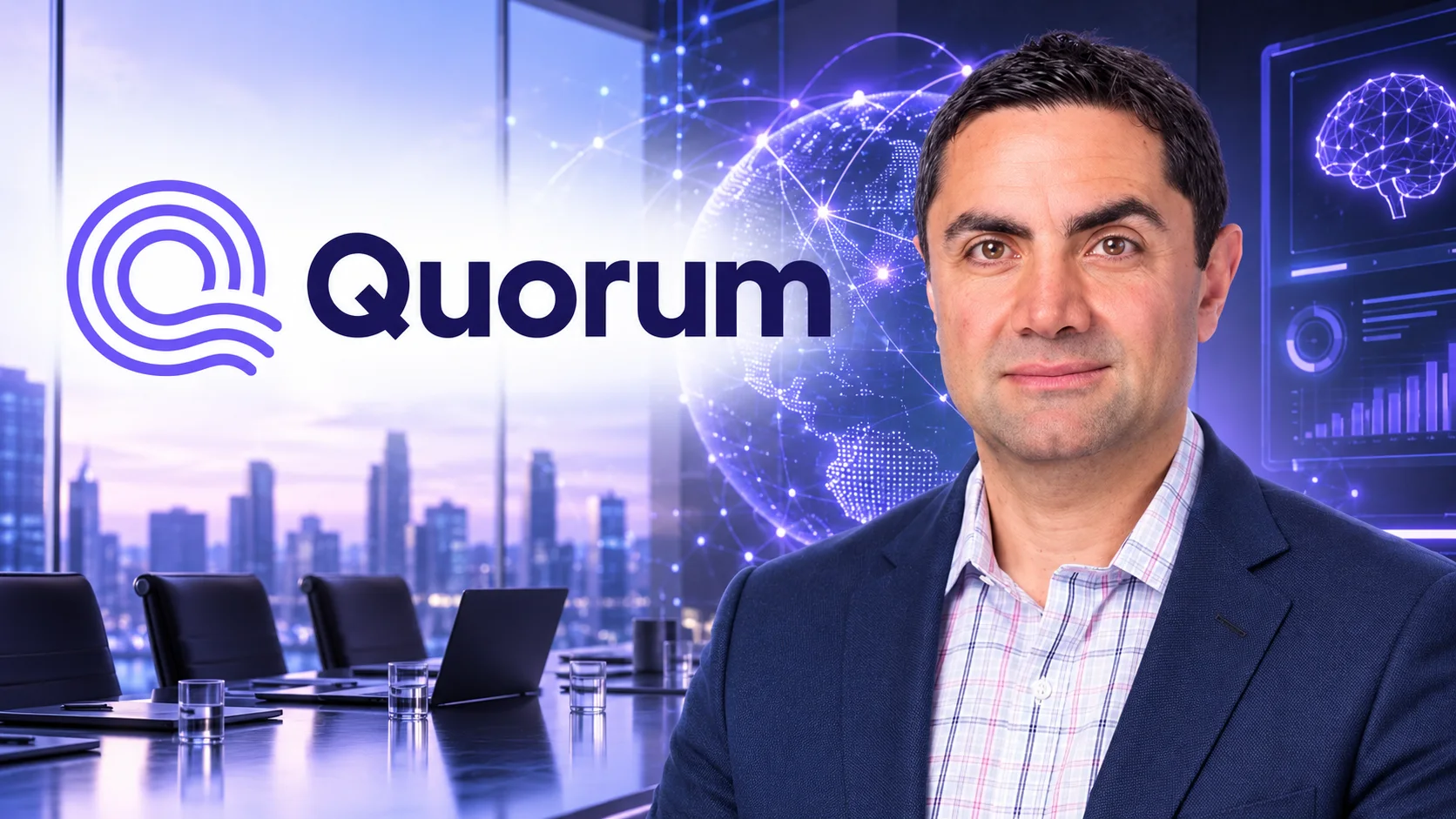
AI-powered public-affairs platform Quorum has appointed Bob Ghafouri to its Board of Directors, bringing more than 25 years of experience across digital media, technology and AI-driven businesses.

Construction technology company Buildots has raised $130 million in a new funding round, bringing its total funding to about $297 million as it expands its AI-powered platform across complex construction projects.
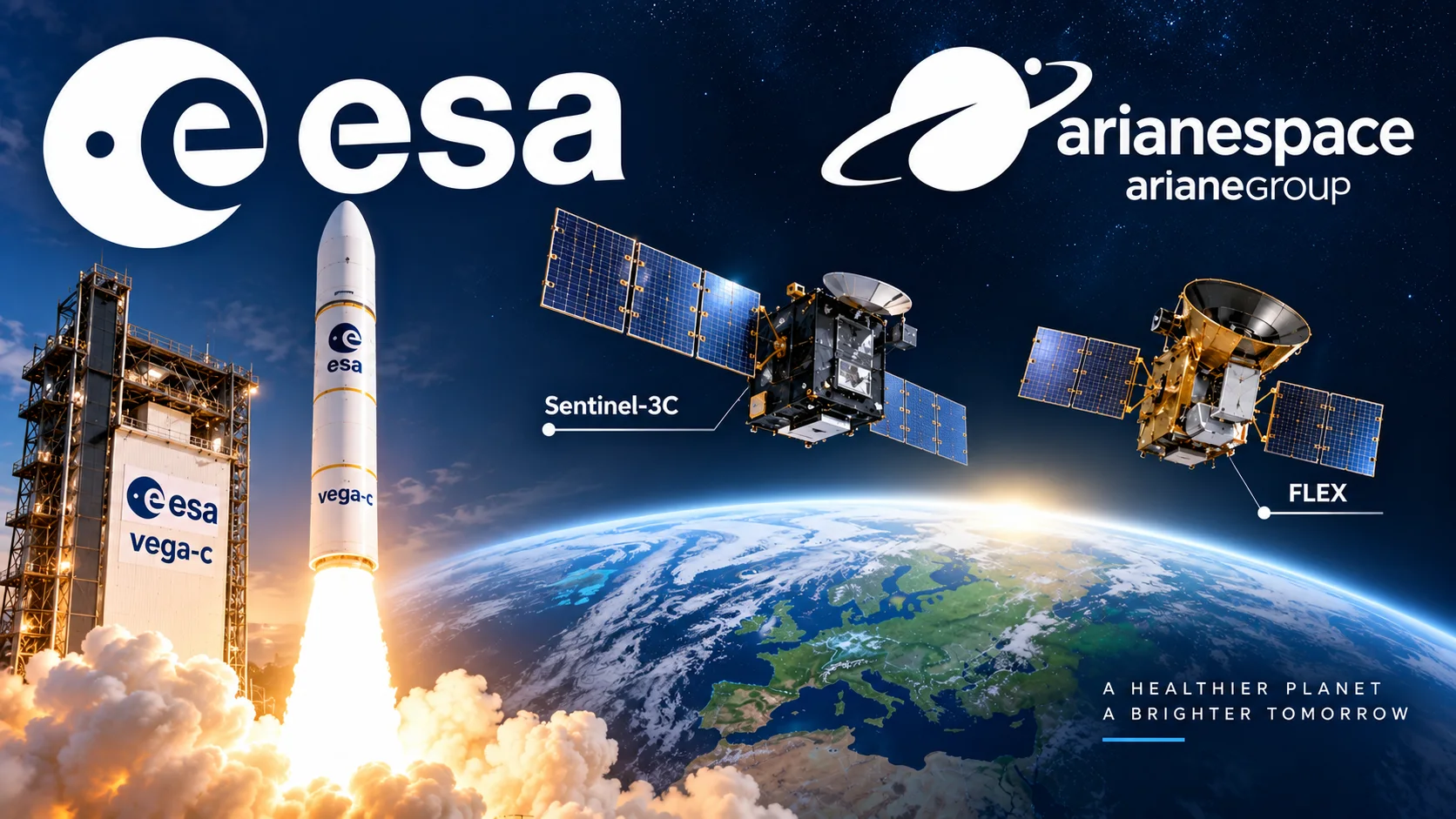
A Vega-C rocket has successfully launched Europe’s Sentinel-3C and FLEX satellites from French Guiana, adding new capabilities for monitoring oceans, land, atmosphere and the health of Earth’s vegetation.
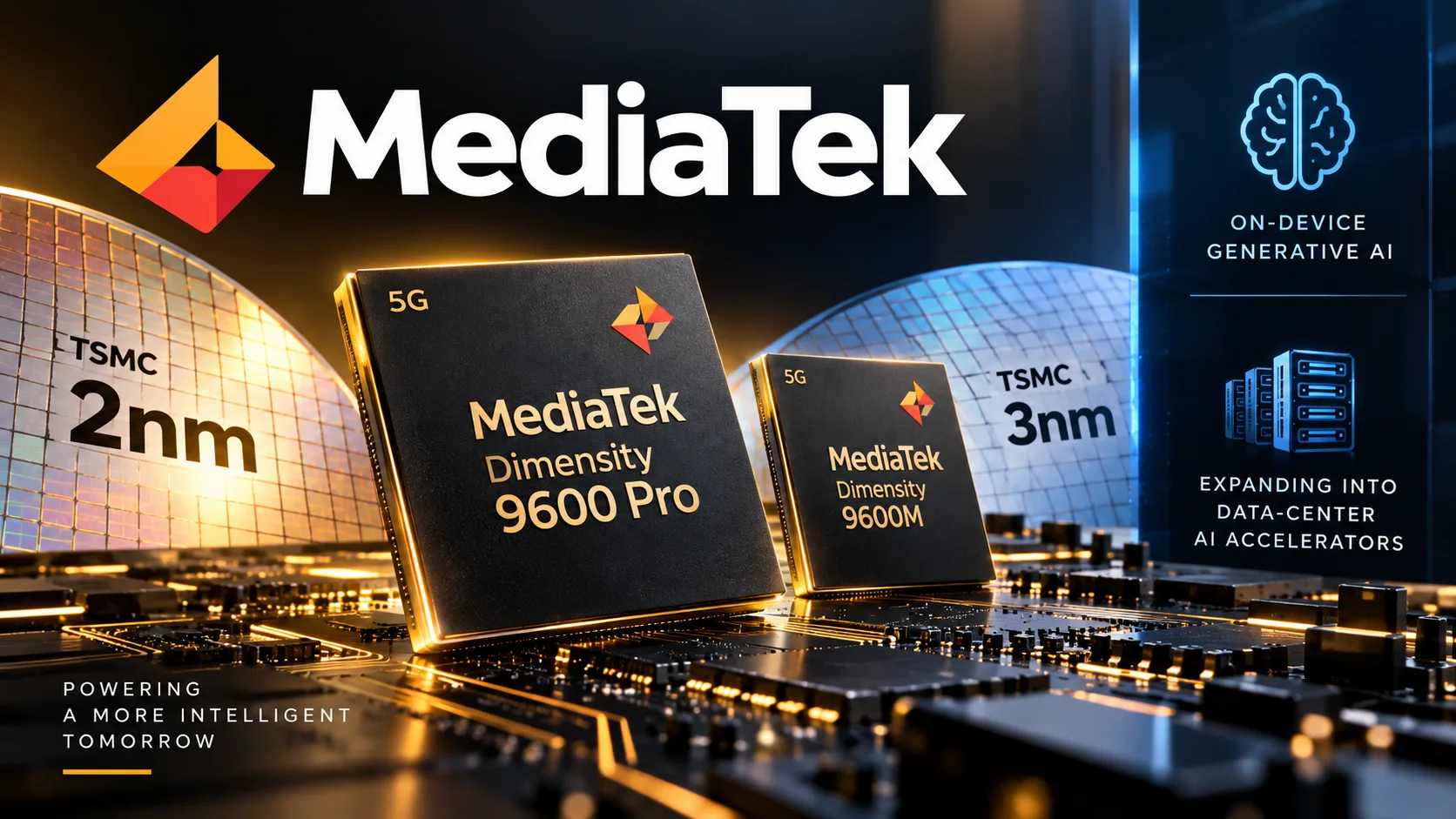
MediaTek has launched its Dimensity 9600 Pro, its first mobile processor built using TSMC’s 2nm technology, as the chipmaker targets the premium smartphone market with faster on-device AI. The company has also introduced the 3nm-based Dimensity 9600M while expanding its ambitions into data-center AI chips.
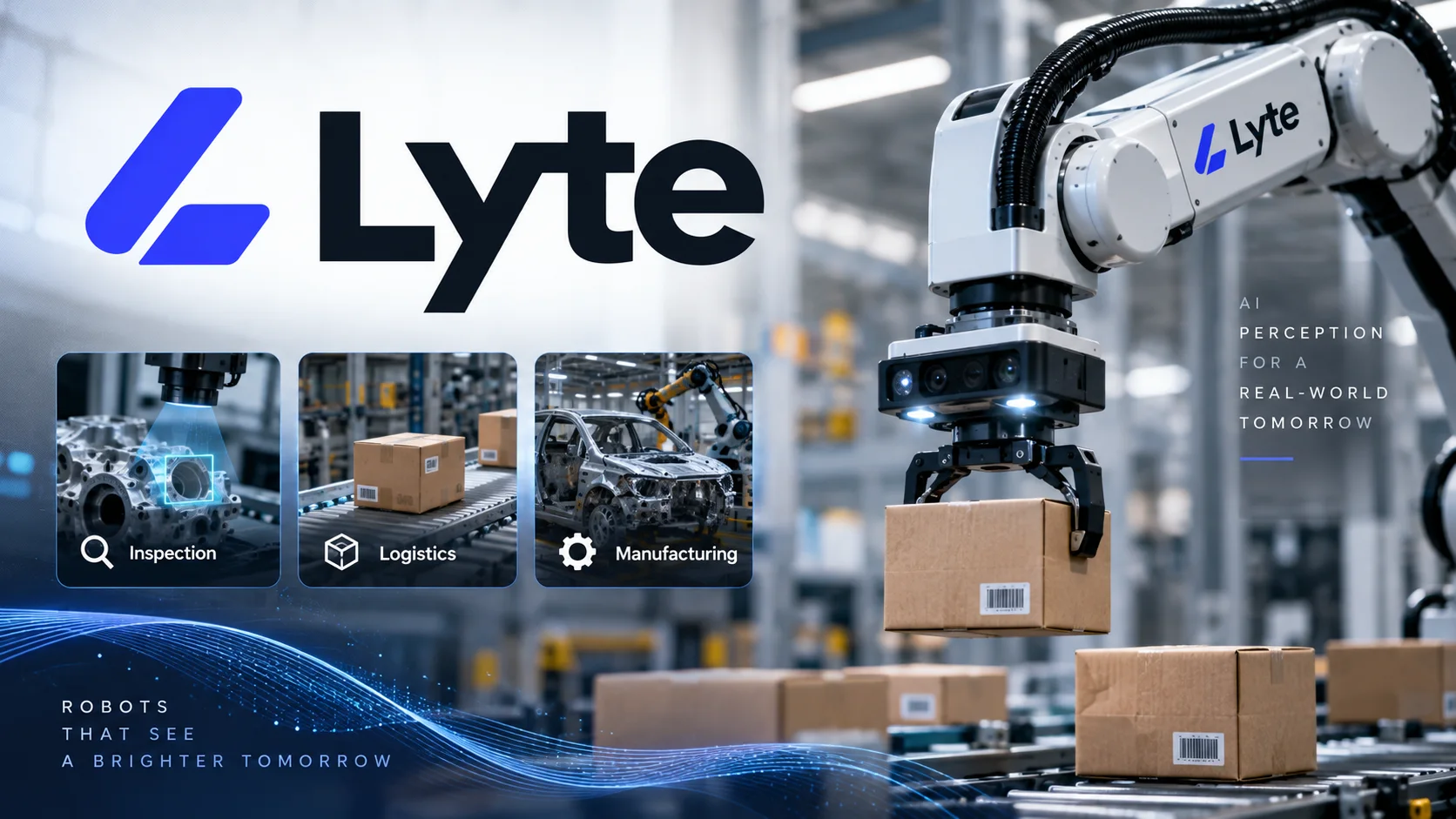
Physical AI company Lyte has raised $165 million in Series C funding at a $1.6 billion valuation. The company plans to use the capital to scale production of its sensing technology and expand deployments across robotics and industrial applications.
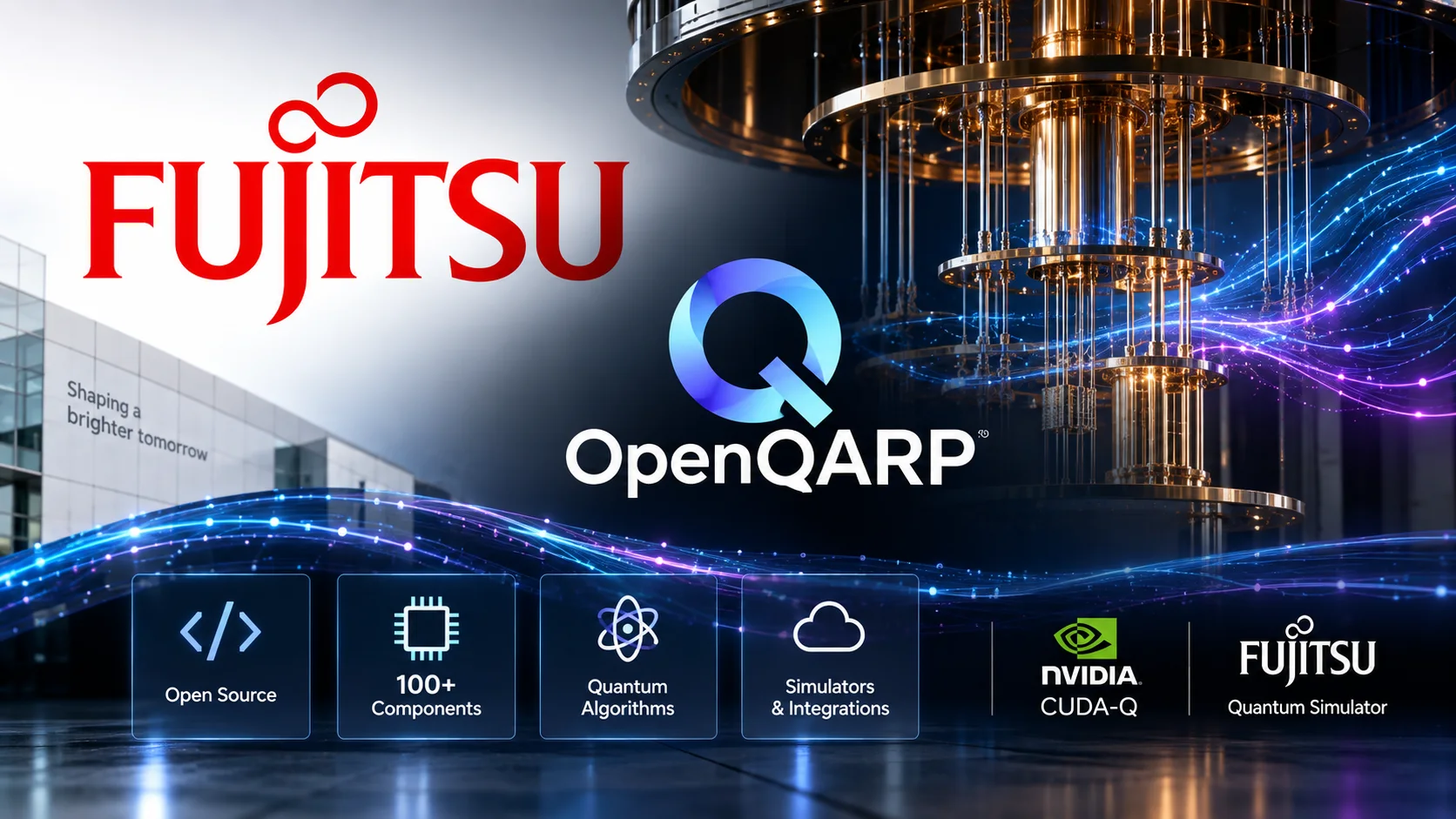
Fujitsu has released its Open Quantum Application Research Package as open-source software, giving researchers and developers access to more than 100 quantum software components and algorithms across multiple computing environments.
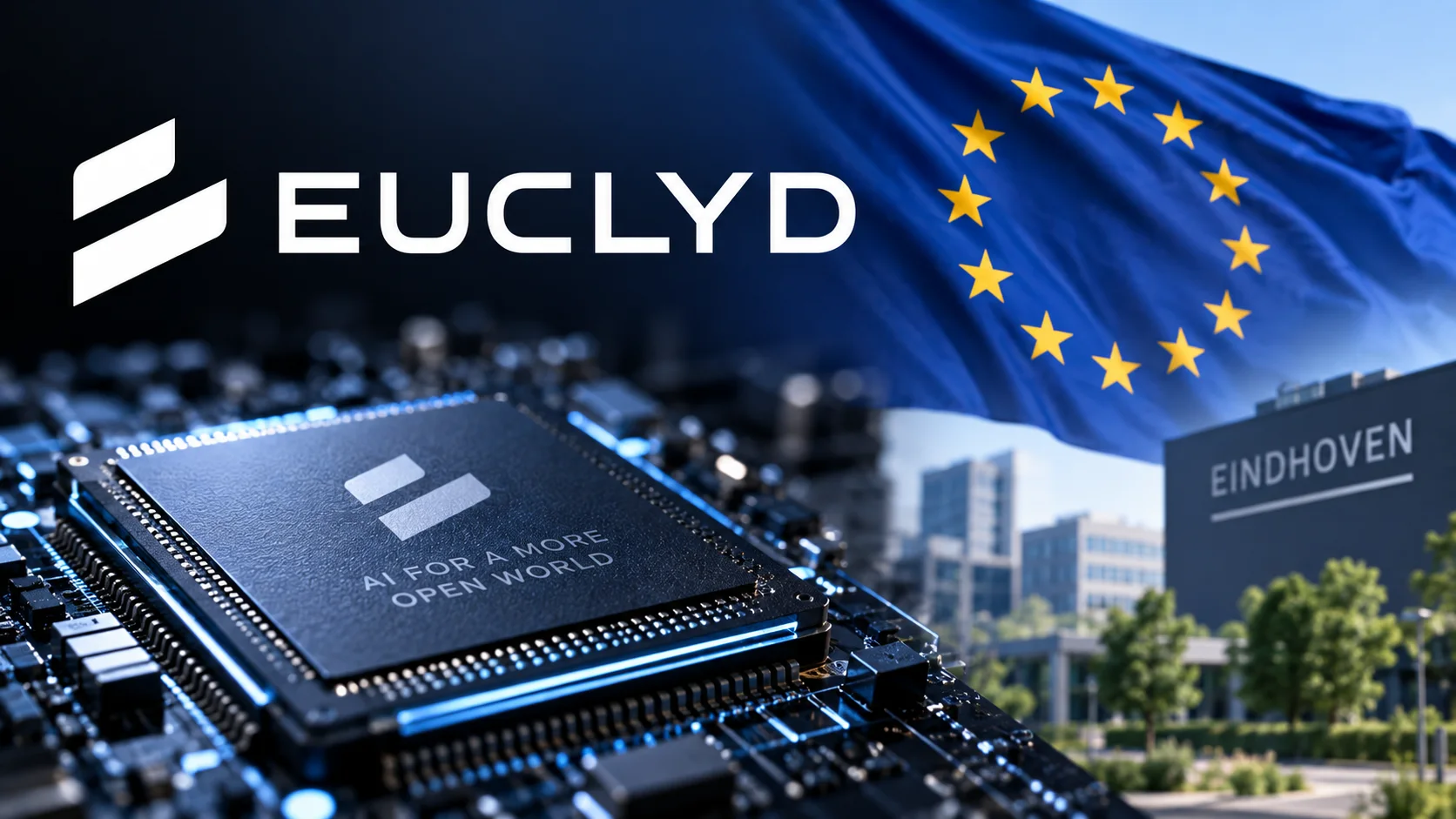
Eindhoven-based AI infrastructure company EUCLYD has raised more than €200 million in Series A funding to accelerate development of its AI silicon, memory architecture and data-center systems. Former ASML CEO Peter Wennink is also joining the company as chairman.

A breach of Japan’s shared Government Solution Service may have exposed personal information linked to about 246,000 government employees, officials and contractors. Attackers exploited a vulnerability in VPN equipment to gain unauthorized access.

Bell Canada is planning a major expansion of its AI infrastructure operations in Saskatchewan that could create a 1.2GW computing hub. The project could involve up to C$52.5 billion in total capital investment and add 900MW of new capacity.

Anthropic has launched Claude for Financial Advisors, a new AI suite that connects Claude with major wealth-management platforms and financial data providers. The tool is designed to help advisors with research, meeting preparation, portfolio analysis and documentation while keeping regulated decisions under human control.

Info Edge has appointed Himanshu Agarwal as Chief Financial Officer and Additional Director, effective September 17. He will succeed interim CFO Ambarish Raghuvanshi, who will remain with the company as a finance adviser through October 31.

Melbourne-based Elita has raised $1.9 million to expand its preventative health and longevity platform for dogs. The startup plans to combine biological data, veterinary records and owner observations to help identify health changes earlier.
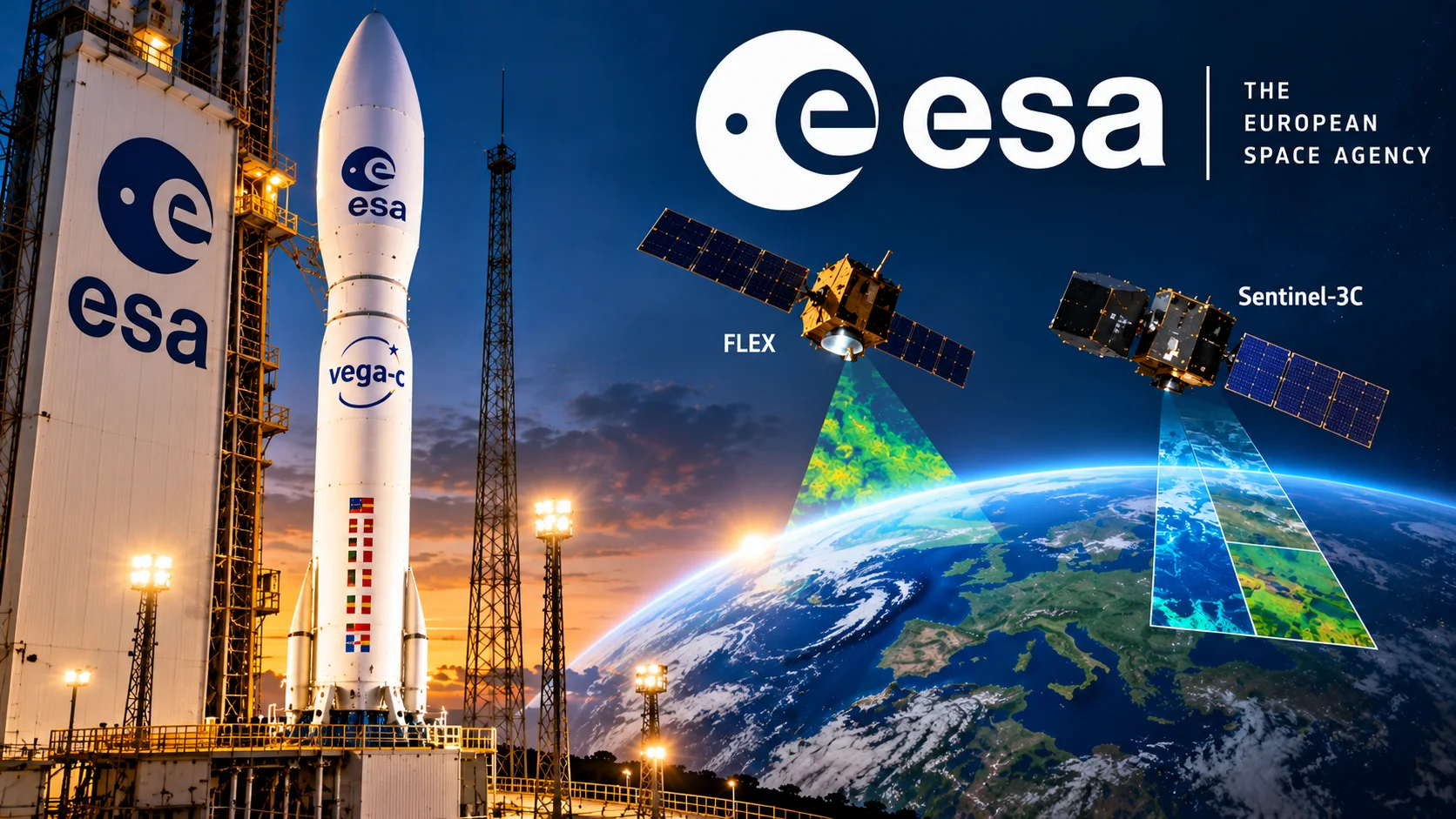
Europe’s Vega-C rocket is preparing to launch two major Earth-observation satellites, ESA’s FLEX and Copernicus Sentinel-3C, from French Guiana. The mission will expand Europe’s ability to monitor vegetation, oceans, land, ice and the atmosphere.
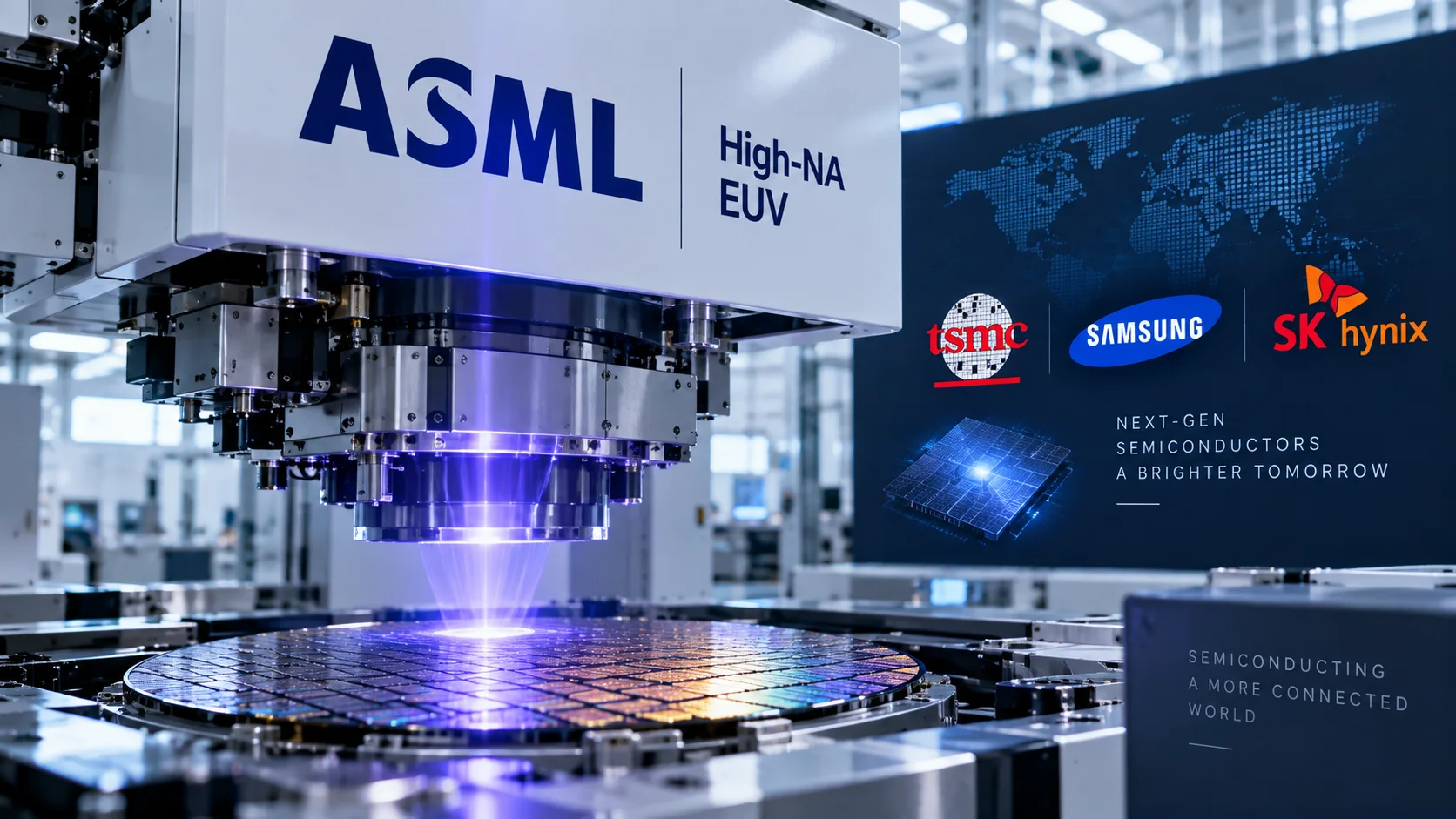
ASML’s customers are increasingly preparing to deploy its next-generation High-NA EUV lithography systems, with each machine costing around $400 million. TSMC, Samsung and SK Hynix have plans for production use, while Intel is already testing the technology.
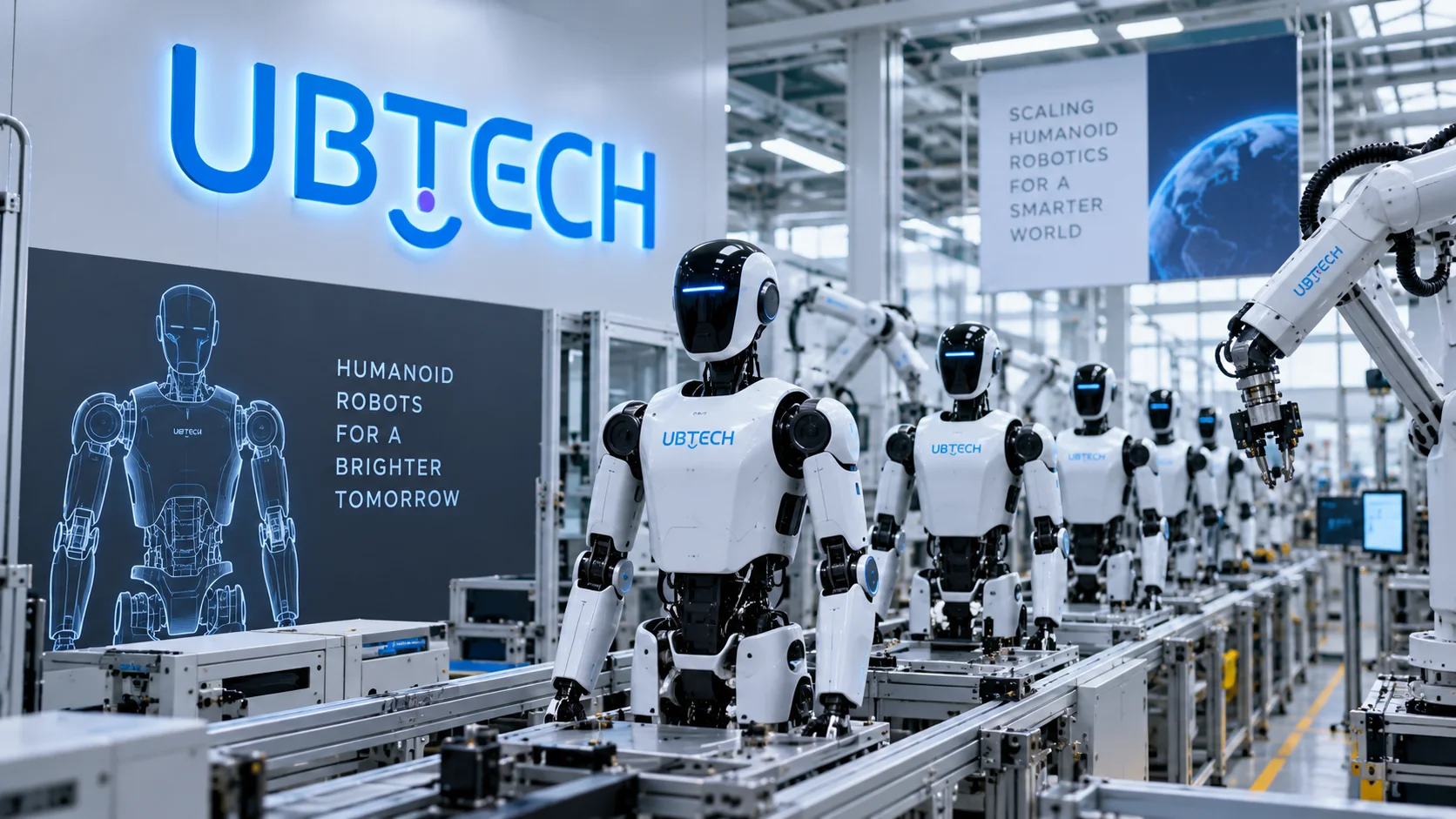
UBTECH has begun production at a new 14,000-square-meter humanoid robot factory in Liuzhou, China. The facility is designed for large-scale production of the company’s industrial humanoid robots, with robots themselves taking part in several manufacturing tasks.
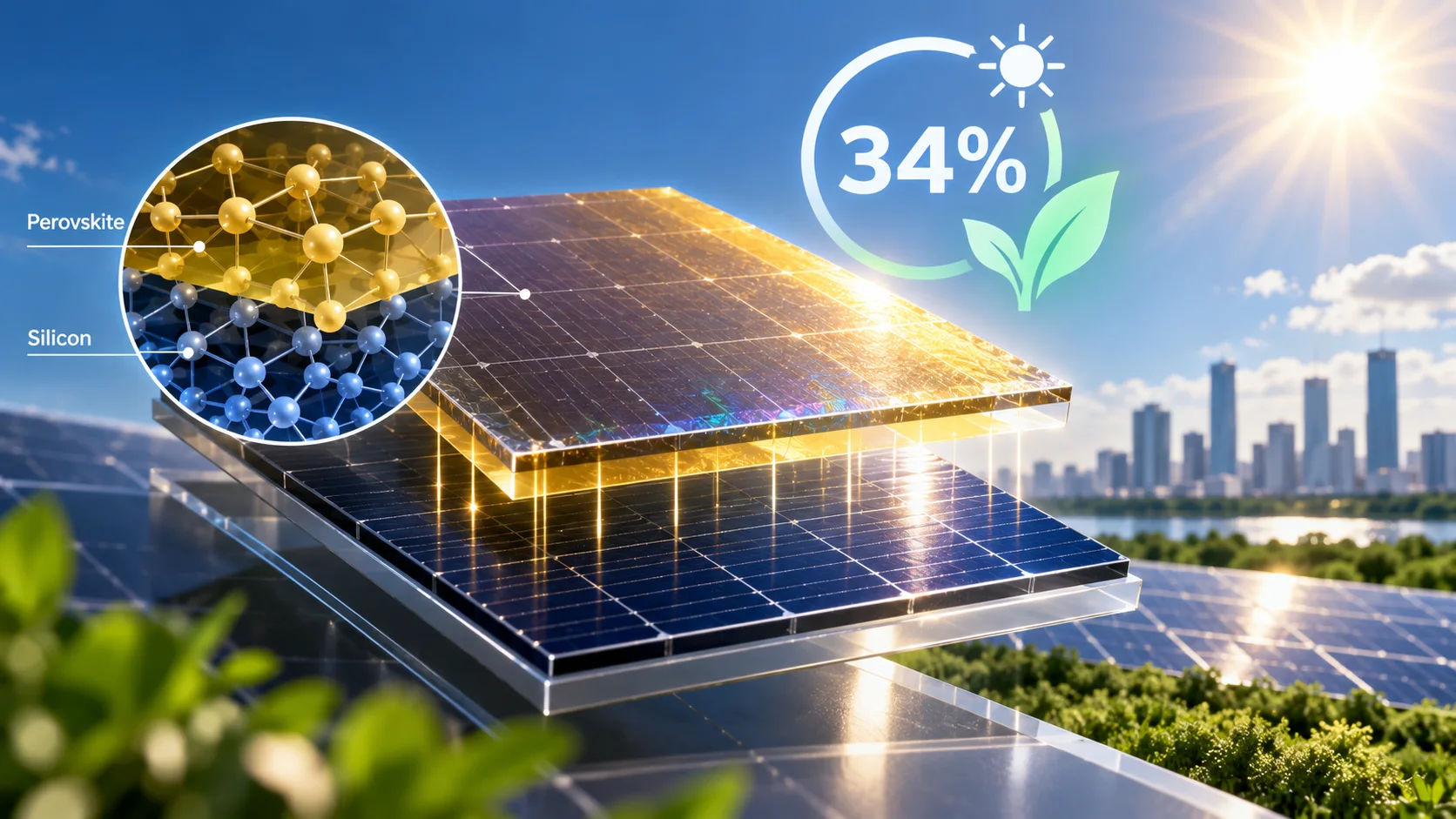
Researchers from Soochow University and LONGi have developed a perovskite-silicon tandem solar cell with a reported efficiency of 34%. The device uses an interface-engineering approach designed to reduce energy losses while improving charge extraction and stability.

Graph AI has raised $13.3 million in Series A funding led by Insight Partners to expand its AI-native platform for pharmaceutical patient safety. The company plans to accelerate its expansion across the US and Europe.

A new ManageEngine survey of 700 IT and cybersecurity leaders finds that most organizations do not maintain heightened security attention for long after a breach. The research also raises concerns about businesses acting on AI-generated security recommendations without additional verification.
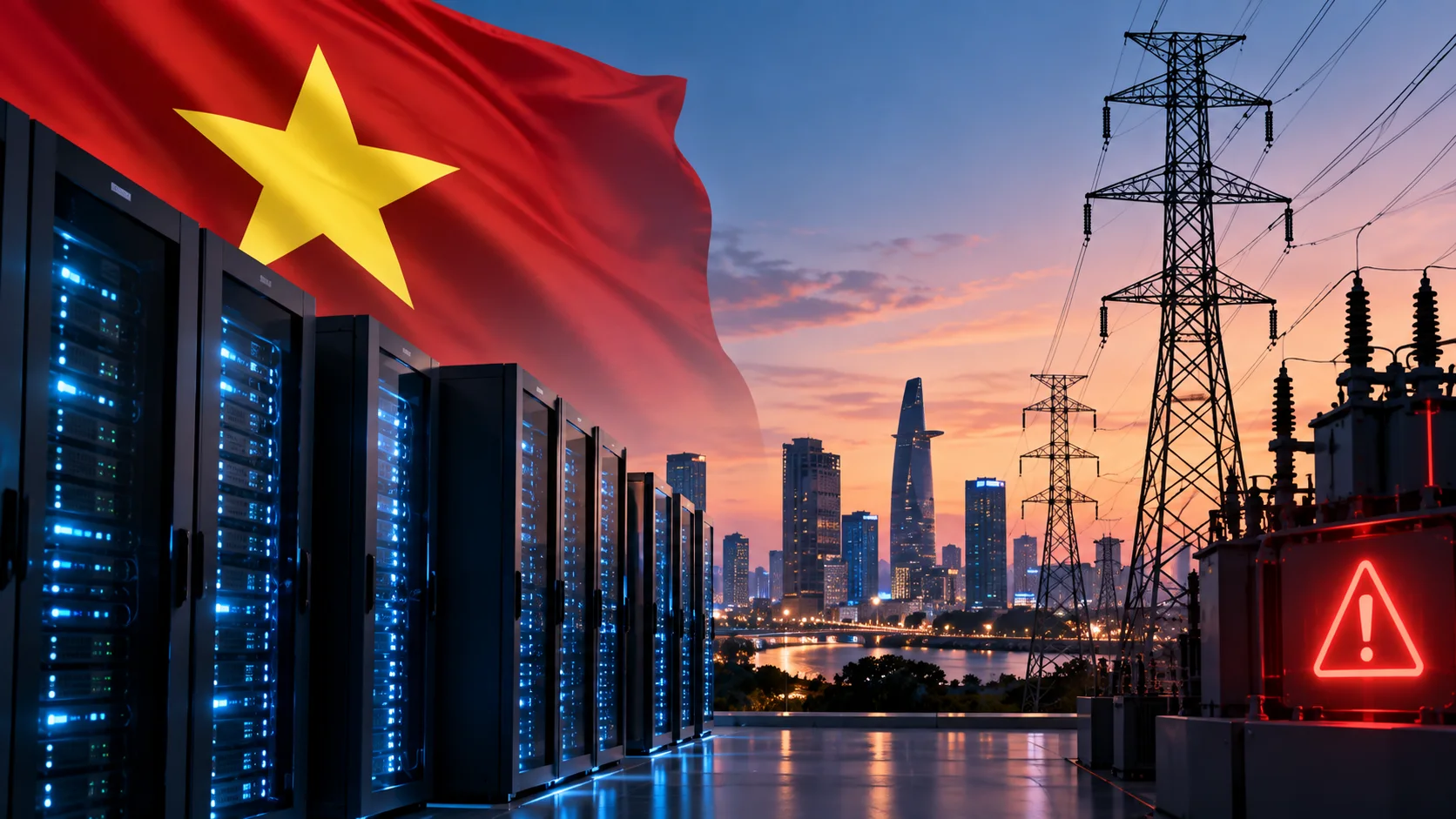
Vietnam is attracting major investment in data centers as demand for AI and cloud computing grows, but securing enough reliable electricity is emerging as a key challenge. The country will need faster expansion of power generation and transmission to keep pace with new computing infrastructure.
Anthropic CEO Dario Amodei is urging AI companies to deliberately slow frontier-model development so safety measures can keep pace with increasingly capable systems. The call has gained support from other technology leaders and contributed to a sharp sell-off in AI-linked stocks across Asia.
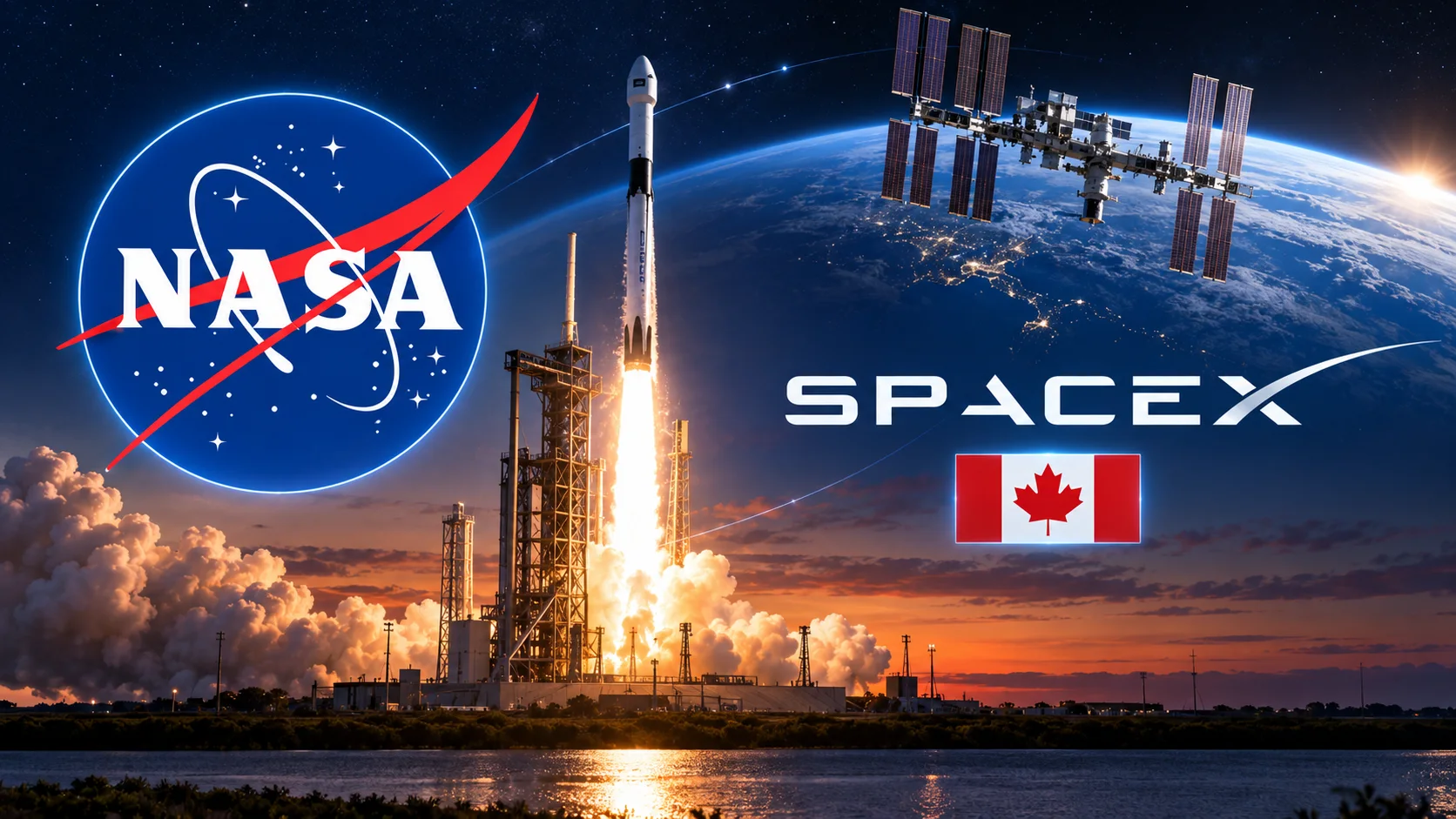
NASA and SpaceX are preparing to launch Crew-13 to the International Space Station, carrying four astronauts including Canadian Space Agency astronaut Joshua Kutryk. The mission is scheduled to lift off aboard a Falcon 9 and Crew Dragon from Florida.
Indian voice-AI startup Navana.ai has raised ₹40 crore in a Series A round led by Ronnie Screwvala’s Unilazer Ventures. The company plans to expand its voice-AI platform across banking and financial services and develop speech models for Indian languages.

The EU’s Cyber Resilience Act has entered its first major compliance phase, requiring manufacturers to report actively exploited vulnerabilities and severe product-security incidents. The first warning must be filed within 24 hours of discovery.

The Philippines has finalized a $34.4 billion AI infrastructure masterplan aimed at turning the country into a regional AI hub. The plan targets a 30-fold increase in AI data-center capacity, from about 50MW today to 1.5GW by 2033.
IBM and NASA have released an open-source foundation model built to analyze decades of lunar observations. The model can help researchers identify potential ice deposits, map craters and study volcanic features using data from multiple lunar instruments.

Indian quick-food delivery startup Swish has raised $24 million in a funding round led by Bertelsmann India Investments. The company plans to expand its kitchen network, strengthen supply-chain infrastructure and enter new cities as monthly orders cross 1 million.
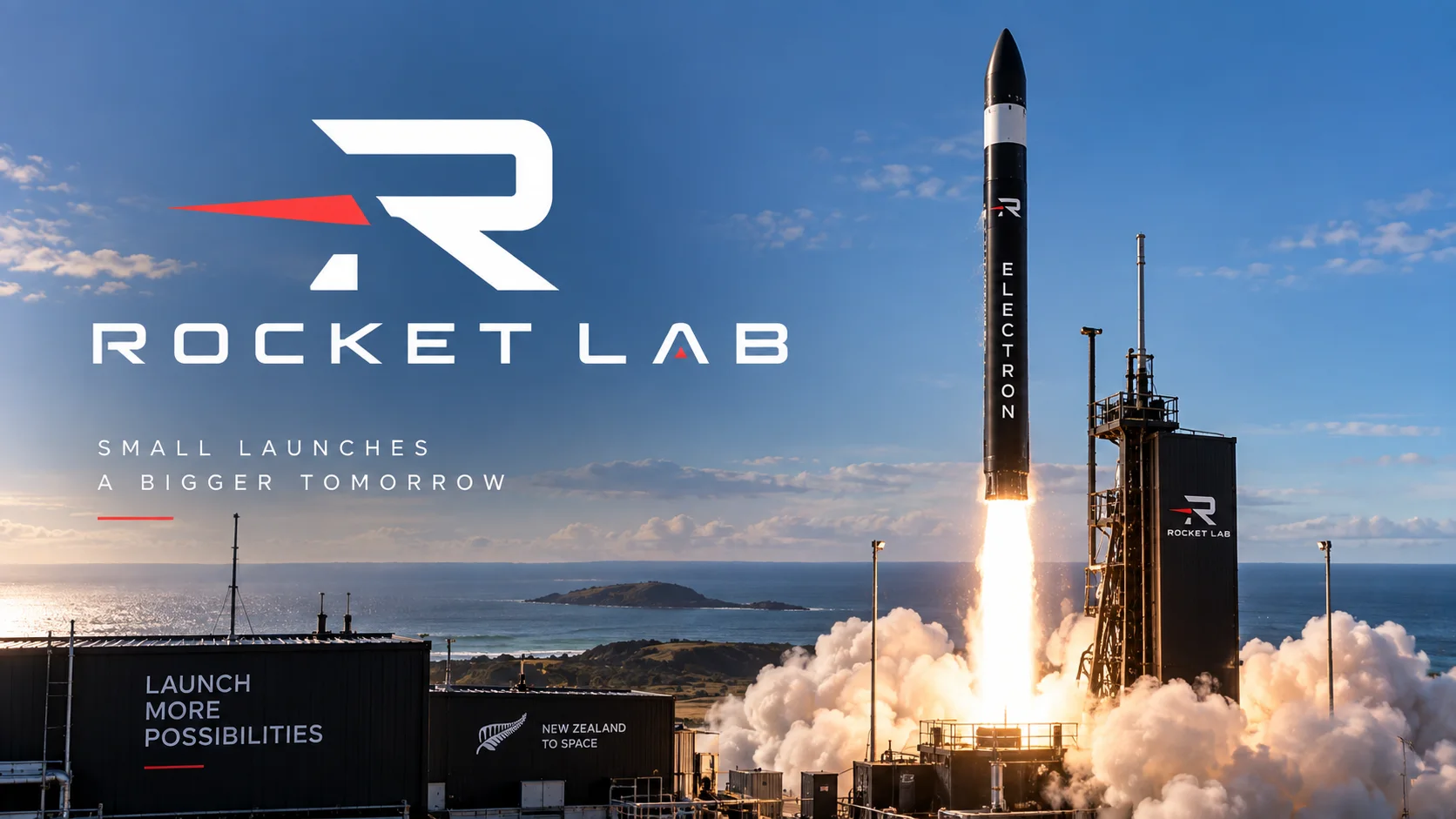
Rocket Lab has completed its 16th Electron launch of 2026, successfully deploying an Earth-observation satellite into a 500-kilometre circular low-Earth orbit. The mission gives the company 16 Electron launches this year and 95 overall.
AI chip startup d-Matrix is adopting NVIDIA’s NVLink Fusion technology to connect its next-generation Raptor inference processors directly to NVIDIA’s data-center infrastructure. The partnership is expected to bring compatible systems to market in 2027.
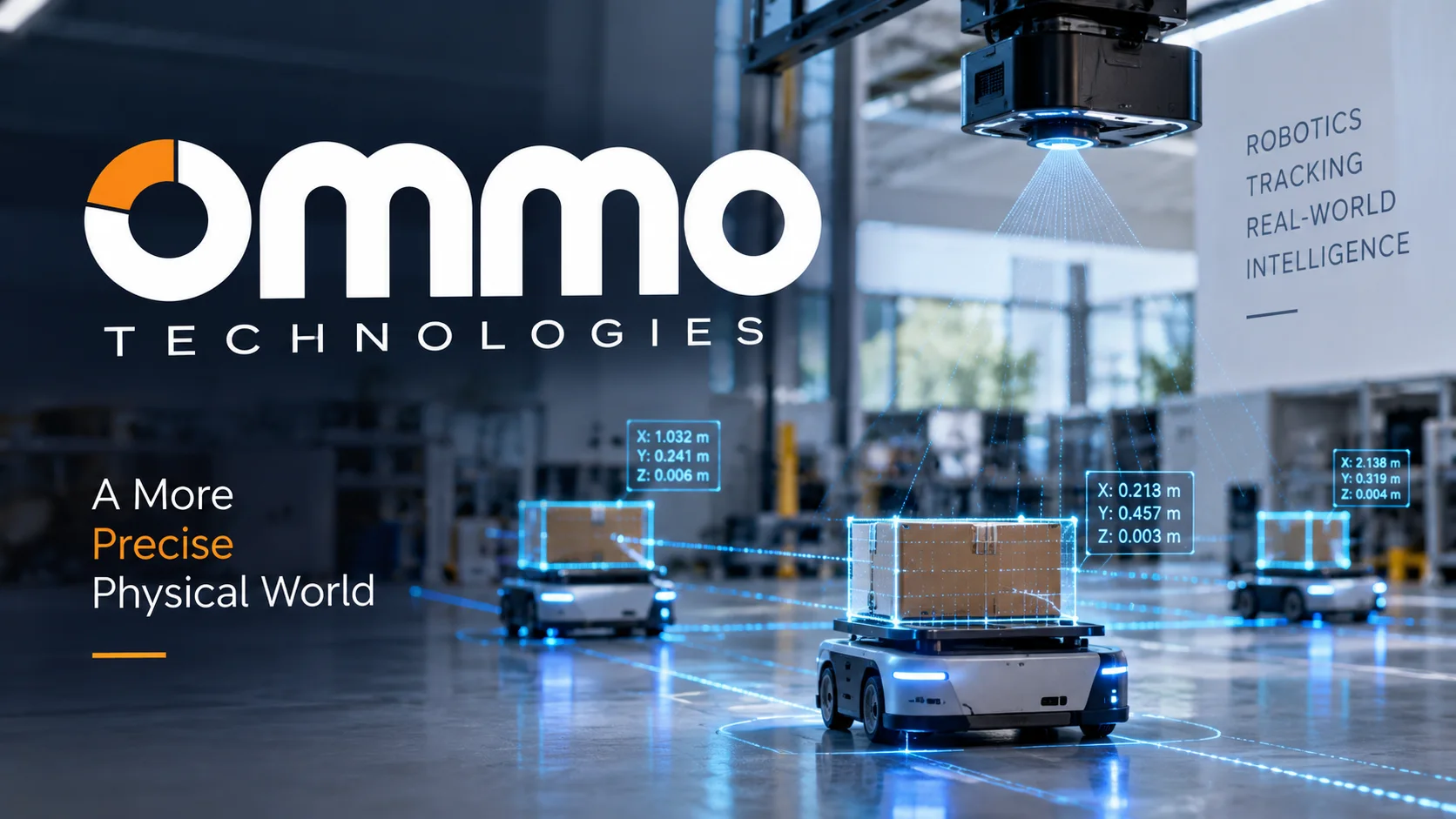
Ommo Technologies has raised $30 million in Series A funding to expand its magnetic positioning technology, which can track the position and orientation of machines with sub-millimeter precision. The company is targeting robotics, embodied AI, advanced manufacturing and healthcare.

Technology company Cloudstrats has appointed Nandini Singh as its new CEO, with a mandate to drive digital transformation, technology growth and business expansion. The leadership change comes as the company continues to expand its AI and technology services.

The Pentagon is in talks to provide AI cloud company Fluidstack with a roughly $5 billion loan through its Office of Strategic Capital. The proposed financing would support U.S. data-center supply chains and domestic manufacturing tied to the growing demand for AI infrastructure.
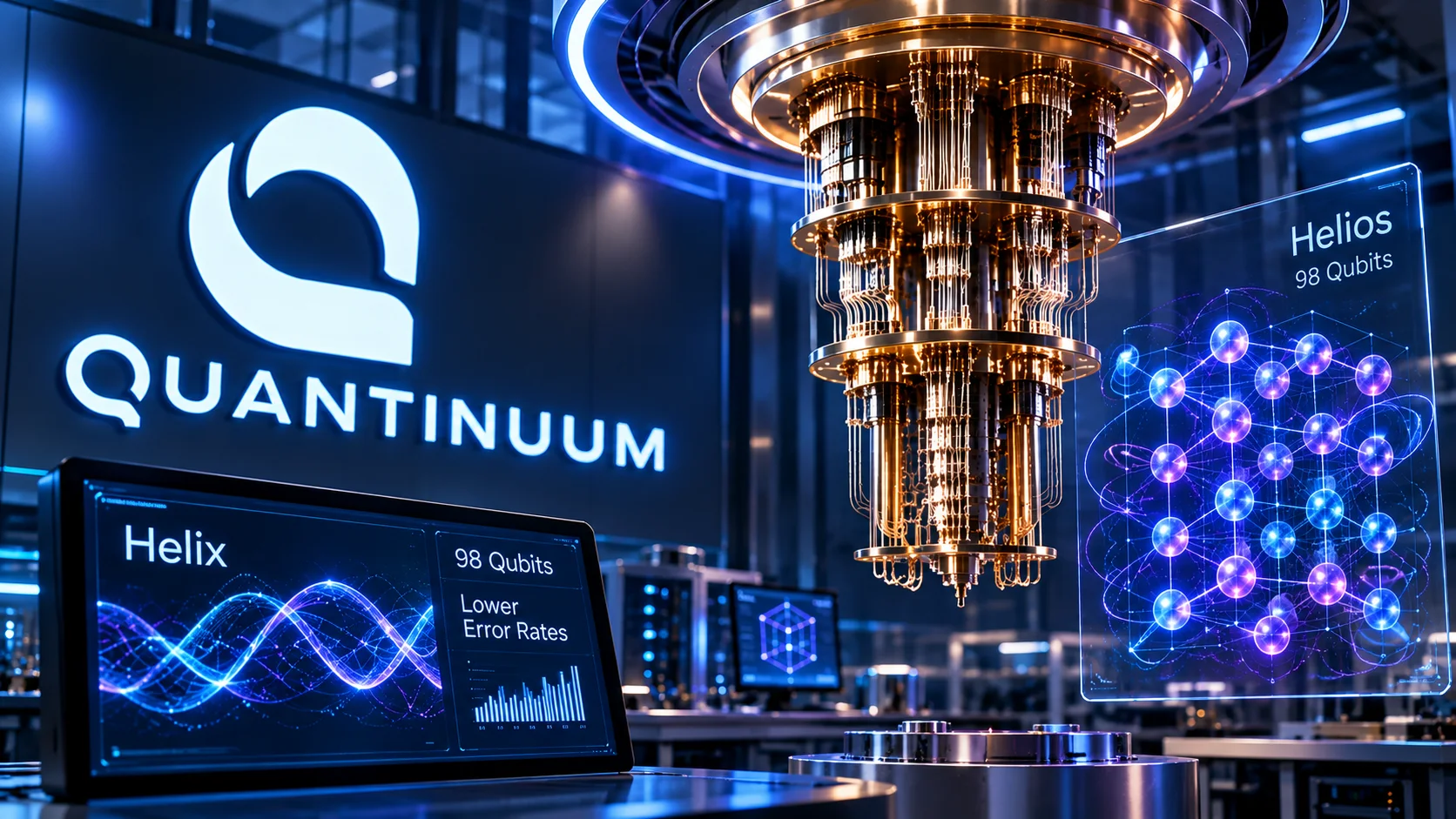
Quantinuum has experimentally validated its Helix quantum error-correction architecture on the 98-qubit Helios processor. The company reported logical memory and computation results with error rates below the corresponding physical operations, providing another step toward fault-tolerant quantum computing.